Check tire pressure at least once a month and before every long trip.
I’ve spent years working on cars and advising drivers, and I can confidently guide you on how often should you check car tire pressure so your ride stays safe, efficient, and long-lasting. This article breaks down practical schedules, step-by-step checks, seasonal tips, and real-life mistakes I’ve learned from, so you can easily protect your tires and wallet.
The basic rule: how often should you check car tire pressure
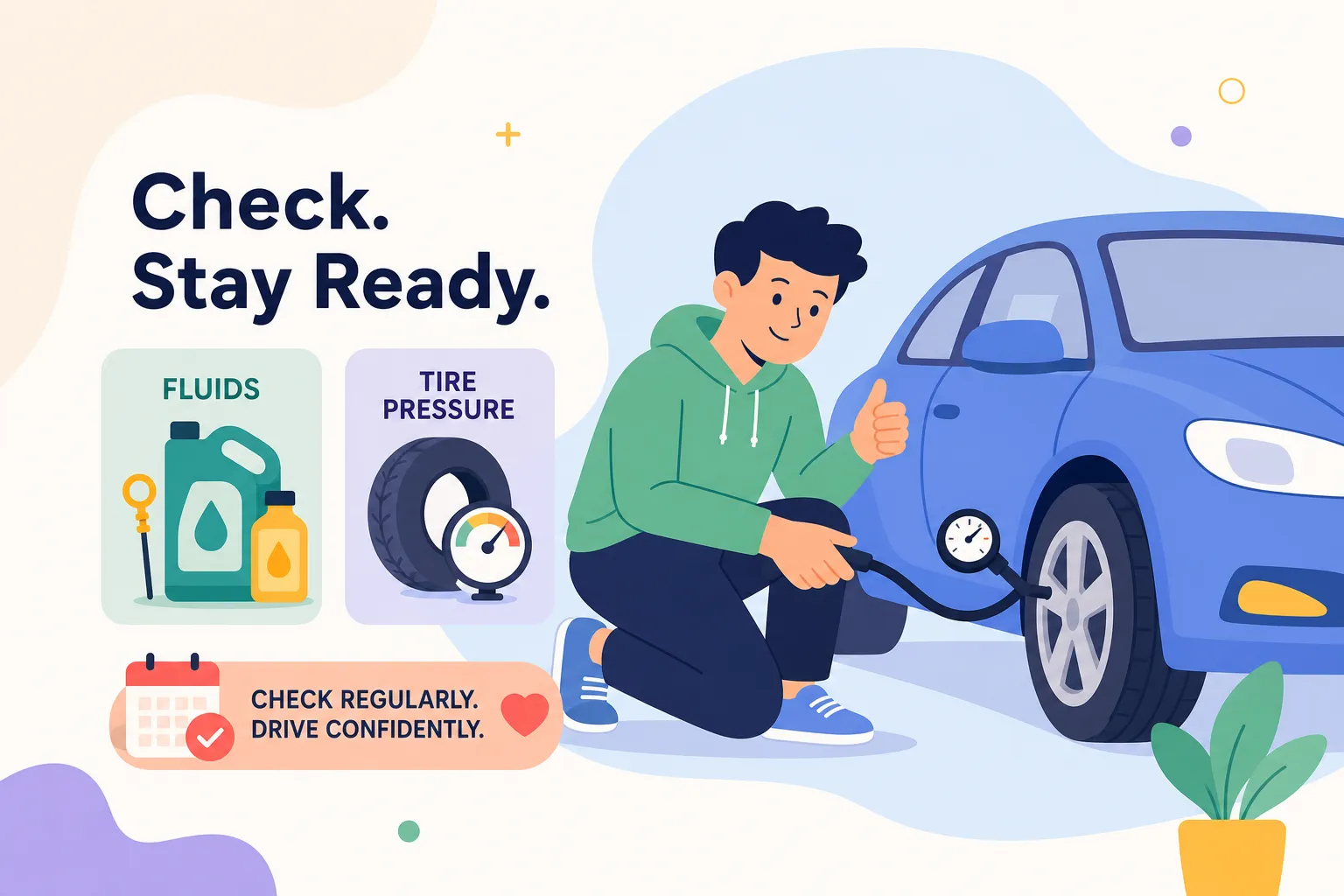
Most drivers should check tire pressure at least once a month and before any long trip. Checking monthly catches slow leaks, gradual air loss, and pressure changes from temperature shifts. You should also check when the car has been parked for several days, after hitting a curb or pothole, or if the tire looks low. These simple checks reduce wear, improve fuel economy, and boost safety on the road.
Why regular tire pressure checks matter
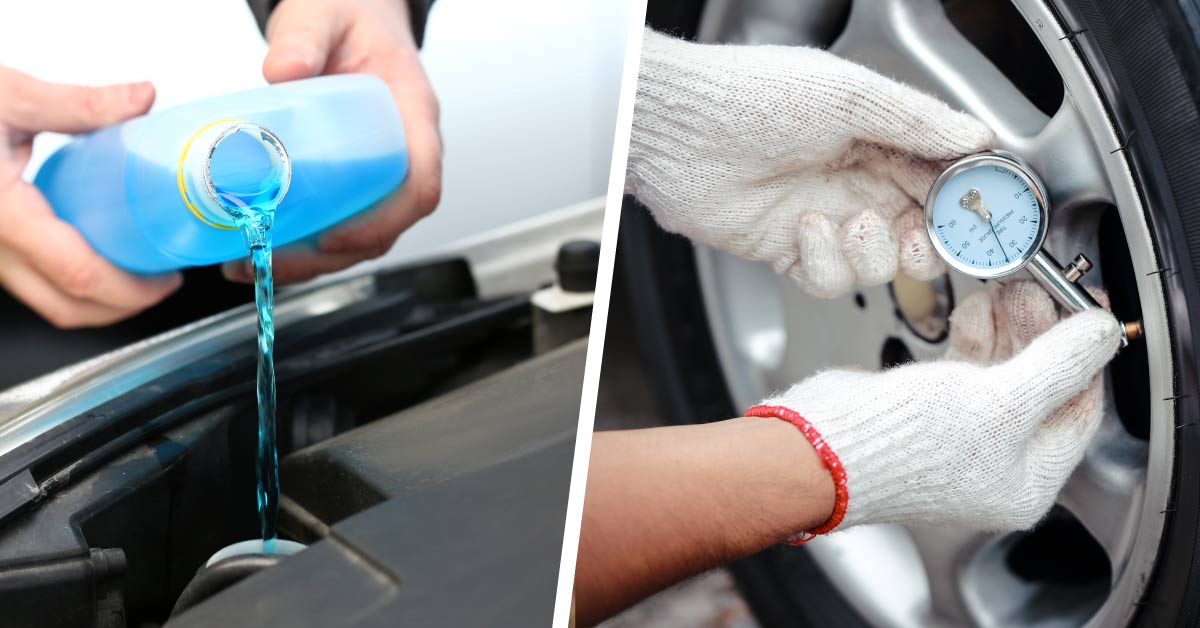
Proper pressure improves traction, braking, and handling. Underinflated tires wear faster on the edges and can overheat, increasing the risk of a blowout. Overinflated tires wear in the center and reduce road contact, hurting grip and comfort. Regular checks protect tire life, save fuel, and reduce chances of roadside emergencies.
What affects tire pressure and when to check
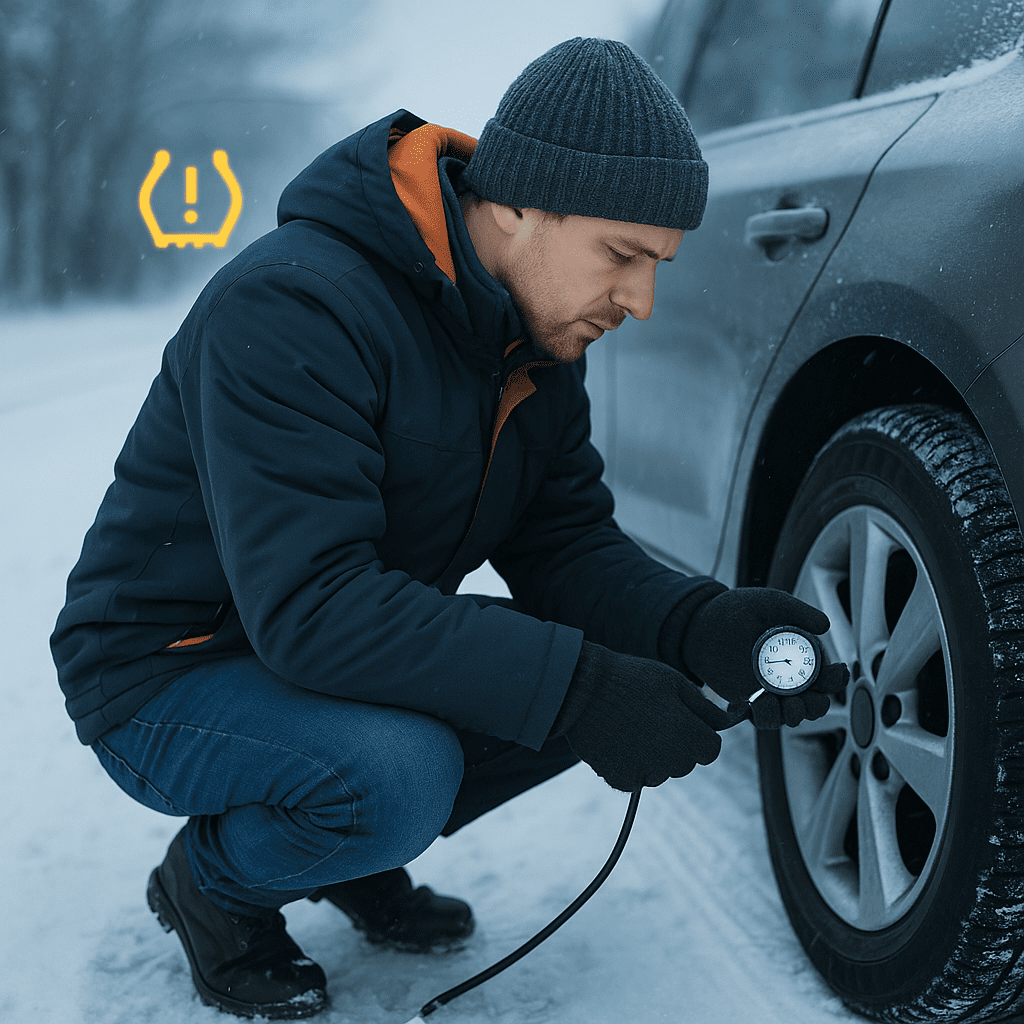
Temperature changes, slow leaks, load, and driving style all affect pressure. Cold weather drops tire pressure roughly 1–2 psi for every 10°F decrease. Hitting potholes can damage sidewalls or valves and cause sudden loss. Because of these factors, check tire pressure monthly, after big temperature swings, and before trips that add weight to the vehicle.
How to check tire pressure: step-by-step
Follow this simple routine to measure and set pressure right.
- Check the manufacturer’s recommended psi on the driver’s door jamb or owner’s manual. Use that number, not the max printed on the tire.
- Use a reliable tire gauge. Digital or quality stick gauges give consistent readings.
- Measure when tires are cold, ideally after the car has been parked for at least three hours. Cold readings are most accurate.
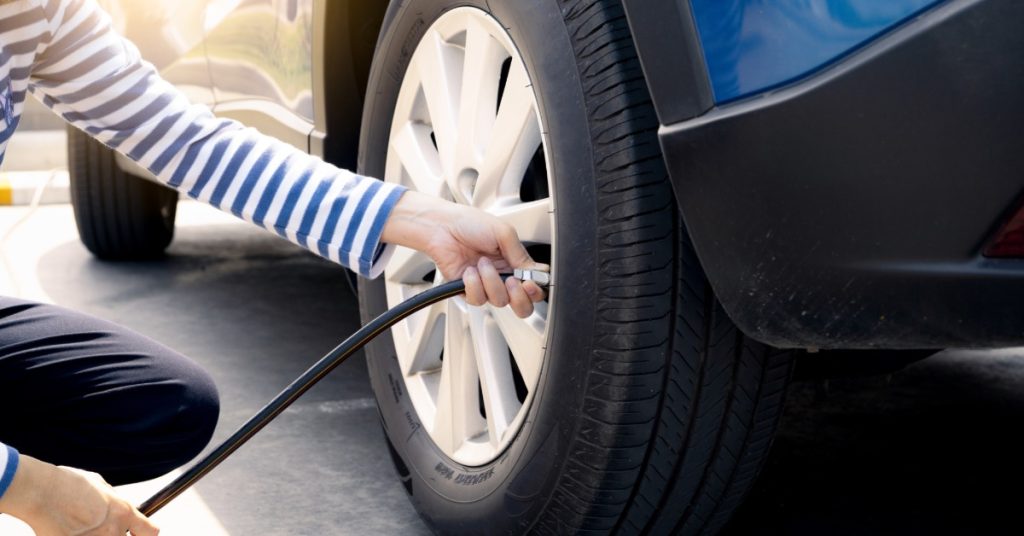
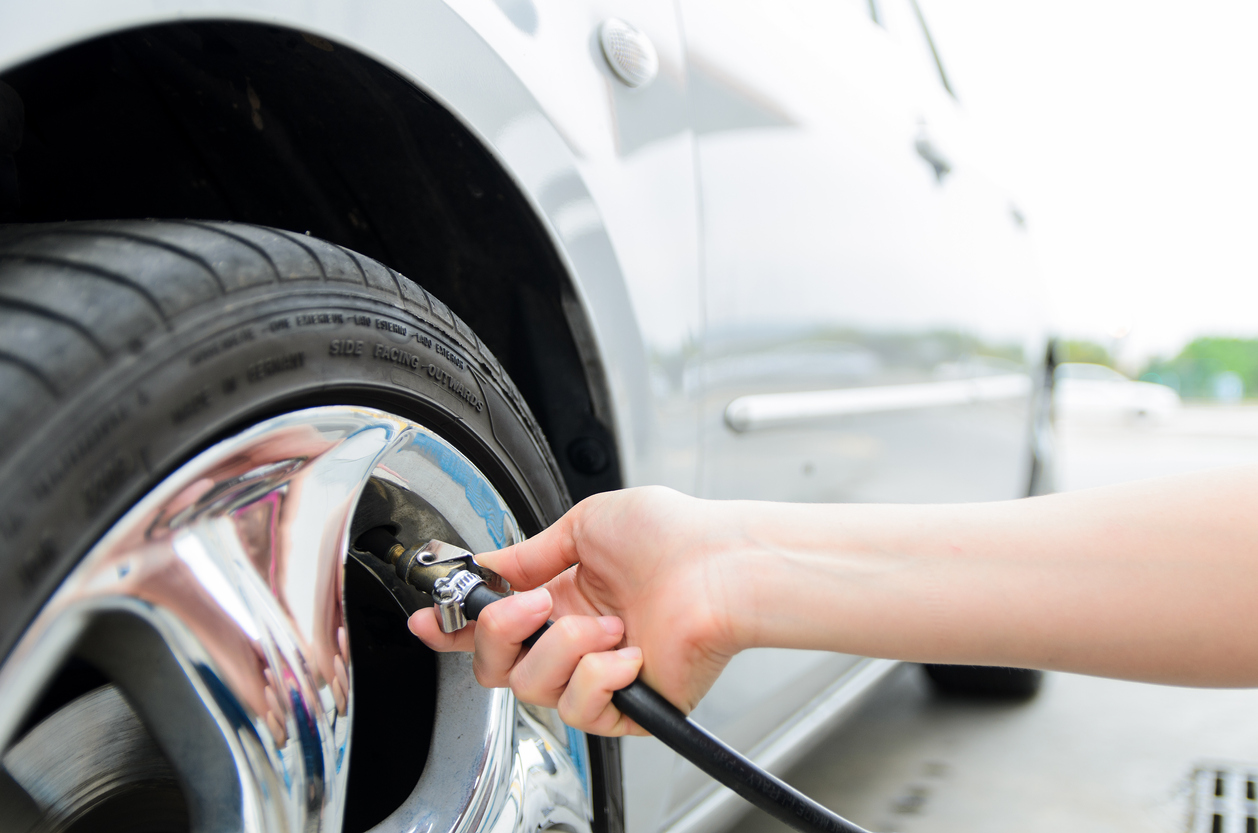
- Add air if pressure is below spec. Let out air if it’s above spec. Recheck each tire after adjustments.
- Don’t forget the spare tire. Inspect and inflate it the same way.
These steps make the process fast and reliable. I usually spend 10 minutes monthly checking all four tires and the spare.

Seasonal tips and special situations
Cold months need extra attention because psi drops in lower temperatures. Summer heat can increase pressure slightly and hide slow leaks until they become problems. After long highway trips or heavy towing, recheck pressures as tires heat up and cool down. If you store a vehicle for weeks, check tires before driving again.
Signs your tires need checking now
Look for these signs and check tire pressure immediately.
- Tires that look visibly low or squash at the ground.
- A pull to one side, loose steering, or odd vibrations.
- A drop in fuel economy without other causes.
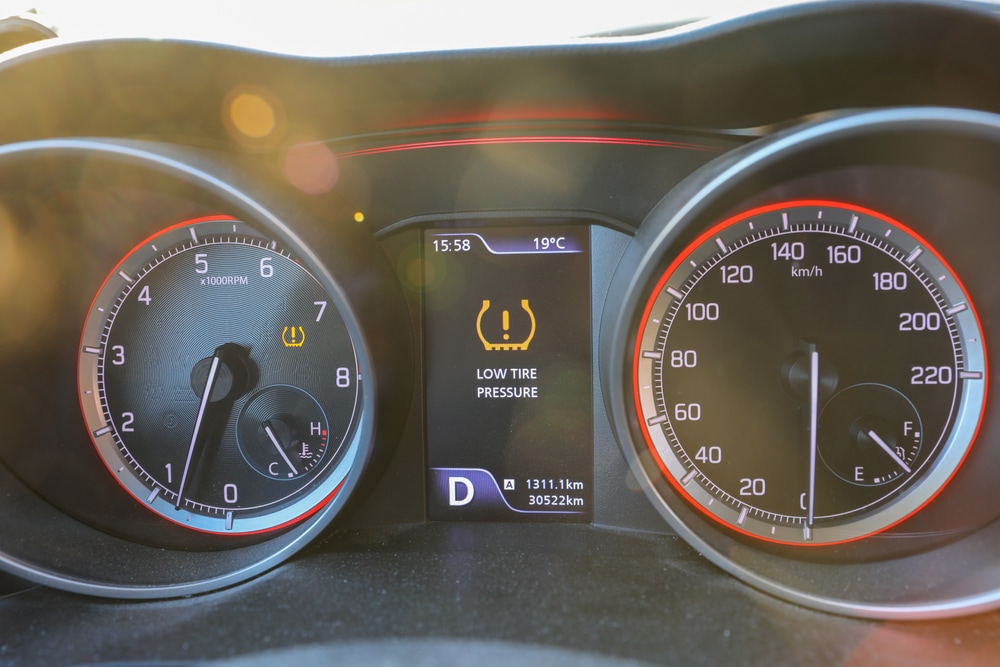
- Dashboard low-pressure warning light. Even if one tire is low, the system may only alert you when pressure is quite low.
Catching these early avoids faster damage and keeps you safe on the road.

Personal experience: lessons from the road
Once I ignored a slow leak and drove two months before noticing the worn edge. The tire needed early replacement and I paid more than I would have for a quick repair. Now I check monthly and before long trips. A gauge in my glovebox and a routine every first weekend of the month saved me money and stress.
Tools, costs, and maintenance
A decent tire pressure gauge costs under $20. Portable air compressors for topping off tires run from $30 to $100. Many gas stations offer free air, but a personal gauge and small pump mean you’re never stranded. Regularly inspect valve caps, wheel condition, and tread depth. Simple investments reduce long-term costs and improve safety.
Common mistakes to avoid
Avoid these frequent errors.
- Relying on visual checks only; tires can look fine but be underinflated.
- Using the tire sidewall max psi instead of the vehicle’s recommended psi.
- Checking pressure when tires are hot and adjusting to cold psi targets; this gives wrong settings.
- Skipping the spare tire altogether.
Correcting these mistakes leads to safer driving and longer tire life.
Quick answers built into practice
How often should you check car tire pressure for best fuel economy? Check monthly and before trips; proper inflation returns noticeable fuel savings within weeks.
How often should you check car tire pressure during winter? Check more often—every two weeks or after significant cold snaps—because pressure falls with temperature drops.
How often should you check car tire pressure if you tow or carry heavy loads? Check before and after each heavy load or towing trip and monitor more frequently while running heavy loads.
Frequently Asked Questions of how often should you check car tire pressure
How often should you check car tire pressure if my car has TPMS (tire pressure monitoring system)?
TPMS helps but doesn’t replace manual checks. Sensors alert only when pressure is significantly low, so check monthly to catch gradual losses and confirm sensor accuracy.
Will tire pressure change overnight?
Yes. Temperature drops at night can lower tire pressure by about 1–2 psi per 10°F decrease. That’s why monthly checks and cold readings are helpful.
Can I check tire pressure at a gas station air pump?
Yes, but bring your own gauge to verify readings. Station gauges can be inaccurate; using your own ensures reliable measurements.
Does tire pressure affect tire lifespan?
Absolutely. Underinflation and overinflation both cause uneven wear and reduce tire life. Keeping the recommended psi maximizes mileage from each tire.
Is checking tire pressure difficult?
Not at all. It takes 5–10 minutes with a small gauge and compressor. Making it a monthly habit prevents bigger problems later.
Conclusion
Regular tire pressure checks are a small habit that delivers big safety and savings. Check monthly, before long trips, during big temperature changes, and after impacts. Keep a quality gauge and a small pump handy, and don’t ignore dashboard warnings. Take action today: check your tires, set the correct psi, and keep your ride safer and more efficient. If you found this helpful, subscribe for more practical car-care tips or leave a comment with your own tire-check routine.