Most remote starts fail due to dead batteries, weak signals, or simple programming issues.
I’ve spent years fixing cars and troubleshooting vehicle electronics, so I know how frustrating it is when your remote start not working. This guide breaks down why a remote start not working, how to diagnose it step by step, fixes you can try at home, when to call a pro, and real-world tips that save time and money. Read on to get the clear, practical help you need to get your remote start working again.

Why your remote start not working: common causes and quick checks
A remote start not working can come from many sources. The most common are weak remote batteries, vehicle sensor states that prevent start, faulty key fob programming, or wiring and antenna issues in the remote start module. Modern cars also block remote start if doors are open, the hood is up, or safety sensors detect a problem.
Key quick checks you can do now:
- Check the key fob battery and swap it with a fresh one.
- Ensure doors, hood, and trunk are fully closed and locked.
- Verify the vehicle’s battery has adequate charge.
- Try starting again from very close range to rule out range issues.
Knowing these simple causes helps you narrow down why your remote start not working. Small fixes often restore function fast. After these checks, move to more detailed troubleshooting below.
How to diagnose a remote start not working: step-by-step
Follow this clear test path to find the root cause. Keep notes so you can tell a technician exactly what you tried.
- Visual and basic checks
- Make sure the car is in park and the brake is off.
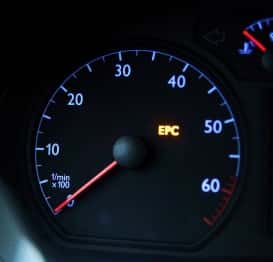
- Check dash lights for warning symbols.
- Try the physical key to start the car to confirm the main battery and starter work.
- Remote and fob checks
- Replace the fob battery. Even new-looking batteries can be weak.
- Try a spare remote if available.
- Inspect the fob for water damage or a stuck button.
- Vehicle state checks
- Ensure hood latch sensor is closed. A hood open state often blocks remote start.
- Confirm doors and trunk are fully latched and locked.
- Check the parking brake position if your car requires it to be off.
- Module and wiring checks
- Look for loose wires under the dash near the remote start module.
- Listen for a relay click when you press remote start. No click can mean no signal or power.
- Check fuses related to the remote start and ignition.
- Error codes and scan tool
- Use an OBD2 scanner to read stored codes. Some cars log remote start lockouts.
- Note any codes and messages. This helps techs locate sensor or immobilizer problems.
These steps target most causes of a remote start not working. If you find a mechanical fault or an electrical problem you’re not comfortable fixing, stop and get a pro involved.

Common fixes and DIY solutions when remote start not working
Many remote start issues are fixable without special tools. Try these solutions before spending on diagnostics.
- Swap the key fob battery
Replace with a fresh, correct-size CR2032 or recommended battery. Test range after replacement. - Reprogram or sync the remote
Some vehicles need the remote resynced after battery change. Follow the owner’s manual steps or key-fob pairing sequence. - Fix simple sensor issues
Close the hood and doors firmly. Latch switches can be cleaned or adjusted to restore proper contact. - Replace blown fuses
Identify and replace related fuses. Use the correct amp rating and check nearby connectors for corrosion. - Secure loose wiring
Inspect under-dash wiring. Tighten connectors and use dielectric grease to prevent future corrosion. - Reset the remote start module
Disconnect the vehicle battery for a few minutes or use the module’s reset procedure. This can clear minor faults. - Recharge or replace the vehicle battery
A weak car battery often prevents remote starts. Load test the battery and replace if capacity is low.
If these fixes don’t work, the issue may be a faulty remote start module, bad antenna, immobilizer conflict, or advanced vehicle security setting.

Troubleshooting by symptom: targeted solutions
Below are common symptoms and focused fixes to save time.
Symptom: Remote start does nothing
- Try a fresh fob battery and try again at close range.
- Check fuses and the remote start module power lead.
Symptom: Remote start clicks but engine won’t crank
- Check fuel pump and ignition circuits.
- Scan for codes indicating immobilizer or starter issues.
Symptom: Remote start works sometimes, not always
- Suspect intermittent wiring, a weak vehicle battery, or range interference.
- Reprogram the remote and test with another spare remote.
Symptom: Car shuts off after remote start
- Check hood latch and brake sensors. Many systems stop cranking if a safety input changes.
- Look for codes showing overheating, low fuel, or emissions issues that force a shutdown.
PAA-style quick questions
Why won’t my remote start work after replacing the fob battery?
Sometimes the fob needs reprogramming after battery removal. Try the pairing steps in the manual or test a spare remote.
Can extreme weather cause remote start problems?
Yes. Cold can weaken batteries in both the vehicle and the fob. Heat can affect electronics. Test batteries first.
Is my alarm or immobilizer blocking remote start?
They can. If the alarm shows faults or the immobilizer is not recognizing the key, the system may block remote start until cleared or reprogrammed.
When to call a professional and what to expect
Call a professional when:
- You find damaged wiring or suspect module failure.
- The vehicle shows immobilizer or security codes.
- You’re not comfortable probing ignition or fuel circuits.
What a shop will do:
- Run a full scan for codes tied to remote start failures.
- Test the remote start module, antenna, and relays.
- Check integration with factory security and keyless entry.
- Provide a repair estimate for parts and labor.
Typical costs vary by region and vehicle. Basic diagnostics can cost $80–$150. Module replacement and labor can range from $300 to $900, depending on make and model and whether OEM parts are used.
Preventive maintenance to avoid remote start not working
Simple care can prevent many problems that lead to remote start not working.
- Replace fob batteries yearly or once they show weak range.
- Keep the vehicle battery tested and replaced every 3–5 years as needed.
- Protect wiring and connectors from moisture with dielectric grease.
- Park where range interference is minimal when testing or using remote start.
- Schedule regular service checks that include electrical systems.
These steps reduce surprise failures and keep your remote start reliable.
My experience: real fixes and lessons learned
I once had a customer with a remote start not working intermittently during winter. We replaced the key fob battery and still had glitches. The real issue was a failing vehicle battery under load. Replacing the car battery and reprogramming the fob fixed the problem. Lesson learned: don't assume the fob is always the culprit.
Another time I found a loose antenna wire under the dash. The remote worked at the door but not at distance. Securing the connector solved it. The takeaway is that simple wiring checks can save you time and money.
Related technologies, limitations, and future trends
Remote start systems tie into keyless entry, telematics, alarm systems, and factory-installed modules. Limitations include:
- Range limits set by the system and environment.
- Interference from nearby radio signals.
- Integration issues with modern push-button start and immobilizer systems.
Trends to watch:
- Smartphone-based remote start apps that use cellular networks to bypass range issues.
- Factory telematics that integrate with vehicle systems more securely.
- Improved encryption and anti-theft measures that can change how aftermarket remote starts are installed.
These shifts mean remote start not working can sometimes stem from evolving tech and updated security rules.
Frequently Asked Questions of remote start not working
Why does my remote start not working only sometimes?
Intermittent remote start issues often point to weak batteries, loose wiring, or range interference. Test batteries and wiring first, then scan for intermittent codes.
How long should a key fob battery last before remote start not working?
Key fob batteries typically last 1–3 years depending on use and temperature. Replace yearly if you notice reduced range or delayed responses.
Can a vehicle software update cause remote start not working?
Yes. A software update from the dealer can change settings or reset integrations that affect aftermarket remote starts. Reprogramming or dealer assistance may be needed.
Is it safe to jump-start the car if the remote start not working?
Yes, jump-starting is safe for low battery issues, but follow proper steps to avoid damage to electronics. After jump-starting, test the remote start and scan for codes.
Will aftermarket remote start void my car warranty if it’s not working?
A properly installed aftermarket remote start should not void warranties related to other components. Improper installation that damages components could affect warranty coverage, so use certified installers.
Conclusion
Remote start not working is usually fixable with simple checks, clear diagnostics, and the right help. Start with fresh key fob batteries, make sure the vehicle is in the right state to remote start, and check fuses and wiring. If you hit limits, get a professional scan and estimate. Small steps save time and money, and knowing what to try first helps you make better decisions.
Take action now: test the fob battery, check hood and doors, and try the step-by-step guide above. If you still need help, leave a comment below or book a diagnostic with a trusted technician to get your remote start back to reliable use.