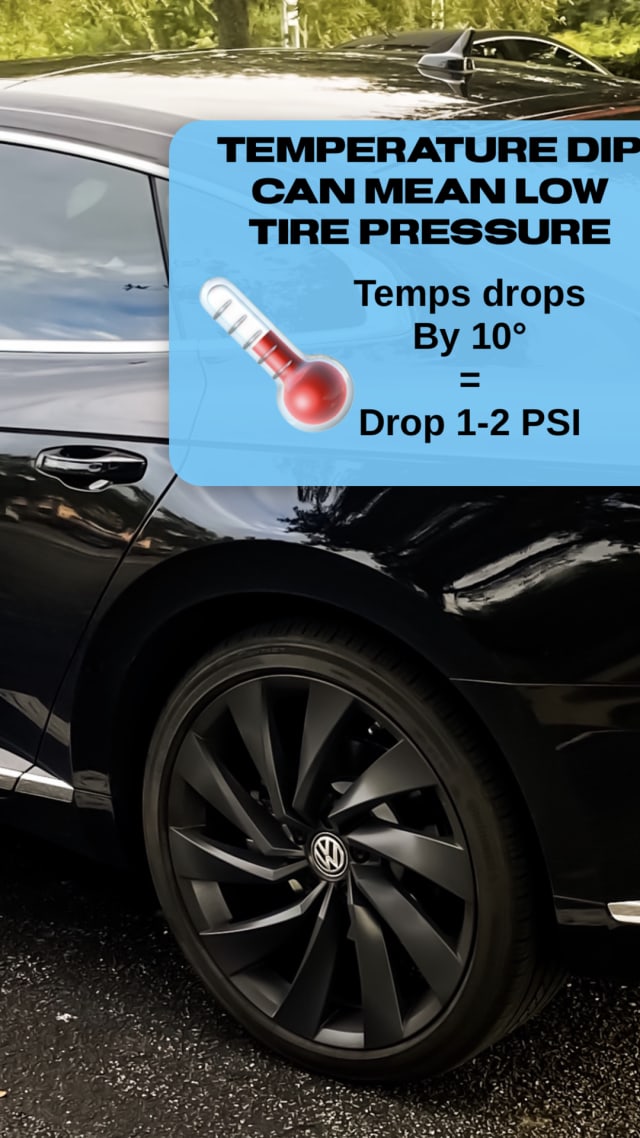
Tire pressure changes roughly 1 psi for every 10°F drop or rise in air temperature.
I’ve measured and modeled how much does car tire pressure change with temperature for years, and I’ll walk you through clear numbers, simple math, and practical steps you can use today. This guide explains the physics, gives easy rules of thumb, shows real-world examples, and shares tips from hands-on experience so you always know how temperature affects your tires and what to do about it.
How temperature affects tire pressure
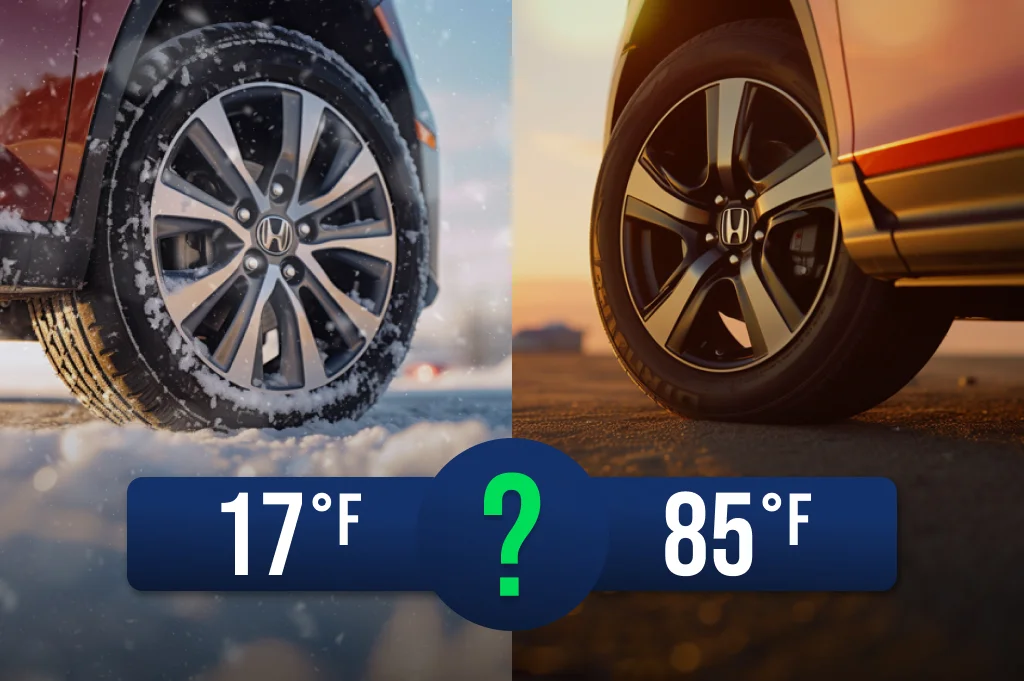
Air inside a tire follows basic gas laws. When temperature drops, the air contracts and pressure falls. When temperature rises, the air expands and pressure increases.
A common rule of thumb is that tire pressure changes about 1 psi for every 10°F change in ambient temperature. That rule is easy to use when asking how much does car tire pressure change with temperature and works well for most passenger vehicles. For more precise answers, you can use the ideal gas relation, but the 1 psi per 10°F rule is quick and reliable for everyday checks.
Rule of thumb and simple math
Use this quick math to check changes:
- Start with a cold tire reading in psi.
- For each 10°F increase, add about 1 psi.
- For each 10°F decrease, subtract about 1 psi.
Example: You set your tires to 35 psi at 70°F. If the temperature drops to 30°F (a 40°F drop), expect about a 4 psi loss, so your tires will read near 31 psi. If you prefer the physics route, use P2 = P1 × (T2/T1) with temperatures in Kelvin. That gives nearly the same result but takes slightly more work. These methods answer how much does car tire pressure change with temperature in clear, usable terms.

Real-world seasonal and daily impacts
Seasonal swings matter. A 30–50°F difference between summer and winter can change tire pressure by 3–5 psi. Daily swings can also matter: cold nights and warm afternoons will cause small pressure shifts that add up over time.
Here are common scenarios:
- Cold morning after a snowy night — expect lower psi and possible TPMS warnings.
- Hot sunny afternoon — pressure may rise after driving and warm air expands.
- Garage vs outside — moving a car from a warm garage to cold outdoors can drop pressure quickly. Knowing how much does car tire pressure change with temperature helps you avoid underinflation or overinflation during seasonal changes.
Factors that affect how much pressure changes
Temperature is key, but other things change outcomes too. Tire volume, construction, and load all affect how pressure responds. TPMS sensors give alerts, but they report pressure, not temperature, so interpretation is still up to you.
Other important factors:
- Tire size and volume — larger volume tires show smaller psi change for the same temperature shift.
- Tire construction — stiffer sidewalls can slightly alter measured pressure differences.
- Vehicle load — heavy loads raise baseline pressure and change how a temperature swing feels.
Knowing these helps answer how much does car tire pressure change with temperature in real driving conditions.

style=”max-width: 100%; height: auto; border: 2px solid black; border-radius: 10px; display: block; margin: 0 auto;”
loading=”lazy”
/>
How to check and maintain correct tire pressure
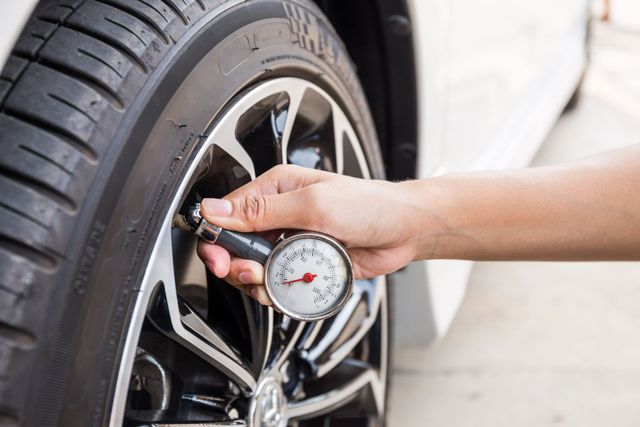
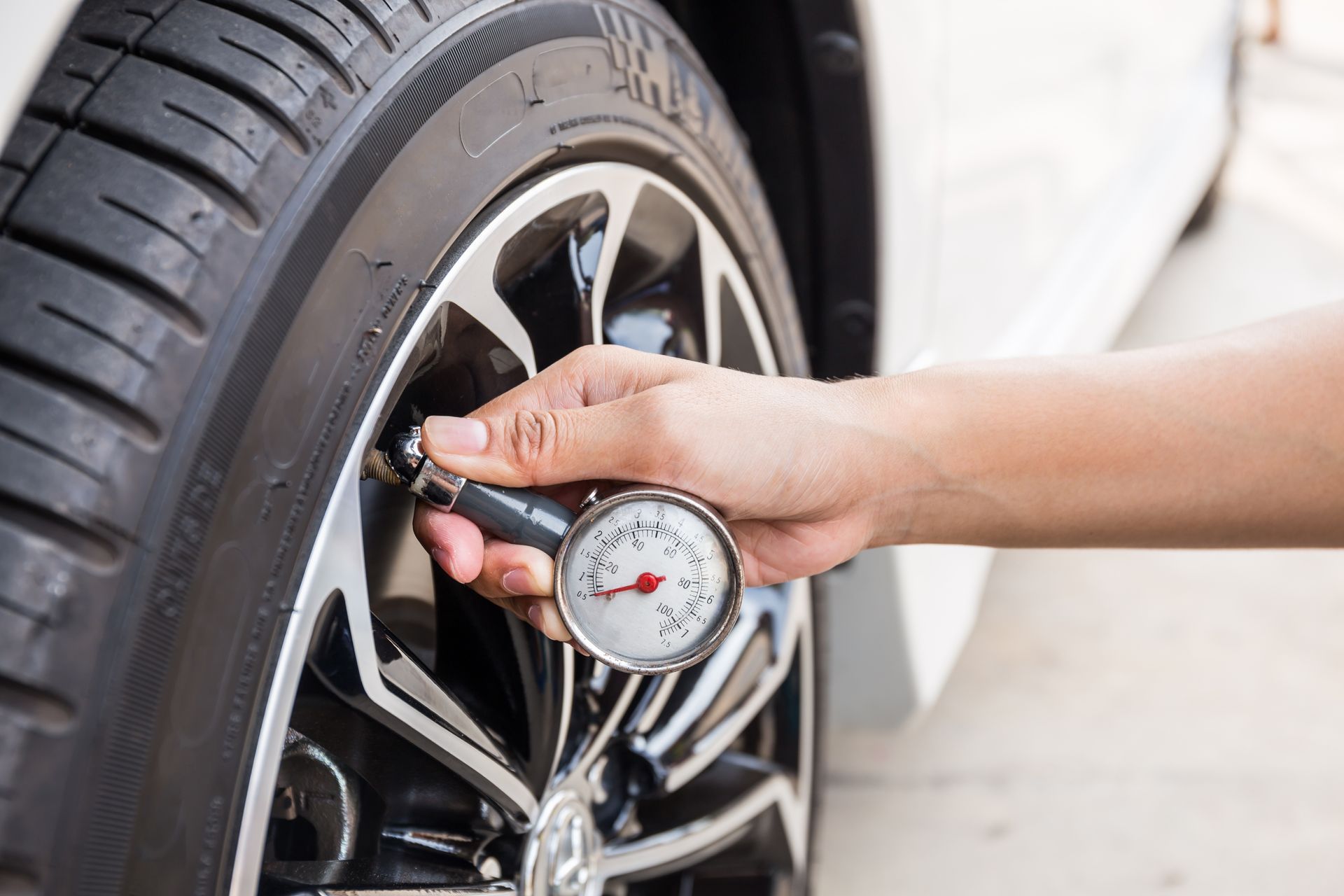
Check tires when they are cold for a consistent baseline. “Cold” means the car hasn’t been driven for at least three hours or driven less than a mile at low speed. Use a reliable pressure gauge and adjust to the manufacturer’s recommended psi found on the driver door jamb or owner’s manual.
Practical steps:
- Check monthly and before long trips.
- Measure cold tires and record readings.
- Add or release air in small amounts and recheck.
- Remember that a 5–10°F forecast change means about 0.5–1 psi difference, so plan seasonal adjustments. These actions reduce surprises and answer how much does car tire pressure change with temperature in daily care.

Personal experience, common mistakes, and tips
From years of road trips and shop work I learned a few things. I once ignored a 20°F drop and drove with 4 psi underinflation; the ride felt sluggish and fuel economy worsened. After adjusting for seasonal temps I saw smoother handling and better tire wear.
Lessons I share:
- Don’t trust TPMS alone; it often triggers only after a larger drop.
- Avoid filling tires hot after a long drive if you want to set recommended cold pressure.
- Keep a small portable gauge and an inflator in the trunk. These simple habits answer how much does car tire pressure change with temperature by preventing problems before they start.
Frequently Asked Questions of how much does car tire pressure change with temperature
How much does car tire pressure change with temperature per 10°F?
Tire pressure changes about 1 psi for every 10°F (about 0.7 kPa per °C). This is a reliable rule of thumb for passenger cars under normal conditions.
Should I add or remove air in summer versus winter?
Add a little air in winter and check often, because cold lowers pressure. In summer, check for overinflation after long drives and adjust when tires are cold.
Does driving heat affect tire pressure more than air temperature?
Driving heats the tire and inner air, which raises pressure more than ambient air alone. For consistent adjustments, always set pressure when tires are cold.
Can altitude changes affect tire pressure?
Yes. Rapid altitude gains change the surrounding air pressure but affect tire load and feel more than the psi reading. The rule of thumb for temperature still applies for thermal effects.
How often should I check tire pressure with temperature swings?
Check once a month and any time temperatures change significantly (10–20°F). Also check before long trips or when you notice handling changes.
Conclusion
Temperature changes move tire pressure in predictable ways—about 1 psi per 10°F—so small weather shifts can meaningfully change your tire pressure over days and seasons. Use the simple rule of thumb, check tires cold, and keep a gauge handy to make safe adjustments. Start a quick monthly check habit today, and you’ll save on fuel, improve safety, and get longer tire life. Leave a comment with your tire pressure stories or questions, or subscribe for more practical car care guides.