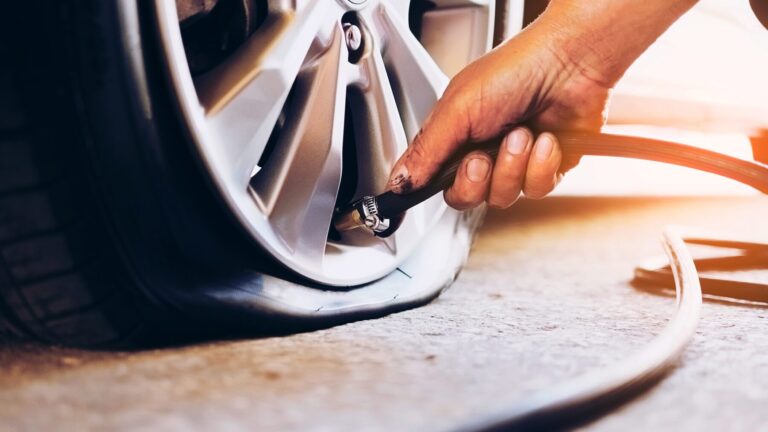
Most 20-inch car tires should be inflated to about 30–35 PSI, depending on your vehicle.
I’ve worked on cars and driven many models with 20-inch wheels, so I know how important the right pressure is. This article explains exactly how much psi should a 20 inch car tire have, why the number varies, and how to check and set tire pressure like a pro. Read on for clear guidance, practical tips, and real-world mistakes to avoid so you can drive safer and save fuel.

Recommended PSI for 20-inch Car Tires
The short answer to how much psi should a 20 inch car tire have is usually 30–35 PSI for many passenger cars and SUVs, but the exact number depends on your vehicle. Always check the sticker inside the driver’s door jamb or the owner’s manual first. That placard lists the manufacturer’s recommended cold tire pressure for front and rear tires and any differences for loaded or towing conditions.
Examples of common recommended pressures:
- Small or compact cars with 20-inch wheels: 30–32 PSI.
- Mid-size sedans and crossovers: 32–35 PSI.
- Larger SUVs and lightly loaded vehicles: 35–38 PSI.
If you can’t find the placard, use the tire sidewall only as a last resort for the maximum PSI, not the recommended PSI. The sidewall shows the maximum safe inflation, not the ideal driving pressure. Follow the vehicle’s recommended pressure, not the tire’s max.

Why tire pressure matters
Proper pressure affects safety, fuel use, ride comfort, and tire life. Underinflated tires wear more on the edges, overheat, and increase rolling resistance. Overinflated tires wear in the center, reduce traction, and give a harsher ride. The right pressure keeps the contact patch balanced for grip and even wear.
You’ll also notice fuel economy changes. Each 1–2 PSI below recommended can lower MPG slightly. Handling and braking are directly tied to pressure, so keeping the correct psi is a real safety measure. That’s why asking how much psi should a 20 inch car tire have matters beyond a single number.

How to check and adjust tire pressure
Check tire pressure when tires are cold; that means the car has been parked at least three hours or driven less than one mile. Use a reliable digital or high-quality analog gauge. Don’t rely on random service stations with unchecked gauges.
Steps to check and set pressure:
- Remove valve cap and press gauge firmly to get a reading.
- Compare to the vehicle placard recommended PSI, not the sidewall max.
- If low, add air in short bursts and recheck until you reach the target.
- If high, release air by pressing the valve stem and recheck.
After adding air, re-tighten the valve cap to keep dirt out. Check pressures monthly and before long trips or heavy loads. Proper tools and a steady habit keep your tires safer and last longer.

Factors that affect the ideal PSI for 20-inch tires
Several things change the answer to how much psi should a 20 inch car tire have. Here are the main ones.
Temperature
- Air pressure drops about 1 PSI for every 10°F drop. Check pressures more often in cold seasons.
Load and passengers
- Heavier loads and towing call for higher pressures within the manufacturer’s recommended range.
Tire type and profile
- Low-profile 20-inch tires behave differently than taller tires. Performance tires may need slightly different settings.
Wheel and suspension setup
- Stiffer suspensions and larger wheels can make overinflation feel worse, so follow vehicle guidance, not guesswork.
Altitude and long drives
- Long highway trips with heavy cargo may need slight pressure increases for stability. Check the manual for guidance.

Signs your 20-inch tires are not at the right PSI
Watch for these quick signs that your tires need attention. They point to whether your current pressure is off.
Common signs:
- Uneven wear: edge wear suggests low pressure; center wear suggests high pressure.
- Poor fuel economy: sudden drop in MPG can indicate low pressure.
- Pulling or wandering: steering pull may come from uneven pressures.
- Harsh ride: consistently bumpy feel suggests overinflation.
If you see any of these signs, check pressure immediately. Fixing PSI is often a cheap, fast way to solve handling and wear issues.
My personal experience and practical tips
I once drove a week with 20-inch tires underinflated by 6 PSI. The car felt sluggish, my MPG dropped, and the outer tread showed extra wear. After inflating to recommended pressure, steering felt sharper and the ride improved. That taught me to check pressure every two weeks.
Practical tips I use and recommend:
- Keep a small digital gauge in the glove box for quick checks.
- Inflate to the vehicle placard number, not the tire max.
- Recheck pressure after filling with public station air; gauges there can be off.
- If you carry cargo often, make a note of adjusted pressures for loaded trips.
These small habits save money and reduce worry on the road.

Maintenance schedule and best practices
A simple routine keeps 20-inch tires healthy and safe. Follow these steps on a schedule.
Routine actions:
- Check tire pressure monthly and before long trips.
- Inspect tires visually each week for cuts, bulges, and uneven wear.
- Rotate tires every 5,000–7,000 miles to promote even wear.
- Balance and align wheels if you notice vibration or rapid wear.
Record pressure readings and note seasonal changes. Consistent checks help you avoid larger repairs and extend tire life.
Frequently Asked Questions of how much psi should a 20 inch car tire have
What is the standard PSI for 20-inch tires on sedans?
Most sedans with 20-inch wheels recommend about 30–35 PSI, but always use the vehicle’s door placard for the exact number. The manufacturer’s recommendation is tailored for weight and handling.
Can I use the tire sidewall number as the recommended PSI?
No. The sidewall shows the tire’s maximum safe pressure, not the recommended driving pressure. Use the vehicle placard or owner’s manual instead.
How often should I check how much psi should a 20 inch car tire have?
Check tire pressure at least once a month and before long trips or heavy loads. Temperature swings mean you may need extra checks in winter.
Will higher PSI improve my fuel economy?
Slightly higher PSI can reduce rolling resistance and improve MPG, but overinflation hurts handling and tire life. Stay within the vehicle’s recommended range for the best balance.
What happens if I drive with 20-inch tires 10 PSI low?
Driving 10 PSI low increases heat, causes uneven wear, and raises the risk of a blowout. It also lowers fuel economy and harms handling, so fix it before a long drive.
Conclusion
Getting the right answer to how much psi should a 20 inch car tire have starts with your vehicle’s door placard and habit. Most 20-inch tires fall in the 30–35 PSI range, but load, temperature, and tire type change the ideal setting. Check pressures monthly, use a good gauge, and follow simple maintenance for safer driving, better fuel economy, and longer tire life. Try a quick pressure check today, and share your experience or questions below — I’d love to help.