Most passenger cars need about 2.2 to 2.5 bar in tires for normal driving.
I’ve spent years working on cars and helping friends with tire checks, so I know exactly how much bar in car tire matters for safety, economy, and comfort. This guide explains recommended bar levels, conversions to psi, how to measure and adjust pressure, and practical tips from real-world experience so you can drive with confidence.

What is "bar" and why tire pressure matters
Bar is a unit of pressure. One bar equals 100,000 pascals or about 14.504 psi. Tire pressure in bar tells you how much air is inside the tire. Correct pressure keeps the tire shape stable. That improves grip, wear, fuel economy, and handling.
Why knowing how much bar in car tire matters:
- Safety: Correct pressure reduces the risk of a blowout.
- Economy: Proper pressure improves fuel efficiency.
- Longevity: Tires wear evenly when inflated correctly.
Typical car tire pressures in bar
Most passenger cars use a recommended range printed on the driver door placard or in the owner’s manual. Typical values:
- Small cars and sedans: 2.0 to 2.4 bar.
- Mid-size cars: 2.2 to 2.6 bar.
- SUVs and light trucks: 2.4 to 2.8 bar.
- Fully loaded or towing: add about 0.2 to 0.4 bar above the factory recommendation.
When drivers ask how much bar in car tire for a typical sedan, answer with the exact placard value. If you can’t find it, 2.2 bar (32 psi) is a safe starting point for many cars.

How to check and adjust tire pressure (step-by-step)
Checking pressure is simple. Do this when tires are cold for accurate readings.
- Gather a reliable tire gauge and an air pump.
- Park on level ground and wait at least three hours after driving.
- Remove valve caps and press the gauge onto the valve stem.
- Note the reading in bar or psi. Convert if needed.
- Add or release air until you match the recommended pressure.
- Replace valve caps and re-check all four tires, plus the spare.
Tips when adjusting:
- Use the car’s recommended cold pressure, not the tire sidewall number.
- Recheck pressures monthly and before long trips.
Conversions and quick math
Knowing how to convert helps when gauges use different units. Key conversions:
- 1 bar = 14.5038 psi.
- 2.2 bar ≈ 31.9 psi.
- 2.5 bar ≈ 36.3 psi.
Common quick answers people want:
- How many bar is 32 psi? About 2.21 bar.
- How many bar is 35 psi? About 2.41 bar.
Keep a small conversion card or use your phone’s calculator. It saves confusion when your gauge reads psi but the car spec uses bar.

Factors that change the right pressure for you
Recommended pressure can change with conditions. Key factors:
- Temperature: Cold lowers pressure; hot raises it. Expect about 0.01 bar change per 1.8°F (1°C) change.
- Load: Carrying heavy cargo or multiple passengers calls for higher pressure.
- Speed: High-speed driving can increase tire heat and pressure; follow manufacturer guidance.
- Tire type: Run-flat or high-load tires may have different specs.
Because of these variables, always use the vehicle placard as your primary guide and adjust for load and temperature.
 underinflation and overinflation”
style=”max-width: 100%; height: auto; border: 2px solid black; border-radius: 10px; display: block; margin: 0 auto;”
loading=”lazy”
/>
Risks of underinflation and overinflation
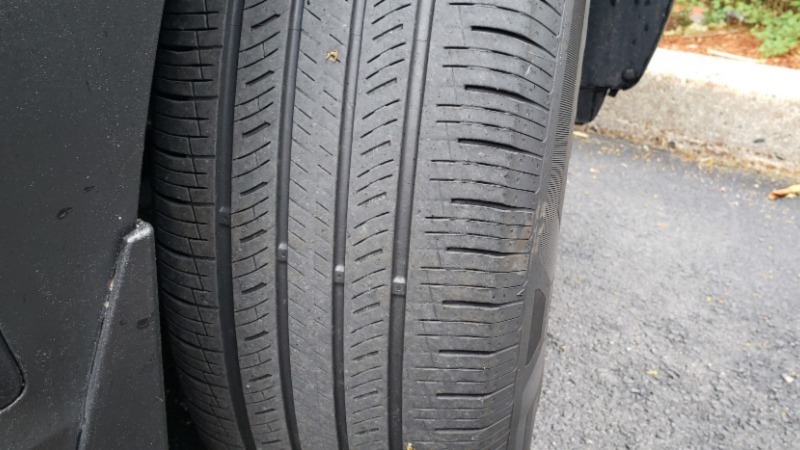
Both extremes hurt performance and safety.
- Underinflation effects:
- Increased tire flexing and heat.
- Faster wear on shoulders.
- Higher fuel consumption.
- Overinflation effects:
- Harsher ride.
- Faster center wear.
- Reduced contact patch and grip.
If you wonder how much bar in car tire is too low or too high, a good rule is to keep within the manufacturer’s range. If you must deviate, do so in small steps and recheck.

Practical examples and scenarios
Real examples help you apply numbers.
- Commuter hatchback: placard says 2.2 bar front/rear. For a full load on a highway, increase to 2.5 bar.
- Family SUV: placard lists 2.4 bar normal, 2.6 bar for heavy loads. I set 2.6 bar before a moving day and noticed steadier handling.
- Cold morning: exterior temp drops 10°C, tire pressure can fall ~0.1–0.2 bar. Recheck when the car is cold.
From experience, small adjustments make a big difference. I once drove 3,000 miles on slightly low tires and learned the hard way about uneven wear. Now I check monthly.

My tips, mistakes to avoid, and real-world advice
From years of car work, here’s what I recommend:
- Always use cold pressure values. I learned to trust the door placard after overinflating based on a hot tire gauge reading.
- Carry a reliable digital gauge. Cheap gauges vary widely.
- Inflate at a station with a built-in gauge only if you verify it with your own tool.
- Check the spare tire too. I once had a flat and the spare was underinflated.
Common mistakes:
- Using the tire sidewall number as recommended pressure.
- Checking pressure right after driving.
- Forgetting seasonal changes.
PAA-style quick answers to common conversion questions
How many bar in 30 psi? About 2.07 bar.
Is 2.0 bar low for a car? It can be low for many cars; check the placard. 2.0 bar is OK for small tires but may be underinflated for larger vehicles.
Should I add 0.2 bar for heavy loads? Yes, adding 0.2 to 0.4 bar for a full load is common practice.
Frequently Asked Questions of how much bar in car tire
What is the best bar pressure for a standard sedan?
Most sedans use about 2.2 to 2.5 bar for normal driving. Always use the exact number on the door placard when available.
How many bar is 32 psi?
32 psi is roughly 2.21 bar. Use the conversion 1 bar = 14.5038 psi for precise math.
How often should I check tire pressure in bar?
Check tire pressure at least once a month and before long trips. Also check after large temperature shifts.
Can I inflate tires at a gas station gauge that shows psi while my car lists bar?
Yes, but verify the station gauge with your own reliable gauge and convert units if needed. Many digital gauges show both units.
Will tire pressure in bar change with seasons?
Yes. Colder weather usually lowers pressure by about 0.01 bar per 1°C drop, so winter checks are important.
Is it okay to use the tire sidewall bar value?
No. The sidewall gives maximum safe inflation for the tire itself, not the vehicle’s recommended pressure. Use the vehicle placard for best results.
How much bar should I add when towing?
Add about 0.2 to 0.4 bar above the normal recommendation when towing, but follow the vehicle manual for exact values.
Conclusion
Keeping the correct bar in car tire is simple and impactful. Use the vehicle placard, check pressure monthly, and adjust for load and temperature to stay safe and save fuel. Start today by checking your tires with a trusted gauge. Share your experience, subscribe for more car care tips, or leave a comment about challenges you’ve had with tire pressure.