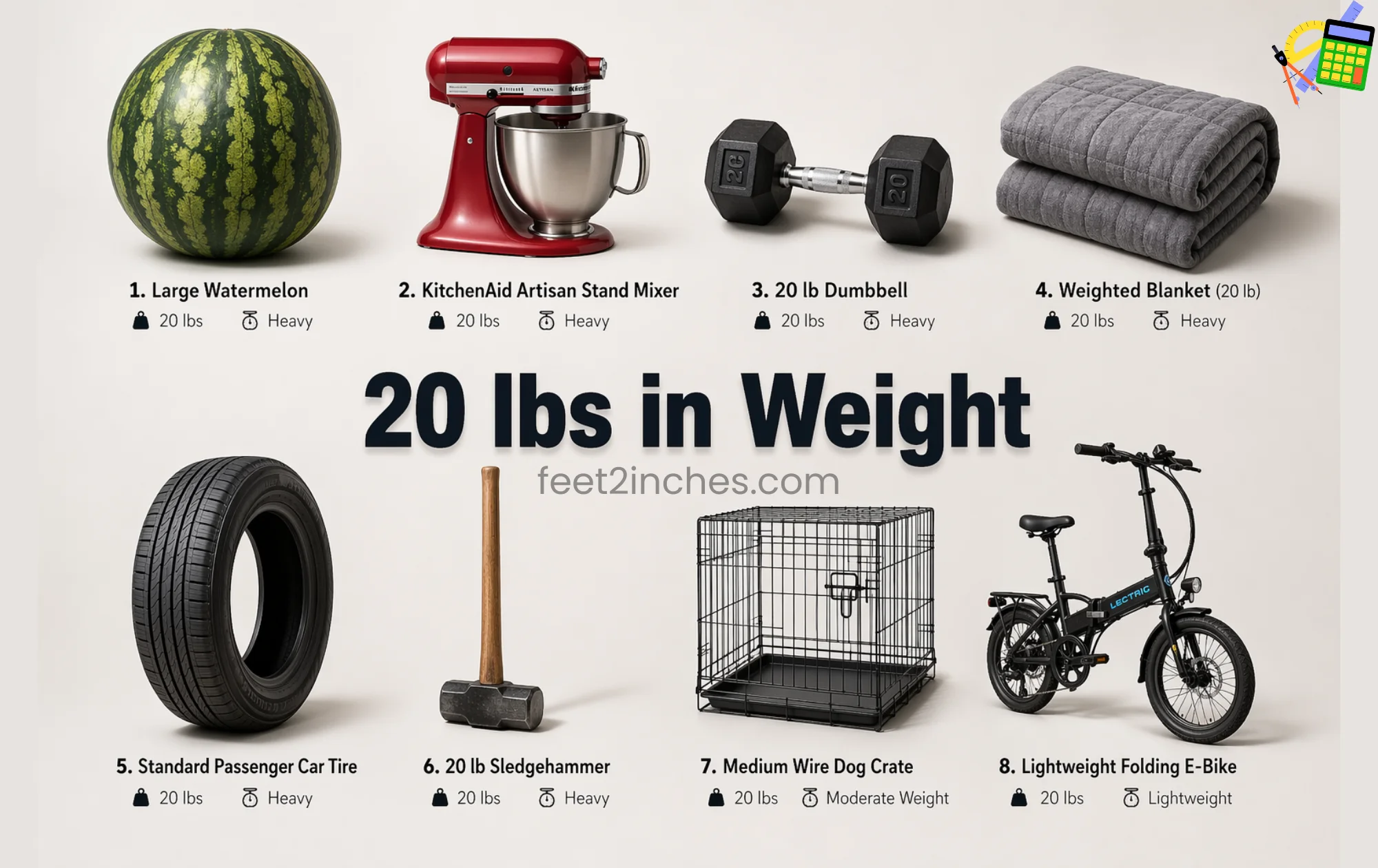
A typical passenger car tire weighs about 20 to 30 pounds, depending on size and construction.
I’ve spent years working with tires in shops and on DIY projects, so I know what questions pop up first: how much does a passenger car tire weigh, why that matters, and how to check it yourself. This guide explains real weight ranges, what affects tire weight, how weight changes performance and fuel use, and practical ways to weigh and choose tires. Read on for clear, hands-on advice you can use today.
)
What determines how much a passenger car tire weigh
Tire weight comes from rubber, steel, fabric, and design. Bigger tires use more rubber and often more steel. Performance tires add layers for grip and stability, which raise weight.
Key factors that change tire weight
- Tire size: wider and taller tires weigh more.
- Construction: radial, bias, and run-flat designs have different layers.
- Load rating and sidewall: heavier-duty tires use stronger materials.
- Tread pattern and compounds: deeper tread can add a few pounds.
How tire and wheel together affect numbers
- A tire on a rim is called a mounted wheel. That can double the weight you handle.
- When asking how much does a passenger car tire weigh, be clear if you mean tire alone or tire plus wheel.
How much does a passenger car tire weigh by size? (PAA-style)
Typical small car tires weigh about 18 to 22 pounds, while larger passenger tires run 24 to 30 pounds. Exact weight varies by model and construction.
Do low-profile or performance tires weigh less?
Not always. Low-profile tires can be lighter in rubber but often include extra reinforcement, so weight can be similar to standard tires.

Typical weight ranges by tire type
Understanding ranges helps when you shop or plan a jack and lift.
Common passenger tire ranges
- Compact sedan tires: 18 to 22 pounds each.
- Mid-size sedan tires: 20 to 26 pounds each.
- Large sedan and crossover tires: 24 to 30+ pounds each.
- Performance tires: 20 to 28 pounds depending on compounds and reinforcement.
- Run-flat tires: often 25 to 35 pounds because of reinforced sidewalls.
Notes on variation
- Weight labels are rarely printed on the tire. You must check spec sheets or weigh it.
- Tire weight can change by a few pounds between brands and tread designs.
When you ask how much does a passenger car tire weigh, aim for a range rather than a single number. Most fall between 18 and 30 pounds.
How tire weight affects performance, fuel economy, and safety
Tire weight matters. It affects acceleration, braking, and gas use.
What you gain and lose
- Heavier tires increase rotational mass. That makes acceleration and braking slightly slower.
- More weight can reduce fuel economy, often a small percent per extra 10 pounds per axle.
- Heavier tires can ride smoother and last longer if they mean stronger construction.
- Overly light tires may sacrifice comfort or longevity.
Practical perspective
- For most drivers, the fuel and performance hit from a few extra pounds per tire is small.
- If you swap to much heavier wheels and tires, expect a noticeable change.

How to weigh a tire: methods and tips
You can weigh tires at home or at a shop. Here are simple, accurate ways.
Ways to weigh a tire
- Use a bathroom scale: weigh the tire standing, or weigh wheel+ tire then subtract wheel weight if known.
- Use a shop scale: tire shops can give a quick, exact reading.
- Postal or luggage scale: okay for lighter tires, but check max capacity.
Step-by-step: bathroom scale method
- Place the scale on a flat floor.
- Stand the tire upright on the scale and record the weight.
- Rotate and repeat to confirm within a pound or two.
Tips and safety
- Remove the tire from the wheel if you want tire-only weight.
- Wear gloves and keep fingers clear of bead edges.
- If you can, weigh several tires of the same model to confirm average weight.
My experience: testing, mistakes, and tips
I’ve weighed many tires while helping friends and at shop days. Small differences matter in projects.
What I learned
- Tire labels rarely give weight, so plan to weigh before swapping full sets.
- Mistake: assuming two same-size tires from different brands weigh the same. They often don’t.
- Tip: when upgrading wheels, ask the dealer for the mounted weight. That helps you pick a jack and roof rack.
Simple checks I use
- Ask for spec sheets or weigh a spare to estimate a full set weight.
- Keep a small digital scale for quick checks on winter tires.

Buying tires: what to consider beyond weight
Weight is one factor, but not the only one. Balance your needs.
Factors to consider
- Safety ratings and load index: these protect you more than a pound saved.
- Tread life and warranty: longer life can save money even if tires weigh more.
- Ride comfort and noise: some heavier tires are quieter and smoother.
- Fuel economy: low-rolling-resistance tires can help, but check ratings.
When weight should sway your choice
- If you carry roof or hitch-mounted tires, weight matters more.
- If you track or race, rotational mass impacts lap times.

Frequently Asked Questions of how much does a passenger car tire weigh
How much does a passenger car tire weigh on average?
A passenger car tire typically weighs between 18 and 30 pounds. Exact weight depends on size and construction.
Are run-flat tires heavier than regular tires?
Yes, run-flat tires are usually heavier because they have reinforced sidewalls. Expect several extra pounds per tire.
Does tire weight affect fuel economy much?
Tire weight affects fuel economy but usually only slightly for standard passenger cars. Significant changes show up when weight differences are large.
How do I find the weight of a specific tire model?
Manufacturers or tire shops can provide weights, or you can weigh the tire on a scale. Spec sheets often list mounted weights.
Should I worry about tire weight when replacing tires?
Only if you plan to change wheel sizes, carry tires on the roof, or are focused on performance. For everyday driving, prioritize safety and fit.
Can lighter tires hurt durability?
Lighter tires sometimes use thinner layers or softer compounds that may wear faster. Check tread life and ratings to judge durability.
Conclusion
Knowing how much a passenger car tire weigh helps you make smarter choices when buying, transporting, or upgrading tires. Most passenger tires fall between 18 and 30 pounds, but size, construction, and special features can change that number. Weigh tires when exact numbers matter, and focus first on safety, fit, and performance when choosing a set. Try weighing one tire yourself or ask your tire shop for mounted weights to plan for lifts, racks, or upgrades. If this article helped, leave a comment with your tire model or subscribe for more practical car tips.