A typical passenger car tire without the rim weighs about 20 to 30 pounds.
As a tire technician with years of shop experience, I’ll walk you through how much does a car tire weigh without the rim and why that number matters. I cover typical ranges, what affects weight, how to weigh tires yourself, practical examples, and real tips I learned on the job. Read on to get clear, usable answers so you can plan lifting, shipping, or buying with confidence.

Typical weight range for car tires without the rim
Most passenger car tires without the rim weigh between 20 and 30 pounds. Light compact tires can fall near 15 pounds. Larger touring and performance tires often sit in the 25 to 35 pound band. Trucks, SUVs, and off-road tires are heavier and can weigh 40 pounds or more without the rim.
- Compact car tires: 15 to 22 pounds
- Mid-size sedan tires: 20 to 28 pounds
- Performance and crossover tires: 25 to 35 pounds
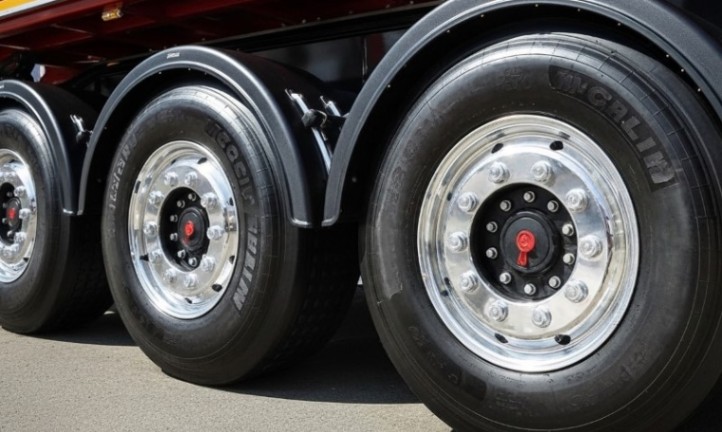
- Light truck and SUV tires: 35 to 55+ pounds
How much does a car tire weigh without the rim varies by size, construction, and intended use. I’ll break those factors down next so you can estimate more accurately.
Factors that affect how much a car tire weigh without the rim
Tire size
- Larger diameter and wider tires use more rubber and weigh more.
Tire construction
- Radial vs bias, number of plies, and extra reinforcement add weight.
Tread pattern and compound
- Heavier compounds and deep tread add grams that add up.
Intended use
- Winter tires with heavy siping, off-road tires with thick sidewalls, and run-flat tires are heavier.
Manufacturer differences
- Two tires with the same size can differ a few pounds based on materials and design choices.
How much does a car tire weigh without the rim depends on all these factors together. If you compare two 225/45R17 tires, one could be 22 pounds and the other 27 pounds.

How to weigh a tire without the rim (simple methods)
Weigh on a bathroom scale
- Zero the scale.
- Place the tire upright.
- Record the weight shown.
Weigh using a luggage scale
- Tie a strap around the tire.
- Lift and read the scale.
- This is handy for heavy truck tires.
Use the vehicle scale method
- Weigh the car with the tire mounted.
- Remove and weigh the car without that tire.
- Subtract to estimate the tire weight.
When you weigh, make sure the tire is deflated to a normal resting pressure if required by your method. How much does a car tire weigh without the rim will be clearer after you measure a sample from your set.
Examples by tire type and size
Common passenger sizes
- 195/65R15: about 18 to 24 pounds.
- 205/55R16: about 20 to 26 pounds.
- 225/45R17: about 22 to 28 pounds.
Performance and specialty tires
- Ultra-high-performance 18–20 inch tires: 25 to 35 pounds.
- Run-flat tires: add 3 to 7 pounds versus standard.
Truck and off-road tires
- Light truck 265/70R17: 45 to 60 pounds.
- Mud-terrain tires can exceed 70 pounds.
These examples show how much does a car tire weigh without the rim across common categories. Use the ranges to plan handling and shipping.

Why tire weight matters
Fuel economy and unsprung mass
- Heavier tires increase unsprung mass.
- That can slightly reduce fuel efficiency and handling responsiveness.
Shipping and handling costs
- Carriers charge by weight.
- Knowing how much does a car tire weigh without the rim helps estimate shipping costs.
Lifting and safety
- Incorrect lifting technique causes injury.
- Know tire weight to pick proper tools or ask for help.
Replacement and fitment choices
- Choosing lighter tires can improve ride feel.
- Heavier tires may last longer or offer better off-road durability.
I learned in the shop that guessing weight leads to surprises. Weigh before buying or shipping to avoid extra fees or strain.

Practical tips from experience
Inspect the tire label
- Some manufacturers print weight on spec sheets.
- Ask your dealer for the spec if you need an exact figure.
Use two-person lifts for heavy tires
- If a tire feels heavier than expected, get help.
- Back injuries are common from awkward lifts.
Store tires vertically in cool, dry places
- Proper storage prevents warping.
- Use stands or pallets to avoid floor moisture.
When asked how much does a car tire weigh without the rim, I often test one tire first. That saved my shop time and shipping money many times.
Common misconceptions about tire weight
Heavier means better
- Not always. Heavier can mean more durable, but may hurt handling.
All same-size tires weigh the same
- Manufacturers use different materials and designs.
- Weights vary by a few pounds.
Rim weight is negligible
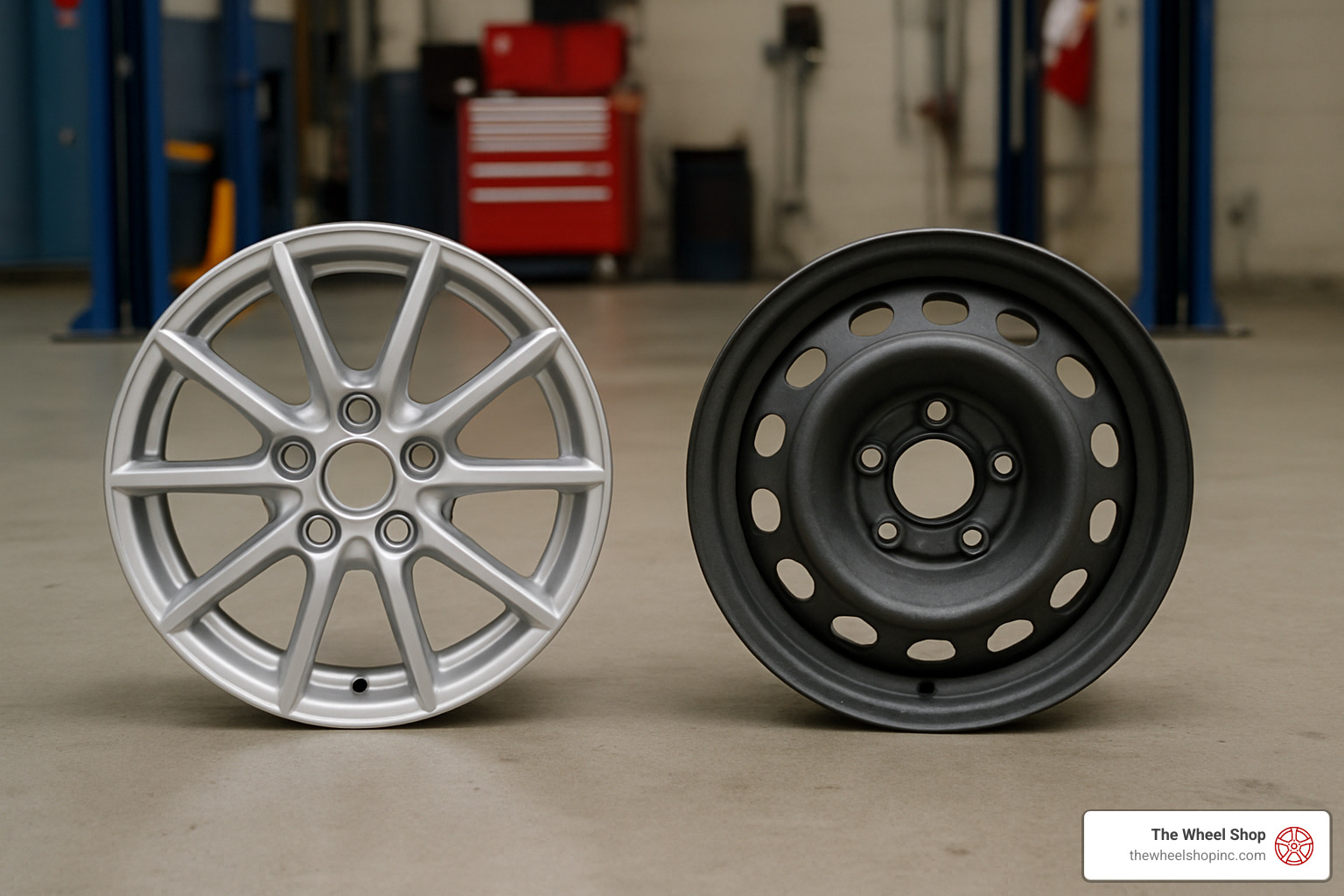
- Rim weight matters when shipping full wheels.
- A rim can add 15 to 30 pounds or more.
Knowing how much does a car tire weigh without the rim clears up these myths and helps you choose wisely.

Quick PAA-style questions
What is the average tire weight for a sedan without the rim?
- Average sedan tires without rims are about 20 to 28 pounds.
Do run-flat tires weigh more without the rim?
- Yes. Run-flat tires often add 3 to 7 pounds compared to standard tires.
Will tire weight affect my car’s mileage?
- Slightly. Heavier tires increase rolling resistance and unsprung mass, which can reduce mileage a bit.
Source: siddillonbuickgmc.com
Frequently Asked Questions of how much does a car tire weigh without the rim
How much does a car tire weigh without the rim for compact cars?
Compact car tires without rims usually weigh 15 to 22 pounds. Exact weight depends on size and tread design.
How much does a car tire weigh without the rim for SUVs?
SUV tires without rims often weigh 35 to 55 pounds. Off-road models can be heavier than highway tires.
How do I find the exact weight of a tire without the rim?
Check the manufacturer spec sheet or weigh the tire on a scale. Many dealers can provide exact weight on request.
Does tire material affect how much a car tire weigh without the rim?
Yes. Thicker rubber compounds and added reinforcements increase weight. Two tires same size can differ by several pounds.
Can I ship tires without rims for cheaper?
Often yes. Shipping only tires reduces weight and volume, which usually lowers cost compared to shipping mounted wheels.
Conclusion
You now have clear ranges and methods for how much does a car tire weigh without the rim. Use the sample weights and simple weighing methods to plan shipping, buying, or lifting safely. Start by weighing one tire from your set and use that number to guide decisions. If this helped, try weighing a tire today, share your result in the comments, or subscribe for more practical tips.