Most cars shake due to wheel imbalance, alignment, worn parts, or tire issues at highway speeds.
I’ve worked on dozens of vehicles and tested fixes for steering wheel shaking at highway speeds. This guide breaks down why the steering wheel shakes at highway speeds, how to diagnose it, safe DIY checks, professional repairs, costs to expect, and preventive steps you can use today. Read on for clear, practical advice from hands-on experience and industry knowledge.
Common causes of steering wheel shaking at highway speeds
Steering wheel shaking at highway speeds often points to a problem with rotating parts or alignment. Here are the usual suspects and short explanations so you can narrow down the cause quickly.
- Wheel imbalance
- Small weights can fall off wheels. Imbalance causes vibration that usually starts around 45–60 mph.
- Tire issues
- Uneven wear, cupping, or a separated tread can create a strong shimmy at high speed.
- Wheel alignment
- Misalignment can cause steering wobble and uneven tire wear over time.
- Bent rim or damaged wheel
- Striking a pothole can bend a rim and introduce vibration at highway speeds.
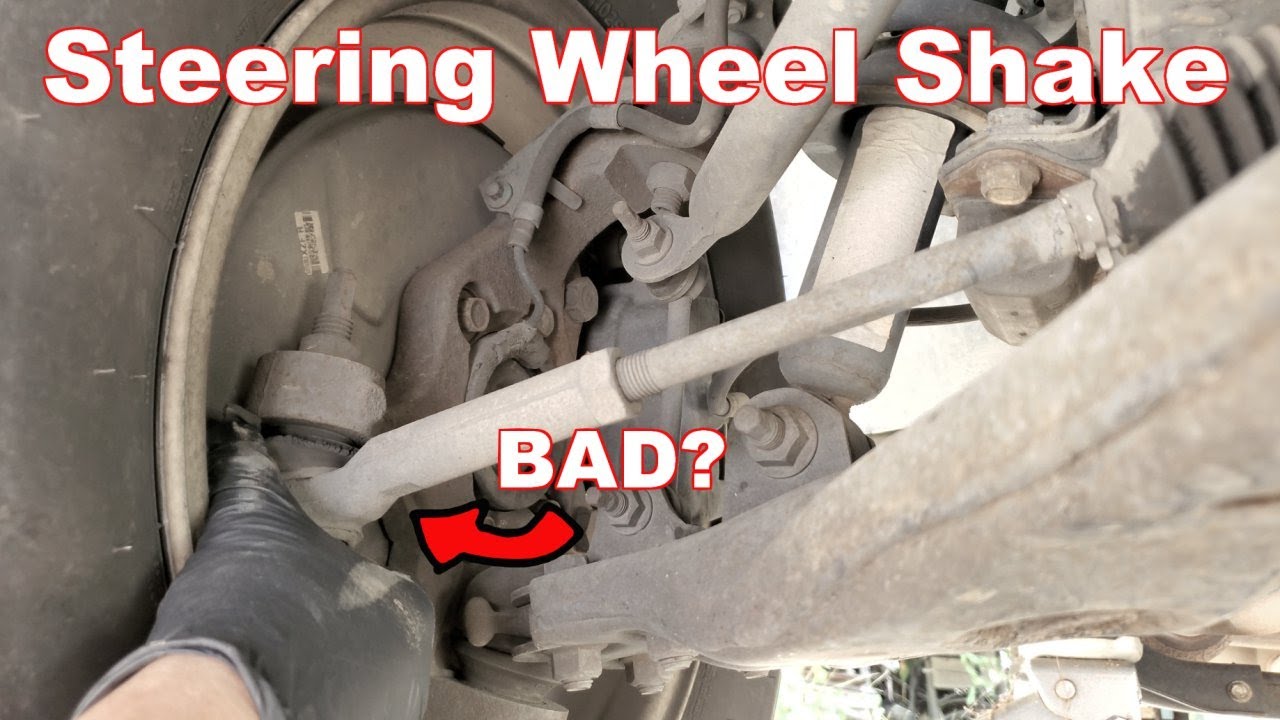
- Worn suspension or steering parts
- Ball joints, tie rods, and control arm bushings transmit vibration to the steering wheel when worn.
- Wheel bearings or hub problems
- Bad bearings can add noise and vibration, often with a growling sound.
- Brake issues
- Warped rotors usually cause shaking when braking, but severe rotor issues can be felt at speed too.
- Drivetrain and engine mounts
- Less common, but worn engine or transmission mounts can cause a vibration that feels like a steering wobble.
Common question: Why does my steering wheel shake at 65 mph?
- A steering wheel shake at 65 mph usually points to wheel imbalance or a tire defect. Have tires balanced and inspected for damage.
Common question: Can bad alignment cause steering wheel shaking at highway speeds?
- Yes. Alignment problems can cause uneven tire wear and vibrations that are felt in the steering wheel, especially at higher speeds.

How to diagnose steering wheel shaking at highway speeds
A systematic check helps you find the root cause without guesswork. Use short, safe tests and simple tools when possible.
- Observe when vibration occurs
- Note the speed range where shaking starts and whether it stops when you brake or change lanes.
- Visual tire inspection
- Look for bulges, flat spots, or uneven wear on all tires.
- Wheel balance check
- Drive to a shop to check static and dynamic wheel balance. Shops can detect weights that are missing or ineffective.
- Road test with a passenger
- Have someone watch wheel behavior while you drive and report noises or pulls.
- Check steering and suspension components
- Inspect tie rods, ball joints, and bushings for play. Any looseness can transmit vibration.
- Spin and runout test
- A shop can measure wheel runout and rotor runout to find bent rims or warped rotors.
- Lug nut torque and wheel seating
- Loose lug nuts or a dirty hub surface can cause vibration. Torque to the correct spec and clean mating surfaces.
If you feel unsure, it’s safer to let a technician perform these checks. Misdiagnosis can waste time and money, and some checks require lifts and torque tools.
DIY fixes and professional repairs for steering wheel shaking at highway speeds
Some fixes are simple and cheap. Others need a shop and parts. Here’s a practical list and what to expect.
- Balance wheels
- Cost: low to moderate. Balancing removes vibration from uneven mass distribution.
- Rotate and inspect tires
- Cost: low. Rotation moves wear patterns and can reveal if a tire is the source.
- Replace damaged tires
- Cost: moderate to high depending on tire size. A bad tire often causes a persistent shake.
- Align the wheels
- Cost: moderate. Alignment corrects toe/camber issues that cause vibration and uneven wear.
- Replace worn steering or suspension parts
- Cost: moderate to high. Tie rods, ball joints, and bushings often need replacement when worn.
- Repair or replace bent rims
- Cost: moderate. Some rims can be straightened; others need replacement.
- Resurface or replace rotors
- Cost: moderate. Rotor runout that causes vibration under braking may also be felt at speed.
- Replace wheel bearings or hub assemblies
- Cost: moderate to high. Bearings require press tools or hub assemblies.
Tip: Start with balance and tire inspection. They solve the majority of steering wheel shaking at highway speeds.

Safety, costs, and when to seek a mechanic
Steering wheel shaking at highway speeds can be more than annoying. It can indicate a safety risk. Know when to act fast.
- Safety concerns
- Vibration can reduce control, increase stopping distance, and accelerate component wear.
- Urgent signs
- Sudden severe shake, loud grinding, pulling to one side, or smoke demand immediate attention.
- Typical costs
- Tire balance: low.
- Tire replacement: moderate to high per tire.
- Wheel alignment: moderate.
- Suspension or bearing work: moderate to high.
- When to see a mechanic
- If the source is not an obvious tire or balance issue, or if you hear grinding or feel steering looseness, visit a certified shop quickly.
Being proactive reduces repair bills and improves safety. Don’t delay if the shaking worsens.

Preventive maintenance to avoid steering wheel shaking at highway speeds
Small routines prevent most vibration problems. These tasks are quick and cost-effective.
- Check tire pressure monthly
- Proper pressure promotes even wear and reduces vibration risk.
- Rotate tires every 5,000–8,000 miles
- Rotation evens wear and extends tire life.
- Balance wheels during seasonal tire changes
- Balancing when you swap tires catches missing weights early.
- Inspect after pothole impacts
- Check tires and rims after a hard hit to prevent long-term damage.
- Schedule alignment checks once a year
- Alignment keeps tires tracking true and avoids uneven wear.
- Replace tires when tread or structure is compromised
- New tires eliminate many vibration causes and improve safety.
A small maintenance habit prevents big problems later.

Signs and related issues to watch for
Know the patterns. They help you and your mechanic solve the problem faster.
- Vibration only at certain speeds
- Often wheel balance or tire issue.
- Vibration that worsens with braking
- Likely warped rotors or brake-related issues.
- Pulling to one side
- Could be alignment, tire pressure, or a stuck brake caliper.
- Uneven tire wear
- Suggests alignment or suspension problems.
- Clunking or knocking noises
- May point to worn suspension or steering parts.
Record details: speed, road condition, weather, and when the vibration happens. These clues save time.

My personal experience and lessons learned
I once drove a client’s car that shook badly at 55–70 mph. A quick tire check revealed a separated tread on the front right tire. After replacing the tire and balancing the wheels, the shake disappeared. I learned to always start with tires and balance before chasing expensive suspension repairs.
Another time I misdiagnosed a shake as a wheel imbalance. It turned out to be a worn tie rod that caused both vibration and steering looseness. The lesson: combine road tests with hands-on steering and suspension checks.
Practical tips from my shop time
- Use a simple checklist
- Tire pressure, visible damage, lug torque, wheel balance, and suspension play.
- Don’t overdrive a vibrating car
- Drive slowly to a safe stopping point if shaking becomes severe.
- Keep records
- Maintenance notes and symptoms speed up future troubleshooting.

Frequently Asked Questions of steering wheel shaking at highway speeds
Why does my steering wheel shake only at highway speeds?
A vibration that appears only at highway speeds is usually wheel imbalance or a tire defect. If balancing and tire inspection don’t help, suspension or hub issues may be the cause.
Can a bent rim cause steering wheel shaking at highway speeds?
Yes. A bent rim can create runout that leads to a steady vibration at higher speeds. Rims can sometimes be repaired, but severe bends require replacement.
Will new tires fix steering wheel shaking at highway speeds?
If the vibration comes from tire damage or wear, new tires will often fix it. However, underlying issues like alignment or worn suspension must also be addressed.
Is it safe to keep driving with a vibrating steering wheel?
Short trips at low speeds are okay, but avoid highway driving until you diagnose the issue. Severe vibration can indicate a safety problem that needs prompt attention.
How long does wheel balancing last before steering wheel shaking returns?
Wheel balance generally lasts until a weight falls off, a tire is damaged, or tires wear unevenly. Regular checks, especially after hitting potholes, help keep balance intact.
Could engine or transmission mounts cause steering wheel shaking at highway speeds?
Yes, worn mounts can transmit engine vibrations to the steering wheel, though this is less common. A mechanic can test mounts and vibration sources to isolate the issue.
Conclusion
A shaking steering wheel at highway speeds is often fixable with simple checks like tire inspection and wheel balancing, but it can also signal worn suspension or hub issues. Start with the basics, act fast if the vibration is severe, and keep up with routine tire and suspension maintenance. Take one step today: check tire pressure and look for visible damage, and schedule a balance if you notice any vibration. If this article helped, leave a comment with your symptoms or subscribe for more practical car care tips.