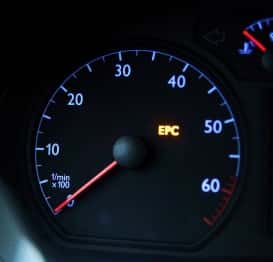
A jerking car during acceleration usually points to engine, fuel, or transmission faults.
I’ve spent years troubleshooting vehicles, and I’ll walk you through why your car jerks when accelerating, how to diagnose the problem, and practical fixes you can try. This guide blends hands-on experience, clear explanations, and step-by-step checks so you can find the likely cause and make an informed decision about repair or DIY. Read on to learn common causes, quick tests, realistic costs, and prevention tips to keep your drive smooth and safe.
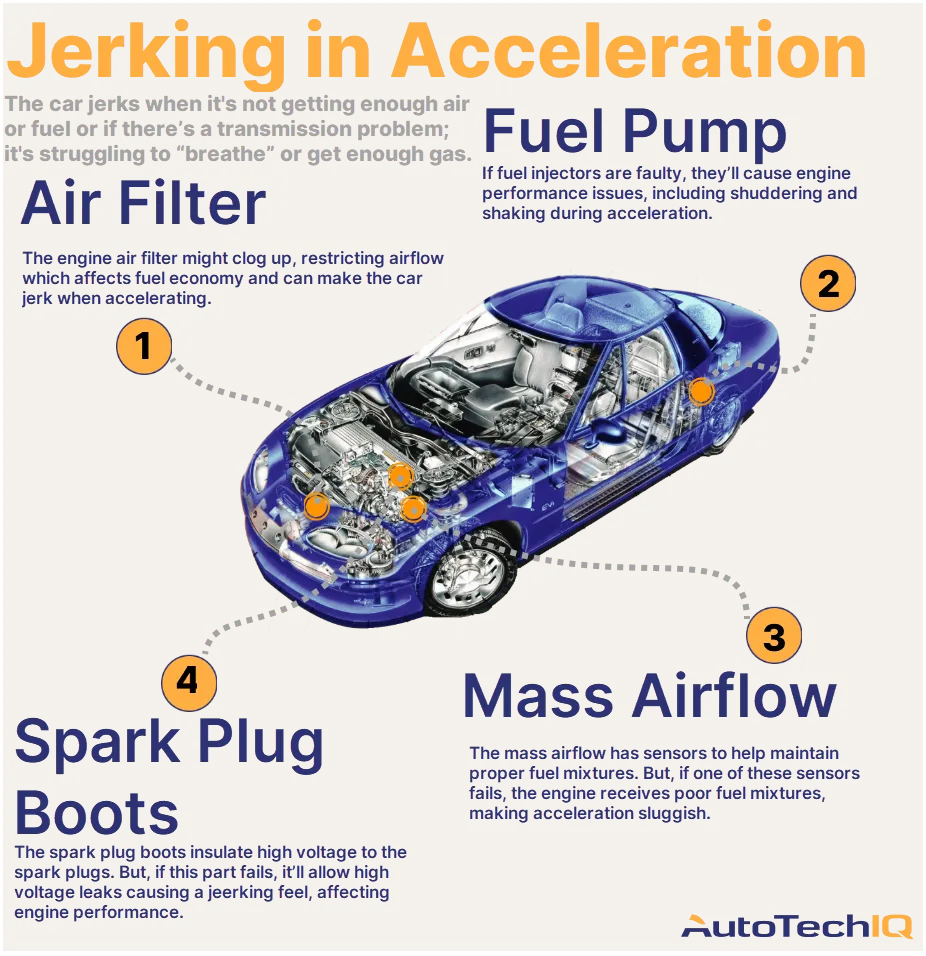
What causes a car jerks when accelerating?
When a car jerks when accelerating, it’s a symptom, not a single problem. Common causes include mechanical, electrical, and software issues. Below are the main categories and a short explanation of each.
-
Engine misfire
Misfires occur when one or more cylinders do not fire properly. Faults include bad spark plugs, failing ignition coils, or weak fuel delivery. -
Fuel delivery problems
A clogged fuel filter, failing fuel pump, or dirty injectors can starve the engine and cause jerking under load. -
Transmission issues
Slipping gears, worn clutches in manuals, or failing torque converters in automatics can make the car lurch when you accelerate. -
Sensor and air/fuel measurement faults
Dirty mass airflow sensors, faulty oxygen sensors, or bad throttle position sensors can give wrong data to the engine computer and cause hesitation or jerking. -
Vacuum leaks and intake restrictions
Air leaks or blocked intake paths upset the air/fuel ratio and create uneven power delivery. -
Motor mounts and driveline problems
Worn mounts or failing CV joints can feel like jerking when torque changes during acceleration. -
Software and electronic control faults
Faulty engine control module (ECM) software or limp mode triggers can produce sudden power changes.
Source: youtube.com
How to diagnose the problem
Proper diagnosis saves time and money. Follow these steps to narrow down why your car jerks when accelerating.
-
Replicate the symptom safely
Note when jerking happens: from idle, during steady throttle, under heavy load, or only when cold. This detail guides testing. -
Check for dashboard lights and error codes
Use an OBD-II scanner to read codes. Misfire codes (P0300–P030X), fuel trims, and sensor fault codes are especially useful. -
Visual inspection
Look for cracked vacuum lines, loose connectors, worn spark plug wires, oil leaks around coils, and torn CV boots. -
Live data monitoring
Watch fuel trims, ignition timing, MAF readings, and misfire counters during a test drive. Sudden drops or spikes point to specific systems. -
Basic fuel and ignition checks
Inspect spark plugs for wear or fouling. Listen for inconsistent engine noise. Smell fuel—strong gasoline odor suggests rich running. -
Transmission test (if applicable)
For automatics, note shift feel and RPM vs speed behavior. For manuals, check clutch slip by observing engine RPM rise without proportional speed increase. -
Professional diagnostics when unsure
If you can’t pinpoint the issue with basic checks, a mechanic’s scope, pressure gauge, and advanced scan tools help find hidden faults.
Source: bizupon.com
Common repairs and fixes
Here are typical repairs that address a car jerks when accelerating, with DIY tips and when to see a pro.
-
Replace spark plugs and ignition coils
Cost: low to moderate. DIY-friendly on many cars. Replace worn plugs and test coils for consistent spark. -
Clean or replace fuel filter and test fuel pump
Cost: low to moderate. A weak pump can cause jerking under load and needs pressure testing. -
Clean mass airflow sensor and throttle body
Cost: low. Use proper cleaner and follow steps. This often fixes hesitation and jerking from incorrect air readings. -
Fuel injector cleaning or replacement
Cost: moderate to high. Try a professional cleaning or injector test before replacing. -
Transmission service
Cost: moderate to high. Changing fluid and filter can help; major repairs need a transmission shop. -
Replace motor mounts or CV joints
Cost: moderate. Worn mounts and driveline parts cause harsh jerks and should be replaced promptly. -
Update software or repair sensors
Cost: low to moderate. Dealer or shop can update ECM software and replace faulty sensors.
DIY vs Pro guidance: -
DIY-friendly tasks include spark plugs, MAF cleaning, and fuel filter replacement when access is easy.
-
Professional help is recommended for transmission internals, fuel pump replacement inside the tank, and complex diagnostic work.

Source: youtube.com
My experience fixing car jerks when accelerating
In my shop days, a common case was a late-model sedan jerking under acceleration. The owner had replaced plugs recently, but the problem persisted. A quick scan showed a misfire on cylinder three and an intermittent MAF reading. Replacing a failing ignition coil fixed it first, but a slightly dirty MAF still created hesitation at certain throttle levels. Cleaning the MAF afterward eliminated the remaining jerk.
Lessons I learned:
- Don’t replace parts blindly; scan and test first.
- Small sensors like MAFs and TPS cause big, confusing symptoms.
- A short test drive with live data is often the fastest diagnosis tool.
Tips to avoid mistakes: - Always clear codes after fixing and retest.
- Use OEM or high-quality replacement parts for sensors and coils.
- Keep a maintenance log to spot trends before they become problems.

Source: wikihow.com
Preventive maintenance to avoid jerking
Regular care reduces the chance your car jerks when accelerating. Here are practical habits that work.
- Follow the manufacturer’s service schedule for spark plugs, filters, and fluids.
- Use quality fuel and avoid contaminants; add a fuel system cleaner occasionally.
- Inspect vacuum lines and intake components during oil changes.
- Change transmission fluid at interval or if it smells burnt or looks dark.
- Keep engine software updated at dealer or trusted shop when recommended.
- Address minor hesitations early before they escalate into drivability issues.

Source: com.au
Cost estimates and timelines
Here are rough cost ranges and time estimates for fixes commonly linked to a car jerks when accelerating.
- Spark plugs: $50–$200 and 0.5–2 hours.
- Ignition coil: $60–$250 each and 0.5–1.5 hours.
- Fuel filter: $50–$150 and 0.5–1 hour.
- MAF/throttle cleaning: $20–$100 and 0.5–1 hour.
- Fuel pump: $300–$1,000+ and 2–6 hours (tank drop often needed).
- Transmission service: $150–$400 and 1–3 hours. Major repairs run much higher.
Prices vary by vehicle and region. Always get a written estimate and ask for parts options if cost is a concern.
Source: youtube.com
Frequently Asked Questions of car jerks when accelerating
Why does my car jerk when accelerating suddenly?
A sudden jerk usually means the engine or transmission lost power briefly. Common causes include ignition misfires, fuel delivery hiccups, or a slipping transmission.
Is it safe to drive if the car jerks when accelerating?
Short trips might be OK, but repeated jerking can damage catalytic converters and other parts. Get it checked soon to avoid higher repair costs and safety risks.
Can a bad spark plug cause a car to jerk when accelerating?
Yes. Worn or fouled spark plugs can cause misfires that feel like jerking under acceleration. Replacing plugs is a common, inexpensive fix.
Could dirty sensors trigger jerking?
Absolutely. A dirty MAF or failing throttle position sensor can send wrong data to the engine computer and cause hesitation or jerks. Cleaning or replacing the sensor often resolves it.
How do I check at home if the problem is serious?
Start with a visual inspection, look for loose hoses or damaged wires, and read OBD-II codes with a scanner. If you see misfire codes or major sensor faults, consult a mechanic.
Will low fuel cause jerking when accelerating?
Low fuel pressure from a failing pump or a clogged filter can mimic low-fuel problems and cause jerking. Keep fuel system maintenance up to date to prevent this issue.
How long until repairs fix the jerking?
Minor fixes like cleaning sensors or replacing plugs can be done same day. Major repairs like fuel pumps or transmission work can take a few days depending on parts and shop workload.
Conclusion
A car jerks when accelerating for many reasons, from simple spark plug wear to complex transmission faults. Start with basic checks: read codes, inspect ignition and fuel systems, and monitor live data during a test drive. If DIY fixes don’t help, seek professional diagnostics to prevent further damage and ensure safety. Take action early, keep routine maintenance up to date, and don’t ignore repeating jerks—addressing them now saves money and stress later. If this guide helped, try the basic checks and leave a comment with your car model and symptoms, or subscribe for more practical repair tips.