Automatic transmission slipping means the gearbox fails to hold gear, causing revs to rise without acceleration.
I have worked on cars and driven many with automatic transmission slipping, so I know the signs and fixes. This article breaks down causes, checks, repairs, and costs in clear and simple steps. You will get practical tips to spot slipping early and decide when to DIY or call a shop. Read on for easy, trusted guidance that helps you protect your car and your wallet.
What is automatic transmission slipping?
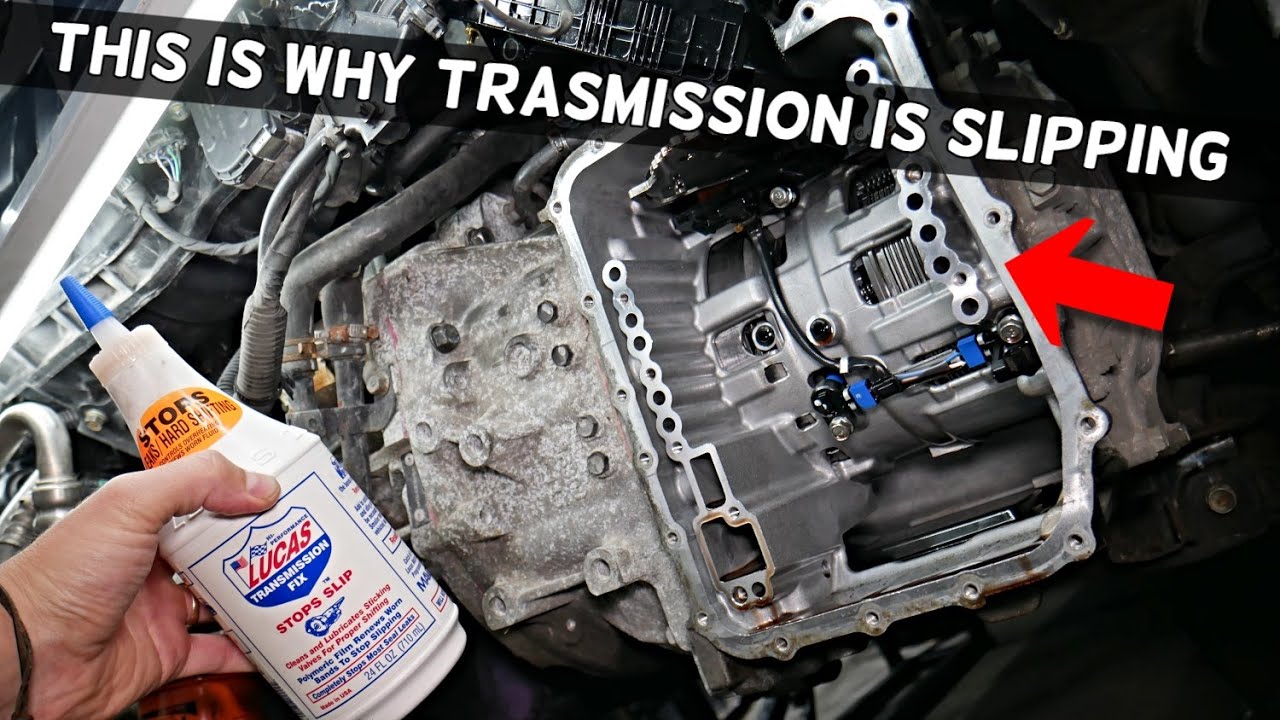
Automatic transmission slipping happens when the transmission fails to stay in the selected gear. The engine speed climbs but the vehicle speed does not match. You may feel a delay, a jump, or a weak push when you press the gas pedal. This problem affects drive quality and can lead to bigger damage if ignored.

Common symptoms of automatic transmission slipping
The signs of automatic transmission slipping are usually clear and repeatable. Look for these common symptoms:
- Engine revs spike but speed lags behind.
- Delayed engagement when shifting from park to drive.
- Harsh or jerky shifts between gears.
- Burning smell or transmission fluid that looks dark or smells burnt.
Each symptom helps narrow down the cause and urgency of repair.

Main causes of automatic transmission slipping
There are several reasons for automatic transmission slipping. Many causes are simple to fix. Some are serious and need a shop. Common causes include:
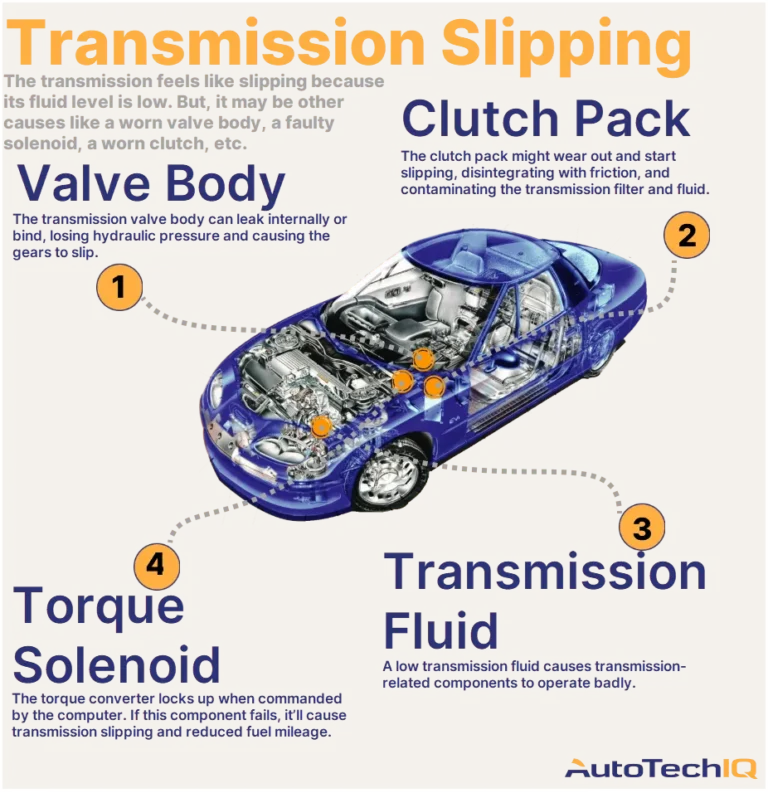
- Low transmission fluid level. Fluid loss lowers pressure and causes slippage.
- Worn or contaminated transmission fluid. Old fluid loses friction properties.
- Broken clutch packs or bands in the transmission. These parts wear with use.
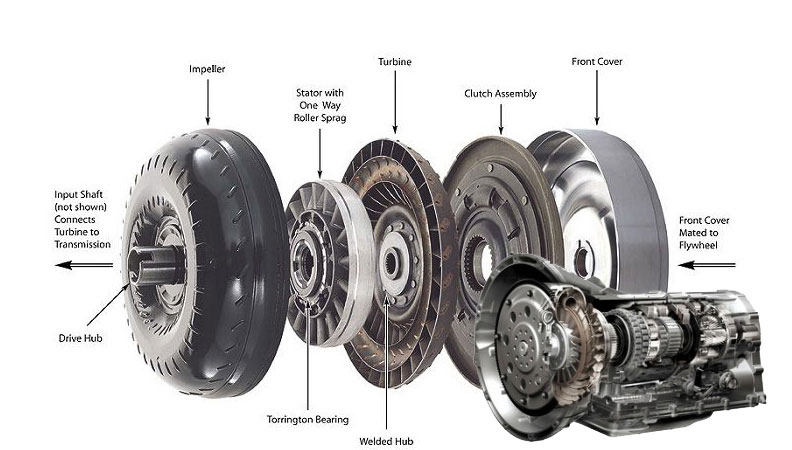
- Faulty torque converter. It can fail to transfer engine power to the gearbox.
- Valve body or solenoid issues. These control fluid flow and gear change timing.
- Internal leaks or worn seals. Leaks reduce hydraulic pressure inside the transmission.
Understanding the cause helps choose the right fix and avoids wasted work.

How mechanics diagnose automatic transmission slipping
A clear diagnosis saves money and time. Mechanics use a step-by-step approach:
- Visual check of fluid level and fluid color.
- Road test to reproduce slipping under load.
- Scan for trouble codes from the transmission control module.
- Pressure tests to measure hydraulic pressure and identify leaks.
- Internal inspection or partial tear-down if the problem is internal.
Good shops explain each test and show evidence before replacing parts.
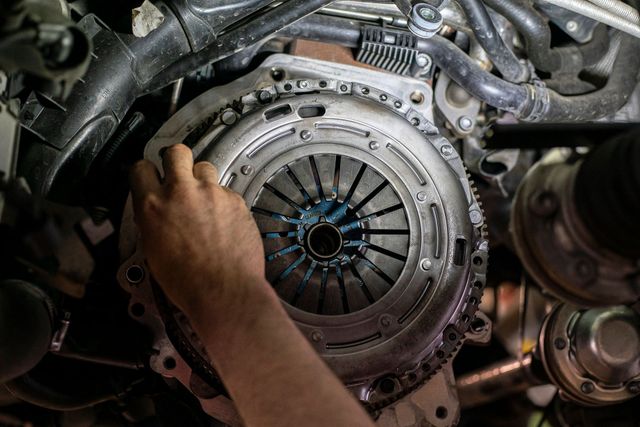
Repair options and typical costs for automatic transmission slipping
Repair costs vary a lot by cause and vehicle. Here are common fixes with general cost ranges:
- Fluid and filter change — low cost. Often fixes minor slipping due to old fluid.
- Solenoid replacement — moderate cost. Solenoids control shift timing.
- Torque converter replacement — higher cost. Needed if the converter fails.
- Rebuild transmission — high cost. Worn internal parts require a rebuild.
- Replace transmission — highest cost. Done when damage is severe or rebuild is not cost-effective.
Prices vary by car make and local shop rates. Always get a written estimate and ask about warranty.
Do-it-yourself checks and simple fixes for automatic transmission slipping
You can do a few checks safely at home before visiting a shop. These steps often reveal the issue:
- Check fluid level with the dipstick while the car is warm and idling. Low fluid is a common cause.
- Look at fluid color and smell. Healthy fluid is clear red and smells neutral.
- Replace fluid and filter if fluid is old and dirty. This often helps mild slipping.
- Check for external leaks under the car and around the pan.
If the slipping continues after these steps, it likely needs professional repair. When in doubt, stop driving to avoid more damage.

Prevention and regular maintenance to avoid automatic transmission slipping
Routine care keeps the transmission healthy and reduces slipping risk. Key preventive steps:
- Follow the manufacturer’s fluid change schedule.
- Use the correct type of transmission fluid.
- Service the cooling system to keep the transmission cool.
- Avoid towing beyond your vehicle’s limit and hard launch driving.
- Address leaks and odd noises early.
Small, steady care pays off. A healthy transmission lasts much longer and saves repair costs.
When to see a professional for automatic transmission slipping
Some signs mean you need a pro right away. Take your car in if you notice:
- Persistent slipping after a fluid change.
- Burning smell or visible smoke.
- Transmission warning light or fault codes.
- Loud clunks, grinding, or metal shavings in the fluid.
A professional can prevent further damage and give a clear repair plan and warranty.
Real-life experience and lessons learned
I once drove a client’s car with mild slipping for months. We did a fluid and filter service and fixed it quickly. Later I saw another car with ignored slipping that needed a full rebuild. The lesson is simple: check fluid early and act fast. Small fixes are cheap. Waiting makes the problem much more expensive.
Related concepts and terms to know
Learning a few terms helps you talk to a mechanic and read reports:
- Torque converter — device that transfers engine power to the transmission.
- Clutch pack — sets of plates that hold gears in automatic units.
- Valve body — hydraulic control center for shifts.
- Solenoid — an electric valve that controls fluid flow.
These terms often show up in diagnosis and repair reports.
Short PAA-style questions and answers
Q: Can a fluid change fix automatic transmission slipping?
A: Yes for mild cases. If slipping is due to dirty or burnt fluid, a change often helps.
Q: Is it safe to drive with automatic transmission slipping?
A: Short trips are possible but risky. Continued driving can cause severe damage.
Q: How long does a transmission rebuild take?
A: A rebuild often takes several days to a week. Parts availability can affect the timeline.
Frequently Asked Questions of automatic transmission slipping
What causes automatic transmission slipping most often?
Low or old transmission fluid is the most common cause. It lowers hydraulic pressure and reduces friction needed for gear holding.
How do I check if my transmission is slipping?
Look for rising RPMs without matching speed, delayed engagement, and odd smells from the fluid. A quick fluid check is a good first step.
Can I fix transmission slipping by myself?
You can try simple steps like checking fluid and replacing fluid and filter. Internal issues need a trained mechanic.
How much does it cost to fix a slipping automatic transmission?
Minor fixes like fluid change cost a little. Major repairs like rebuilds or replacement can cost much more, depending on the car.
Will a warning light always appear when the transmission slips?
Not always. Some slip problems trigger a light, but many begin without any warning codes. Listen and feel for symptoms.
Can towing or heavy loads cause transmission slipping?
Yes. Excessive towing or repeated heavy loads can overheat and wear the transmission, leading to slipping. Follow towing limits.
Conclusion
Automatic transmission slipping is a common but manageable problem when found early. Check fluid and basic signs first, and get a professional diagnosis for persistent issues. Take action early to save money and prevent larger repairs. If you suspect slipping, inspect the fluid and book a shop visit. Share this article, subscribe for more car care tips, or leave a comment with your experience.