Brake noise when stopping usually means worn pads, glazed rotors, or debris causing squeal or grind.
I’ve spent years fixing brakes and teaching drivers to hear what their car is telling them. This guide breaks down why brake noise when stopping happens, how to diagnose different sounds, safe short-term fixes, and when to get professional help. Expect clear steps, real-world tips from my shop experience, and cost ranges so you can make smart choices about your brakes.

Understanding brake noise when stopping
Brake noise when stopping can take many forms. Common sounds include high-pitched squeals, harsh grinding, metallic clicks, and intermittent chirps. Each sound points to different parts or problems in the brake system, so listening carefully helps with diagnosis.
Noise does not always mean immediate danger, but it often signals wear or damage. Ignoring persistent brake noise when stopping can lead to higher repair costs and reduced stopping power. Treat these sounds as early warnings and inspect or repair them promptly.
Common causes of brake noise when stopping
Brake pads worn to the wear indicator
Pads with hard glazing from heat or poor bedding-in
Scored or warped rotors that vibrate and squeal
Loose or sticking calipers causing uneven contact
Missing or broken anti-rattle clips and shims
Rust buildup on rotors, especially after rain or storage
Debris like small stones trapped between pad and rotor
Low-quality or incompatible brake pad material
ABS activation or wheel bearing issues might mimic brake noise when stopping
Knowing which cause is likely helps you pick the right fix. For example, a steady metallic grind almost always means pads are worn to the backing plate. A brief chirp after light braking often points to dust, moisture, or pad wear indicators.

Diagnosing brake noise when stopping
Start with a simple walkaround and listening test. Drive slowly in a safe, quiet area and apply light, medium, and firm braking. Note when the noise happens: every stop, only at low speeds, when cold, or after a long drive.
Visual check steps
- Park on level ground and use the parking brake.
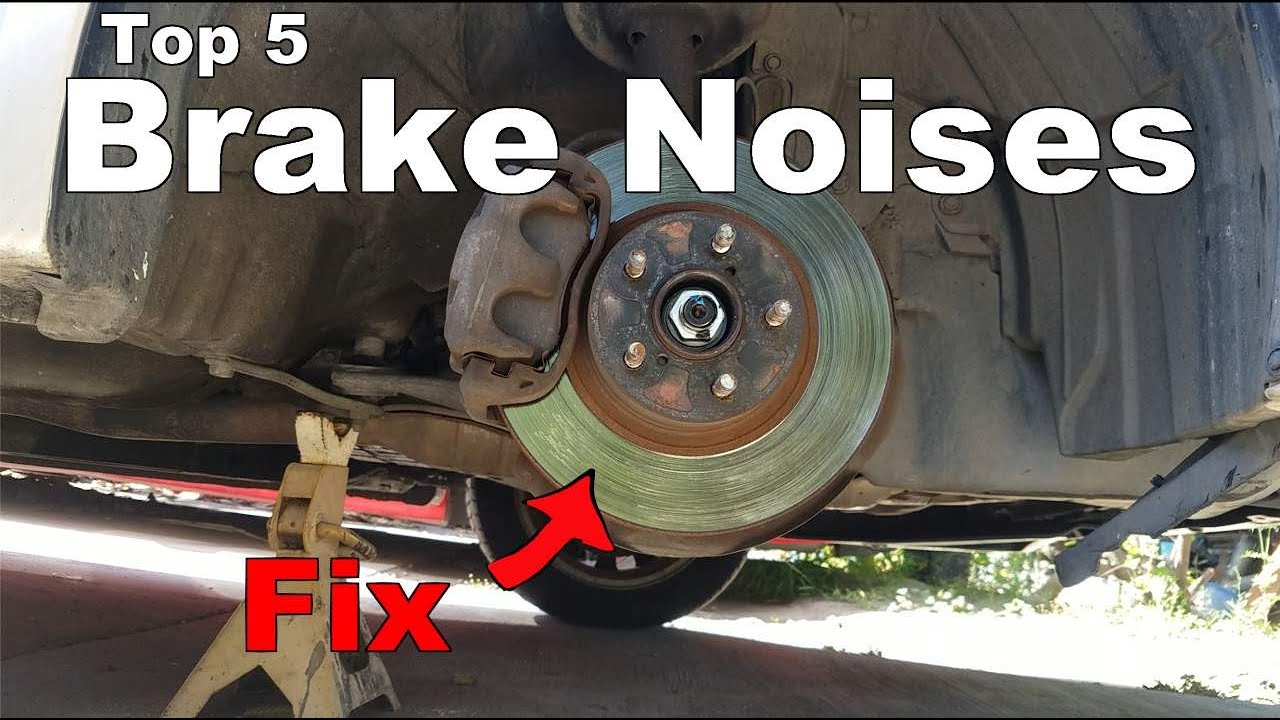
- Inspect rotor surfaces through the wheel spokes for grooves, rust, or glazing.
- Look at pad thickness; less than 3 mm means replace them.
- Check for missing hardware or loose components.
Listen to the pattern
- High-pitched squeal often equals pad wear indicator or glazing.
- Grinding usually means metal-on-metal contact from worn pads.
- Pulsing or vibration during braking suggests warped rotors.
- Single-click or clunk may point to loose caliper bolts or backing plate contact.
Quick PAA-style questions
What does a squeal when braking usually mean?
A squeal typically means the pads have a wear indicator or are glazed. It’s a sign to inspect pads and rotors soon.
Why does my car grind when I stop?
Grinding usually means the pads are worn through and the metal backing is contacting the rotor. Stop driving and fix it to avoid rotor damage.
Can wet brakes cause noise when stopping?
Yes. Moisture can cause temporary squeaks or chirps that often disappear after a few stops once surfaces dry.

Repair options and expected costs
Brake pad replacement
- Replace front or rear pads when worn. Parts are inexpensive; labor varies.
- Typical cost range: economy pads $50–$150 per axle; premium pads higher.
Rotor service
- Resurface (turn) rotors if thickness and condition allow.
- Replace rotors when warped or deeply scored.
- Typical rotor cost: $30–$120 each for parts; machining costs extra.
Caliper and hardware repairs
- Caliper rebuild or replacement needed for sticking or leaking calipers.
- Replace shims, springs, and clips to stop rattles and reduce noise.
- Costs vary widely based on vehicle and part quality.
Labor and total estimates
- DIY pad change can save labor fees but requires basic tools and safe jacking.
- Shop labor combined with parts typically runs $150–$400 per axle for common repairs.
- Severe rotor and caliper failures can push costs higher.
When choosing parts, prioritize compatibility and material. Ceramic pads are quieter but cost more. Semi-metallic pads bite well but can be noisier and wear rotors faster.

Preventive maintenance to reduce brake noise when stopping
Follow a routine maintenance schedule. Inspect brakes every 6 months or 6,000 miles for normal use. Clean components and remove rust before it causes noise.
Bed-in new pads properly
- Follow manufacturer bed-in steps or do short repeated stops from moderate speeds to transfer a uniform pad layer.
- Proper bedding reduces glazing and squeal.
Use quality parts and proper installation
- Replace hardware and shims with pads.
- Torque caliper and wheel bolts to spec.
Drive habits to help brakes last
- Avoid heavy braking when unnecessary.
- Coast to reduce heat buildup in city driving.
- Park where rotors don’t sit in standing water for long periods.
These habits lower the chance of hearing brake noise when stopping and increase component life.

My experience and practical tips
I once drove a customer’s car that squealed only after short trips. The pads were fine but the rotors had thin rust films. A quick cleaning and a proper bedding stopped the noise. I learned not to jump straight to pad replacement without a short inspection.
Common mistakes I’ve seen
- Replacing pads without replacing or resurfacing damaged rotors.
- Using mixed pad compounds on the same axle.
- Ignoring small noises until grinding appears.
Practical tips I use in the shop
- Always replace hardware with pads.
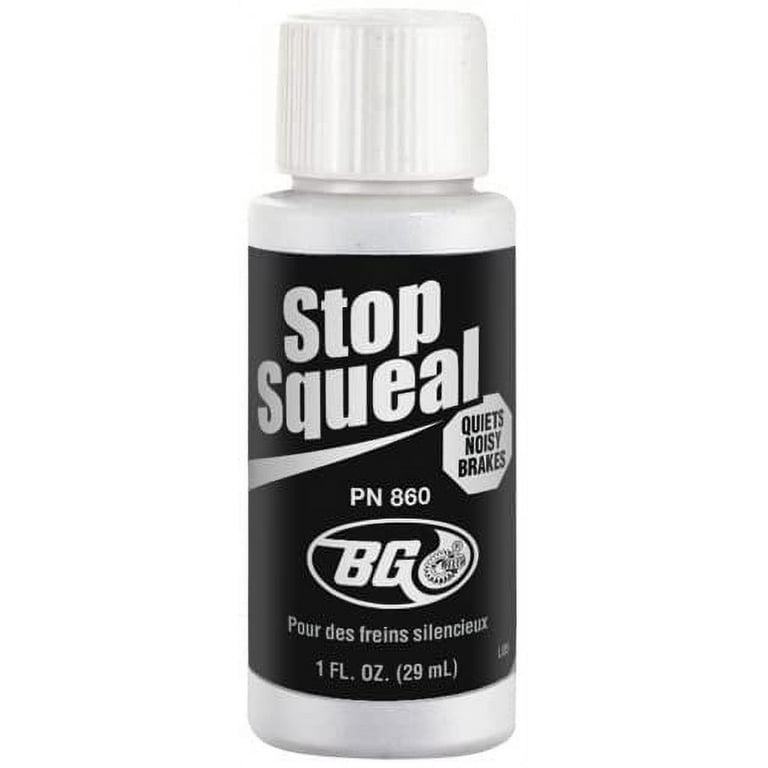
- Use anti-squeal paste sparingly on the back of pads where recommended.
- Check for suspension or wheel bearing noise that can mimic brake noise when stopping.
When to see a mechanic immediately
Seek professional help if you notice any of these:
- Loud grinding or metallic scraping sounds during every stop.
- Brake pedal feels spongy, low, or requires more travel.
- Brake warning light or ABS light is on.
- Pulling to one side during braking or severe vibration.
- Visible brake fluid leak under the car.
If you hear minor squeaks only when cold, you can monitor them short-term. Grinding or loss of braking feel requires immediate attention. Prioritize safety over cost.

Frequently Asked Questions of brake noise when stopping
Why do my brakes squeak only in the morning?
Morning squeaks are often surface rust or moisture on rotors. A few stops usually clean the surface and stop the noise.
Can new brake pads cause squealing?
Yes. New pads may squeal until they are bedded in. Poor-quality pads also squeal more often.
Is grinding dangerous or just annoying?
Grinding is dangerous because it often means metal-on-metal contact that reduces braking efficiency and damages rotors. Get it fixed right away.
Will cleaning the brakes fix noise when stopping?
Cleaning can remove debris and rust that cause temporary noise. It won’t fix worn pads or warped rotors.
How long should brake pads last before making noise when stopping?
Pad life varies by driving and material, but typical range is 30,000–70,000 miles. Noise often appears in the final phase of pad life.
Can wheel bearings sound like brake noise when stopping?
Yes. A worn wheel bearing can make humming or grinding that may change with speed or load, sometimes sounding like brake issues.
Are ceramic pads quieter than semi-metallic for brake noise when stopping?
Ceramic pads tend to be quieter and produce less dust than semi-metallic pads. They may cost more but reduce squeal risk.
Conclusion
Brake noise when stopping is a useful signal from your car. Most noises point to pads, rotors, or hardware issues that you can diagnose with simple checks. Fixing small problems early saves money and keeps you safe on the road.
Take action: listen closely next time you brake, use the diagnostic steps above, and book a professional inspection for grinding or loss of feel. Share your experience below or subscribe for more practical car-care tips.