
Race car tires typically weigh between 15 and 70 pounds each, depending on class and mounting.
I’ve worked with club teams and spent time in pit lanes, so I know how much a race car tire weighs matters to engineers and drivers. This article breaks down how much does a race car tire weigh across classes, what affects that weight, how teams measure it, and practical tips for buying and maintaining tires. Read on for clear ranges, real-world tips, and simple ways to use weight data to improve lap times.
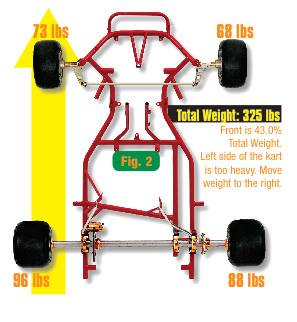
Why tire weight matters for racing performance
Tire mass affects acceleration, braking, and handling. Lighter rotating mass helps quick changes in speed. Knowing how much does a race car tire weigh helps teams tune setup and strategy for lap-time gains.
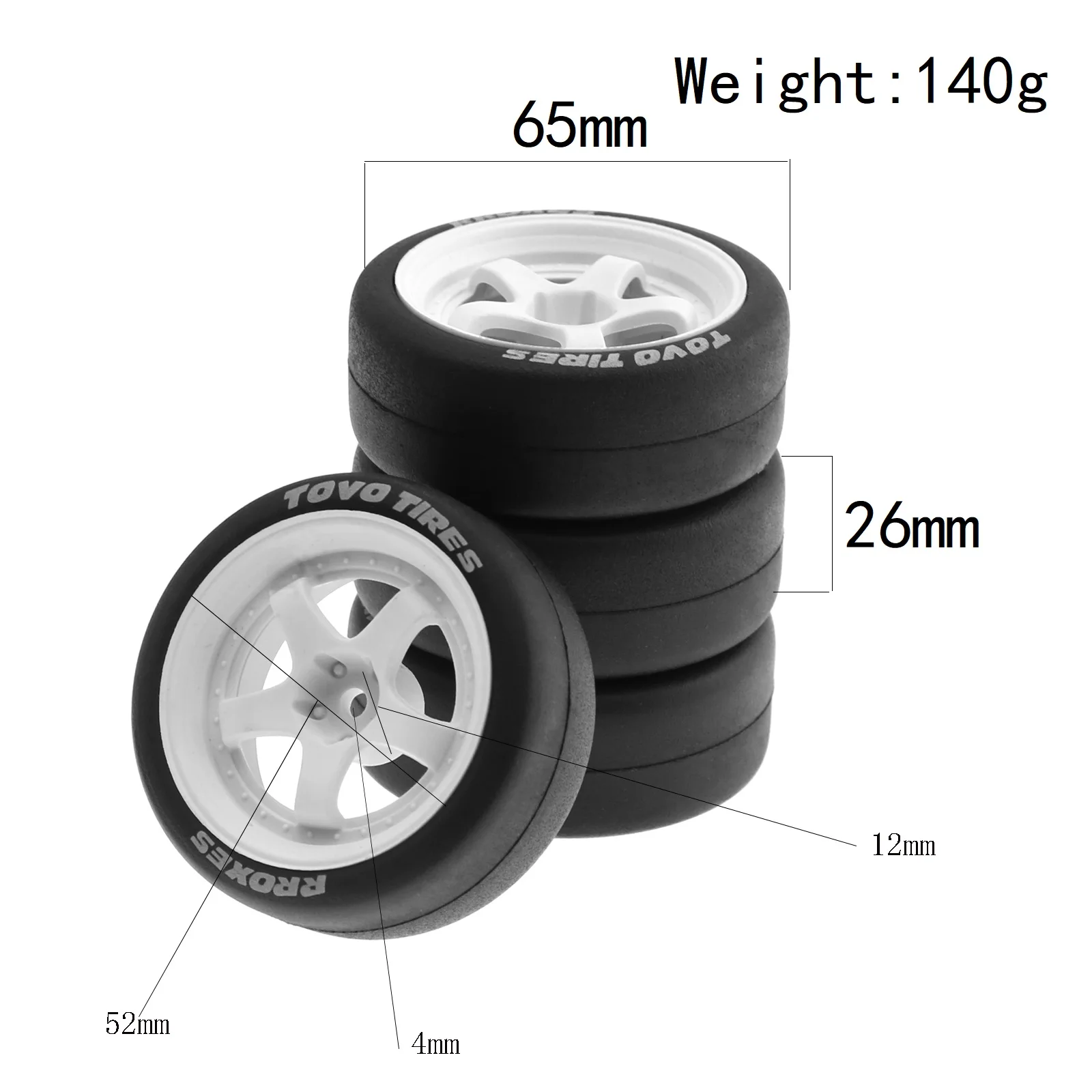
Typical weights by racing category
Race car tire weight varies a lot by vehicle type and whether the wheel is mounted. Below are broad ranges that teams use when planning pit stops and setups.
- Open-wheel (formula) tires: 15 to 30 pounds each. These are light to reduce rotational inertia.
- GT and touring car tires: 25 to 40 pounds each. Wider tread and stronger sidewalls add weight.
- Stock car and NASCAR-style tires: 45 to 70 pounds each. Large, heavy construction for durability on ovals.
- Rally tires: 30 to 50 pounds each. Reinforcements for rough surfaces increase weight.
- Drag racing slicks: 40 to 70 pounds each. Big rubber and wide contact patches add mass.
Note that these ranges reflect mounted or unmounted variations. When you ask how much does a race car tire weigh, specify tire-only or tire-plus-wheel for accuracy.

How much does a race car tire weigh when mounted on a wheel?
Mounted weights include the rim and hardware, so expect 10 to 30 extra pounds depending on wheel material and size. Teams track mounted weight to balance corners and meet minimum weight targets.
Are drag slicks heavier than road race slicks?
Usually yes. Drag slicks often have more rubber and a wider contact patch, which increases weight. But specific compounds and wheel choices can change that.
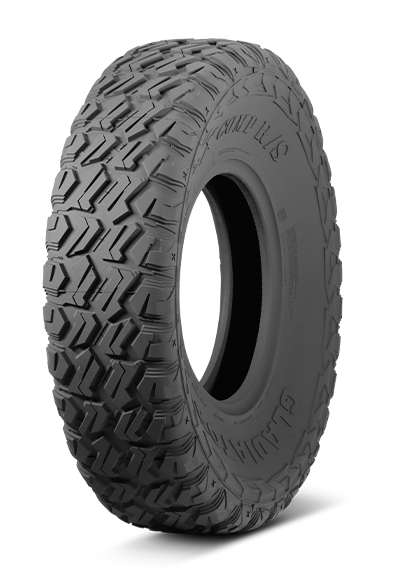
What influences a race car tire's weight
Several factors change how much does a race car tire weigh. Understanding them helps explain the wide ranges above.
- Tire size and width. Bigger contact patches need more rubber.
- Reinforcement and ply count. Stronger sidewalls add layers and grams.
- Compound density. Softer or stickier compounds sometimes weigh more.
- Bead and inner liner construction. Extra layers for safety add weight.
- Wheel material and size. Aluminum, magnesium, and carbon wheels vary widely.
- Wear and debris. Track rubber buildup and cut repairs change mass slightly.

How teams measure and manage tire weight
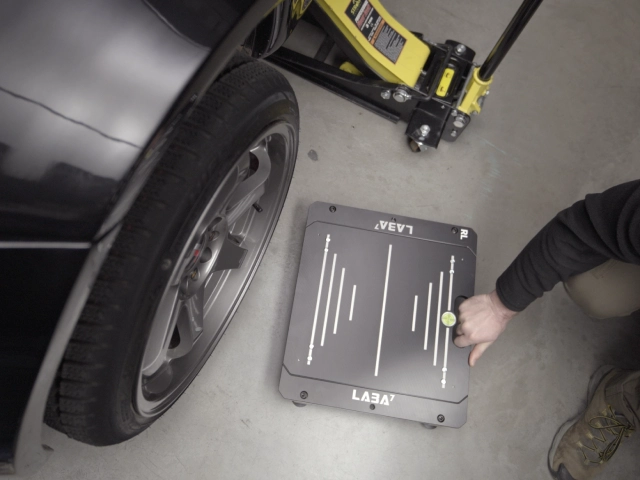
Teams use scales and consistent processes to handle tire weight. This practice affects balance and strategy.
- Use calibrated scales. Weigh tires cold and after heat cycles to log differences.
- Match sets by weight. Teams pair left/right tires for even handling.
- Track weight changes over stints. Tires lose or gain mass with temperature and wear.
- Adjust ballast and ride height. Engineers offset rotating mass changes in setup.
From club races to pro paddocks, I’ve seen simple scales save seconds. One time, matching tires to within 200 grams reduced a car’s understeer on a fast corner. Small mass moves can yield big handling shifts.
Performance trade-offs: lighter vs heavier tires
Choosing lighter or heavier tires involves trade-offs. Each choice shapes grip, life, and driver confidence.
- Lighter tires
- Pros: Faster acceleration and sharper turn-in.
- Cons: May heat faster and wear quicker.
- Heavier tires
- Pros: Greater heat capacity and durability.
- Cons: Slower transient response and more rotational inertia.
When you ask how much does a race car tire weigh, remember the answer ties directly to these trade-offs. Teams pick tires that match race length, track surface, and car balance.
Safety, regulations, and limits
Rules and safety standards affect tire design and weight. Governing bodies set constraints to level competition and ensure safety.
- Minimum weight rules. Some series enforce combined car-and-driver minimums that factor in rotating mass.
- Manufacturer specifications. Tires are built to spec to meet grip and temperature windows.
- Handling of used tires. Scrubbing, repairs, and illegal treatments are regulated in many series.
If you work with race tires, document weights and follow series rules. I’ve seen cars disqualified for not meeting documented minimums after faulty weighing procedures.
Buying, maintaining, and recycling race tires
Practical steps extend tire life and keep weights predictable. Good habits save money and improve lap times.
- Inspect before purchase. Check bead area, sidewall integrity, and compound consistency.
- Weigh and log every set. Keep a simple spreadsheet with cold and hot weights.
- Store properly. Cool, dry storage limits compound breakdown and unexpected weight changes.
- Rotate and manage heat cycles. Track the number of runs to predict performance loss.
- Recycle responsibly. Many teams return worn tires to recycling programs or manufacturers.
Knowing how much does a race car tire weigh helps you make smarter buys and plan pit strategy.
Frequently Asked Questions of how much does a race car tire weigh
What is the lightest common race tire weight?
Open-wheel formula tires are often the lightest, commonly in the 15 to 30 pound range. Exact numbers depend on size and compound.
Does the wheel add a lot of weight to the mounted tire?
Yes. Wheels can add 10 to 30 pounds to the tire, depending on material and diameter. Teams account for this when balancing and meeting weight targets.
How much does a worn race tire weigh compared to a new one?
Worn tires are usually lighter by a small amount as rubber is removed, but they can pick up debris. Weight difference is often a few hundred grams to a couple of pounds.
Can changing tire weight affect lap time?
Yes. Reducing rotating mass often improves acceleration and turn-in, saving tenths of a second per lap. The exact benefit depends on car setup and track.
How should I measure tire weight for setup work?
Use a calibrated digital scale and record cold and post-stint weights. Match tires by weight within a set to improve balance and predictability.
Conclusion
Tire mass is a key variable in racing. Whether you ask how much does a race car tire weigh for strategy, setup, or safety, the answer varies by class, mounting method, and material. Use scales, log data, and match sets to get consistent handling. Start weighing tires this weekend, and you may find small gains that add up to faster laps. Share your results, subscribe for more tips, or leave a comment about your track experience.