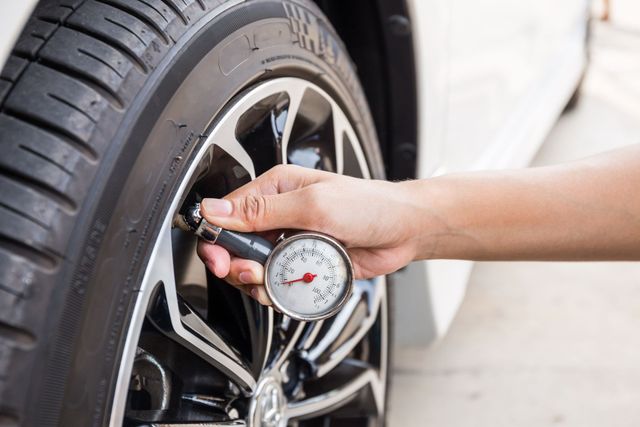
Most passenger tire tread rubber is about 6–9 millimeters thick when new.
I’ve studied tires and worked with drivers and shops for years, so I know the real-world answers about how thick is the rubber on a car tire. This guide explains where that rubber sits, typical measurements, why thickness matters for safety and performance, and how you can check the rubber on your own tires. Read on for clear, practical advice and hands-on tips you can use today.

Tire construction: where the rubber lives and what it does
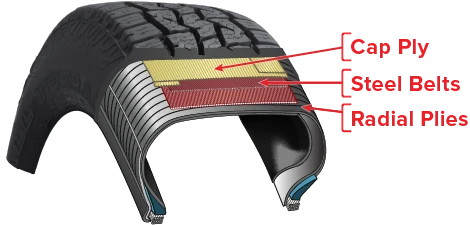
A car tire is a layered structure. The visible rubber is mainly the tread and the sidewalls. Under the tread are belts, plies, and an inner liner that you don’t see but that affect thickness and function.
Tread rubber handles grip, wear, and contact with the road. Sidewall rubber protects the tire’s structure and absorbs impacts. The inner liner is a thin rubber layer that holds air. Understanding these parts helps answer how thick is the rubber on a car tire and why thickness varies.

Typical rubber thickness measurements for passenger tires
New passenger tires usually have tread depths from about 6 mm to 9 mm. In imperial units, that is roughly 8/32" to 11/32". The tread depth includes the groove depth and the wearable rubber above the steel belts.
Sidewall rubber thickness commonly ranges from about 3 mm to 7 mm depending on design and size. The inner liner is very thin, often about 1 mm to 2 mm. Overall, total rubber thickness across a tire varies widely by model and purpose, but the tread is the thickest visible rubber.
How deep is a new tire tread?
New passenger tires most often measure around 7 mm to 8 mm of tread depth. Sport or heavy-duty tires can be a bit deeper.
Does tread thickness include grooves?
Yes. Tread depth measurements count the full depth from tread surface to groove bottom. Wear bars show when usable tread is nearly gone.
How thick is the rubber on a car tire across different tire types?
Performance tires may start with 6 mm to 8 mm. Off-road and winter tires often start thicker, near 8 mm to 12 mm. Low-profile or run-flat tires can have different sidewall thicknesses.
Factors that change rubber thickness
Tire type
- Passenger touring tires usually have moderate tread thickness.
- Off-road and winter tires have deeper tread for traction.
Manufacturer design
- Brands tune rubber depth for handling, wear, and noise. This affects how thick is the rubber on a car tire for a given model.
Tire size and profile
- Larger tires and higher profiles often mean thicker sidewalls and different tread depths.
Load and speed ratings
- Heavier or high-speed tires might use different compounds and more reinforcement, changing felt thickness.
Age and compound
- Softer compounds may wear faster, reducing effective thickness over time. Season compounds also vary.

How rubber thickness affects performance and safety
More tread depth improves wet traction and reduces hydroplaning risk. Thicker tread gives more life before replacement is needed. However, very deep aggressive tread can increase road noise and reduce fuel economy.
Sidewall thickness impacts ride comfort and impact resistance. Thin, flexible sidewalls give a softer ride. Stiffer sidewalls help handling but can transmit more road shock. Knowing how thick is the rubber on a car tire helps you balance comfort, safety, and wear.
How to measure tire rubber thickness at home
Use a tread depth gauge for best accuracy. They are cheap and simple to use. Measure in the main grooves at multiple points across the tire.
Coin tests give a quick check when you lack tools. Insert a coin into the groove and see how much shows. Check for tread wear bars; they mean the tread has reached the legal minimum.
For sidewall thickness, visual inspection and manufacturer specs are the best route. Measuring sidewall rubber precisely requires calipers or a shop inspection.

Common signs rubber is worn or compromised
Look for tread depth at or below 2/32" (about 1.6 mm). That level is considered unsafe for many conditions. Also watch for:
- Cracks or dry rot in the sidewalls.
- Bulges or blisters, which signal structural damage.
- Uneven wear patterns that suggest alignment or inflation issues.
If you see these signs, replace the tire or get a professional inspection. I once kept a spare pair of tires too long and noticed cracks after a hot summer; replacing them prevented a roadside failure.

Maintenance tips to extend tread life and preserve rubber
Keep tires inflated to the recommended pressure. Rotate tires every 5,000 to 8,000 miles. Get regular wheel alignments and balance checks. Store tires away from sunlight and ozone sources when not in use.
Avoid hard braking and aggressive driving when possible. This reduces rapid wear and keeps the rubber thicker for longer. From my own experience, routine rotation extended a set of tires by thousands of miles and kept tread depth even.

Frequently Asked Questions of how thick is the rubber on a car tire
How thick is the tread on a new passenger car tire?
New passenger tires commonly have 6–9 mm of tread depth. That range covers most touring and all-season tires.
At what tread depth should I replace my tires?
Replace tires at or before 2/32" (about 1.6 mm) of tread depth. Wet or winter driving may require replacement sooner.
How thick is the sidewall rubber on a tire?
Sidewall thickness varies but is often 3–7 mm in passenger tires. Design and load rating influence this number.
Can I measure rubber thickness with a coin?
Yes, coin tests are quick checks but not precise. Use a depth gauge for accurate readings.
Does thicker tread always mean better performance?
Not always. Thicker tread often lasts longer and grips snow or mud better, but it can trade off fuel economy and road feel. Tire design matters more than raw thickness.
How does tread rubber thickness affect hydroplaning?
Deeper tread channels water away better, reducing hydroplaning risk. Worn shallow tread loses that ability quickly.
Are run-flat tires thicker in rubber?
Run-flat tires may have reinforced sidewalls rather than much thicker tread. Reinforcement changes how the tire feels and runs after a puncture.
Conclusion
Tread rubber on most new passenger tires sits around 6–9 mm, while sidewalls and liners are thinner and vary by design. Knowing how thick is the rubber on a car tire helps you pick the right tires, spot wear, and make safer choices. Check your tires regularly with a gauge, rotate them, and address any damage promptly. If you found this useful, try measuring your tires today, leave a comment with your results, or subscribe for more practical car care tips.