Expect to pay about $40–$400 for a set of car tire chains, depending on type and size.
If you’re asking how much are car tire chains, you’ve landed in the right place. I’ve tested and installed many traction systems over years of winter driving and writing about automotive gear. This guide breaks down real prices, types, and buying tips so you can choose the right chains for your car, SUV, or truck with confidence. Read on to learn cost ranges, what affects price, safety and legal rules, plus hands-on tips from my own experience.
Why you might need tire chains
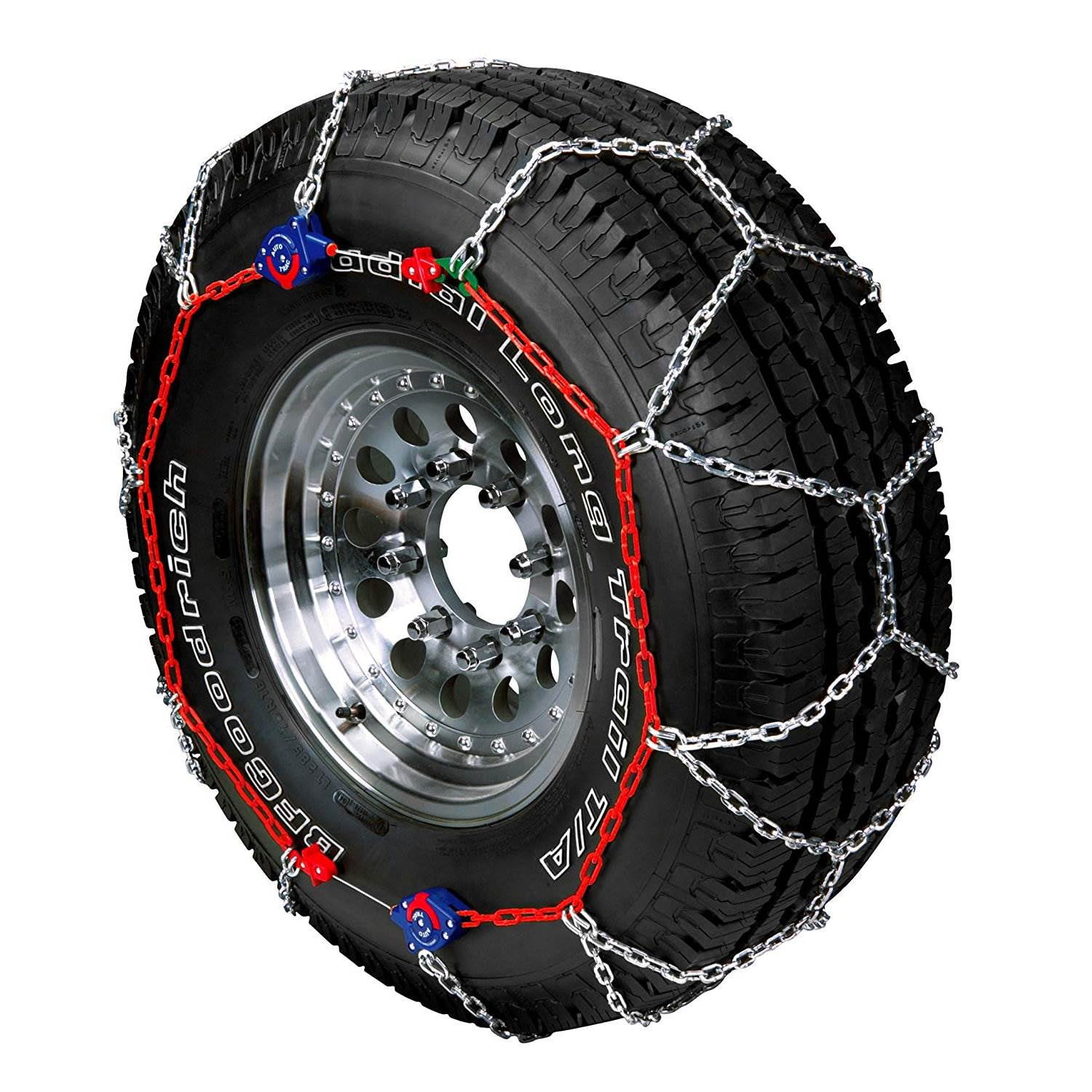
Tire chains help cars gain traction on snow, ice, and packed slush. They can prevent wheel spin and keep you moving when winter roads get nasty. Many mountain passes and some states require chains in storms. Knowing how much are car tire chains helps you plan and avoid last-minute overpayments. Chains also protect your vehicle from getting stranded in remote cold-weather areas.
How much are car tire chains: price breakdown
Prices vary by type, vehicle size, and brand. Below are typical ranges you’ll see in the market.
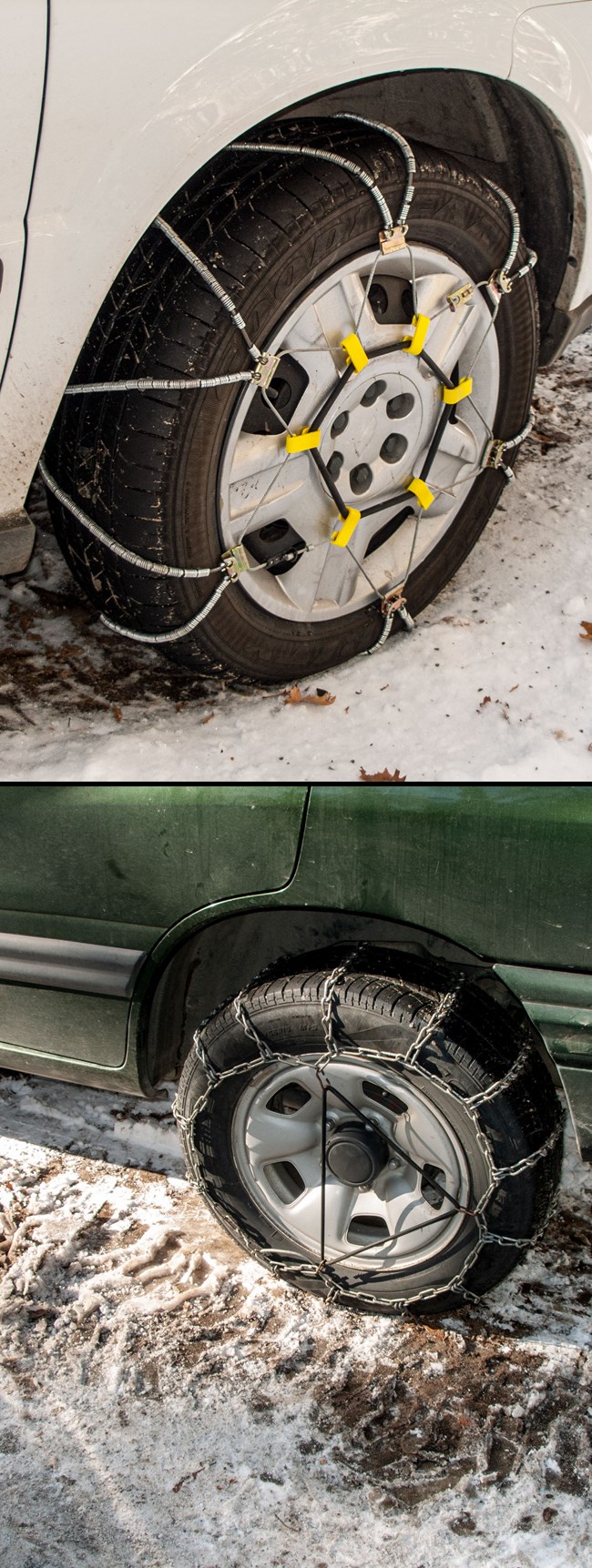
- Economy cable-style chains: $40 to $120 per pair. Good for occasional use and lightweight vehicles.
- Standard steel-link chains: $70 to $250 per pair. Durable and common for regular winter use.
- Higher-end or heavy-duty chains for trucks and SUVs: $150 to $400 per pair. Built for larger tires and rough conditions.
- Self-tightening or automatic chain systems: $400 to $1,500 installed. These are more expensive but easier to deploy.
- Textile snow socks (fabric alternatives): $30 to $120 per pair. Easy to install but wear faster on clear pavement.
- Studded or semi-studded options: extra cost if studs are added; typically $20–$60 extra per set.
Pricing note: Chains are usually sold as a set for two wheels, but some conditions and vehicles require chains on four wheels. When budgeting, check whether the price quote is per pair or per tire.
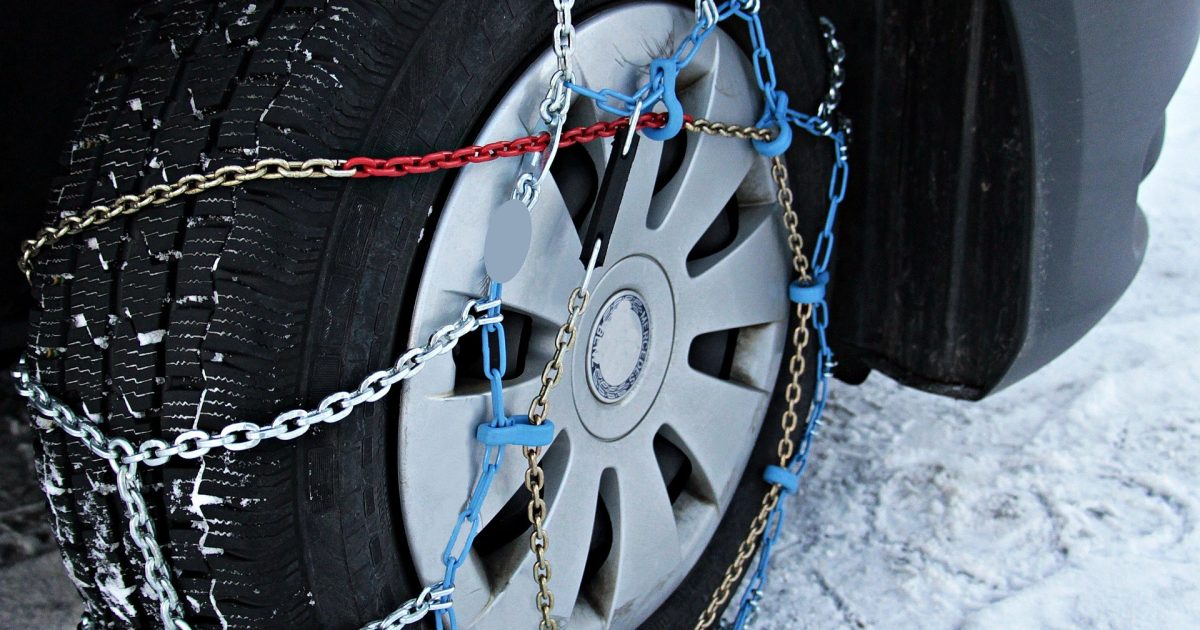
Types of tire traction devices and costs
There are several traction devices beyond basic chains. Each has pros, cons, and cost implications.
Steel-link chains
These are the classic chains. They provide the best bite on ice and deep snow.
- Pros: Strong and durable.
- Cons: Can be noisy and may damage pavement.
- Typical cost: $70 to $250 per pair.
Cable chains
Cable chains are lighter and easier on wheel wells.
- Pros: Compact and often cheaper.
- Cons: Less traction in very deep snow.
- Typical cost: $40 to $120 per pair.
Snow socks (textile)
Made from fabric, they slip over the tire like a cover.
- Pros: Quiet, lightweight, easy to store.
- Cons: Wear quickly on clear pavement and offer less grip on ice.
- Typical cost: $30 to $120 per pair.
Automatic or on-board systems
These are mounted and deployed from inside the vehicle.
- Pros: Fast to deploy, excellent for commercial use.
- Cons: Expensive and often needs professional install.
- Typical cost: $400 to $1,500+ installed.
Studded tires vs chains
Studded tires are a season-long solution. Chains are temporary and used only as needed.
- Studded tires cost roughly $50–$150 more per tire than non-studded winter tires.
- How much are car tire chains versus studs? Chains usually cost less upfront but are removable when not needed.

Factors that affect price
Several factors determine how much are car tire chains for your vehicle.
- Tire size and profile. Large or low-profile tires cost more to fit.
- Vehicle type. Trucks and SUVs need heavier-duty chains.
- Chain pattern and materials. Diamond pattern chains offer smoother rides and can cost more.
- Brand and warranty. Established brands often charge a premium and offer better customer support.
- Ease of installation. Self-tightening or quick-fit systems cost more.
- Regional availability. In remote areas or during peak season, prices rise.
- Accessories and hardware. Tensioners, storage bags, and install tools add cost.
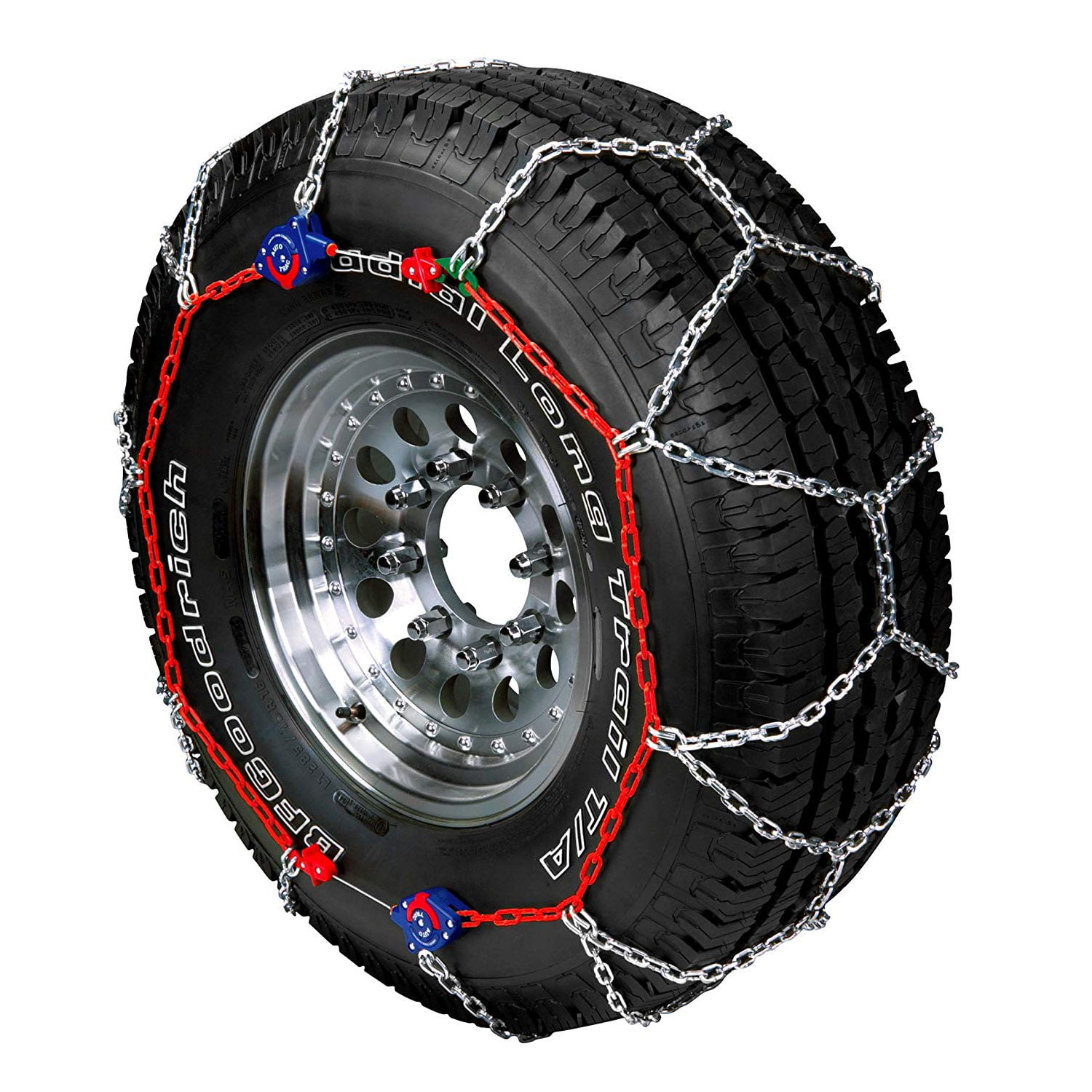
How to choose the right size and fit
Choosing the right size is crucial. Wrong size can damage your vehicle and reduce traction.
- Check your tire sidewall for the size code (example: 205/55R16).
- Consult your vehicle owner’s manual for chain restrictions.
- Use manufacturer fit charts or online fit tools with your exact tire size and car model.
- Choose chains compatible with your brakes, ABS, and wheel wells.
- If in doubt, buy chains labeled “automatic-tension” or “low-profile” for limited clearance vehicles.
Installation, care, and lifespan
Installing chains is easy once you practice. Proper care extends life and performance.
- Practice at home. Install and remove chains in a driveway before you need them.
- Drive slowly with chains. Most manufacturers recommend 20–30 mph max.
- Remove chains on clear pavement to avoid damage.
- Clean chains after use and dry them to prevent rust.
- Store chains in a dry bag with some silica packs if possible.
- Lifespan estimates: textile socks 1–3 seasons; steel chains 5–10+ seasons with care.
Legality and safety tips
Laws vary widely. Some areas mandate chains; others ban certain types.
- Check state and local rules before travel. Mountain passes often post chain requirements.
- Many states require chains only when conditions are severe.
- Some regions forbid studded tires due to road damage.
- Always carry your owner’s manual and chain instructions in the vehicle.
- Be mindful of speed limits when using chains and avoid sudden braking.
Personal experience and buying tips
I learned a few lessons the hard way while testing chains.
- Mistake to avoid: buying the cheapest chains without checking fit. I once had cables that were too loose and came off.
- Practical tip: practice at home in daylight. It builds confidence for roadside installs.
- Recommendation: for occasional winter driving pick cable chains or snow socks for ease. For frequent mountain driving choose steel diamond-pattern chains for durability.
- If you drive a high-clearance truck, invest in heavy-duty chains with thicker links.
- If you live near legal chain-required passes, consider automatic on-board systems despite the cost.
Quick PAA-style questions
What is the cheapest option for traction?
- Snow socks and cable chains are often the least expensive options, usually under $120 per pair.
Do I need chains on all four tires?
- Most passenger cars need chains only on the drive wheels, but four-wheel drive and commercial vehicles may need them on all wheels. Check local rules.
Are chains hard to install?
- Chains take practice but are straightforward. Practice once at home and keep a flashlight and gloves in the car.
Frequently Asked Questions of how much are car tire chains
How much are car tire chains for a small sedan?
Most small sedans use cable or light steel chains. Expect $40 to $150 per pair depending on quality and brand.
Are there hidden costs when buying chains?
Yes. Budget for tensioners, tools, possible professional installation, and seasonal replacement if you use chains often.
Should I buy chains or snow socks?
If you need occasional traction and easy install, snow socks work well. For repeated use on ice and deep snow, steel chains perform better.
Can I fit chains on low-profile tires?
Some low-profile tires restrict chain use. Look for low-profile or specific models made for limited-clearance vehicles.
Do tire chains damage my car?
Improper fit or driving too fast can damage tires, wheel wells, and suspension. Proper fit and correct speed minimize risk.
Conclusion
Knowing how much are car tire chains helps you prepare and choose wisely for winter driving. Prices vary from budget textile socks to heavy-duty steel and high-tech on-board systems. Buy the right size, practice installation, and follow local rules to stay safe. Take action today: measure your tires, check your owner’s manual, and pick a set that fits your climate and driving habits. If this guide helped, leave a comment with your vehicle type and I’ll suggest specific options.