Making a single car tire typically costs between $30 and $120 to produce, depending on complexity and volume.
I’ve spent years studying tire manufacturing, visiting plants, and talking with engineers and buyers. This guide explains how much does it cost to make a car tire in clear terms. You’ll get a full cost breakdown, the steps that drive cost, real-world examples, tips to cut costs, and answers to common questions. Read on to learn what adds up behind the sticker price and how manufacturers and buyers think about production cost.
Overview: what drives the cost to make a tire
A tire is more than rubber. It is a layered product with rubber compounds, steel, fabric, and chemicals. When you ask how much does it cost to make a car tire, you want raw material, labor, overhead, and tooling costs. Each piece affects the final number.
Tires also vary by type. A budget all-season tire costs far less to make than a high-performance or run-flat tire. Production volume matters a lot. High-volume lines lower per-tire cost through scale. This section sets the stage for deeper cost details below.

Typical cost breakdown for a car tire
Costs split into clear parts. Below are typical ranges and shares of total production cost.
- Materials 55% to 70%
- Natural and synthetic rubber, carbon black, steel belts, textile, chemicals.
- Labor and direct operations 5% to 15%
- Machine operators, line staff, basic quality checks.
- Energy and utilities 5% to 10%
- Heat for curing ovens, compressed air, electricity.
- Overhead and factory costs 10% to 20%
- Depreciation, maintenance, plant support.
- Tooling and molds per model 3% to 8%
- Mold cost amortized across volume.
- R&D, testing, and warranty provision variable
- Premium models carry higher R&D and warranty reserves.
When people ask how much does it cost to make a car tire, materials usually form the biggest share. Carbon black, steel cords, and specialized rubber compounds add most of the cost.
The manufacturing steps and where money is spent
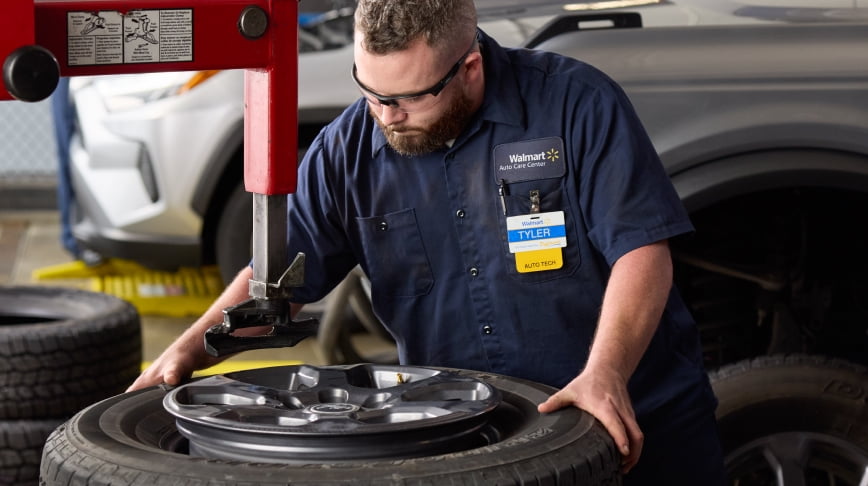
Understanding the process helps explain costs. Here are the main steps and the cost drivers in each.
- Design and engineering
- Costs: R&D time, simulation, and prototyping. Premium tire projects raise per-tire cost early on.
- Compound mixing
- Costs: chemicals, mixers, and quality control. Compound precision affects wear and safety.
- Component preparation (calendering and extrusion)
- Costs: textile and steel placement, extrusion dies. Consistent parts reduce waste.
- Tire building (assembly)
- Costs: skilled operators and automated builders. Complex tread designs take longer.
- Curing (vulcanization)
- Costs: molds and ovens. Mold life and complexity change amortized cost.
- Inspection and finishing
- Costs: testing, balancing, trimming, and final inspection. High-quality control raises cost but reduces returns.
When you ask how much does it cost to make a car tire, note that curing molds and compound quality are big levers. Better compounds and complex molds raise cost quickly.
Key factors that change per-tire cost
Many variables change the answer to how much does it cost to make a car tire. Main factors include:
- Tire size and weight
- Larger tires need more material and longer cycle times.
- Tire type and performance spec
- Performance, run-flat, or EV tires use advanced materials and add cost.
- Material selection
- Natural rubber versus specialty silica compounds differ in price and performance.
- Volume and production scale
- High volume reduces the per-tire share of tooling and fixed costs.
- Location and labor rates
- Plant location affects wage, energy, and logistics costs.
- Brand and regulatory testing
- Safety standards and branded features raise R&D and testing costs.
These factors explain why the simple question how much does it cost to make a car tire rarely has one single answer.
Real-world cost examples and per-tire estimates
Here are practical ranges based on type, with approximate manufacturing cost per tire. These are production estimates and vary by plant, region, and volume.
- Economy all-season tire: $25 to $45 per tire.
- Mid-range passenger tire: $40 to $75 per tire.
- Premium performance or all-weather tire: $70 to $140 per tire.
- Run-flat or specialty EV tire: $100 to $220 per tire.
Retail prices usually include dealer margin, distribution, marketing, and sales taxes. So when consumers wonder how much does it cost to make a car tire, remember retail is usually 2x to 4x the manufacturing cost depending on brand and channel.
How manufacturers lower production cost
Tire makers use several levers to cut costs without losing quality.
- Bulk buying of raw materials to lower unit price.
- Automation in building and inspection to cut labor.
- Better compound formulas that extend mold life.
- Lean manufacturing to reduce waste and cycle time.
- Design for manufacturability to simplify assembly steps.
These steps explain how a maker can reduce how much does it cost to make a car tire over time. Scale and process matter most.
My experience and practical tips
I have visited tire lines and watched production runs. One lesson I learned is that small changes in compound or mold design can change cost per tire by several dollars. Another lesson: quality control saves money in the long run because warranty costs and returns are expensive.
If you are comparing suppliers or building a small line, get detailed BOMs and cycle time data. Ask for amortized mold cost and yield rates. These numbers reveal the true answer to how much does it cost to make a car tire in your context.
People also ask style questions
What follows are short, direct answers to common sub-questions readers search for.
How much do raw materials cost for one tire?
Raw materials for a standard passenger tire typically range from $15 to $60 per tire, depending on quality and type. Materials include rubber, steel, fabric, and chemicals.
Does tire size greatly affect production cost?
Yes. Bigger tires use more material and longer cycle time, which raises the per-tire cost significantly. Size can shift cost by 20% or more between compact and large SUV tires.
How much does labor add to tire cost?
Labor is a smaller share, often 5% to 15% of production cost, thanks to automation. Labor rises for low-volume or highly manual operations.
Are premium tires much more expensive to make?
Premium tires use advanced compounds and molds, higher testing, and more R&D, so their production cost can be 2x or more than economy tires. That drives higher retail prices.
Can I make tires cheaper with lower-quality materials?
Using cheaper materials lowers short-term cost but raises wear, safety risks, and warranty claims. Long-term costs and brand damage can outweigh initial savings.
Frequently Asked Questions of how much does it cost to make a car tire
How much does it cost to make a car tire for an economy model?
Economy model tires cost about $25 to $45 to make, depending on material prices and volume. High-volume lines and simple tread designs lower cost.
How much does it cost to make a car tire for a premium model?
Premium tires typically cost $70 to $140 or more per tire to produce, due to advanced compounds, testing, and complex mold designs. R&D and warranty provisions also increase cost.
How much does it cost to make a car tire for run-flat or EV tires?
Run-flat and EV-focused tires can cost $100 to $220 per tire to produce because they use reinforced sidewalls, special compounds, and extra testing. These features add material and process time.
How much does it cost to make a car tire in low-volume production?
Low-volume production raises per-tire cost because tooling and mold costs spread over fewer units. Expect a 20% to 100% premium over mass production costs, depending on scale.
How much does shipping and logistics add to tire cost?
Shipping and logistics add several dollars per tire, depending on distance and container efficiency. Bulk shipping lowers per-tire freight but last-mile distribution adds cost.
Conclusion
Making a tire blends chemistry, engineering, and manufacturing. The simple question how much does it cost to make a car tire has many answers. Typical production costs range from about $25 for basic tires to over $150 for specialty types. Materials, mold design, volume, and testing drive most of the cost. If you want to reduce cost, focus on material sourcing, process efficiency, and scale.
Takeaway: define your needs first. If you’re buying in volume, ask suppliers for detailed cost breakdowns and yield data. That helps you negotiate real savings and make smart design choices. If this guide helped, leave a comment, ask a question, or subscribe for updates on manufacturing insights and cost-saving tips.