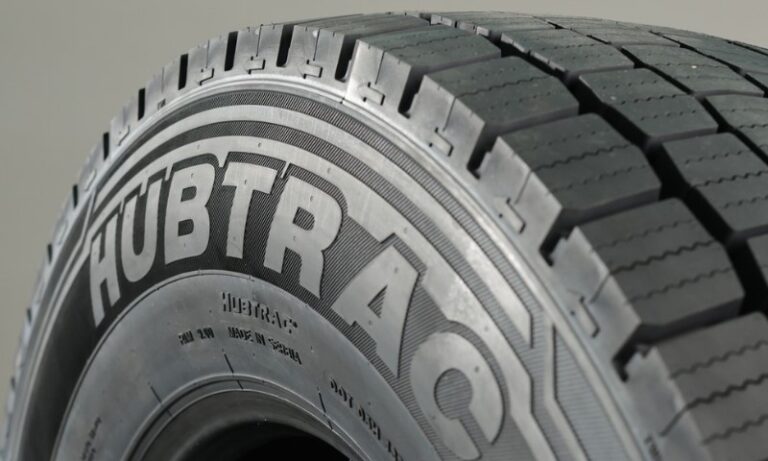
Car tire sidewalls usually measure about 4 mm to 10 mm thick, varying by tire type and design.
As someone who has inspected tires in workshops and on long road trips, I’ll walk you through exactly how thick is the sidewall of a car tire, why that thickness matters, and how it affects ride, safety, and longevity. You’ll get clear definitions, real measurements, simple tests you can try, and practical tips from hands-on experience so you can make smart choices for your vehicle.
Understanding sidewall thickness and what it means
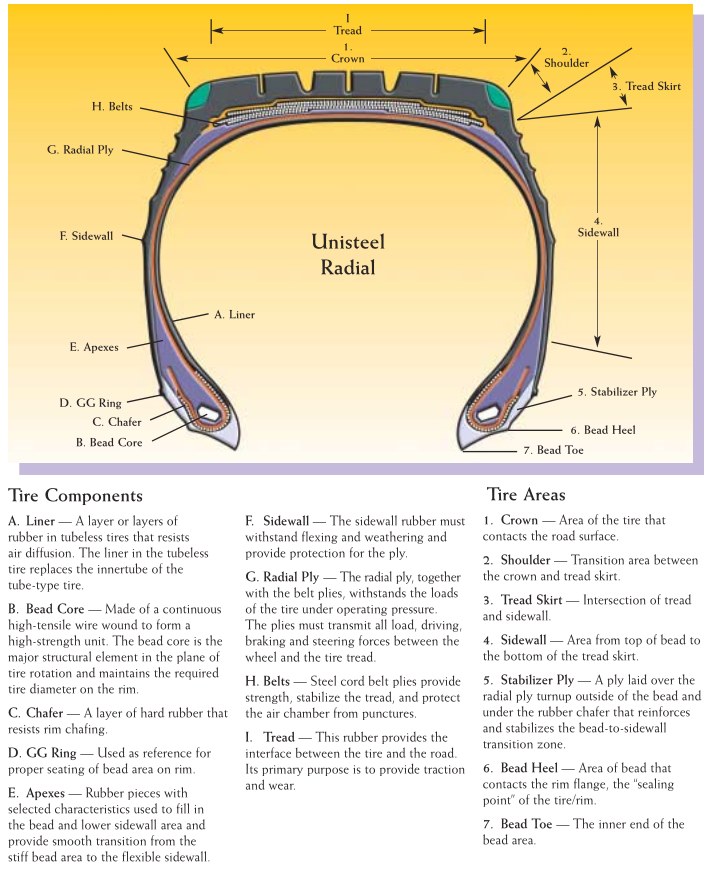
The sidewall is the tire area between the rim and the tread. It helps support the vehicle, cushion bumps, and hold the tire’s structure. Asking how thick is the sidewall of a car tire really means two things: the visible rubber layer thickness and the internal layered construction that gives strength.
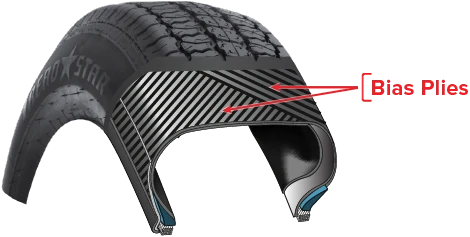
Tire sidewalls are not one uniform layer. They have rubber, fabric plies, and sometimes steel belts near the bead. That mix sets the effective thickness and strength. When people ask how thick is the sidewall of a car tire they often confuse outer rubber measurement with internal ply structure.
Typical thickness ranges by tire type
Here are common ranges for typical passenger and performance tires. These numbers are general; specific brands and models vary.
- Passenger cars
- Outer rubber thickness: about 4 mm to 6 mm
- Total layered thickness (rubber plus plies): 6 mm to 12 mm
- Performance and sports tires
- Outer rubber: about 3.5 mm to 6 mm
- Stronger plies give similar or slightly greater total thickness
- Light trucks and SUVs
- Outer rubber: about 5 mm to 10 mm
- Thicker plies for load capacity, up to 15 mm total in some designs
- Run-flat tires
- Outer rubber: similar to passenger tires
- Internal reinforcement can add several millimeters of effective thickness
If you wonder how thick is the sidewall of a car tire for your vehicle, check the tire model specs or consult a tire shop. Specs usually list ply structure and materials rather than a single millimeter figure.
How manufacturers measure sidewall thickness
Manufacturers consider two measures when asked how thick is the sidewall of a car tire:
- Rubber thickness
- Measured from the outer tread edge to the point where the fabric ply lies
- Total structural thickness
- Includes rubber plus fabric or steel layers
- Measured in a lab using cross-section cuts and micrometers
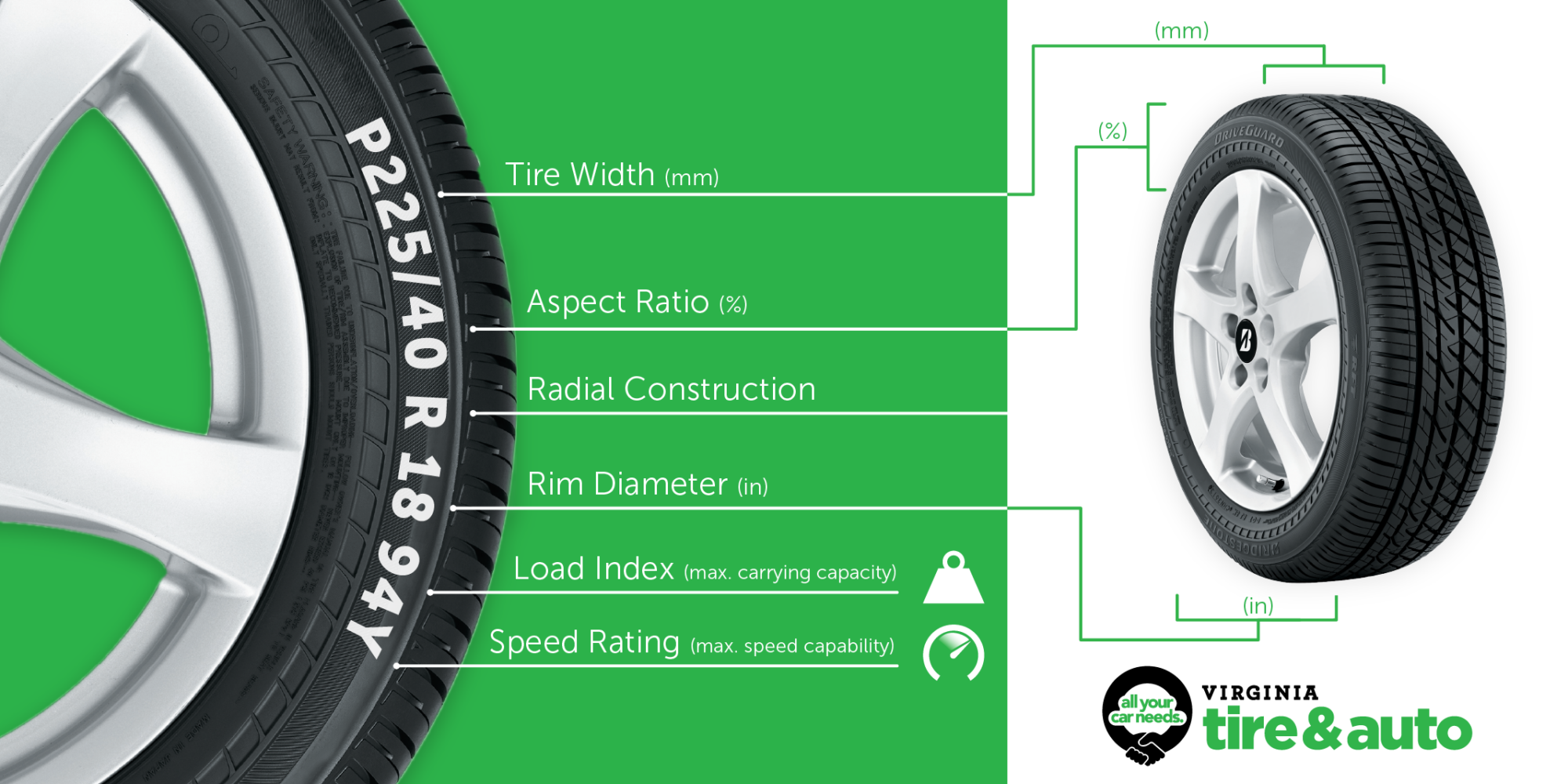
Functional ratings like load index and speed rating reflect that structure more than a single thickness number. So the real-world effect of how thick is the sidewall of a car tire depends on construction, not just outer millimeters.

Why sidewall thickness matters
Sidewall thickness affects several things drivers care about:
- Ride comfort
- Thicker, more flexible sidewalls cushion bumps.
- Handling
- Stiffer sidewalls improve cornering and steering response.
- Damage resistance
- Thicker outer rubber can resist cuts and scrapes better.
- Load capacity
- Stronger internal layers allow higher load ratings.
- Fuel economy
– Stiffer tires can lower rolling loss slightly, improving efficiency.
When you think about how thick is the sidewall of a car tire, remember it’s a trade-off: comfort versus sharp handling and protection versus weight.

Real-world examples and measurements
From my experience inspecting different tires, here are some real checks you can do:
- Compact car tire (OE)
- Measured outer rubber about 4.5 mm, total structure near 7–9 mm.
- Performance summer tire
- Outer rubber 3.8–5 mm, stiffer plies so total 8–11 mm.
- All-terrain SUV tire
- Outer rubber 6–9 mm, total structural thickness often 12–15 mm.
I once replaced a set of economy tires with touring tires. The touring sidewalls felt thicker and delivered a quieter, smoother ride. The label didn’t state an exact sidewall millimeter, but the fabric ply count and feel made the difference.
Factors that change sidewall thickness
Several factors explain why how thick is the sidewall of a car tire can differ so much:
- Tire purpose
- Economy, touring, performance, off-road, and run-flat designs vary.
- Ply materials
- Nylon, polyester, aramid, and steel change thickness and strength.
- Tread pattern and shoulder design
- Bulky shoulders often mean more rubber at the side.
- Manufacturer design goals
- Some makers favor comfort, others favor sport handling.
- Age and wear
- Sidewall rubber does not wear like tread, but weathering can thin outer layers over long periods.

How to check sidewall condition and thickness at home
You don’t always need a lab to get useful info about sidewall thickness and health.
- Visual check
- Look for cuts, bulges, or cracks. These show structural issues regardless of thickness.
- Simple feel test
- Press gently with your thumb. Flexible give suggests softer sidewalls; very rigid suggests stiff plies.
- Use calipers on a removed tire
- If you own a spare or a tire off the wheel, measure thickness across a cut area.
- Check tire markings
- Look for ply composition and load info on the sidewall. That tells you construction more reliably than a mm value.
When asking how thick is the sidewall of a car tire, remember condition matters as much as original thickness. Age and damage reduce safety even when original thickness was adequate.

Tips for choosing tires with the right sidewall thickness
Pick a tire that matches your driving style and vehicle needs.
- For daily comfort
- Choose touring tires with flexible sidewalls.
- For sporty handling
- Choose performance tires with stiffer sidewalls.
- For rough roads or off-road
- Choose tires with thicker outer rubber and reinforced plies.
- For heavy loads or towing
- Choose tires with higher ply ratings and stronger construction.
I recommend discussing your needs with a trusted tire dealer. Tell them your usual roads, load, and driving style, and ask about sidewall construction rather than just a millimeter number.

PAA-style quick questions
Does a thicker sidewall mean a stronger tire?
Not always. Thicker outer rubber can resist cuts, but true strength comes from internal plies and material quality.
Can sidewall thickness affect fuel economy?
Yes. Stiffer tires can cut rolling resistance slightly, improving economy, but the effect is small compared to vehicle factors.
Will thicker sidewalls prevent punctures?
Thicker rubber helps against scrapes and pinch flats, but sharp objects or severe impacts can still penetrate.
Frequently Asked Questions of how thick is the sidewall of a car tire
What is the average thickness of a car tire sidewall?
Most passenger tire outer sidewall rubber ranges from 4 mm to 6 mm, with total structural thickness often 6 mm to 12 mm.
How can I measure sidewall thickness myself?
You can use calipers on a removed tire. For mounted tires, inspect ply markings or ask a tire shop for a cross-section measurement.
Do run-flat tires have thicker sidewalls?
Run-flat tires have reinforced sidewalls or internal rings that add effective thickness and support, so they feel and act thicker.
Does sidewall thickness change with tire wear?
Sidewall rubber doesn’t wear like tread. However, weathering and damage can thin or weaken the sidewall over time.
Is a thicker sidewall always safer?
Not always. Thicker sidewalls resist damage, but safety also depends on material, ply design, correct pressure, and overall tire condition.
Conclusion
Sidewall thickness matters, but it’s only one part of the story when you ask how thick is the sidewall of a car tire. The visible millimeters tell some of the tale, while internal plies, materials, design goals, and condition complete it. Choose tires based on your driving needs, inspect sidewalls regularly, and consult experts for load or off-road use. Try a simple thumb test, check ply markings, and ask for cross-section data if exact measurements matter to you.
Take action today: inspect your tires, note their sidewall markings, and talk to a tire pro if you want a tire better suited to comfort, performance, or load. Leave a comment about your experience with different sidewalls or subscribe for more practical tire guides.