Use about 8 to 16 ounces of slime per standard passenger tire, more for larger tires.
I’ve worked with tires and sealants for years, and I’ll guide you through exactly how much slime for a car tire, why it matters, and how to apply it safely. Read on for clear rules, real examples, and easy steps so you can make the right choice for your car, truck, or SUV.

Why people use slime in tires
Tire slime is a liquid sealant that seals small punctures and slows leaks. It helps keep you moving after hitting small nails or sharp debris. People use slime for peace of mind during long drives or off-road trips.
Tire slime acts as both a sealant and a tire inflator in some kits. It’s not a perfect fix for big cuts or sidewall damage. Knowing how much slime for a car tire matters for proper sealing and balance.

How much slime for a car tire: measurement and guidelines
How much slime for a car tire depends on tire size and type. Use these rough guides to start.
- Small passenger cars (13–15 inch wheels): 8 to 12 ounces per tire.
- Mid-size cars and small SUVs (16–18 inch wheels): 12 to 16 ounces per tire.
- Large SUVs, light trucks, and off-road tires (19+ inches): 16 to 32 ounces per tire.
- Temporary inflator kits often supply 8–16 ounces and suit many passenger tires.
These are starter numbers. Always check the slime product label. Some manufacturers give exact volume by tire diameter or internal volume. Overfilling can cause imbalance. Underfilling may not seal the puncture.
How much slime for a car tire varies with tread depth, tire pressure, and remaining tire air. Lower pressure means more sealant spreads inside. If a tire has a big hole, no amount of slime will give a safe permanent fix.
PAA-style quick questions
How much slime do I need for a flat tire?
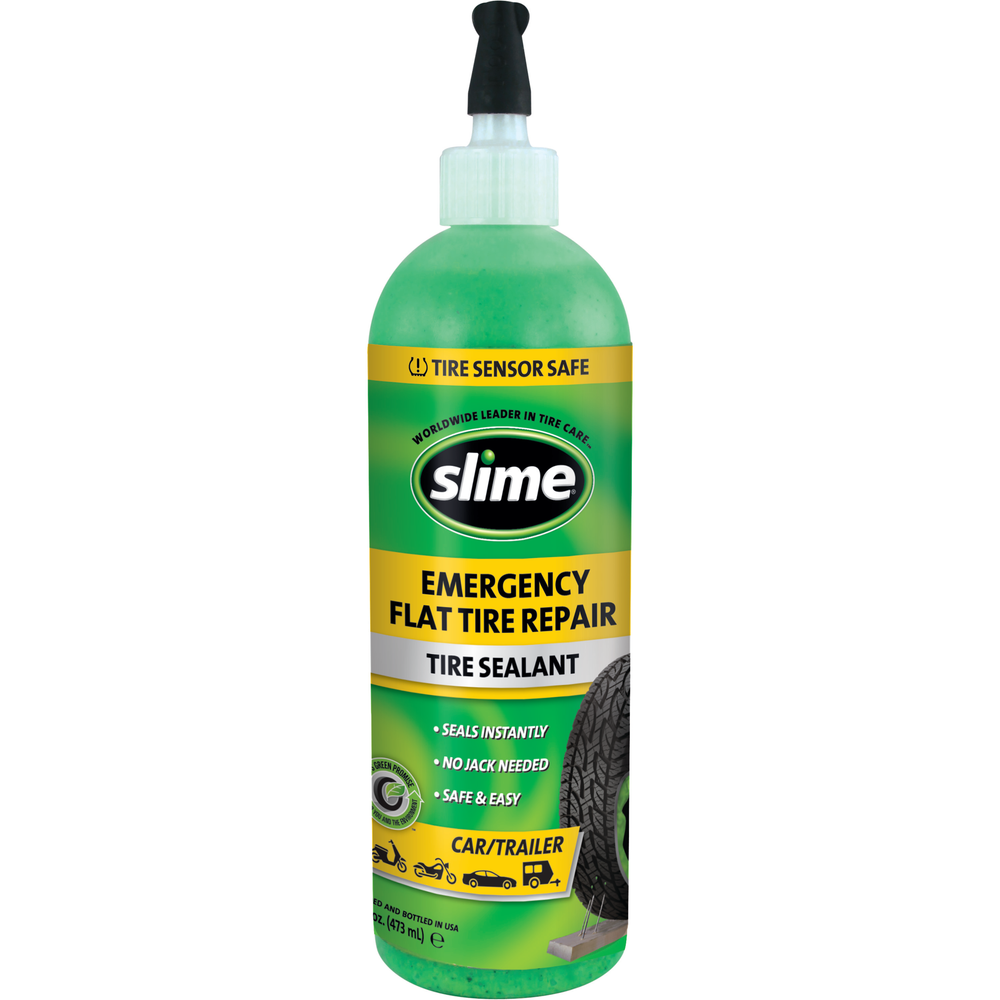
Most passenger flats need about 8–16 ounces of slime. Bigger tires need more.
Can slime be used in alloy wheels?
Yes, most formulations are safe for alloys, but clean the wheel later to avoid corrosion or residue.
Will slime fix a puncture from a nail?
It often seals small punctures up to 1/4 inch. It won’t fix sidewall tears or big gashes.
How to apply slime to a tire: step-by-step
Follow simple steps to add sealant safely.
- Prepare the tire. Remove valve cap and clear any debris.
- Use the product adapter. Attach the slime bottle to the valve stem or use a pump hose.
- Add the recommended amount. Pour the ounces advised for your tire size.
- Reinflate to the proper pressure. Drive a short distance to spread sealant.
- Check and balance. Inspect for leaks and have the tire professionally repaired or replaced soon.
Drive slowly for the first few miles after applying slime. The product needs time to reach and seal the hole. If the leak keeps going, get a shop to remove the tire and repair it properly.

Benefits and limits of using slime
Benefits
- Quick emergency fix that can save you from a roadside change.
- Keeps you moving long enough to reach a repair shop.
- Works well for small punctures in the tread area.
Limitations
- Not a permanent fix for large or sidewall damage.
- Can complicate professional repairs if not cleaned out.
- May slightly unbalance the tire if unevenly distributed.
Be honest about what you expect. Slime is excellent for short-term sealing and safety. It’s not a substitute for a proper tire patch or replacement when needed.
Practical examples and calculations
Example 1: Small sedan with 15-inch wheels
- Recommended slime: 10 ounces each tire.
- A 12-ounce bottle covers all four tires with some left over.
Example 2: Mid-size SUV with 18-inch wheels
- Recommended slime: 14 ounces each tire.
- A 32-ounce kit covers two tires. Buy two kits for a full set.
Example 3: Light truck with 20-inch off-road tires
- Recommended slime: 24–32 ounces per tire.
- Use a large professional kit or have a shop handle application.
How to calculate roughly by tire volume
- Estimate tire internal volume by size and use the chart above as a guide. Add 10–20 percent extra if you want longer sealing life. Keep records of how much slime you add so you don’t overdo it later.

My hands-on experience and tips
I’ve added sealant to city cars, crossovers, and a few off-road rigs. Once, a slow leak kept me waiting on the shoulder. Ten ounces of slime did the trick and got me to a shop safely. I learned to always carry a small gauge and a spare bottle.
Tips from the road
- Keep one sealed bottle in the trunk for emergencies.
- Note the date when you added slime. Many formulas last 2–5 years inside a tire.
- If you buy used tires, ask if they had slime before. Old sealant can harden and cause problems.
Avoid common mistakes such as overfilling and using slime in tires with prior sidewall damage. When in doubt, ask a trusted tire shop.
Safety, cleanup, and professional repair
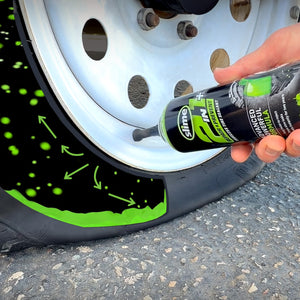
Safety first. Tire sealants are usually non-toxic but they can irritate skin or eyes. Wear gloves and wash hands after use. Keep sealant away from painted surfaces to avoid staining.
Cleanup tips
- Remove the wheel to clean the inside if you need a permanent repair.
- Most shops will remove sealant before plugging or patching the tire.
- Use soap and water or a recommended cleaner to remove residue.
When to see a pro
- If the puncture is in the sidewall or very large.
- If you feel a vibration or imbalance after adding slime.
- For routine inspection after a sealing event.

Frequently Asked Questions of how much slime for a car tire
How long does slime last inside a tire?
Sealers typically last from 2 to 5 years inside a tire, depending on formula and driving conditions. Check the product label for exact lifespan.
Can slime damage tire pressure sensors?
Most modern sealants are compatible with TPMS sensors, but always verify the product claims before applying. If uncertain, consult a professional.
Is one bottle enough for all four tires?
One bottle may be enough for small cars, but mid-size or larger tires usually need multiple bottles or a larger kit. Match bottle size to tire sizes.
Can I drive at highway speed after adding slime?
You can drive at normal speeds after the sealant spreads, but drive cautiously for the first few miles. If the sealant does not stop the leak, slow down and seek help.
Will slime balance my tires?
Sealant can shift and cause slight imbalance. Professional balancing may be needed after adding a large amount of product.
Conclusion
Choosing the right amount of sealant matters. Use about 8–16 ounces for most passenger tires and increase for larger or off-road tires. Follow product guidelines, apply carefully, and treat slime as a temporary safety aid rather than a permanent fix.
Take action today: check your vehicle’s tire size, keep a sealed bottle in the trunk, and make a plan to visit a tire shop if you ever use slime. Leave a comment with your experience or questions — I’d love to help you pick the right amount and kit for your ride.