Most passenger cars need about 32–35 PSI in tires for safe, efficient driving.
As an automotive writer and longtime DIY car owner, I’ve tested pressures, fixed uneven wear, and learned which checks really matter. This guide explains exactly how much car tire pressure should be set, why that number matters, and how to check and adjust pressure like a pro. You’ll get plain answers, simple steps, real examples, and quick fixes you can use today.
Why correct tire pressure matters
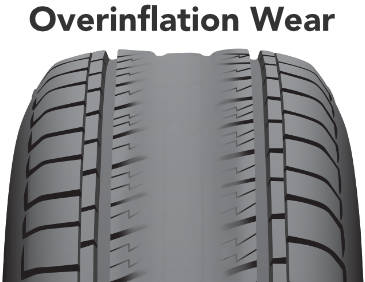
Tire pressure affects safety, ride comfort, fuel economy, and tire life. Low pressure makes sidewalls flex more. That increases heat and can lead to blowouts. High pressure reduces the contact patch. That lowers grip and causes center wear.
Keeping the right pressure improves braking, handling, and mileage. I once drove 5,000 miles on slightly low tires and saw fuel economy drop and tread wear speed up. Small pressure changes have big effects.

What is the right tire pressure for your vehicle?
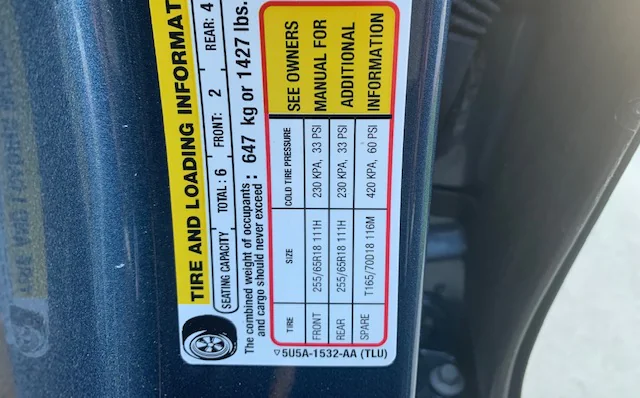
Recommended pressure varies by vehicle and tire. The correct number is on the vehicle placard. Look inside the driver’s door jamb or in your owner’s manual. The number there is the target for cold tires.
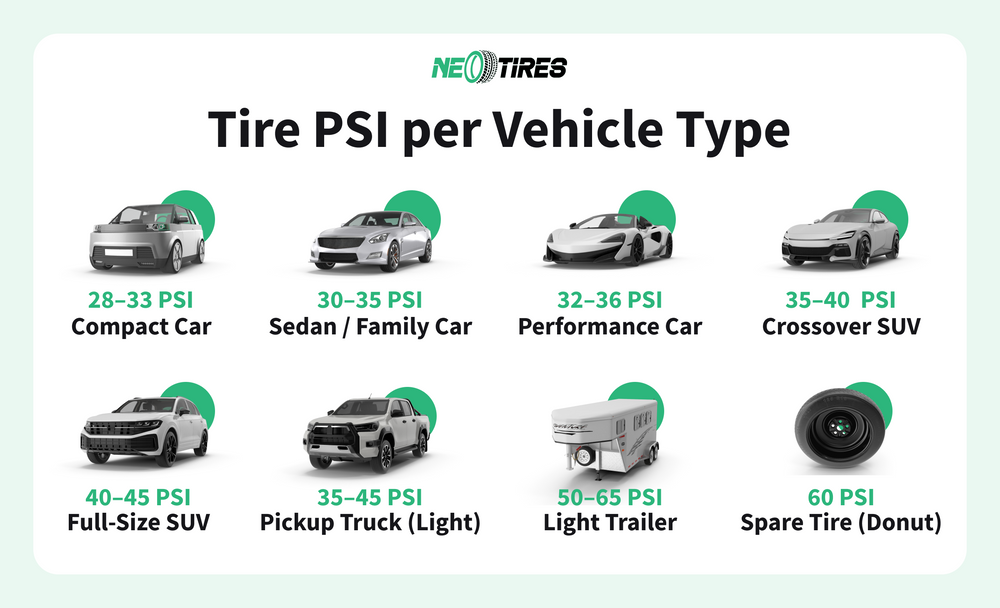
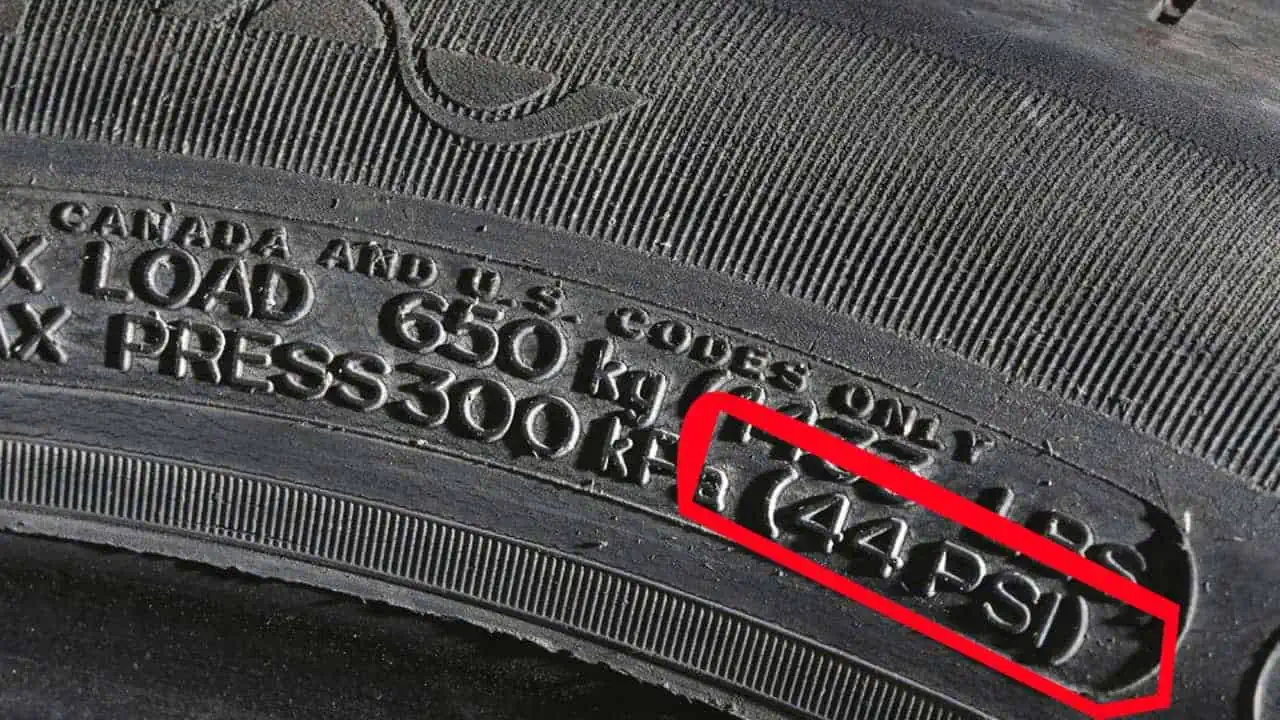
Common passenger car range is 30–35 PSI. Many modern sedans list 32 PSI. Light trucks and SUVs often use 35–40 PSI. Never use the maximum pressure printed on the tire sidewall as your recommended pressure. That number is the tire’s limit, not the vehicle’s setting.

How to read PSI vs kPa and cold vs hot pressure
PSI is common in the U.S.; kPa appears in other markets. Cold tire pressure means the tires haven’t been driven for at least three hours. Check pressure before driving, or after a short drive only if you subtract a bit for warmth. Manufacturers set the placard value for cold tires.
If you must check after driving, expect a rise of 2–5 PSI. Use the placard cold value as your target.
How to check and adjust tire pressure (step-by-step)
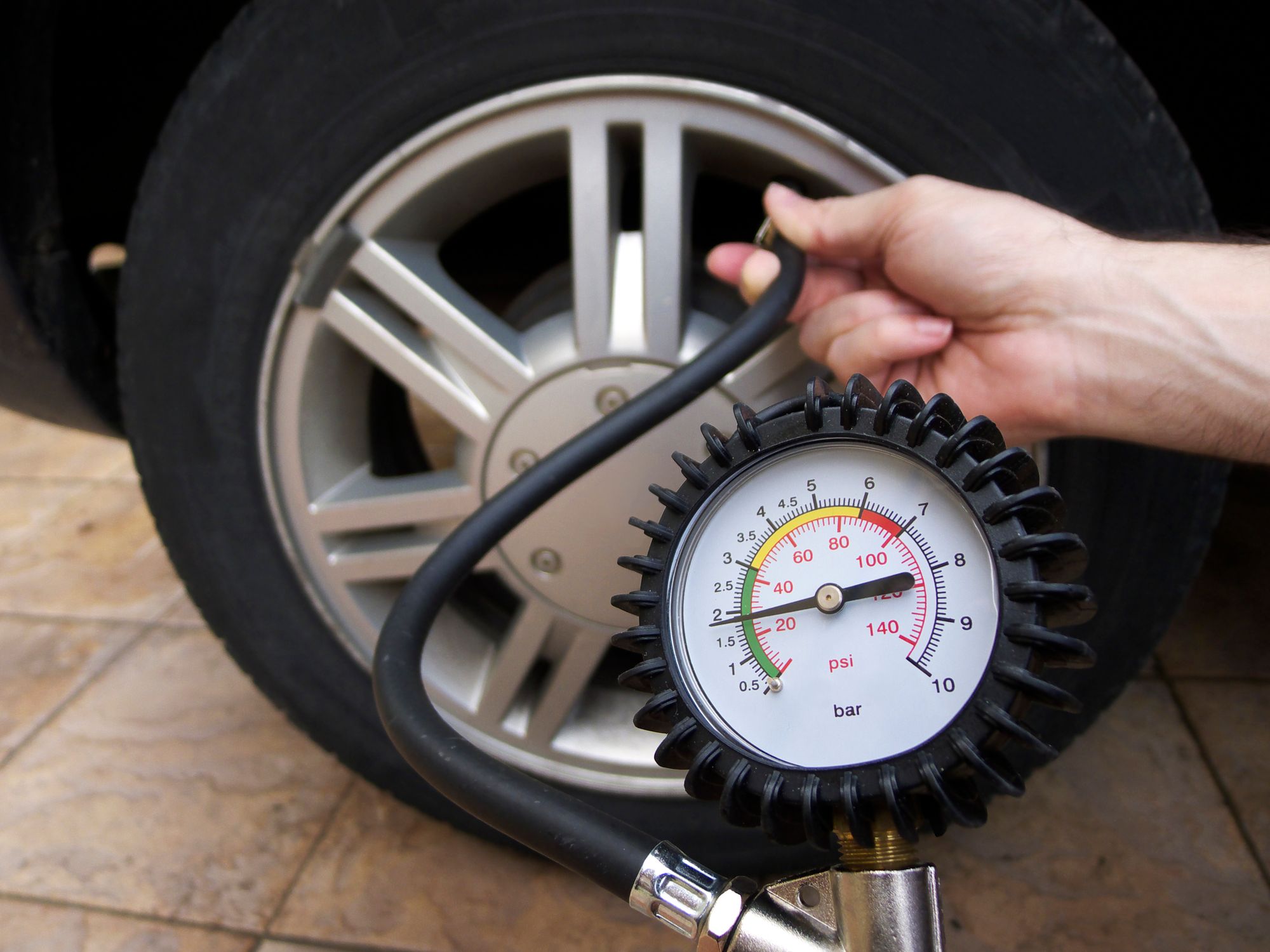
Use a quality gauge and an air compressor. Digital or accurate dial gauges are best. Many gas stations have compressors with built-in gauges that are inconsistent. Carry a personal gauge.
Step-by-step:
- Check tires when cold, in the morning if possible.
- Remove valve caps and press the gauge firmly to the valve stem.
- Read the gauge and compare to the placard value.
- Add air in short bursts, re-checking frequently.
- If overinflated, press the small pin in the valve to release air slowly.
A tip from my experience: keep a trusted digital gauge in the glove box. It saved me when the station gauge was off by 4 PSI. Also recheck after long trips.
Quick questions answered
What if my car lists two pressures, front and rear?
Use the front and rear numbers as listed. Many vehicles require higher rear pressure for load balance.
How often should I check tire pressure?
Check at least once a month and before long trips or heavy loads.
Can I inflate to the maximum on the tire sidewall?
No. The sidewall max is not the vehicle recommendation. Follow the placard.
Effects of underinflation and overinflation
Underinflation consequences:
- Reduced fuel economy due to rolling resistance.
- Increased tire heat and faster wear on edges.
- Poor handling and higher blowout risk.
Overinflation consequences:
- Reduced traction and harsher ride.
- Center tread wears faster.
- Increased chance of damage from road hazards.
Real-life example: I once drove with the front tires 8 PSI low. The steering felt vague and fuel economy dropped 1.5 MPG. After correcting pressure, handling returned and MPG improved.

Seasonal changes, loads, and special cases
Hot weather raises tire pressure. On very hot days, expect pressure to be 1–3 PSI higher. Cold weather lowers pressure sharply. For every 10°F drop, tire pressure drops by about 1 PSI.
When carrying heavy cargo or towing, increase pressure within manufacturer limits. The placard often shows a higher recommended pressure for fully loaded conditions. If your placard doesn’t, add 2–4 PSI when towing or carrying heavy loads, then recheck when unloaded.
Special tires:
- Run-flat tires and performance tires sometimes list different pressures. Always follow the vehicle placard.
- Larger aftermarket wheels can change ride feel—consult a tire pro for recommended adjustments.
Source: santaclaritaautosound.com
Tools, maintenance tips, and common mistakes
Tools you need:
- A reliable pressure gauge (digital or dial)
- Access to an air compressor
- Tire pressure monitoring system (TPMS) familiarity
Maintenance tips:
- Keep valve caps on to prevent leaks.
- Inspect tires monthly for cuts, bulges, and tread depth.
- Rotate tires per owner’s schedule to even wear.
Common mistakes to avoid:
- Using the tire sidewall max as the recommended pressure.
- Checking only when tires are hot and using that reading as cold pressure.
- Trusting free station gauges without cross-checking your own.
Source: discounttire.com
Personal lessons and mistakes to avoid
From years working on cars, I learned three things:
- A small, reliable gauge beats a cheap station gauge every time.
- Set pressures for cold tires and recheck after a few days.
- Don’t ignore TPMS warnings—address the root cause rather than resetting a light.
Once I ignored a slow leak indicator and ended up with uneven wear that required early replacement. It cost me double the time and money. Fix slow leaks promptly and monitor pressures.
PAA-style short answers (common quick queries)
Will higher tire pressure improve mileage?
Slightly, but overinflation harms traction and wear. Stick to manufacturer recommendations for the best balance.
Is 40 PSI safe for most cars?
Not always. Many passenger cars recommend 32–35 PSI. Check the placard before using 40 PSI.
Do tire pressures differ for front and rear?
Yes. Some cars specify different pressures for front and rear based on weight distribution. Follow the placard.
Frequently Asked Questions of how much car tire pressure should be
What is the standard tire pressure for most cars?
Most passenger cars recommend 30–35 PSI, with 32 PSI common. Always use the vehicle placard as the definitive guide.
How often should I check tire pressure?
Check tire pressure at least once a month and before long trips. Also check after significant temperature changes.
Can I use the tire’s sidewall PSI as a guide?
No. The sidewall shows the tire’s maximum PSI, not the vehicle recommendation. Use the placard value.
How much should I increase tire pressure when towing?
Increase by 2–4 PSI when carrying heavy loads or towing, within manufacturer limits. Check the placard for specific recommendations.
What does TPMS low-pressure light mean?
It indicates one or more tires are below the set threshold. Check pressures immediately and repair any leaks.
Conclusion
Knowing how much car tire pressure should be set is simple and powerful. Use the vehicle placard as your guide, check cold tires monthly, and use a good gauge. Correct pressure improves safety, saves fuel, and extends tire life. Take five minutes this week to check your tires and make small adjustments—your car and wallet will thank you. Leave a comment with your tire-pressure questions, subscribe for more car care tips, or share a tire story below.