
An Indy car tire typically weighs about 35–45 pounds (16–20 kg), depending on position and compound.
I’ve worked around race teams and studied tire data, so I know how much an Indy car tire weigh matters for lap times, pit strategy, and safety. This article breaks down exact weights for front and rear tires, explains the factors that change tire mass, shows how teams manage weight, and shares hands-on tips from the paddock. Read on to get a clear, practical view of how much an Indy car tire weigh and why that number is more than just a stat.
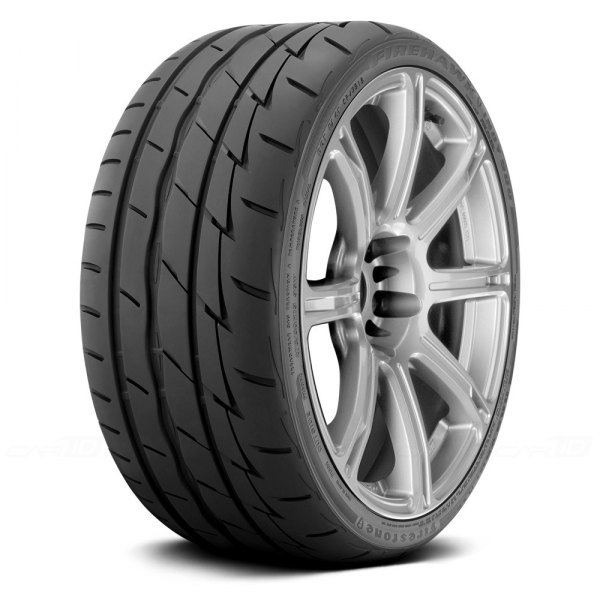
Typical weights: front tire versus rear tire
Indy car tire weights vary by position. Front tires are narrower and usually lighter. A front Indy tire often falls in the 30–38 pound range. Rear tires are wider, taller, and heavier. Rear tires commonly weigh between 38–45 pounds.
How much an Indy car tire weigh depends on whether it’s mounted with a wheel. Team wheel assemblies add several pounds. When comparing numbers, always note if the weight refers to tire-only or tire-plus-wheel. Teams track both figures closely to tune balance and handling.
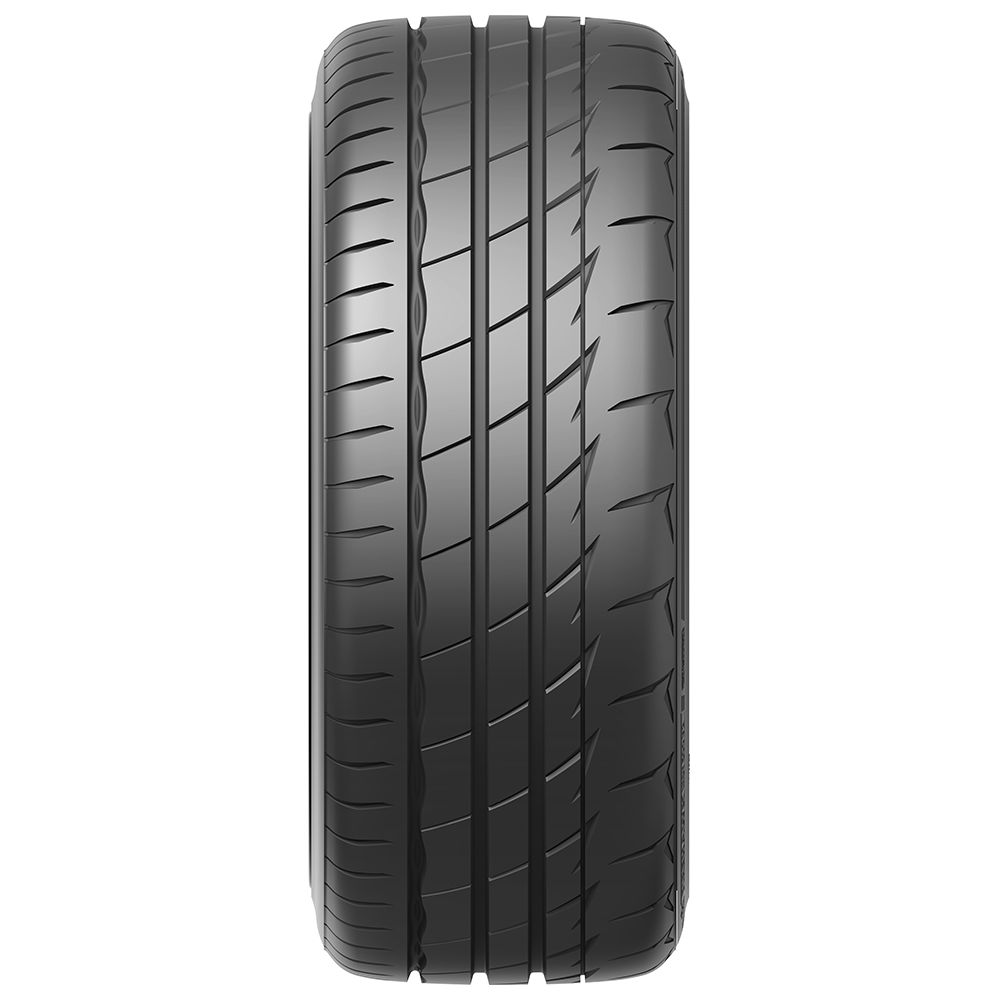
What affects how much an Indy car tire weigh
Several clear factors change tire mass. These explain why a single value is not enough.
- Tire construction
- Racing tires have thicker sidewalls and reinforcements. That adds weight compared with street tires.
- Compound and tread
- Softer compounds may require more rubber. Wet tires with grooves weigh more than slicks.
- Bead and liner materials
- Stronger beads and inner liners increase mass for safety at high load.
- Rim and sensor assembly
- Mounted tires include rims, valve stems, and telemetry sensors. These parts can add 5–10 pounds.
- Wear and heat cycling
- A used, worn tire can lose rubber and weigh less. But packed debris can add weight back in race conditions.
- Air pressure and temperature
- Higher pressures change the effective mass distribution, though not the actual mass much. Temperature causes expansion and affects how teams measure weight.
If you ask how much an Indy car tire weigh in a race, expect a range. Precision matters for setup and pit planning.
Why understanding how much an Indy car tire weigh matters
Tire mass is not just a number. It affects how the car behaves on track.
- Rotational inertia
- Heavier tires increase rotational inertia. That slows acceleration and deceleration at each corner.
- Unsprung mass and handling
- Heavier wheel assemblies increase unsprung mass. That reduces grip over bumps and lowers responsiveness.
- Fuel and strategy
- Teams calculate fuel and tire wear together. Knowing how much an Indy car tire weigh helps with stint planning and pit-timing.
- Safety and durability
- Heavier, reinforced tires can be safer on ovals at high speeds. Teams balance weight against wear rates.
Small weight differences change lap times. Teams aim to keep tire sets matched within a few ounces for consistent handling.

How teams measure and manage tire weight
Teams use consistent methods to control tire mass. These steps are standard in the paddock.
- Precision scales
- Tires are weighed on calibrated scales. Teams record tire-only and tire-plus-wheel weights.
- Matching sets
- Engineers match left and right, front and rear, to level handling. They swap rims and wheels as needed.
- Temperature control
- Tire blankets and controlled storage keep temperatures steady for accurate weighing.
- Data logging
- Telemetry and past weight logs inform choices on compounds and inflation. Teams use these numbers to predict changes during a stint.
- Real-world adjustments
- Drivers and crew give feedback. If a tire feels heavier or sluggish, teams respond with pressure and setup tweaks.
Knowing how much an Indy car tire weigh is part engineering and part art. The best teams combine hard data with driver feel.
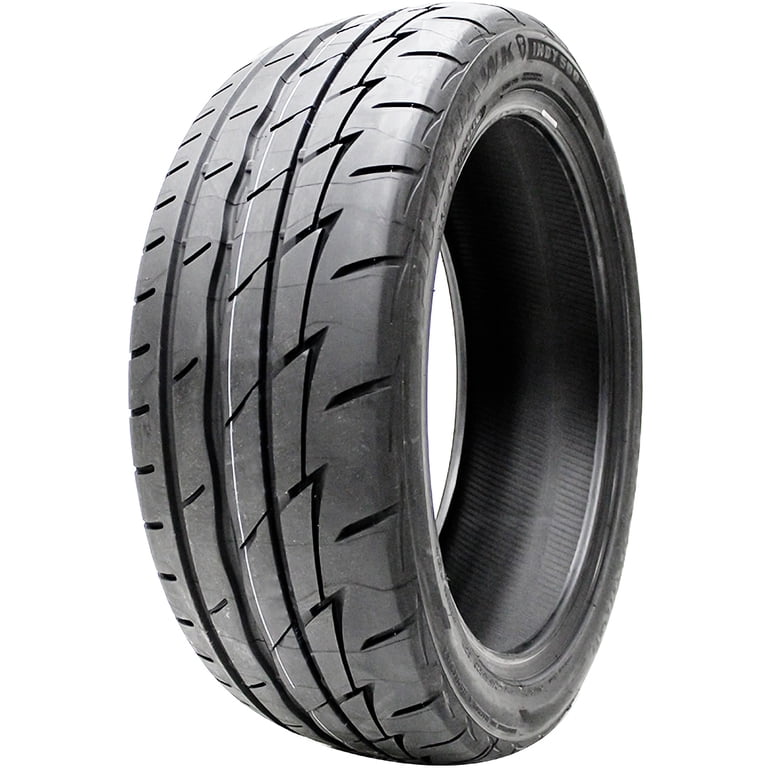
Personal experience: lessons from the paddock
I remember a weekend where our right-rear tire was 3 pounds heavier than the left-rear. The car understeered in every corner. We rebalanced wheels, and lap times improved by a few tenths. That taught me the value of careful weighing and consistent prep.
Tip 1: Always log both tire-only and tire-plus-wheel weights. Tip 2: Recheck weights after practice sessions. Small changes add up fast. These practical steps helped my team reduce unpredictable handling and make pit stops simpler.

Frequently Asked Questions of how much does an Indy car tire weigh
How much does an Indy car tire weigh with the wheel attached?
A mounted Indy car tire including the wheel typically weighs between 35 and 45 pounds, depending on front or rear position and wheel materials. Teams often report rear wheel assemblies on the heavier end of that range.
How much does an Indy car tire weigh when new versus worn?
New tires weigh more due to full tread and rubber mass. A worn tire can shed several ounces to a few pounds, though debris pickup can offset that loss.
How much does an Indy car tire weigh compared to an F1 tire?
Indy car tires are generally heavier than F1 tires because they use different rim sizes and construction. Expect Indy assemblies to be several pounds heavier than typical F1 wheel-plus-tire weights.
How much does an Indy car tire weigh for wet tires versus slicks?
Wet tires weigh more because they have grooves and more rubber depth. The difference is often a few pounds per tire.
How much does an Indy car tire weigh affect lap time?
Even small weight differences change rotational inertia and unsprung mass. A few pounds per corner can cost tenths of a second per lap, which adds up over a stint.
Conclusion
Knowing how much an Indy car tire weigh gives you a clear view of performance trade-offs. Tire mass affects acceleration, handling, and pit strategy, so teams track it closely and act on small changes. If you work with race cars, start weighing consistently, match sets tightly, and treat tire weight as a tunable parameter. Want to dive deeper? Leave a comment with your track scenario, subscribe for more race tech guides, or share your own tire-weight experiences.