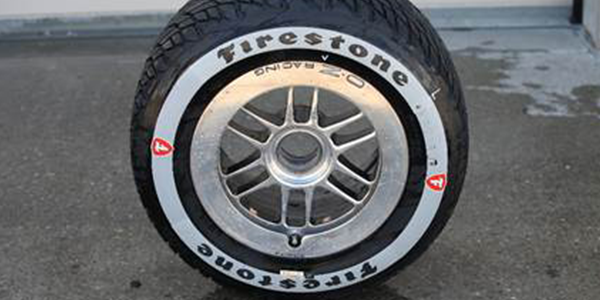
Indy car tires usually cost about $800 to $1,200 each when bought race-ready.
I’ve worked with racing teams and suppliers and I know the real numbers behind how much does an Indy car tire cost. This guide breaks down list prices, factors that change cost, the lifespan of a tire, team strategies, and practical tips you can use. Read on for a clear, friendly, and expert look at Indy car tire pricing and value.

Pricing snapshot: how much does an Indy car tire cost right now
Indy car tires are premium racing products. A single race-ready tire typically sells for $800 to $1,200. Trackside or special compound tires can push prices higher. Teams often buy in sets or through contracts, which changes the per-tire price. This gives a quick snapshot of what to expect when asking how much does an Indy car tire cost.

What drives how much does an Indy car tire cost
Many factors change the price of an Indy car tire. Materials and compound technology matter. Softer compounds wear faster but cost more to develop. Construction and sidewall design add to manufacturing cost. Supply, demand, and the manufacturer’s racing support program also affect price. Finally, logistics and customs add to the delivered cost for teams that ship parts internationally.

Types of IndyCar tires and their typical costs
Indy car tires come in a few main types. Each type has its own cost profile.
- Race slicks. These are dry-track tires. They usually cost $800 to $1,200 each.
- Wet-weather tires. These have grooves and cost a little more due to compound and tread design. Expect $900 to $1,300 each.
- Alternate or qualifying compounds. These are specialty compounds. Prices vary, often on the higher end.
- Control tires provided by series organizers. When the series supplies tires, teams pay via a usage fee or bundled contract rather than per-tire retail cost.
When you ask how much does an Indy car tire cost, remember that the type and intended use are big drivers of the final number.
Tire lifecycle: lifespan, maintenance, and real cost per lap
A new Indy car tire does not last long in racing conditions. Typical life can be a few stints or a limited number of laps depending on compound and track. A soft race tire might last 30 to 60 laps in race conditions. Harder compounds stretch that life. The true cost includes mounting, balancing, and disposal. Divide total cost by usable laps to get the real cost per lap. This helps teams plan budgets more precisely when asking how much does an Indy car tire cost overall.
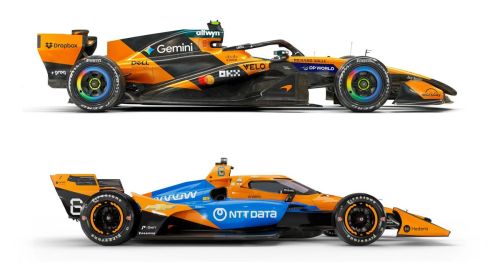
Team strategies to manage how much does an Indy car tire cost
Teams use several strategies to control tire spend. They rotate tires between drivers during testing to spread wear. They budget for annual tire allocations when series offer control-supply deals. Some teams build relationships with suppliers for bulk discounts. Data-driven tire management reduces waste. All these practices lower effective cost and make how much does an Indy car tire cost a controllable line item.
Buying options, vendor contracts, and logistics
Teams buy tires in different ways. They can buy retail, sign season contracts, or use series-supplied tires. Contracts can include tech support and pitside spares. Shipping and handling add fees. Customs and import duties affect international teams. When evaluating how much does an Indy car tire cost, account for these hidden costs in addition to sticker prices.
Personal experience: lessons from the pit lane
I worked on a small team for several seasons. We tracked tire cost per session. We found that storage and heat cycling saved us money. A small investment in proper racks and temperature control extended tire life. We also learned to avoid impulse purchases at a race. Planning spares ahead often led to lower costs. These hands-on tips help make the question how much does an Indy car tire cost more practical and less theoretical.
PAA-style quick questions you may have
-
How often do Indy car teams buy new tires?
Teams buy per event and season. Usage and testing schedule determine frequency. -
Do tire prices vary by track?
Yes. High-wear tracks push teams to use more tires. Costs go up with increased wear. -
Can private teams save money on tires?
Yes. Good storage, careful testing plans, and season contracts cut costs.
Frequently Asked Questions of how much does an Indy car tire cost
How much does an Indy car tire cost for a race weekend?
A single tire usually falls in the $800 to $1,200 range. Weekend needs mean teams budget thousands for a full set plus spares.
Are wet tires more expensive than slicks?
Wet tires often cost slightly more because of tread and compound differences. The premium depends on manufacturer and compound type.
Do series-provided control tires reduce team costs?
Yes. Control tires can lower logistics and development costs. Teams still pay for usage and handling.
How much does tire mounting and service add to cost?
Mounting and balancing are small per-tire fees but add up. Expect tens of dollars per tire for service at track.
Is the per-lap tire cost more useful than per-tire price?
Yes. Per-lap cost factors wear, mounting, and disposal and gives a clearer view of true expense.
Conclusion
Understanding how much does an Indy car tire cost means looking past sticker prices. Consider compound, lifecycle, team strategy, and logistics. Use per-lap math and good storage to lower effective cost. Take action now: start tracking tire use and costs, plan spares ahead, and talk to suppliers about contracts to reduce surprises. Share your questions or experiences in the comments and subscribe for more practical racing insights.