
Most car wheels need lug nuts tightened to about 70 to 140 lb-ft of torque, depending on the vehicle.
I’ve worked on cars for years and helped dozens of drivers set proper wheel torque. If you want a clear, practical guide to how much torque does a car tire need, what affects that number, and how to apply it safely, you’re in the right place. This article breaks down specs, tools, common mistakes, and real-world tips so you can tighten wheels correctly and drive with confidence.
Why torque matters for tires
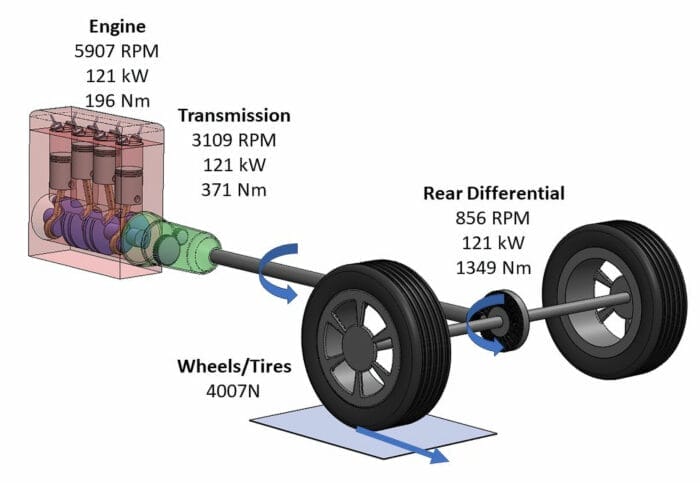
Torque on wheel studs and lug nuts keeps the wheel seated against the hub. Proper torque prevents the wheel from wobbling, warping the brake rotor, or coming loose while driving. Under-torqued lug nuts can loosen over time. Over-torqued lug nuts can stretch studs or damage wheels.
Proper torque also ensures even clamping pressure. That helps avoid vibration and uneven wear. When people ask how much torque does a car tire need, they usually mean the lug nut torque. That is what we focus on here.

How much torque does a car tire need? Typical specifications
Most passenger cars list lug nut torque in a range from 70 to 140 lb-ft. Light trucks and SUVs often require more, commonly 80 to 150 lb-ft. Performance or specialty wheels can call for different numbers, sometimes measured in Newton-meters. Always follow the vehicle manufacturer’s spec.
Key points:
- Passenger cars: commonly 70 to 100 lb-ft.
- Small SUVs and light trucks: commonly 80 to 140 lb-ft.
- Heavy trucks and specialty wheels: may exceed 150 lb-ft.
- Some European cars use lower torque values; some alloy wheels require a torque pattern and a specific value.
When answering how much torque does a car tire need, remember the vehicle manual is the authoritative source. If you can’t find the manual, a dealer or reliable repair manual will give the exact number.
Factors that change the torque requirement
Several things affect the correct torque for a wheel:
- Wheel type and material. Steel and aluminum wheels behave differently under clamping force.
- Stud and lug nut condition. Corrosion or damaged threads can change clamping.
- Wheel spacer or adapter use. Spacers often require higher torque or tightened in stages.
- Wheel design and seat type. Conical, flange, or flat seats change how torque converts to clamping force.
- Lug nut torque specification units. Some specs use lb-ft, others use Nm; convert carefully.
These factors explain why asking generally how much torque does a car tire need only gets you part of the answer. The precise torque depends on your setup.
How to measure and apply torque correctly
Using the right tool and method matters more than guessing numbers.
Steps to apply torque:
- Hand-start each lug nut until it seats flush.
- Tighten in a star or crisscross pattern to draw the wheel evenly.
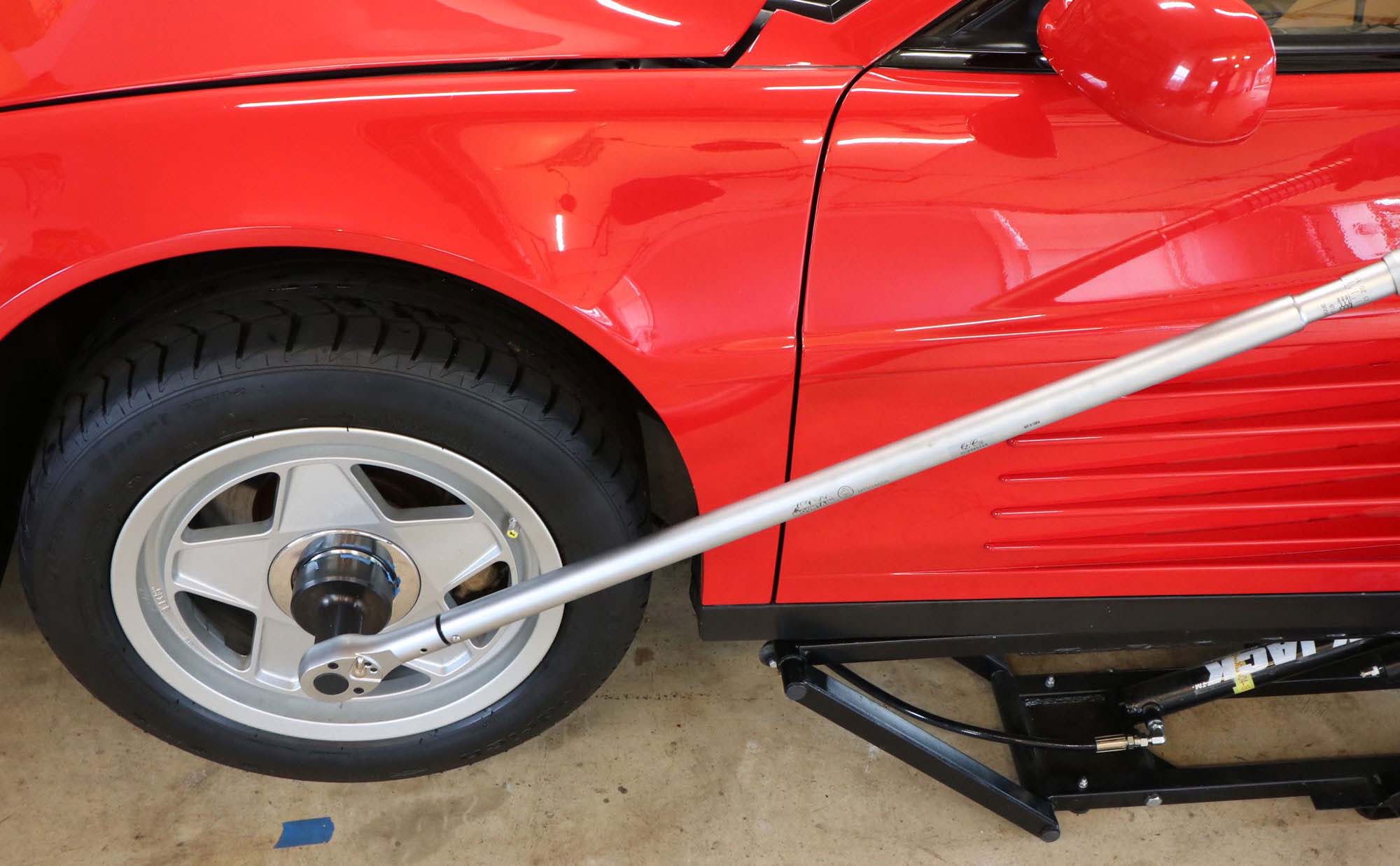
- Use a quality torque wrench calibrated to the vehicle’s spec.
- Tighten in two stages: first to about 50% of the spec, then to the final torque.
- Re-check torque after 25–50 miles of driving.
Tips for measuring:
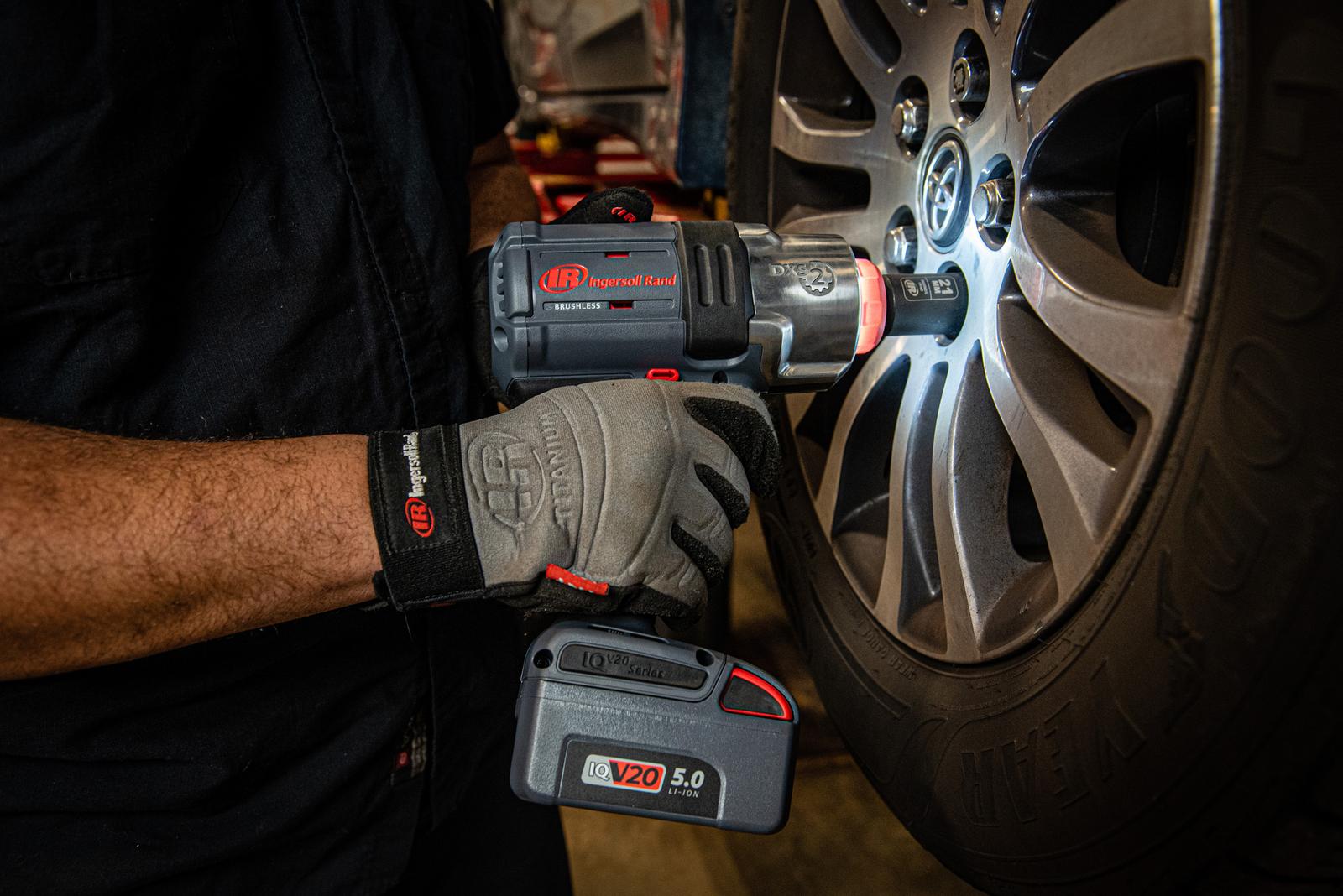
- Use a calibrated torque wrench, not an impact gun, for final torque.
- If you use an impact gun, do a final pass with a torque wrench to spec.
- Keep torque wrenches clean and stored properly to maintain accuracy.
This routine answers the practical side of how much torque does a car tire need and how to achieve it reliably.

Tools, best practices, and common mistakes
Recommended tools:
- Calibrated click-type torque wrench for final torquing.
- Breaker bar for initial snugging on very tight nuts when needed.
- Torque stick for quick checks, but verify with a torque wrench.
- Anti-seize or thread lubricant only if the manufacturer allows it.
Common mistakes to avoid:
- Relying solely on an impact gun for final torque.
- Skipping the star pattern and unevenly seating the wheel.
- Using incorrect torque specs or mixing units without converting.
- Not re-checking torque after some driving time.
Following these steps reduces the chance of wheel-related failures and answers practical concerns about how much torque does a car tire need.

Personal experience and lessons learned
I once helped a friend who used an impact gun to tighten new wheels. The wheels were over-torqued and two studs stretched. We replaced the studs and retorqued to spec with a calibrated wrench. The lesson: save the impact gun for removal and use the torque wrench for installation.
From my years in garages:
- Always check the vehicle manual first.
- Mark lug nuts lightly with a marker after torqueing so you can spot movement.
- If a wheel vibrates after installation, recheck torque and inspect the hub and rotor.
These real-world tips reflect common issues and practical fixes. They help answer how much torque does a car tire need in everyday scenarios.

PAA-style questions (People Also Ask)
What happens if you over-torque lug nuts?
Over-torque can stretch studs, crack wheels, or warp brake rotors. It can also make future removal difficult and increase the risk of stud failure.
Can I use an impact wrench to torque lug nuts?
An impact wrench is fine for removal or initial snugging, but final torque should be set with a calibrated torque wrench to the manufacturer’s spec.
How often should lug nut torque be checked?
Check lug nut torque after 25–50 miles following installation or wheel service. Also check periodically during routine maintenance.
Does thread lubricant change the torque needed?
Yes. Lubricants can reduce friction and increase clamping force for the same torque. Only use lubricant if the manufacturer permits it and adjust torque accordingly.
Are torque specs the same for all wheels on a vehicle?
Not always. Front and rear specs can differ. Wheel size, hub design, and brake components can influence the numbers.
Frequently Asked Questions of how much torque does a car tire need
What is the standard torque for most passenger cars?
Most passenger cars use lug nut torque between 70 and 100 lb-ft. Always confirm with your vehicle’s manual for the exact number.
Can I use the same torque for steel and alloy wheels?
You can often use the same torque, but some alloy wheels specify different values. Check the wheel and vehicle manufacturer specs before tightening.
How do I convert lb-ft to Nm for torque specs?
Multiply lb-ft by 1.3558 to get Nm. For example, 100 lb-ft equals about 136 Nm.
Is it okay to use anti-seize on wheel studs?
Only use anti-seize if the manufacturer allows it. It reduces friction and changes the effective torque, which can lead to over-clamping if not corrected.
What should I do if a lug nut keeps loosening?
Inspect stud threads, nut condition, and wheel seating. Re-torque to spec and, if loosening continues, have the hub and wheel checked by a professional.
How soon should I re-torque new wheels?
Re-torque after 25–50 miles of driving to ensure the lug nuts settled correctly. This prevents loosening from initial thermal and seating changes.
Conclusion
Getting the right torque on your wheels keeps you safe and protects parts. Use the vehicle manual, a calibrated torque wrench, and a star pattern. Re-check torque after a short drive and whenever wheels are serviced. If you want to avoid wheel damage and nervous moments on the road, follow these steps and make proper torque a habit. Try these tips next time you mount wheels, share your experience below, or subscribe for more simple car care guides.