Most passenger tires hold 30–44 PSI; maximum sidewall ratings often reach 44–50 PSI.
I’ve spent years working with cars and tires, and I’ll walk you through exactly how much psi can a car tire hold, why the numbers matter, and how to pick the right pressure for safety, life, and fuel savings. This guide covers sidewall ratings, manufacturer recommendations, real-world examples, and simple tests you can do at home to keep tires healthy.
How much psi can a car tire hold: typical ranges and definitions
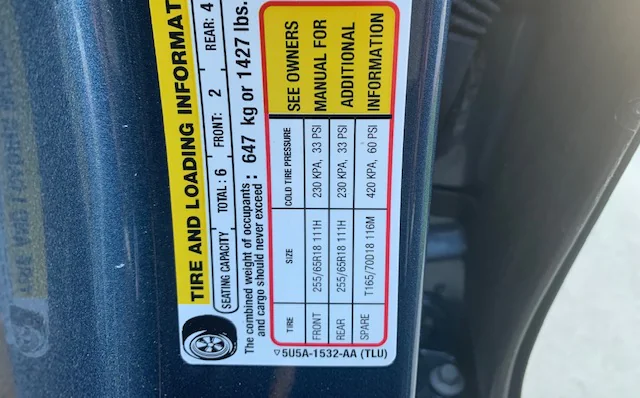
Tire pressure is measured in pounds per square inch, or PSI. How much psi can a car tire hold varies by type and rating. Passenger car tires commonly list a maximum sidewall pressure of 44 to 50 PSI. The recommended operating pressure is usually lower and found on the vehicle placard.
Tire sidewalls show the maximum inflation pressure. That number is a hard limit set by the tire maker. It is not always the best pressure for everyday driving. How much psi can a car tire hold does not equal how much psi you should use.

Understanding maximum PSI versus recommended PSI
Maximum PSI is printed on the tire sidewall. It tells you the maximum air the tire can withstand when unloaded. Recommended PSI comes from the vehicle maker. It balances comfort, handling, and tire wear.
You should use the vehicle placard pressure, not the tire max pressure. For example, a tire may hold 50 PSI max but the car maker asks for 35 PSI for normal loads. Staying near the vehicle recommendation improves safety and fuel use.

Quick questions
What is the difference between max PSI and recommended PSI? Max PSI is a tire limit. Recommended PSI is what your car maker suggests for safe driving and even tire wear.
Can I inflate to the sidewall max if I carry heavy loads? Only consider increasing pressure for heavier loads, and follow the vehicle load guide. Never exceed the tire’s sidewall max.
Factors that determine how much psi can a car tire hold
Several things affect how much psi can a car tire hold. These include tire design, load index, rim size, and temperature.
- Tire type and construction influence max pressure. High-performance tires often have higher rated pressures.
- Load index shows how much weight a tire supports. Higher indexes can allow higher pressure for heavy loads.
- Rim size and wheel design affect fit and pressure behavior.
- Temperature changes alter tire pressure. Air expands when warm and shrinks when cold, changing PSI by about 1 PSI per 10°F.
These factors explain why a tire’s printed max pressure is a technical limit, not an everyday target.
Risks and consequences of overinflation and underinflation
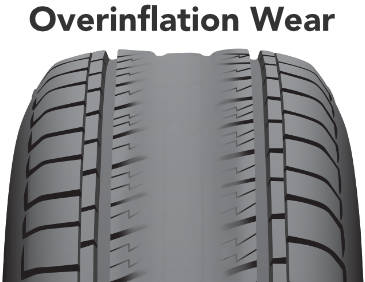
Overinflation risks
- Harsher ride and less traction on bumps.
- Uneven wear across the tire center.
- Increased risk of a blowout if you exceed maximum PSI or hit a curb.
Underinflation risks
- More tire flexing, heat build-up, and faster wear on the shoulders.
- Lower fuel economy and weaker handling.
- Greater chance of sidewall damage and tread separation.
How much psi can a car tire hold is only part of the safety picture. Driving at the right recommended pressure reduces both overinflation and underinflation hazards.
How to check and adjust tire pressure step-by-step
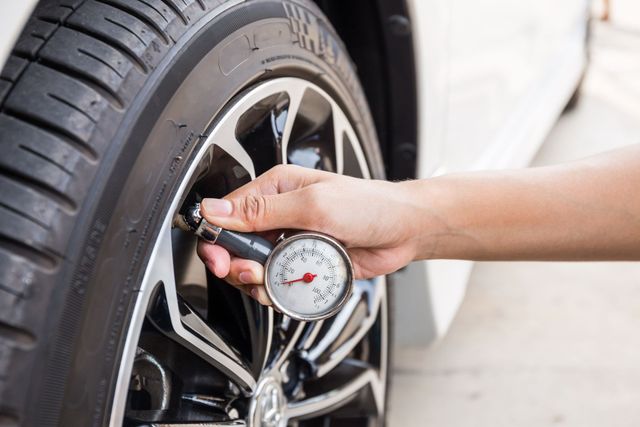
Checking pressure is simple and fast. Do it monthly and before long trips.
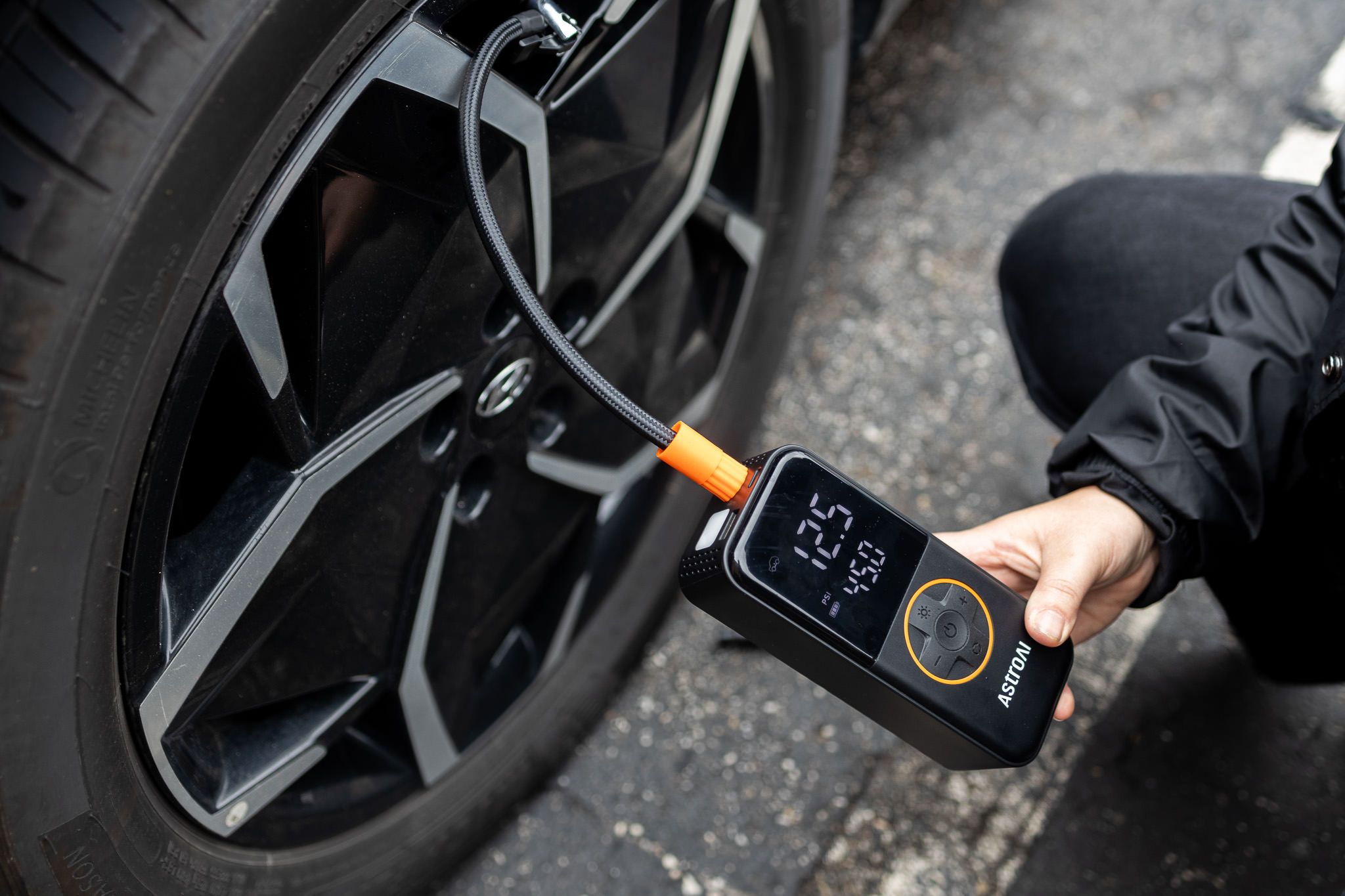
- Get a good tire gauge and a reliable inflator.
- Check pressure when tires are cold, meaning the car has been parked for three hours or driven under one mile.
- Read the vehicle placard or owner’s manual for the recommended PSI.
- Compare the tire gauge reading to the recommended PSI.
- Add or release air to match the recommendation. Recheck after adjusting.
Keep a portable gauge in your glove box and a note of the recommended pressure for front and rear tires. These small steps help you know how much psi can a car tire hold and how much you should actually use.
My experience and practical tips from the garage
I’ve filled tires at gas stations, used shop compressors, and checked pressures before early morning trips. One clear lesson: following the vehicle placard beats inflating to sidewall max. I once inflated a trailer tire too close to its max PSI. It felt firm but overheated during a long tow and needed repair.
Practical tips I use:
- Check pressure when tires are cold.
- Carry a quality gauge and a small inflator.
- Adjust PSI when loads change—more weight often needs a small PSI increase, within limits.
These habits keep tires safe and make clear how much psi can a car tire hold versus how much you should set.
Common examples and pressure chart by vehicle type
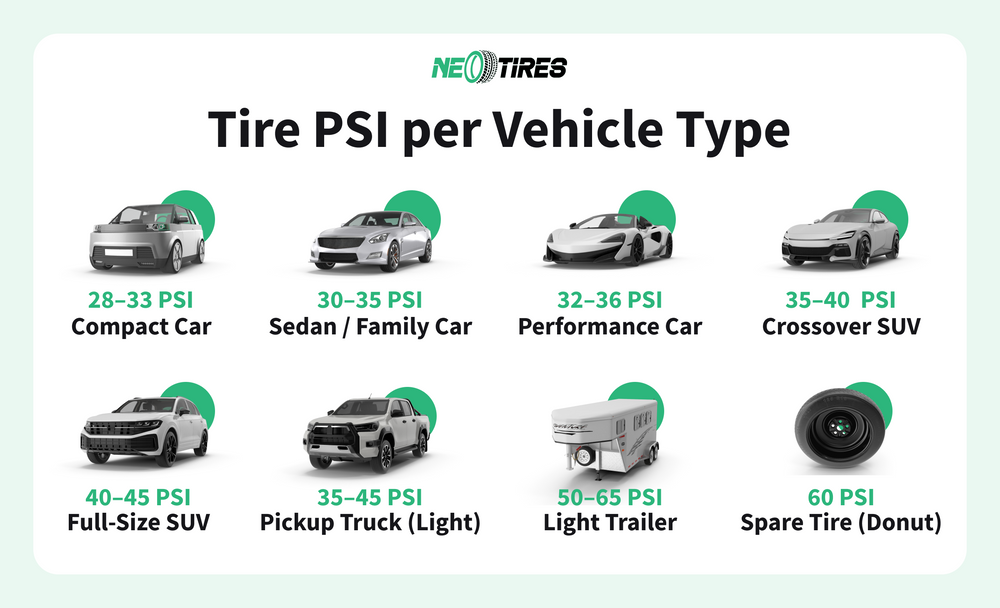
Here are typical recommended pressures and sidewall max examples. These are examples only; check your car for exact numbers.
- Compact car recommended PSI: 30–35. Example tire max: 44 PSI.
- Mid-size sedan recommended PSI: 32–36. Example tire max: 50 PSI.
- Small SUV recommended PSI: 33–38. Example tire max: 44–50 PSI.
- Light truck recommended PSI: 35–45 depending on load. Example tire max: 65 PSI.
- Performance car recommended PSI: 32–40, tuned for handling. Example tire max: 50–51 PSI.
Remember: the vehicle recommendation is your daily target. Knowing how much psi can a car tire hold helps avoid errors, but you should follow the placard for daily use.
Maintenance schedule and season tips
Check tire pressure at least once a month. Do a check before long trips and when carrying heavy loads. Seasonal changes matter because cold lowers pressure and heat raises it.
- In cold months, add 1–2 PSI if you notice drops.
- In hot months, don’t deflate because the temperature rises during driving.
- Rotate tires per the vehicle schedule to keep wear even.
Routine checks help you manage how much psi can a car tire hold in practice. They prolong tire life and improve safety.

Frequently Asked Questions of how much psi can a car tire hold
What does the maximum PSI on a tire mean?
Maximum PSI on the tire sidewall is the highest pressure the tire can handle when not carrying its full load. It is a safety limit, not the recommended everyday pressure.
Should I inflate to the tire’s maximum PSI?
No. You should use the vehicle maker’s recommended PSI. Inflating to max makes the ride harsh and can harm traction.
How often should I check my tire pressure?
Check tire pressure at least once a month and before long trips. Also check after big temperature swings and before towing.
Can tire pressure change with temperature?
Yes. Tire pressure typically changes about 1 PSI for every 10°F change in air temperature. Hot weather raises PSI; cold lowers it.
Is it OK to slightly overinflate for fuel economy?
Slight overinflation may improve fuel use but harms handling and wear. Stick to the vehicle recommended PSI for balanced safety and economy.
Can I use the tire’s max PSI when towing a heavy load?
Only if the vehicle maker’s load and tire guide allows it. Always do the math for payload and follow both the vehicle and tire limits.
Do different tires on the same car need different PSI?
Follow the vehicle placard for front and rear PSI. Some cars list different values front versus rear. Use those numbers for best balance.
Conclusion
Understanding how much psi can a car tire hold helps you use the right pressure. The tire sidewall shows the maximum PSI, and the vehicle placard gives the correct operating PSI for safety and performance. Check pressures monthly, adjust for loads and temperature, and carry a good gauge to make smart choices.
Take action today: check your tire pressure when you finish reading. Subscribe or leave a comment if you want more practical tire tips or a printable pressure checklist.