
Most car tires weigh between 20 and 30 pounds, though size and type change that range.
I’ve worked with tires for years and weighed dozens of sets across cars, SUVs, and trucks. This guide explains how much does a car tire weigh, why that weight matters, and how to choose or measure tires for real-world needs. Read on for clear ranges, easy weighing tips, performance impacts, and hands-on advice you can use today.
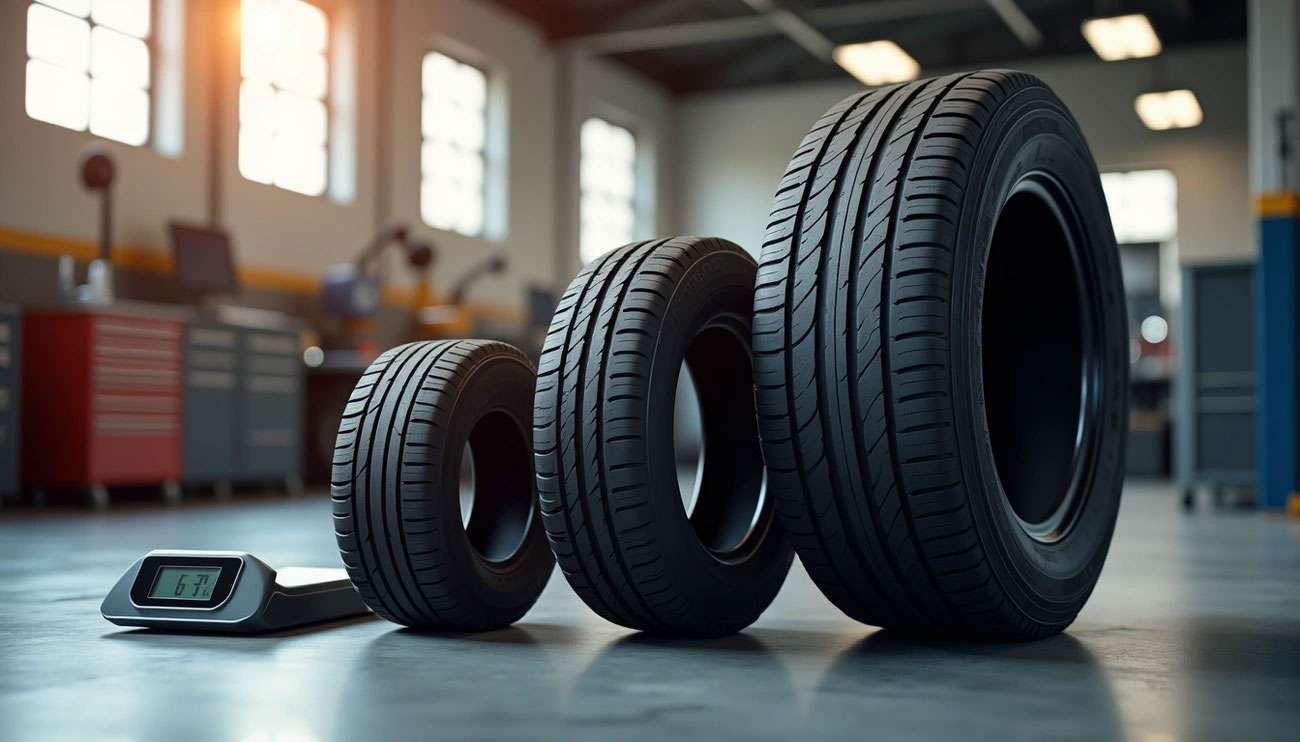
Average tire weights by type
Tire weight varies widely by vehicle and design. Here are typical weight ranges to help answer how much does a car tire weigh for different vehicles.
- Compact and subcompact passenger tires — 15 to 22 pounds. These are small tires found on economy cars.
- Standard passenger car tires — 20 to 30 pounds. This is the common range for sedans and small crossovers.
- Performance and sport tires — 20 to 35 pounds. Wider rubber and reinforced construction add weight.
- All-season SUV tires — 25 to 35 pounds. Heavier sidewalls and deeper treads increase mass.
- Light truck and all-terrain tires — 30 to 50 pounds. They use more rubber and steel for load capacity.
- Run-flat tires — add about 5 to 10 pounds over non-run-flat versions. Extra sidewall reinforcement causes the bump.
- Full-size spare tires — 30 to 50 pounds; compact spare “donut” tires — 10 to 20 pounds.
These ranges show why a clear answer to how much does a car tire weigh depends on the tire family, size, and construction. Check your tire code and manufacturer specs for exact numbers.

What factors determine how much a car tire weighs
Several parts of a tire add to its weight. Understanding these helps explain why two tires with the same diameter can differ.
- Tire size and width — Bigger diameter and wider tread use more rubber and heavier cords, raising weight.
- Sidewall strength and ply rating — Stronger sidewalls need more material and heavier reinforcements.
- Tread depth and compound — Deeper tread and denser compounds increase mass.
- Presence of steel belts and bead wire — Steel belts and bead packs add significant weight.
- Run-flat or reinforced construction — These designs include extra layers that increase weight.
- Rim and tire assembly — When mounted, the rim adds its own weight; a mounted tire weighs more than the tire alone.
PAA-style question: Do larger tires always weigh more?
Yes, larger diameter and wider tires generally weigh more because they use more rubber and reinforcement. However, advanced materials or lower ply designs can sometimes offset that increase.
PAA-style question: How much does tread depth affect weight?
Tread depth can add a few pounds when compared to a thin, worn tire versus a new, deep-tread tire; chunky off-road treads add still more. The compound and pattern determine the final difference.

How to weigh a tire: easy methods and best practices
If you need an exact answer to how much does a car tire weigh for your set, here are simple ways to measure it.
- Use a vehicle or shop scale for mounted tires. Drive the car onto a scale and subtract the known curb weight without the wheel if available.
- Use a bathroom or luggage scale for individual tires. Lift the tire onto the scale or hang the tire safely and read the value.
- Use a shop floor scale for unmounted tires. Place the tire flat on the scale pad for an accurate reading.
- Weigh the rim and tire separately for precision. Remove the tire from the rim and weigh both parts to track differences.
Tips
- Deflate slightly only if required by the scale instructions; never damage the tire.
- Record the temperature and tread condition; they have a small influence on weight.
- Repeat measurements twice to confirm consistency.
Following these methods gives you a practical answer to how much does a car tire weigh for your exact wheel and tire combination.
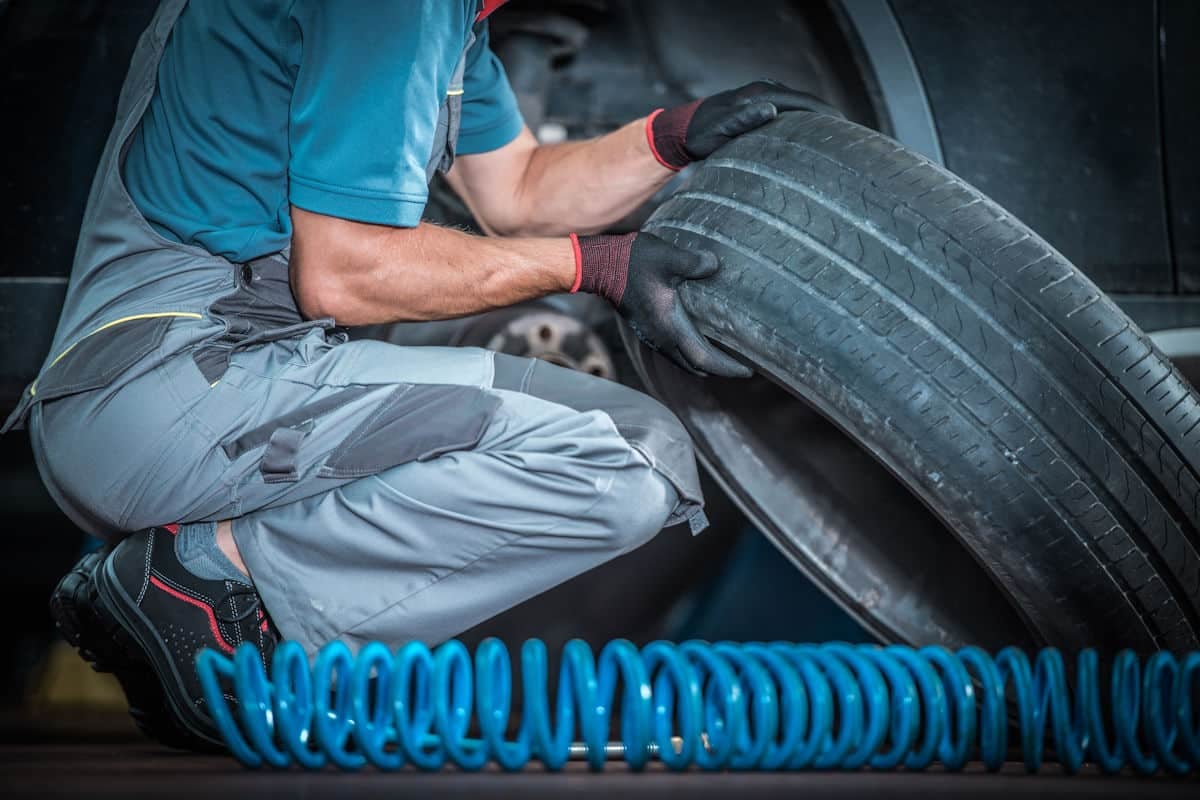
Why tire weight matters for fuel, handling, and wear
Tire weight influences several driving traits. Knowing the effects helps when you choose new tires or upgrade wheels.
- Fuel economy and rolling resistance — Heavier tires increase rolling inertia and can lower fuel efficiency by a small but measurable amount.
- Unsprung mass and handling — Extra weight at the wheel reduces suspension responsiveness and can dull steering feel.
- Acceleration and braking — Heavier wheels and tires require more energy to speed up and more distance to stop.
- Ride comfort and durability — Some heavier designs improve comfort and robustness, especially for trucks and off-road use.
- Tire wear — Weight distribution and construction affect wear patterns and longevity.
Balancing weight with performance goals is key when considering how much does a car tire weigh for your needs. Lighter tires help sporty driving and efficiency, while heavier tires can offer durability and load capacity.

Choosing tires: balance weight, performance, and budget
When shopping, use tire weight as one of several decision factors. Here are steps to pick the right tire.
- Check manufacturer specs for weight and load rating. This gives a baseline for how much does a car tire weigh and its capability.
- Prioritize the correct size and load index. Safety and fit trump small weight savings.
- Consider performance trade-offs. Lighter sport tires improve handling but may wear faster.
- Look for modern materials. Some tires use advanced polymers and fabrics to reduce weight while keeping strength.
- Factor in wheel weight. A lighter alloy wheel plus a slightly heavier tire can still reduce overall rotating mass.
A smart choice balances real-world driving needs with the marginal gains from reduced tire weight.
My experience: real-life insights and mistakes to avoid
I swapped wheels and tires on my commuter car twice to chase better fuel economy and feel. First, I chose lighter aftermarket rims with a slightly heavier all-season tire and noticed better acceleration and a small mpg gain. I later installed very light performance tires but found road noise and faster wear, which taught me to balance weight with compound and tread design.
Lessons learned
- Don’t chase weight alone; check load rating and warranty.
- Weigh the whole wheel-tire assembly, not just the tire.
- Keep a spare that matches your needs; a tiny donut spare saved me but limited speed and distance.
These real tests show how much does a car tire weigh matters, but fit, safety, and durability come first.

Frequently Asked Questions of how much does a car tire weigh
What is the average weight of a standard car tire?
A standard passenger car tire typically weighs between 20 and 30 pounds. Exact weight depends on size, construction, and whether it is a run-flat or reinforced model.
Do run-flat tires weigh more than regular tires?
Yes, run-flat tires usually add about 5 to 10 pounds compared to non-run-flat versions because of the reinforced sidewalls. The extra material is needed to support the vehicle if air pressure is lost.
How much does a truck or SUV tire weigh?
Light truck and SUV tires typically weigh between 30 and 50 pounds, with all-terrain models often on the heavier side. Bigger sizes and steel reinforcements increase the weight.
Will lighter tires improve my fuel economy?
Lighter tires can improve acceleration and fuel efficiency slightly by reducing rotating mass and rolling resistance. The gains are modest and depend on driving style and vehicle weight.
Can I weigh a mounted tire to find out how much it weighs?
Yes, you can weigh a mounted tire using a shop floor scale or by subtracting an unloaded vehicle weight from a scale reading. For precise results, weigh the tire unmounted and note the rim weight separately.
Conclusion
Tire weight varies by type, size, and construction, so how much does a car tire weigh depends on your vehicle and needs. Use the ranges and tips here to compare options, weigh tires accurately, and choose the right balance of weight, performance, and durability. Try weighing one tire from your car today to get a clear number and make smarter tire choices. If you found this helpful, share your tire weight in the comments or subscribe for more practical car advice.