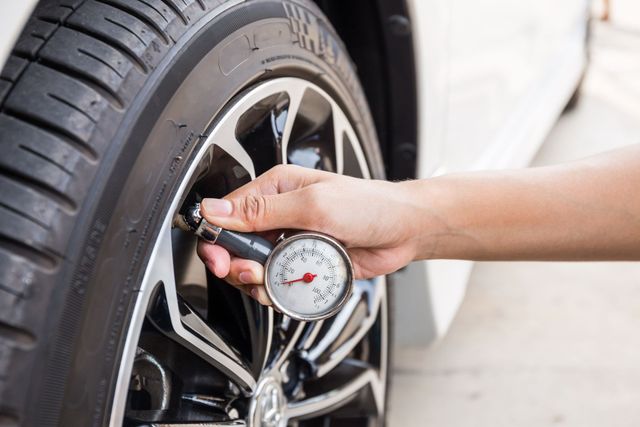
A single passenger car tire typically supports about 1,200 to 1,800 pounds safely.
I have spent years working with tires, cars, and load data, and I will walk you through exactly how much weight a car tire can hold, why that number matters, and how to read the numbers stamped on your tire. Read on for clear, practical advice you can use today to keep your car safe and road-ready.

How tires actually carry weight
Tires support a vehicle by spreading the weight across the contact patch where rubber meets road. Each tire carries a portion of the vehicle's total weight. The rated value on the tire sidewall tells you the maximum load that tire can safely hold at a specified air pressure.
Tire load depends on three main things: the tire's load index, the inflation pressure, and the tire condition. A worn or damaged tire holds less weight than a new, properly inflated one. Speed and heat also affect load capacity, so a tire's rated number is valid under the conditions noted by the maker.
What the rated load number means
Tire makers list a maximum load for each tire. This number is the weight one tire can hold when inflated to the tire's max cold pressure. The number is not the weight your car can carry per axle or in total. For most passenger tires, this number ranges from about 1,100 to 1,800 pounds per tire.
A key way this is shown is the load index. The load index is a two- or three-digit code. Higher numbers mean a higher capacity. For example:
- 91 load index means roughly 1,356 pounds capacity per tire.
- 95 load index means roughly 1,521 pounds capacity per tire.
- 100 load index means roughly 1,764 pounds capacity per tire.
Remember that the marked maximum pressure on the sidewall is usually higher than the car maker's recommended pressure. Use the vehicle placard pressure for safety, and the sidewall max only if you need the absolute max load in an emergency.

Typical capacities by tire type
Passenger tires and light truck tires differ a lot. Here are quick ranges:
- Passenger car tires typically hold about 1,100 to 1,800 pounds per tire.
- SUV and light truck tires often range from 1,500 to 2,500 pounds per tire.
- Heavy-duty and commercial tires can hold much more and use different rating systems.
How much weight a car tire can hold depends on tire type, load index, and pressure. If you need to haul heavy loads, pick tires rated for the job and follow the vehicle maker’s payload limits.

How inflation pressure changes load capacity
Inflation pressure presses the tire into the road and shapes the contact patch. Higher pressure usually raises the load a tire can carry up to the sidewall’s max rating. Underinflation reduces load capacity and speeds up wear. Overinflation can reduce traction and change handling.
Tip from my experience: I once saw a car hauling gear with underinflated tires. The tires overheated and failed before the trip ended. Proper pressure saved time and money and kept everyone safe.

How to read your tire for load info
Finding how much weight a car tire can hold is simple if you know where to look:
- Check the tire sidewall for the load index number and the max load in pounds or kilograms.
- Look at the vehicle placard (inside driver door or glove box) for recommended tire pressures and payload limits.
- Use the load index chart to convert the load index to pounds per tire if only the index is shown.
Example: If your car tire shows "95" as the load index, that tire can usually hold about 1,521 pounds when inflated to the stated pressure.

Real-world factors that reduce capacity
Many things cut into the ideal load number:
- Age and wear reduce strength and carry capacity.
- Punctures, sidewall damage, and cuts weaken a tire dramatically.
- High speed increases heat and lowers a tire’s safe load margin.
- Heavy braking or sharp maneuvers transfer loads suddenly and can exceed static ratings.
From my work, the biggest mistakes I see are ignoring small cuts and running lower-than-recommended pressure. Both put a tire far below its rated capacity and raise the risk of blowout.

Safe loading practices and tips
To use tire capacity safely, follow a few simple rules:
- Check the vehicle’s maximum payload on the placard before loading.
- Inflate tires to the recommended pressure shown by the vehicle maker when carrying heavy loads.
- Do not depend on the sidewall max pressure for day-to-day driving unless needed.
- Replace tires that show age cracks, bulges, or uneven wear.
- Spread cargo evenly and keep heavy items low and centered.
These steps help you match how much weight a car tire can hold to real use. They also extend tire life and improve safety.

PAA-style questions (short answers)
How does speed affect how much weight a car tire can hold?
Higher speeds raise tire heat. Heat lowers strength and reduces safe load. Driving slower with heavy loads helps.
Can I mix tires with different load ratings on one car?
Mixing is risky. Use the same size and load rating on each axle for balanced handling and safety.
Is sidewall max load the same as the car’s payload limit?
No. Sidewall max is per tire at a specific pressure. Vehicle payload is total weight allowed by the car maker.
Frequently Asked Questions of how much weight can a car tire hold
What does load index mean on a tire?
Load index is a number that maps to a weight value per tire. You use a chart to convert that number into pounds or kilograms.
How many pounds can a typical car tire hold?
Typical passenger car tires usually hold between 1,100 and 1,800 pounds per tire, depending on the load index and inflation.
Can old tires carry the same weight as new tires?
No. Age, cracking, and wear reduce load capacity. Old tires should be inspected and often replaced for heavy loads.
Will overinflating a tire let it hold more weight safely?
Overinflation may increase capacity slightly but harms traction and ride. Only use sidewall max pressure in special cases and follow vehicle guidance.
How do I know if I am overloading my tires?
Look for bulging sidewalls, rapid tread wear, poor handling, or frequent slow leaks. If you see these, reduce load and inspect the tires.
Are tire load ratings affected by temperature?
Yes. High ambient or road temperatures raise tire heat and lower safe load margins. Hot weather calls for careful monitoring of pressure and load.
Conclusion
Understanding how much weight a car tire can hold keeps you safe and saves money. Check the sidewall, use the vehicle placard, keep proper pressure, and replace old or damaged tires. Start by reading your tires and placard today, adjust pressures for your load, and plan trips with safety in mind. If this helped, leave a comment, subscribe for more tips, or check your tire info now.