No, all cars do not use the same battery; battery size, power, design, and technology vary by vehicle.
If you are asking, “do all cars use the same battery,” the simple answer is no. A small sedan, a large truck, a hybrid, and an electric vehicle can all need very different battery systems. This guide explains how car batteries differ, how to find the right one, and which mistakes to avoid when replacing yours.
Why Do All Cars Not Use the Same Battery?
Car batteries may look similar, but they are not universal. Each vehicle needs a battery that matches its electrical system, engine size, space limits, and starting demands.
A battery must provide enough power to start the engine. It must also support lights, computers, security systems, audio equipment, and other electronics when the engine is off or at low speed.
When people ask, “do all cars use the same battery,” they often mean the standard 12-volt battery found in many gas-powered cars. Even among these vehicles, battery size and performance can differ greatly.
The main differences include:
• Battery voltage and chemistry
• Physical size and terminal location
• Cold-cranking amps, or CCA
• Reserve capacity
• Battery group size
• Construction, such as flooded lead-acid, AGM, or EFB
• Charging system requirements
• Vehicle type and engine size
A battery that fits one car may not fit another. Even if it fits inside the battery tray, it may have the wrong terminal layout or too little starting power.

What Types of Car Batteries Are Used?
Understanding battery types makes it easier to see why all cars do not use the same battery. The best battery depends on the vehicle’s design and electrical needs.
Standard flooded lead-acid batteries
Flooded lead-acid batteries are common in older cars and many basic vehicles. They use liquid electrolyte and have been used in cars for decades.
These batteries are often affordable and reliable. However, they may not handle frequent stop-and-go driving, heavy electrical loads, or deep discharge as well as newer designs.
Absorbent glass mat batteries
AGM batteries hold the electrolyte in fiberglass mats. This design helps them resist vibration and handle repeated charging and discharging.
Many vehicles with automatic stop-start systems use AGM batteries. Luxury cars with heated seats, advanced safety systems, power accessories, and large computer networks may also need AGM technology.
An AGM battery should usually be replaced with another AGM battery. Installing a basic flooded battery in a vehicle designed for AGM use can lead to short battery life and charging problems.
Enhanced flooded batteries
EFB batteries are stronger than standard flooded batteries but usually cost less than AGM batteries. They are often used in vehicles with simpler stop-start systems.
The vehicle’s charging system is designed for a specific battery type. Therefore, the correct replacement is based on the manufacturer’s specifications, not just the battery’s physical size.
Lithium-ion batteries
Some hybrid and electric vehicles use lithium-ion battery packs for propulsion. These are very different from the small 12-volt battery used in many conventional cars.
Lithium-ion packs store energy for the electric motor. They operate at high voltage and should only be serviced by trained technicians with the proper safety equipment.
Nickel-metal hydride batteries
Some older hybrids use nickel-metal hydride battery packs. These batteries power the electric drive system and are separate from the smaller battery that runs standard vehicle electronics.
This is another reason the question “do all cars use the same battery” has a clear no answer. A hybrid can have more than one battery, and each battery has a different job.
Do All Cars Use a 12-Volt Battery?
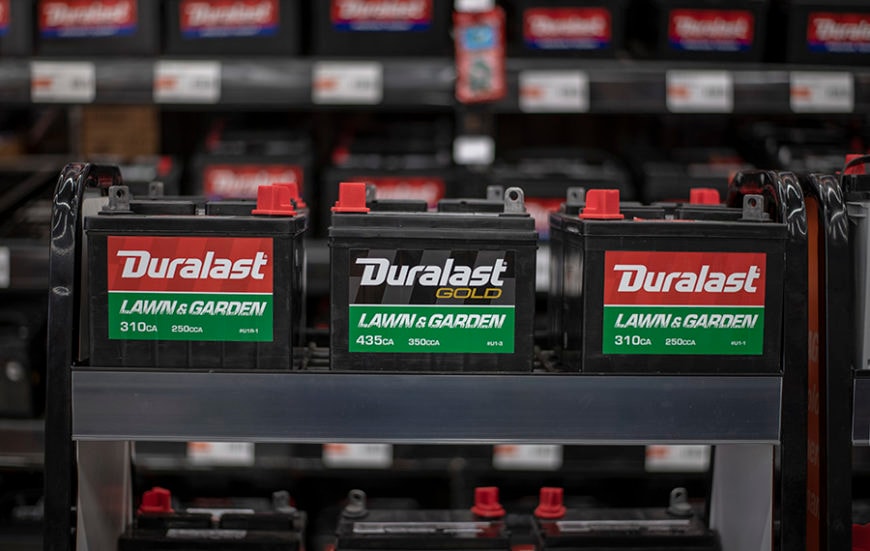
Many gas-powered cars use a 12-volt battery, but that does not mean they use the same battery. The label “12-volt” describes the system voltage, not the battery’s exact size, power, or design.
A fully charged traditional 12-volt battery usually measures about 12.6 volts when the vehicle is off. While the engine runs, the alternator normally raises system voltage to roughly 13.5 to 14.8 volts, although the exact reading can vary by vehicle and operating conditions.
Most modern cars still use a 12-volt battery for:
• Starting the engine
• Powering control modules
• Running lights and accessories
• Maintaining security and memory settings
• Supporting computers during engine start-up
Hybrid and electric vehicles may also have a 12-volt battery. It often powers the car’s computers, lights, locks, displays, and safety systems. The high-voltage battery then powers the electric motor or helps the gasoline engine in a hybrid.
Some newer vehicles use a 48-volt system for mild-hybrid features. This system does not always replace the 12-volt battery. In many cases, both systems work together.

How Battery Group Size Affects Fit
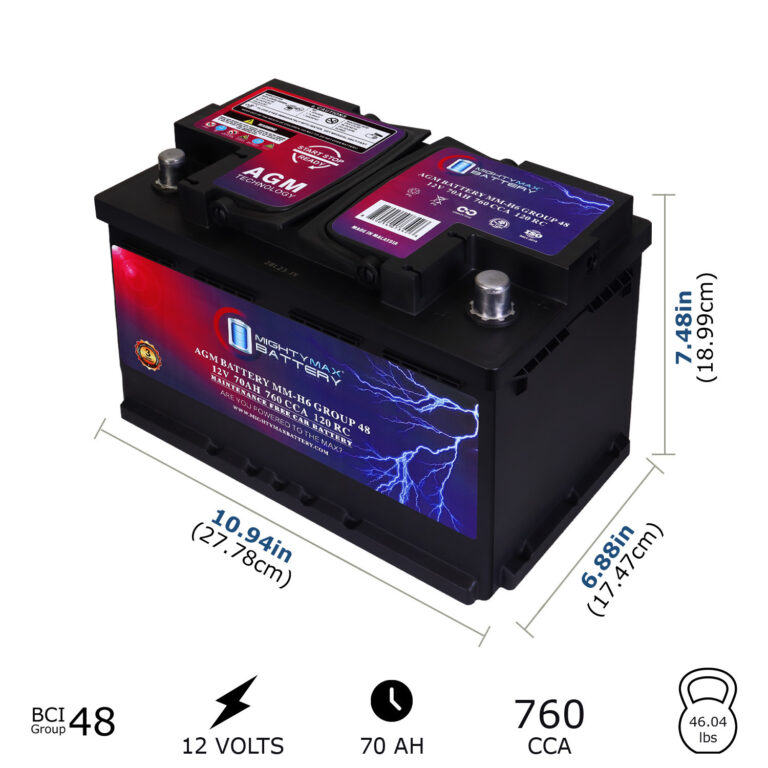
Battery group size is one of the most important details when choosing a replacement. A group size describes the battery’s outside dimensions, terminal position, and sometimes its general application.
Common group sizes include:
• Group 24
• Group 35
• Group 48, also called H6
• Group 49, also called H8
• Group 51R
• Group 65
The letter “R” is important. It often means the terminal layout is reversed compared with the standard version. A battery may have the right length and width but still fail to connect if the terminals are on the wrong side.
A battery must also sit firmly in its tray. A loose battery can vibrate while driving, damaging the case, cables, or internal plates.
Before buying a battery, check:
- The group size listed in the owner’s manual.
- The battery label on the old unit.
- The terminal position.
- The hold-down method.
- The available height and width.
- The vehicle manufacturer’s fitment guide.
Do all cars use the same battery group size? No. Even two cars from the same brand may use different group sizes because of engine design, trim level, and available space.

What Are CCA and Reserve Capacity?
Cold-cranking amps measure how much starting power a battery can provide in cold weather. A higher CCA rating can help an engine crank more easily when oil becomes thick and temperatures fall.
Reserve capacity shows how long a fully charged battery can supply a set electrical load if the charging system stops working. It gives you extra time before the battery becomes fully discharged.
A large engine often needs more starting power than a small engine. Diesel engines may also require high CCA because they use greater compression and can be harder to start in cold conditions.
Still, more power is not always better. A battery with very high CCA may not be suitable if it has the wrong size, terminal layout, chemistry, or charging requirements.
When comparing batteries, look at:
• CCA for starting power
• Reserve capacity for backup electrical support
• Amp-hour rating when listed
• Warranty length
• Expected service life
• Battery type and vehicle compatibility
The correct battery balances all of these features. Do all cars use the same battery rating? Again, no. Ratings must match the vehicle’s needs.
How Vehicle Design Changes Battery Requirements
Vehicle design has a major effect on battery choice. A basic compact car may use a small flooded battery. A large SUV with many electronic features may need a bigger AGM battery.
Engine size is only one factor. Electrical demand can be just as important.
For example, a vehicle may need a stronger battery if it has:
• Automatic stop-start technology
• Heated and cooled seats
• A power liftgate
• Advanced driver assistance systems
• Large entertainment screens
• High-powered audio equipment
• Electric accessories that run while the engine is off
• Four-wheel-drive controls
• Multiple onboard computers
Location also matters. Some vehicles place the battery in the trunk, under a seat, or inside the cabin. These batteries may need special venting or a sealed design.
A battery installed in a warm engine bay may age faster than one placed in a cooler location. Heat is one of the main causes of battery wear, while cold weather exposes a weak battery’s problems.
This explains why do all cars use the same battery is not just a question of size. The battery must match the vehicle’s full electrical design.
Do Hybrid and Electric Cars Use the Same Battery?
Hybrid and electric cars do not use the same battery systems as most traditional gas-powered cars. They usually have a high-voltage battery pack that supplies energy to one or more electric motors.
A hybrid may use its high-voltage pack to:
• Assist the gasoline engine
• Store energy from regenerative braking
• Move the vehicle at low speeds
• Improve fuel economy
• Reduce engine load
A fully electric vehicle uses its high-voltage battery pack as its main energy source. The pack is made from many battery cells connected into modules.
Both hybrids and EVs may also contain a separate low-voltage battery. This smaller battery helps start the vehicle’s computers and operates normal accessories.
Do all cars use the same battery in hybrid and electric models? No. High-voltage packs vary in chemistry, capacity, voltage, shape, cooling method, and control software.
Never attempt to open or repair a high-voltage battery without proper training. High-voltage systems can remain dangerous even when the vehicle is switched off.
How to Find the Correct Car Battery
Finding the right battery does not have to be difficult. Start with reliable vehicle information instead of guessing based on appearance.
Use these steps:
- Check the owner’s manual.
- Write down the year, make, model, engine size, and trim.
- Look for the recommended group size.
- Confirm the required CCA and reserve capacity.
- Check whether the vehicle needs flooded, EFB, or AGM technology.
- Compare the terminal position with the old battery.
- Confirm the battery’s physical dimensions.
- Ask whether the vehicle battery system needs registration or calibration.
- Have the charging system tested before installing the new battery.
Many modern vehicles need battery registration after replacement. This process tells the vehicle’s computer that a new battery has been installed. Without it, the charging system may use the wrong charging pattern, which can shorten battery life.
A parts store may identify the correct battery by license plate or vehicle identification number. However, it is wise to verify the result with the owner’s manual, especially if the vehicle has been modified.
Common Mistakes When Replacing a Battery
Battery replacement seems simple, but small mistakes can cause major problems. One common error is choosing a battery only because it fits the tray.
Other mistakes include:
• Buying the cheapest battery without checking specifications
• Installing a flooded battery where AGM is required
• Ignoring the terminal position
• Using the wrong battery group size
• Forgetting the battery hold-down bracket
• Connecting the cables backward
• Failing to reset or register the battery
• Replacing the battery without testing the alternator
• Leaving interior lights on after installation
• Touching high-voltage hybrid or EV parts
One lesson I often emphasize is that a dead battery may not be the real problem. A weak alternator, corroded cable, parasitic drain, or poor ground can drain a new battery.
Before replacing the battery, inspect the terminals for white or blue corrosion. Also check for loose connections and test the charging voltage. This simple check can prevent you from buying a battery when the vehicle has an electrical fault.
If the battery is swollen, cracked, leaking, or frozen, do not handle it carelessly. Wear eye protection and seek professional help.
How Long Does a Car Battery Last?
Many car batteries last about three to five years, but the actual life depends on climate, driving habits, battery type, and vehicle condition. Hot climates can speed up internal wear, while very cold weather places extra demand on starting power.
Short trips can also reduce battery life. The starter uses a large amount of energy, and a short drive may not give the alternator enough time to replace it.
You can help extend battery life by:
• Driving long enough to recharge the battery
• Keeping terminals clean and tight
• Limiting accessories when the engine is off
• Testing the battery before extreme weather
• Repairing charging problems quickly
• Using a maintainer if the vehicle sits for long periods
Warning signs of a weak battery include slow cranking, dim lights, clicking during start-up, electrical glitches, and repeated jump-starts.
A battery test is more useful than voltage alone. A battery may show normal voltage while still lacking enough power to start the engine.
Frequently Asked Questions About Do All Cars Use the Same Battery
Do all cars use the same size battery?
No. Cars use different battery group sizes based on available space, terminal position, engine demands, and electrical design. Always check the vehicle manual or a trusted fitment guide.
Can I use a battery with a higher CCA rating?
Often, a higher CCA rating is acceptable if the battery has the correct size, terminal layout, chemistry, and charging requirements. However, high CCA alone does not make a battery suitable for every vehicle.
Can I replace an AGM battery with a regular battery?
Usually, you should not replace an AGM battery with a standard flooded battery. Vehicles designed for AGM may need its stronger cycling ability and specific charging behavior.
Do hybrid cars have two batteries?
Many hybrids have a high-voltage battery pack and a separate low-voltage battery. The high-voltage pack powers the electric drive system, while the smaller battery supports computers and standard accessories.
Do electric cars have a normal 12-volt battery?
Many electric cars still use a low-voltage battery, often around 12 volts, for lights, locks, computers, and safety systems. They also use a much larger high-voltage battery pack for propulsion.
How can I tell which battery my car needs?
Check the owner’s manual, the current battery label, and a reliable vehicle fitment guide. Confirm the group size, CCA, terminal position, dimensions, and battery technology before buying.
Does a new car battery need to be programmed?
Some modern vehicles need battery registration or system calibration after replacement. This allows the charging system to adjust its operation for the new battery.
Conclusion
Do all cars use the same battery? No. Battery voltage, group size, CCA, reserve capacity, chemistry, and vehicle technology all affect the correct choice.
A small gas-powered car may use a basic 12-volt battery, while a luxury vehicle may need AGM technology. Hybrids and EVs can use both a low-voltage battery and a high-voltage battery pack.
Before buying, check the owner’s manual, confirm the exact specifications, and test the charging system. Taking a few extra minutes can prevent poor performance, premature failure, and costly electrical problems. Use this guide to make a confident battery choice, and explore your vehicle’s service information for the most accurate fit.