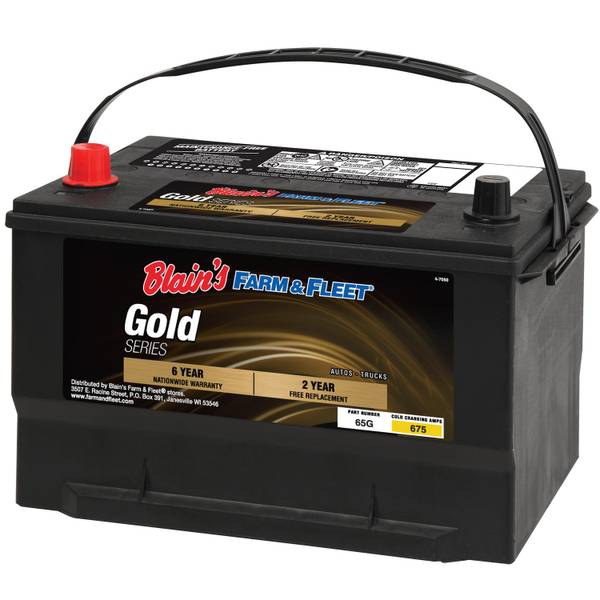
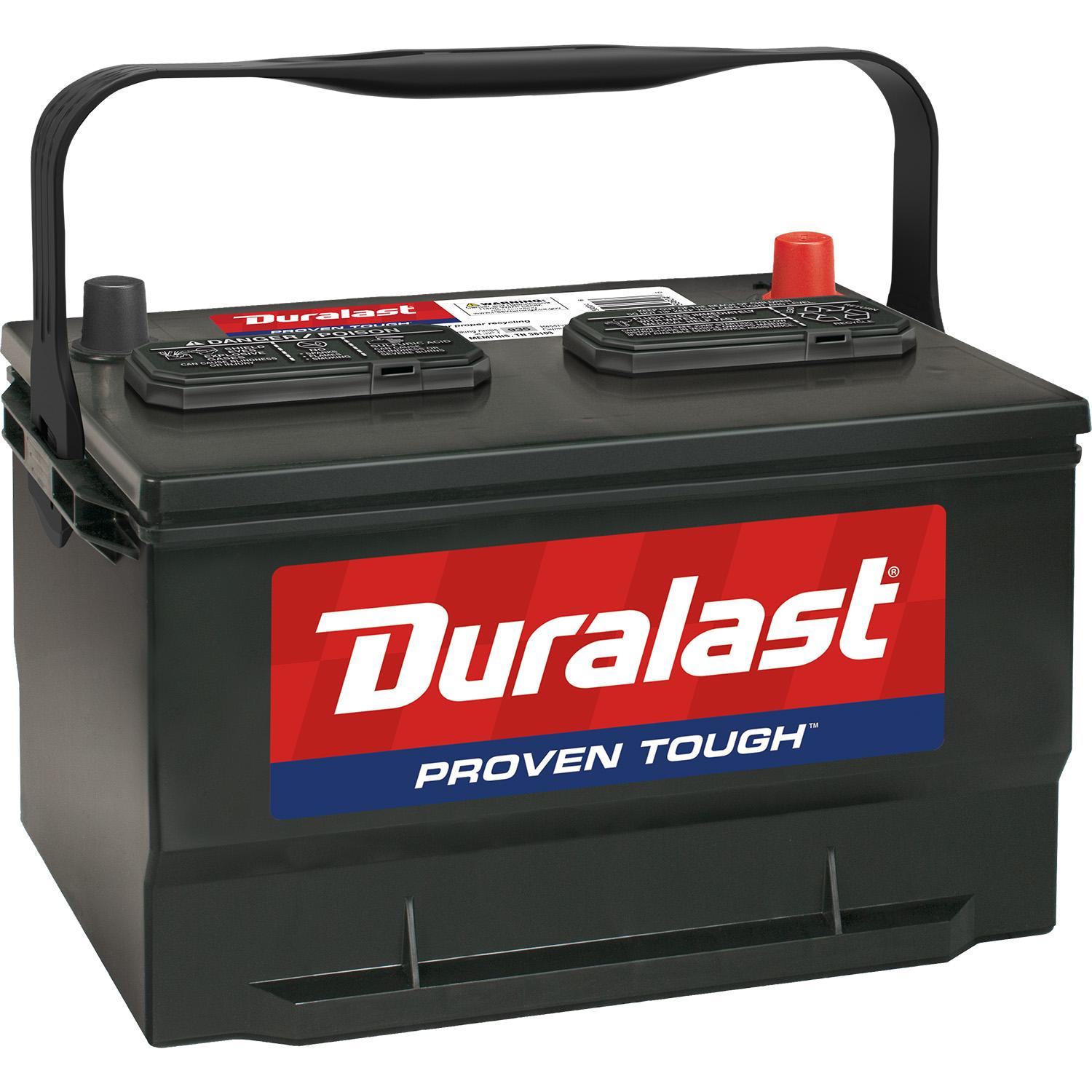
Car battery group size 65 is a large 12-volt battery size used in many trucks, SUVs, and full-size vehicles.
Choosing the right car battery group size 65 involves more than matching a number. The battery must fit the tray, use the correct terminal layout, provide enough cold-cranking power, and meet your vehicle maker’s specifications. This guide explains group 65 dimensions, performance, fitment, testing, replacement tips, and common mistakes so you can buy with confidence.
What Is Car Battery Group Size 65?
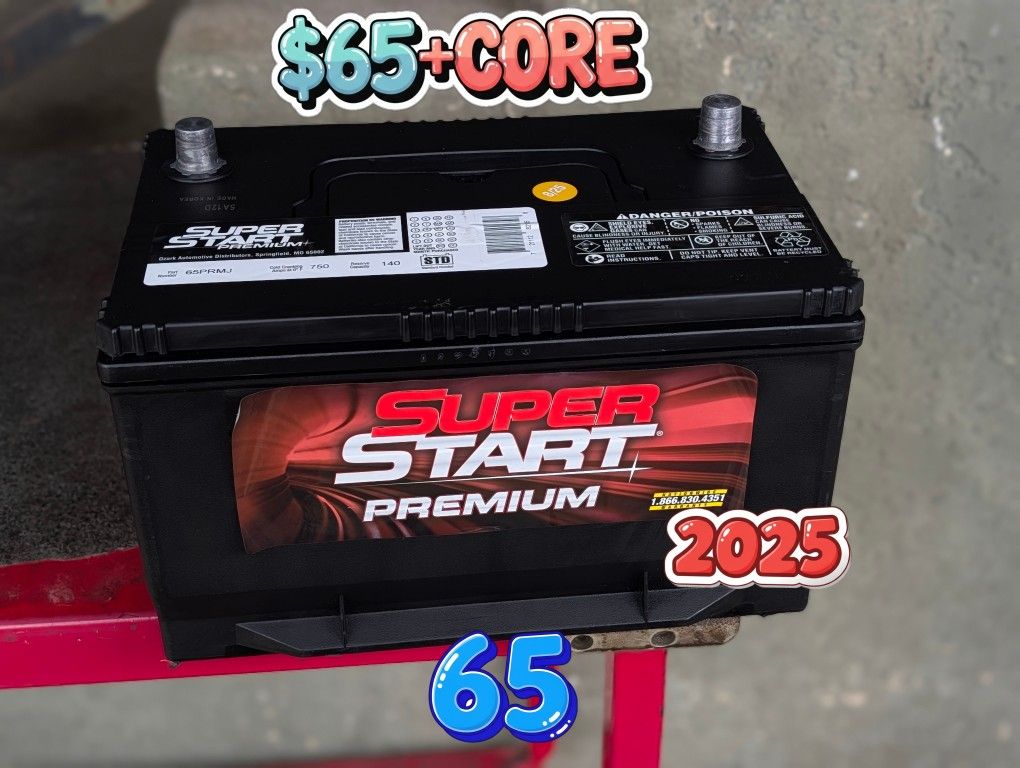
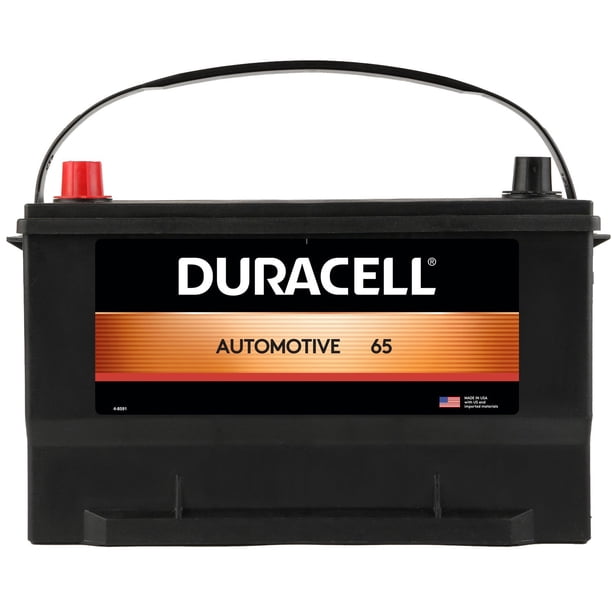
Car battery group size 65 is a Battery Council International (BCI) size classification. It describes the battery’s outside dimensions, terminal arrangement, and general fit. It does not guarantee one exact brand, capacity, or cold-cranking amp rating.
A group 65 battery usually has these approximate dimensions:
• Length: 12.06 inches
• Width: 6.94 inches
• Height: 7.88 inches
• Voltage: 12 volts
• Typical design: Flooded lead-acid, AGM, or enhanced flooded battery
• Common terminal style: Top posts, often with a positive terminal on the right
Small size differences can occur between brands. A battery that is only slightly longer or taller may not fit safely. Always compare the exact dimensions and terminal position before buying.
The car battery group size 65 is common in vehicles that need more starting power than a compact car battery can provide. You may find it in pickup trucks, large SUVs, vans, and some performance vehicles.
Car Battery Group Size 65 Dimensions and Fit
Physical fit is the first thing to check. A battery can have excellent power ratings but still be wrong if it cannot sit flat in the battery tray.
Measure the following areas before installation:
• Battery tray length and width
• Clearance above the battery
• Hold-down bracket position
• Distance from the terminals to nearby metal parts
• Cable reach and terminal direction
The height matters because a tall battery may touch the hood. This can create a dangerous short circuit. The hold-down also matters. A loose battery can move during hard braking, rough roads, or off-road driving.
The car battery group size 65 normally uses top-post terminals. However, terminal position can vary by application and brand. Do not assume every group 65 battery has the same polarity layout.
A correct fit should meet four conditions:
- The battery sits level in the tray.
- The hold-down secures it firmly.
- The cables reach without strain.
- The terminals remain clear of the hood and body.
Think of the battery tray as a shoe. The group number tells you the general shoe size, but the shape and sole still need to match.
Common Vehicles That Use Group 65 Batteries
The car battery group size 65 is often used in vehicles with larger engines or higher electrical loads. Common examples may include:
• Ford F-Series trucks
• Chevrolet Silverado trucks
• GMC Sierra trucks
• Chevrolet Tahoe and Suburban models
• GMC Yukon models
• Dodge and Ram trucks
• Jeep SUVs
• Some Lincoln and Mercury vehicles
• Certain large cars and vans
Fitment changes by year, engine, trim, and electrical package. A vehicle may accept group 65 in one model year but use another group in a different year.
Diesel engines, heavy-duty towing packages, heated seats, winches, large audio systems, and extra lighting may require stronger battery performance. Still, a larger battery is not always a safe upgrade. The battery tray, charging system, cables, and computer controls must support the change.
Use your owner’s manual or a trusted vehicle fitment catalog as the final check. The old battery label is also useful, but it should not be the only source. Previous owners sometimes install the wrong battery.
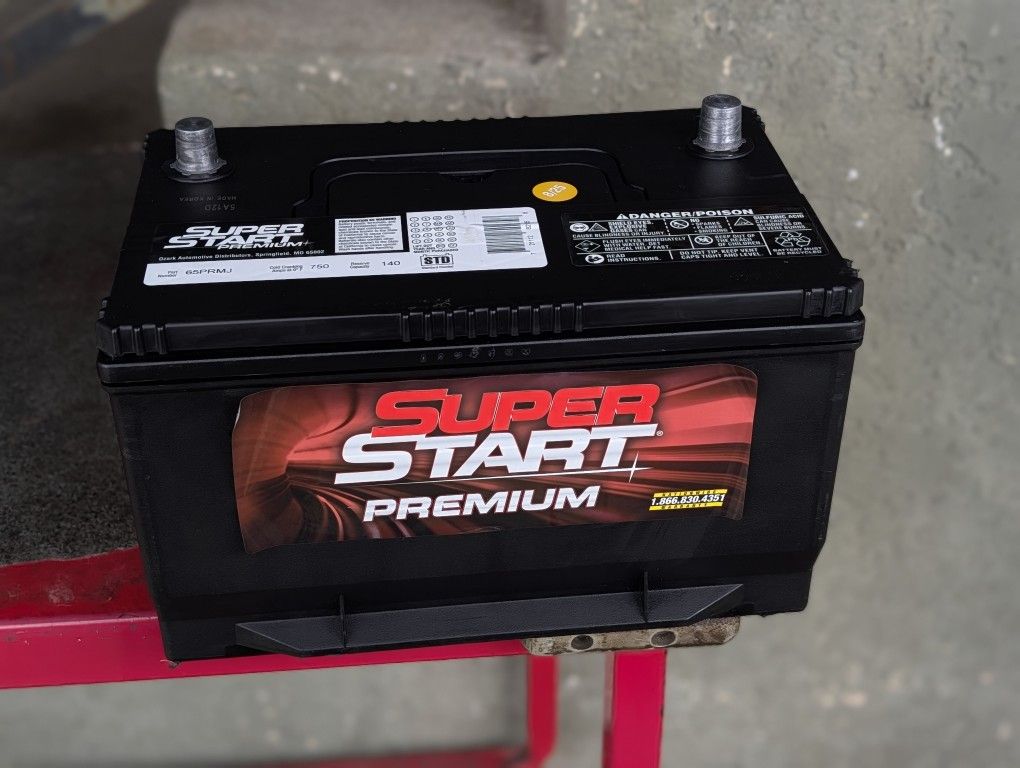
Car Battery Group Size 65 Performance Ratings
Group size tells you about fit. Performance ratings tell you how the battery works.
The main ratings to compare are:
Cold-Cranking Amps
Cold-cranking amps, or CCA, measure how much current a battery can deliver at 0°F for 30 seconds while maintaining a safe voltage. A higher CCA rating can help during cold starts.
Many group 65 batteries offer roughly 650 to 850 CCA. Some heavy-duty AGM models may offer more. The exact rating depends on the battery design and manufacturer.
Do not select a battery based on CCA alone. A very high CCA rating does not fix poor fit, weak cables, or a failing alternator.
Cranking Amps
Cranking amps, or CA, measure starting power at a warmer temperature, commonly 32°F. CA numbers are usually higher than CCA numbers.
When comparing two batteries, focus on CCA first if you live in a cold climate. CA can still help, but it does not show the same cold-weather performance.
Reserve Capacity
Reserve capacity, or RC, shows how long a fully charged battery can provide a set electrical load before its voltage drops too low. A higher RC rating may help when the engine is off but accessories are running.
This matters for trucks with lights, radios, powered equipment, or camping accessories. It also provides a little more support if the alternator stops working.
Amp-Hour Capacity
Some batteries list amp-hour capacity. This rating shows how much energy the battery can deliver over time. It is more common for deep-cycle and dual-purpose batteries than for standard starting batteries.
A regular starting battery is designed for short, powerful bursts. It is not meant to run accessories for long periods with the engine off.
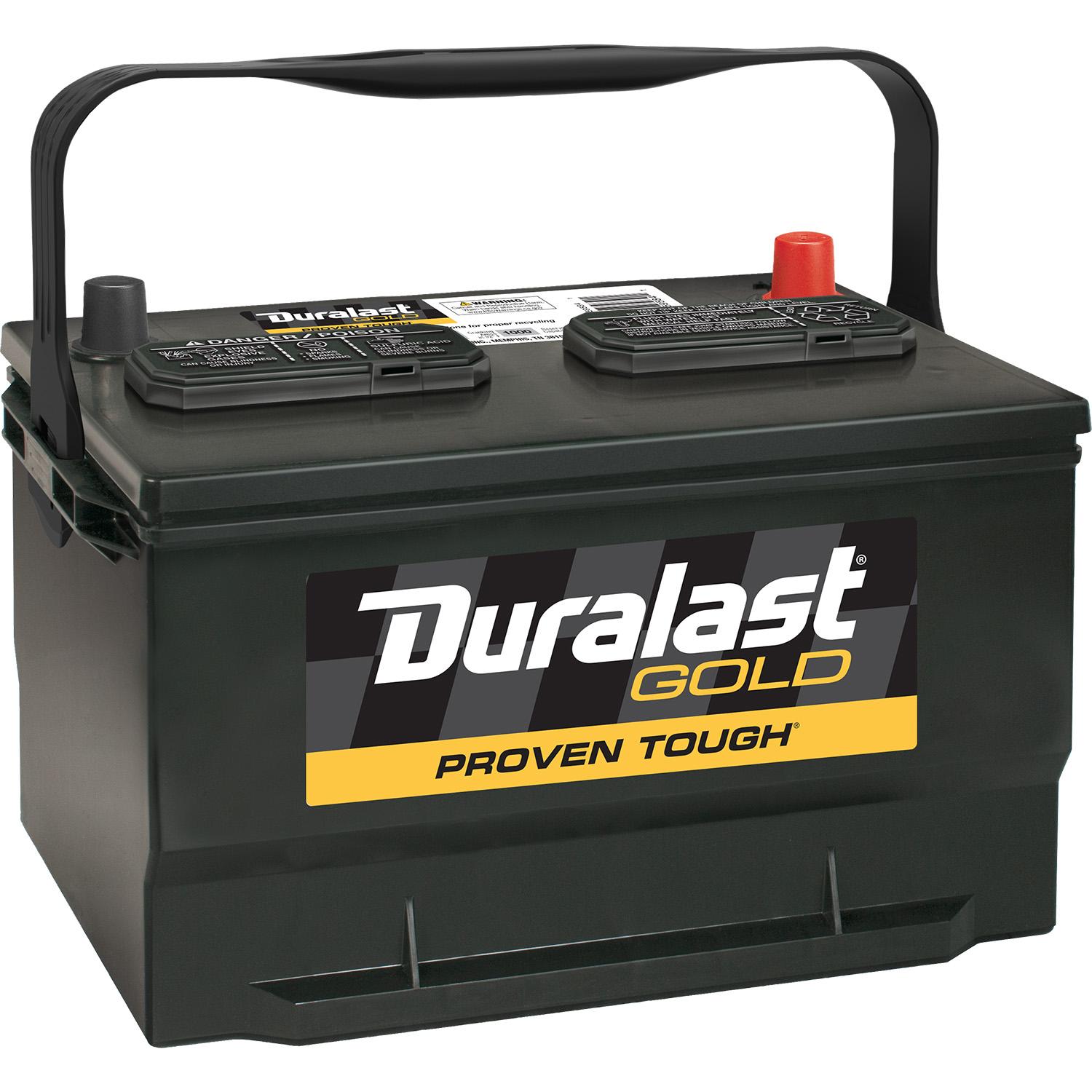
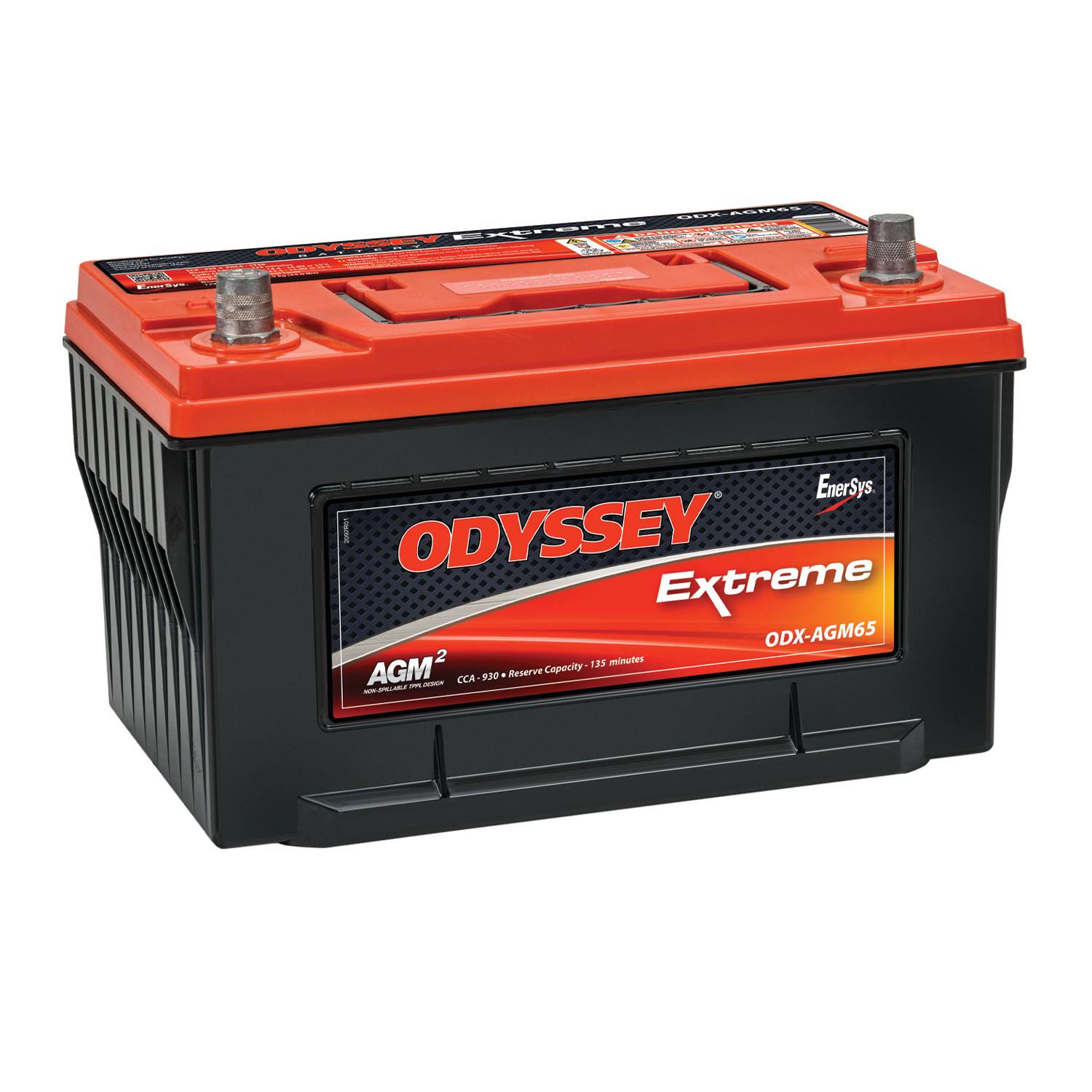
Flooded, AGM, and Enhanced Flooded Group 65 Batteries
The car battery group size 65 is available in several battery types. Each design has strengths and limits.
Flooded Lead-Acid
Flooded batteries are the traditional choice. They use liquid electrolyte and often cost less than AGM batteries.
Benefits include:
• Lower purchase price
• Wide availability
• Good starting performance
• Easy replacement
Their limits include fluid loss, sensitivity to heat, and lower resistance to repeated deep discharge. Many modern flooded batteries are sealed and maintenance-free, but they still contain liquid electrolyte.
AGM Batteries
Absorbent glass mat, or AGM, batteries hold electrolyte in fiberglass mats. They are sealed, resist vibration, and can handle higher electrical demands.
AGM benefits include:
• Strong starting performance
• Better vibration resistance
• Good support for vehicles with many accessories
• Lower risk of acid leakage
• Better tolerance for repeated cycling
AGM batteries usually cost more. They also need the correct charging profile. Some vehicles require battery management system registration after installation.
Enhanced Flooded Batteries
Enhanced flooded batteries sit between standard flooded and AGM designs. They offer improved cycling performance while keeping a lower price than many AGM models.
The best choice depends on the vehicle. If the factory battery is AGM, replacing it with a basic flooded battery may reduce performance and battery life.

How to Choose the Best Car Battery Group Size 65
Start with the vehicle requirements, not the brand name. A good battery must meet the minimum specifications listed by the vehicle maker.
Use this checklist:
- Confirm the group size.
- Check the exact dimensions.
- Verify terminal position and polarity.
- Match or exceed the original CCA rating.
- Compare reserve capacity.
- Choose the correct battery type.
- Check the warranty period.
- Review the manufacturing date.
- Confirm the battery fits the hold-down.
- Check whether battery registration is needed.
The manufacturing date matters because batteries age while sitting on shelves. Many batteries use a letter and number code to show the month and year. Ask the seller to explain the code if it is unclear.
A fresh battery is usually a better choice than an older battery with a longer warranty. The warranty helps, but it does not replace proper fit and correct maintenance.
For most drivers, the best car battery group size 65 is the one that matches the factory design, offers suitable CCA, and comes from a reliable seller with clear warranty support.
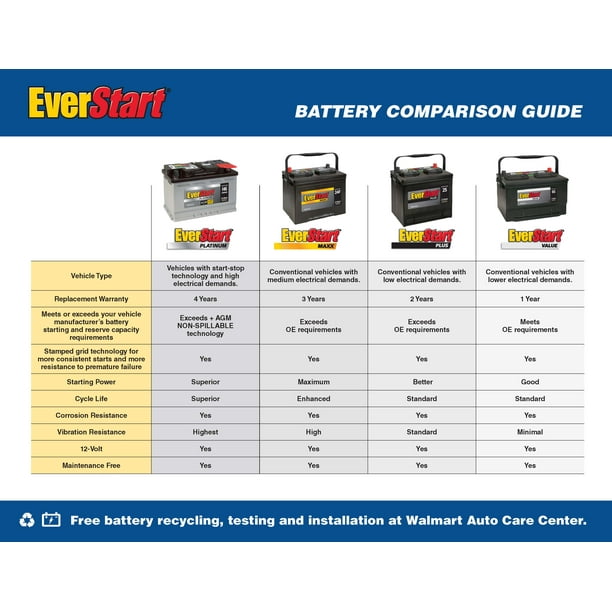
Group 65 Compared With Other Battery Sizes
Battery group numbers are not arranged like engine sizes. Group 65 is not automatically better than group 24F, group 34, or group 78. Each group has its own dimensions and terminal layout.
Group 65 vs. Group 24F
Group 24F batteries are common in many cars and trucks. They may be similar in width but can differ in length, height, and terminal position.
A group 24F battery should not replace a group 65 battery unless the vehicle maker confirms the fit and electrical requirements.
Group 65 vs. Group 34
Group 34 batteries are often shorter and may have different terminal placement. They are popular in performance cars, trucks, and dual-purpose applications.
Even if a group 34 battery has a high CCA rating, it may not lock into a group 65 tray.
Group 65 vs. Group 78
Group 78 batteries can have side terminals, top terminals, or both, depending on the design. Their dimensions may not match group 65.
Terminal location is especially important. A battery with the wrong terminal position can place the positive post near metal body parts.
The key lesson is simple: group numbers are fit codes, not universal power rankings.
Signs Your Group 65 Battery Needs Replacement
A weak battery may show warning signs before it fails completely. Look for these symptoms:
• Slow engine cranking
• Clicking when you turn the key
• Dim interior or headlamps
• Needing a jump-start
• Battery warning messages
• Swollen battery case
• Corrosion around the terminals
• Electrical settings that reset
• A battery older than three to five years
Battery life depends on climate, driving habits, vibration, and charging health. Extreme heat can speed up internal corrosion. Very cold weather exposes a weak battery because the engine needs more starting power.
A slow start does not always mean the battery is bad. A failing starter, dirty cable, poor ground, or weak alternator can cause similar symptoms.
This is why testing matters. Replacing the battery without checking the charging system can lead to another failure.
How to Test a Car Battery Group Size 65
You can perform a basic battery check with a digital multimeter. Wear eye protection and keep sparks away from the battery.
Follow these steps:
- Turn off the engine and all accessories.
- Let the vehicle sit for several hours if possible.
- Touch the red probe to the positive terminal.
- Touch the black probe to the negative terminal.
- Read the voltage.
A fully charged 12-volt battery often measures about 12.6 volts at rest. Around 12.4 volts suggests partial charge. A reading near 12.0 volts indicates a deeply discharged battery.
Voltage alone does not prove that a battery is healthy. A weak battery can show normal voltage but fail under load. A professional battery tester checks conductance or applies a controlled load to estimate starting ability.
The charging system should also be tested. With the engine running, many vehicles show roughly 13.7 to 14.7 volts, but the correct range varies by vehicle and charging strategy.
Modern vehicles may use smart charging. In those vehicles, a normal reading can change based on temperature, battery state, and driving conditions.
Installing a Group 65 Battery Safely
Battery installation is simple, but mistakes can damage electronics or cause injury.
Use this basic process:
- Park on a level surface and turn off the ignition.
- Wear gloves and eye protection.
- Remove the negative cable first.
- Remove the positive cable second.
- Remove the hold-down.
- Lift out the old battery with care.
- Clean the tray and cable ends.
- Place the new battery in the same direction.
- Secure the hold-down.
- Connect the positive cable first.
- Connect the negative cable last.
- Start the vehicle and check for warning lights.
Never place tools across the battery terminals. Metal can create a short circuit, heat quickly, and cause burns.
Some vehicles lose radio presets, window settings, or learned computer data when the battery is disconnected. Others may need a battery monitoring system reset or registration procedure. Check the service information for your vehicle before installation.
If the battery is heavy or difficult to reach, professional installation is a sensible choice. A mistake with a modern vehicle can cost more than the installation fee.
Common Car Battery Group Size 65 Mistakes
Several mistakes appear again and again when people replace a battery.
Buying by Brand Alone
A famous brand can still sell a battery that is wrong for your vehicle. Confirm the group size, dimensions, polarity, and ratings first.
Choosing the Highest CCA
More CCA is not always better. It may cost more without providing a useful benefit in your climate or vehicle.
Ignoring the Hold-Down
A battery that is not firmly secured can vibrate. Vibration damages internal plates and can shorten battery life.
Using the Wrong Terminal Layout
The cables may reach, but the positive terminal may sit too close to metal. This creates a serious short-circuit risk.
Skipping the Charging Test
A new battery may appear defective if the alternator is undercharging or overcharging it. Test both systems when possible.
Buying an Old Battery
Check the date code before purchase. A battery that has spent too long in storage may have reduced capacity, even if it looks new.
Treating Corrosion as Normal
Light corrosion can indicate a poor connection or venting problem. Clean the terminals and inspect the cable ends before installing the replacement.
How to Extend Group 65 Battery Life
Good habits can help a battery last longer.
• Keep the terminals clean and tight.
• Make sure the battery hold-down stays secure.
• Avoid leaving lights or accessories on.
• Drive long enough to replace the energy used during starting.
• Test the battery before extreme winter weather.
• Inspect the case for swelling or cracks.
• Repair alternator and starter problems quickly.
• Use a smart charger when the vehicle sits for long periods.
Short trips can be hard on a battery. Starting the engine uses energy, but a five-minute drive may not replace it. Repeated short trips can slowly lower the state of charge.
If you store a truck or classic vehicle, a quality battery maintainer can help. Use a charger made for the battery type, especially with AGM batteries.
Do not add tap water or open a sealed battery. Follow the manufacturer’s service instructions instead.
When a Larger Battery Upgrade Makes Sense
Some drivers want to replace a standard group 65 battery with a high-performance AGM model. This can make sense when the vehicle has high electrical demand, strong vibration, or frequent accessory use.
Possible reasons to upgrade include:
• A powerful winch
• Extra lighting
• A large sound system
• Frequent towing
• Off-road driving
• Long periods of accessory use
• Extreme cold weather
The upgrade must still fit the tray and match the charging system. A larger battery cannot create unlimited power. The alternator must recharge the energy that accessories use.
If you run accessories with the engine off, consider a dual-battery system or an auxiliary deep-cycle battery. A starting battery is not a substitute for a properly designed accessory system.
Environmental and Disposal Considerations
Lead-acid batteries should never go in household trash. They contain lead and corrosive electrolyte, but they are also highly recyclable.
Most auto parts stores, battery retailers, and recycling centers accept old automotive batteries. Many sellers charge a refundable core fee that you recover when you return the old battery.
Carry the battery upright. Keep it away from children, pets, flames, and loose metal objects. If the case leaks or cracks, avoid contact with the fluid and contact a recycling or hazardous-waste service for instructions.
Responsible disposal protects people, soil, and water. It also allows valuable materials to return to the manufacturing cycle.
Frequently Asked Questions About Car Battery Group Size 65
What vehicles use a car battery group size 65?
A car battery group size 65 is common in many full-size trucks, SUVs, vans, and some large cars. Exact fitment depends on the vehicle year, engine, trim, and electrical package, so verify the application before buying.
Is group 65 the same as 65R?
Not always. The letter can describe a different terminal orientation or regional specification, so compare the dimensions and polarity rather than relying on the number alone.
How many years does a group 65 battery last?
Many automotive batteries last about three to five years, but climate, vibration, charging health, and driving habits affect service life. Hot climates and frequent short trips can shorten that range.
Can I replace group 65 with an AGM battery?
Often, yes, if the AGM battery has the correct dimensions, terminal layout, and vehicle compatibility. Some vehicles also need battery management system registration after the replacement.
Is a higher CCA rating better for my vehicle?
A higher CCA rating can help in cold weather, but it is not automatically better. The battery must still fit correctly and work with the vehicle’s charging system.
How do I know if my group 65 battery is bad?
Slow cranking, repeated jump-starts, low resting voltage, swelling, and dim lights can point to a weak battery. A load or conductance test is more reliable than voltage alone.
Can a group 65 battery power accessories with the engine off?
It can power accessories for a limited time, but repeated deep discharge may damage a standard starting battery. A dual-purpose or deep-cycle battery is better for regular accessory use.
Does battery polarity matter?
Yes. The positive and negative terminal positions must match the vehicle cables. Wrong polarity can make the cables too short or place the positive terminal near grounded metal.
Conclusion
The car battery group size 65 is a popular 12-volt battery size for many trucks, SUVs, vans, and large vehicles. The group number helps identify the physical fit, but you must also check CCA, reserve capacity, battery type, terminal position, hold-down design, and charging requirements.
Before you buy, compare the old battery with the vehicle manual, test the charging system, and choose a fresh battery from a reliable seller. Take a few extra minutes to confirm the details, and you can avoid poor fit, weak starting, and costly electrical problems. Share your vehicle details or battery experience in the comments, and explore your manufacturer’s service information for the safest match.