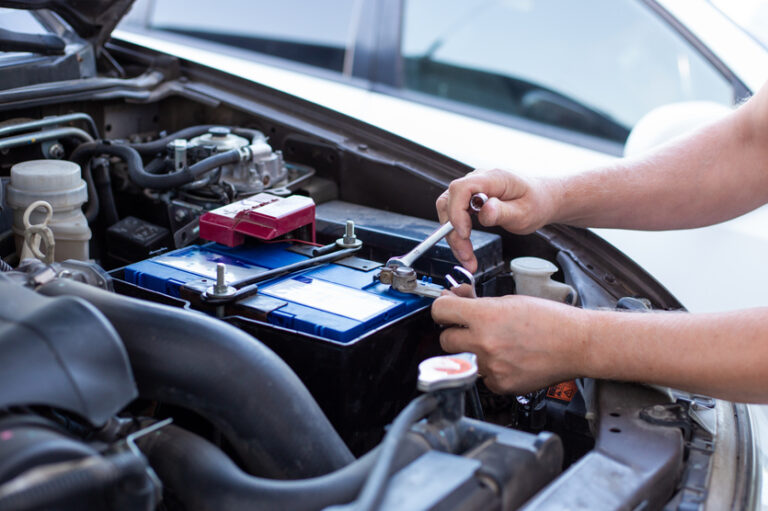
A car battery charger restores electrical energy to a vehicle battery when its charge is low or completely drained.
Understanding what is a car battery charger can help you avoid failed starts, wasted money, and unsafe charging mistakes. This guide explains how chargers work, which type fits your vehicle, how long charging takes, and how to use one with confidence.
What Is a Car Battery Charger?
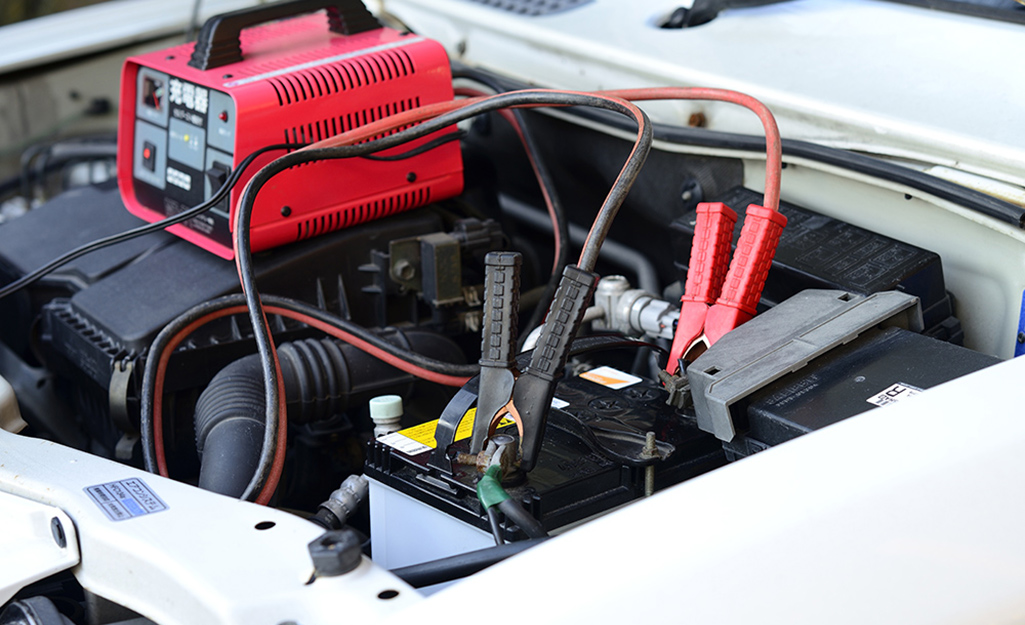
A car battery charger is an electrical device that sends controlled power to a rechargeable vehicle battery. It connects to a household outlet and transfers energy to the battery through positive and negative cables.
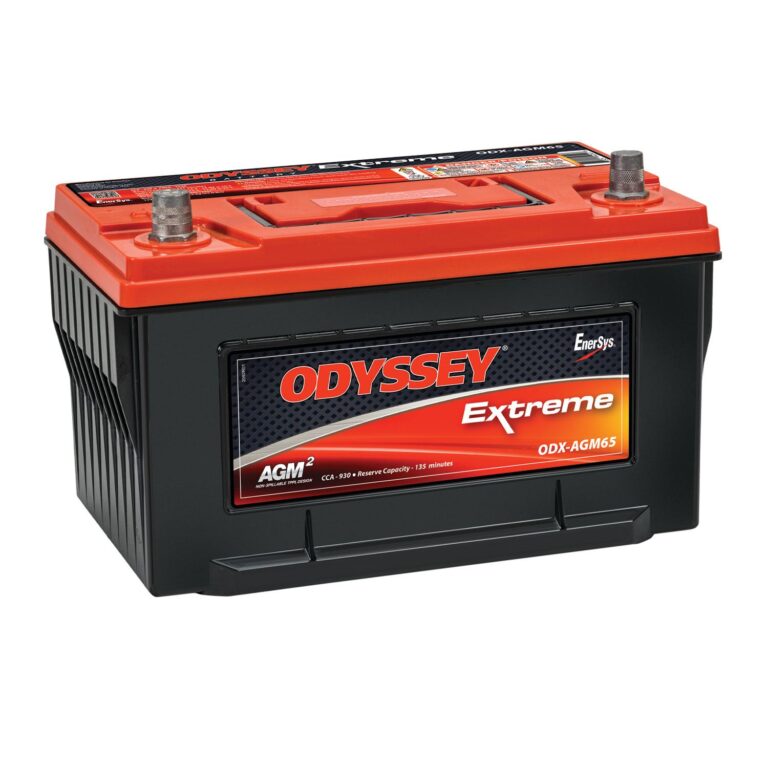
Most cars use a 12-volt lead-acid battery. Some newer vehicles use an absorbed glass mat (AGM) battery, while hybrid and electric vehicles use much larger high-voltage battery packs. A standard car battery charger usually works with the 12-volt battery that starts the engine and powers basic systems.
Unlike jumper cables, a charger does not borrow power from another car. It slowly rebuilds the battery’s stored energy. Think of it as filling a water tank instead of giving the battery a quick splash.
A car battery charger may be useful when:
• Your vehicle sits unused for long periods
• Cold weather weakens the battery
• Interior lights drain the battery
• You need to maintain a classic or seasonal vehicle
• The alternator cannot fully recharge the battery
• You want to test whether a battery can still hold a charge
In my experience, many drivers buy a charger only after a battery leaves them stranded. Keeping the right charger at home can turn a stressful morning into a simple overnight repair.
How Does a Car Battery Charger Work?
A charger changes household alternating current, or AC, into low-voltage direct current, or DC. The battery stores this DC energy through a controlled chemical reaction.
A modern charger usually manages the charging process in stages:
- Bulk charging sends most of the power to the battery.
- Absorption charging reduces the current as the battery nears full capacity.
- Float charging maintains the battery without forcing in excess power.
- Monitoring checks voltage, temperature, and charging progress.
Older manual chargers may continue sending power until you turn them off. Smart chargers can detect battery voltage and stop or reduce charging when the battery reaches a safe level.
A typical 12-volt lead-acid battery may show about 12.6 volts when fully charged and resting. A reading near 12.0 volts often suggests a deeply discharged battery. Voltage readings can vary, so they should not replace a proper battery test.
A car battery charger does not always repair a damaged battery. If the battery has a shorted cell, severe sulfation, a cracked case, or frozen electrolyte, charging may not solve the problem.
Main Types of Car Battery Chargers
Different chargers serve different needs. Choosing the right one depends on your battery type, vehicle use, and how quickly you need power.
Trickle Chargers
A trickle charger provides a low, steady current. It is useful for vehicles that sit for weeks or months, such as motorcycles, classic cars, boats, and seasonal vehicles.
Some basic trickle chargers keep charging even after the battery is full. This can cause overcharging if the charger remains connected too long. Use a model with automatic regulation whenever possible.
Battery Maintainers
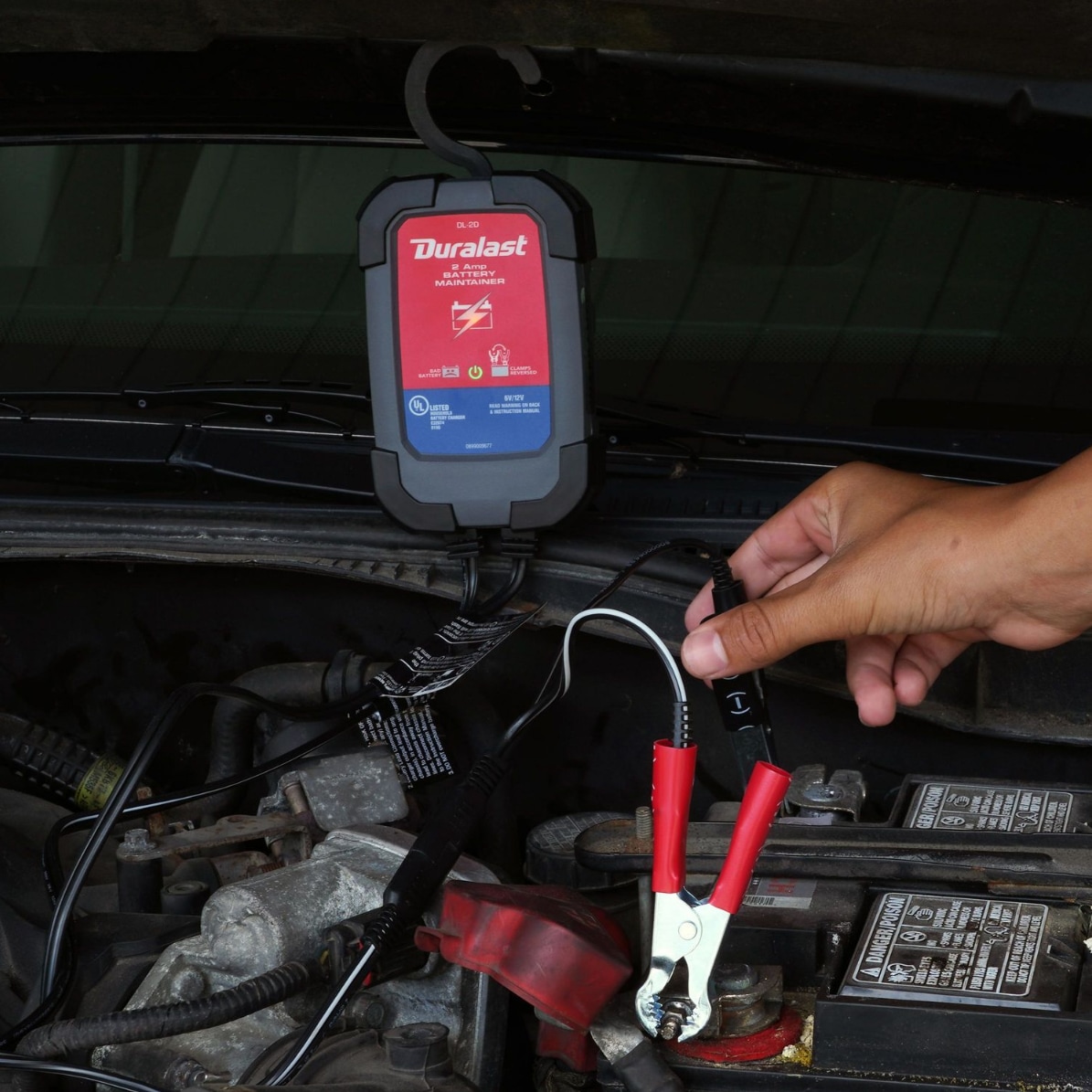
A battery maintainer monitors battery voltage and adds power only when needed. It is often safer than a basic trickle charger for long-term storage.
A maintainer is a good choice for:
• Collectible cars
• Backup vehicles
• Recreational vehicles
• Lawn equipment
• Cars used only on weekends
Smart Chargers
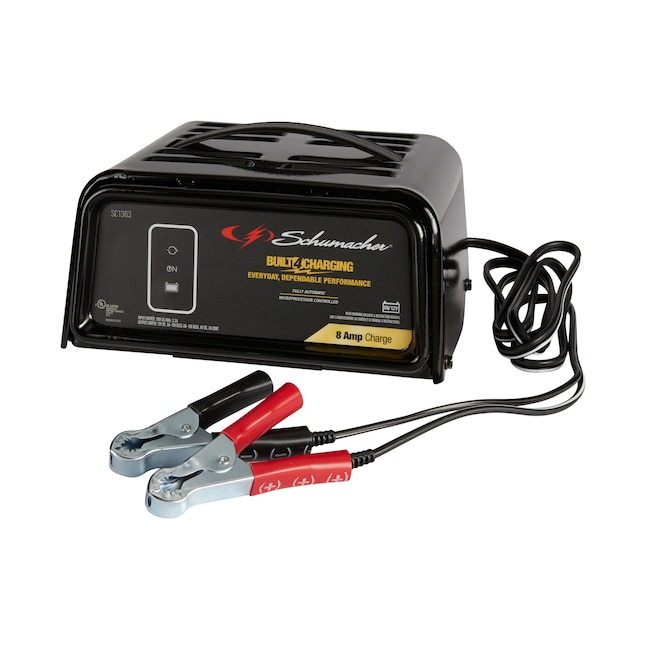
A smart car battery charger adjusts its output based on the battery’s condition. Many models include automatic shutoff, reverse-polarity protection, temperature control, and battery-type settings.
Smart chargers are often the best general option for home use. They are simple for beginners and reduce the risk of overcharging.
Jump Starters With Charging Features
A portable jump starter contains its own internal battery. It can provide enough power to start a vehicle, and some models can also recharge phones or other devices.
A jump starter is not the same as a car battery charger. It is designed for short bursts of starting power, while a charger restores the vehicle battery over time.
High-Amp Chargers
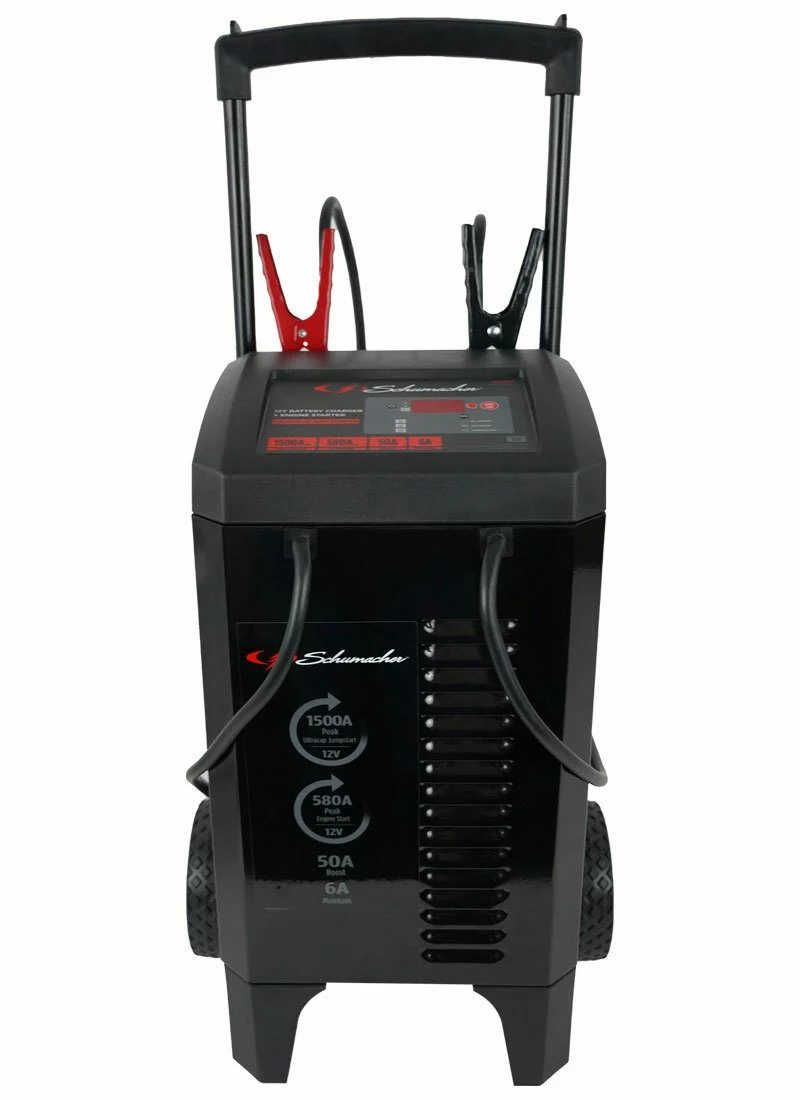
High-amp chargers deliver more current and can charge a battery faster. Some also include an engine-start mode.
These units require extra care. High current can create heat, sparks, or battery damage when used incorrectly. Follow the manufacturer’s instructions and never use a high-amp setting as a substitute for proper diagnosis.
What Is a Car Battery Charger Used For?
The main purpose of a car battery charger is to restore or maintain battery charge. However, its practical uses go beyond recovering a dead battery.
A charger can help you:
• Prepare a stored car for driving
• Reduce discharge caused by alarms and electronic systems
• Support battery health during cold months
• Recover from leaving headlights on
• Maintain a battery during long travel or illness
• Check whether a battery accepts and holds energy
Modern vehicles use power even when the engine is off. Security systems, computers, keyless entry systems, and memory settings create a small electrical draw. This draw may slowly discharge a vehicle that sits for several weeks.
A charger can also support proper testing. If you charge the battery fully and it becomes weak again soon after, the problem may involve the battery, alternator, wiring, or an electrical drain.
In one common case, a driver may assume the battery is bad because the car will not start after sitting. Charging the battery overnight can reveal the real issue. If it starts normally but goes dead again, the alternator or an unwanted electrical drain deserves attention.
How to Choose the Right Car Battery Charger
The best charger depends on your battery and your goal. A small sedan used daily may need a different charger than a classic car stored for winter.
Consider these points before buying:
• Battery voltage: Most cars use 12 volts, but some older vehicles use 6 volts.
• Battery chemistry: Choose a charger that supports lead-acid, AGM, gel, or lithium batteries as needed.
• Output current: Low current is gentle; higher current charges faster.
• Automatic control: Smart features help prevent overcharging.
• Battery size: Large trucks and RVs may need a stronger charger.
• Safety features: Look for reverse-polarity, short-circuit, and overheating protection.
• Connection type: Ring terminals work well for storage, while clamps suit occasional use.
• Weather resistance: Outdoor use requires a charger rated for that environment.
For most drivers, a 12-volt smart charger with several charging modes is a practical choice. A 2-amp to 10-amp range covers many home charging needs, but always compare the charger with the battery maker’s instructions.
A lithium battery requires a charger made for lithium chemistry. Do not assume a lead-acid charger is safe for every battery. The wrong charging profile can reduce battery life or create a serious safety risk.

How to Use a Car Battery Charger Safely
Charging a battery is usually simple, but safety matters. Batteries can release hydrogen gas, especially during charging. Hydrogen is highly flammable, so keep flames, cigarettes, and sparks away from the work area.
Follow these steps:
- Park the vehicle in a dry, well-ventilated place.
- Turn off the ignition, lights, radio, and accessories.
- Inspect the battery for cracks, leaks, swelling, or severe corrosion.
- Read the charger and vehicle instructions.
- Make sure the charger is turned off and unplugged.
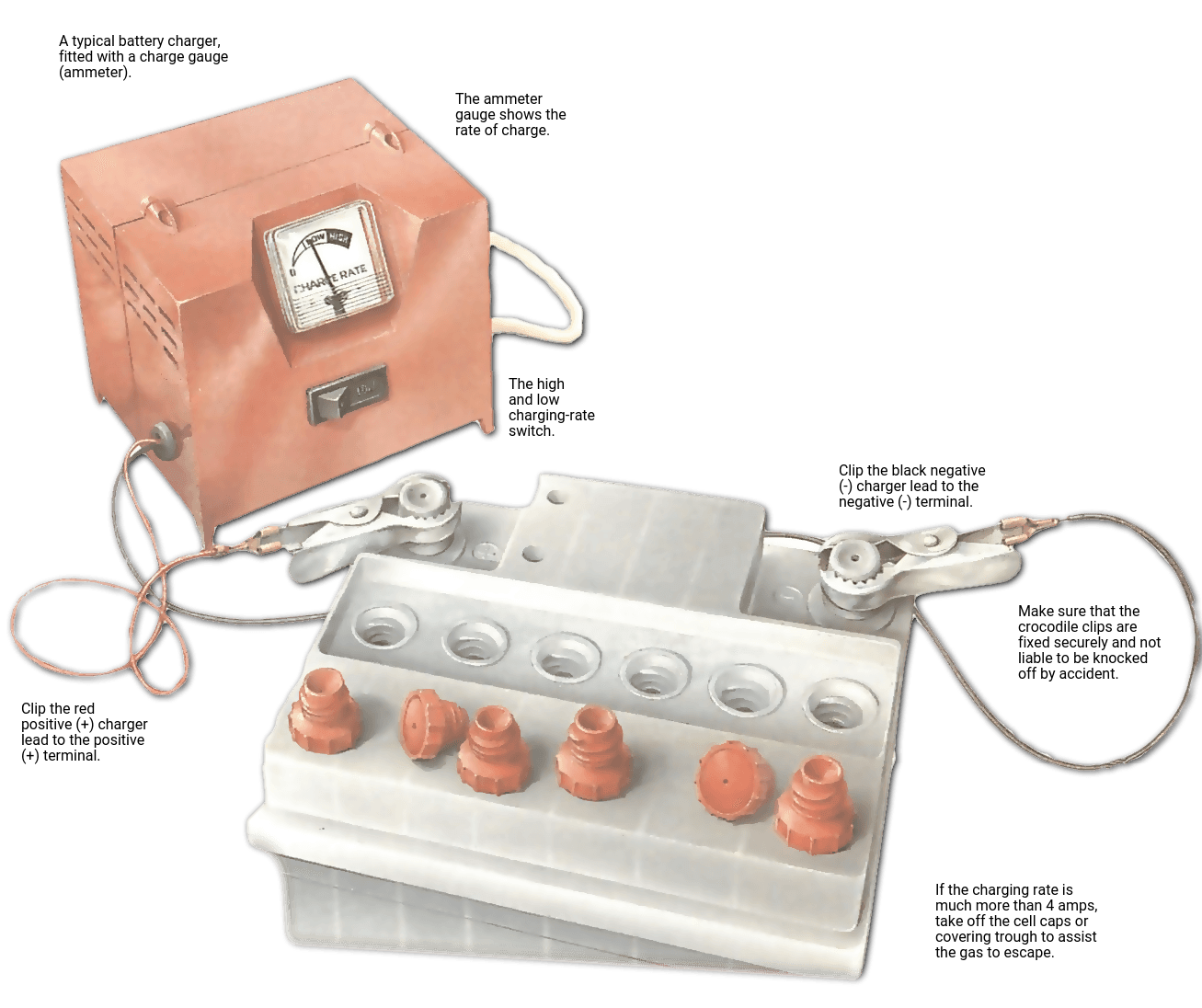
- Connect the red positive clamp to the positive battery terminal.
- Connect the black negative clamp to the negative terminal or an approved vehicle ground.
- Plug in the charger and select the correct mode.
- Watch for unusual heat, smoke, odor, or noise.
- Turn off and unplug the charger before removing the clamps.
Some vehicle makers recommend connecting the negative clamp to a solid metal grounding point away from the battery. This can reduce the chance of a spark near battery gases. Follow the vehicle manual when its instructions differ from general advice.
Wear eye protection when working near a battery. Wash your hands afterward, especially if you touch corrosion or battery residue. Never charge a frozen, leaking, cracked, or visibly damaged battery.
A mistake I often see is connecting the clamps while the charger is already powered. It may work with some modern devices, but switching the charger off first is a safer habit and helps prevent sparks.
How Long Does a Car Battery Charger Take?
Charging time depends on battery capacity, the charger’s output, the battery’s condition, and the charging method.
A simple estimate is:
Charging time = battery capacity in amp-hours ÷ charger output in amps
For example, a 60 amp-hour battery connected to a 6-amp charger may need about 10 hours in ideal conditions. Real charging often takes longer because charging efficiency is not perfect and the charger reduces current near full capacity.
Approximate times may look like this:
• 2-amp charger: About 24 to 36 hours for a deeply discharged 60 amp-hour battery
• 6-amp charger: About 10 to 14 hours
• 10-amp charger: About 6 to 10 hours
• 20-amp charger: Often 3 to 6 hours, depending on the battery and charger
These are estimates, not guarantees. A worn battery may never reach full charge. A smart charger may also pause, test, or reduce power during its charging cycle.
Fast charging is not always better. High current creates more heat and can place extra stress on an old battery. Slow charging is often the better choice when time allows.

Charger Versus Jump Starter Versus Alternator
These three devices can all help with a weak battery, but they do different jobs.
A car battery charger restores battery energy from an external power source. It works slowly and thoroughly.
A jump starter provides a short burst of current so the engine can crank. It may start a car with a weak battery, but it does not necessarily recharge that battery.
An alternator generates electricity while the engine runs. It powers the vehicle’s systems and recharges the battery during normal driving.
Driving for a short time after a jump start may not fully recharge a deeply discharged battery. In some cases, the alternator is mainly designed to maintain a healthy battery rather than replace a full charger.
If a vehicle needs repeated jump starts, do not treat the symptom as the solution. Test the battery and charging system. Repeated starting problems may point to a failing battery, poor cable connection, faulty alternator, or parasitic drain.

Can a Car Battery Charger Damage a Battery?
Yes, the wrong charger or setting can damage a battery. The risk is higher with manual chargers, incorrect voltage, excessive current, poor ventilation, or very long charging times.
Possible problems include:
• Overheating
• Electrolyte loss
• Excessive gas release
• Plate damage
• Reduced battery life
• Battery swelling or leakage
Smart chargers lower this risk, but they do not make unsafe batteries safe. Always match the charger to the battery’s voltage and chemistry.
Do not charge a battery that is frozen. A frozen battery may have internal damage, and charging it can create dangerous pressure or cracking. Let it warm naturally in a safe place, then inspect it before charging.
A charger also cannot fix every battery problem. Sulfation may reduce capacity after long periods of discharge. A battery may show a normal voltage soon after charging but still fail under engine-starting load.
Signs Your Battery Needs Charging or Replacement
A low battery may show clear warning signs:
• The engine cranks slowly
• Interior lights look dim
• The vehicle needs frequent jump starts
• Electronics reset during starting
• The battery warning light appears
• The battery is more than three to five years old
• The case looks swollen or damaged
A charger may help when the battery is simply discharged. It may not help when the battery has lost its ability to store energy.
After charging, let the battery rest for several hours and check its voltage if you have a reliable multimeter. Then observe how the vehicle starts over the next few days. A professional load test gives a clearer picture of starting capacity.
Battery life varies with climate, driving habits, vehicle design, and maintenance. Extreme heat can speed internal wear, while extreme cold makes starting harder. Short trips may also prevent the alternator from replacing the energy used during startup.
Common Car Battery Charger Mistakes to Avoid
Small mistakes can lead to poor charging or safety problems. Avoid these common errors:
• Choosing a 6-volt setting for a 12-volt battery
• Using a lithium charger on a lead-acid battery
• Reversing the positive and negative clamps
• Charging in a closed room with poor airflow
• Leaving a manual charger connected too long
• Charging a battery with a cracked or leaking case
• Assuming a jump starter fully recharges the battery
• Ignoring corrosion on the terminals
• Using damaged cables or loose clamps
• Starting the engine while the charger is not designed for that use
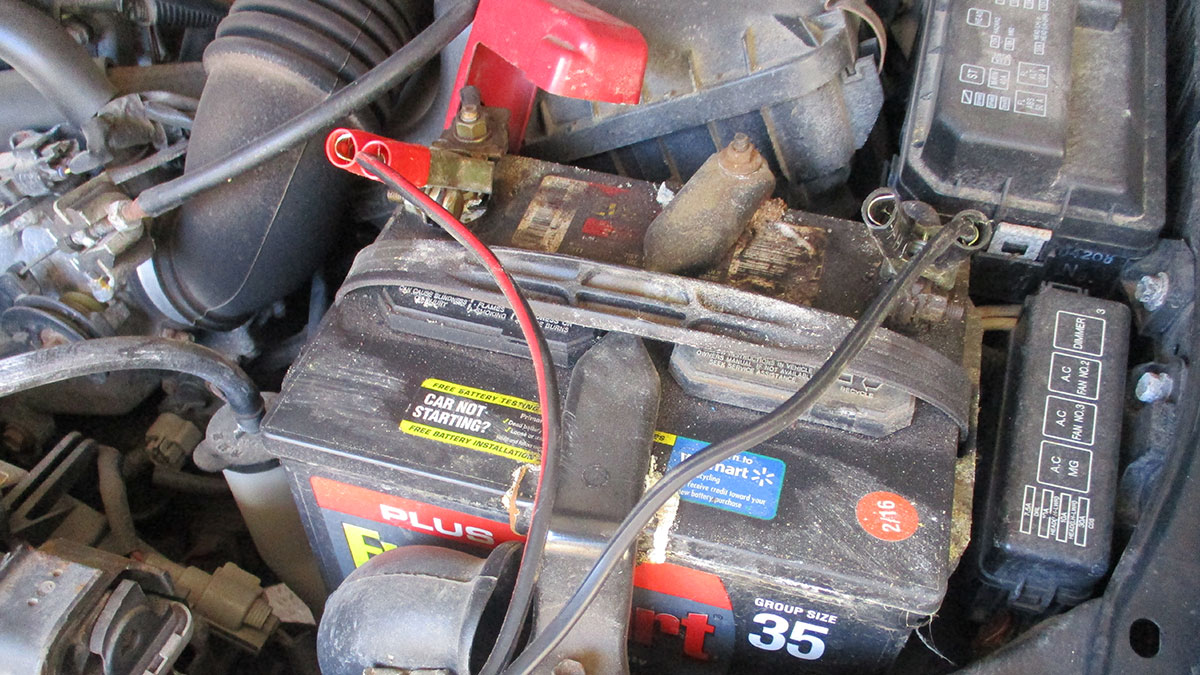
Corroded terminals can block current and make a healthy charger seem ineffective. Clean minor corrosion with the correct battery-cleaning method, wear eye protection, and avoid letting residue contact your skin or clothing.
If you are unsure about the battery type or charger setting, check the owner’s manual or ask a qualified technician. A few minutes of checking can prevent expensive damage.
How to Maintain a Car Battery
A charger works best as part of regular battery care. It should not replace basic maintenance or professional testing.
Use these habits:
• Keep the battery terminals clean and tight.
• Secure the battery so it does not vibrate.
• Avoid leaving lights or accessories on.
• Drive long enough for the alternator to restore starting energy.
• Use a maintainer during long storage.
• Inspect the case for swelling, cracks, or leaks.
• Test the battery before extreme winter or summer conditions.
• Replace a battery that repeatedly fails after charging.
For stored vehicles, connect the maintainer according to the vehicle and charger instructions. Some vehicles may need a memory-saving device or special procedure before the battery is disconnected.
Maintenance cannot stop normal battery aging. It can, however, help you notice problems early and reduce unnecessary discharge.
Frequently Asked Questions About What Is a Car Battery Charger
Is a car battery charger the same as a jump starter?
No. A car battery charger slowly restores energy from an electrical outlet, while a jump starter supplies a short burst of power to start the engine. A jump starter may not fully recharge the battery.
Can I leave a car battery charger connected overnight?
You can usually leave a smart charger connected overnight if the battery and charger are compatible and the instructions allow it. Do not leave a basic manual charger connected unattended because it may overcharge the battery.
How do I know which charger my car battery needs?
Check the battery label and vehicle manual for voltage and chemistry. Most standard cars use a 12-volt battery, but AGM, gel, and lithium batteries require compatible charging modes.
Will a car battery charger start a car immediately?
Usually, no. Most chargers need time to restore enough energy for starting. A charger with an engine-start or boost mode may help, but use that feature only as directed.
Can I charge a car battery without removing it?
Yes, many 12-volt batteries can be charged while installed. Follow the vehicle maker’s instructions, connect the clamps correctly, and keep the area well ventilated.
How often should I use a battery maintainer?
Use a maintainer when a vehicle sits long enough for its battery to lose charge. The exact schedule depends on the vehicle’s electrical drain, battery age, temperature, and storage time.
Can a charger fix a dead car battery?
A charger can restore a battery that is discharged but still healthy. It cannot reliably repair a battery with internal damage, a shorted cell, severe sulfation, a leak, or a worn-out design.
Conclusion
A car battery charger is a practical tool that restores energy, maintains battery charge, and helps prevent unexpected starting problems. Smart chargers are often the easiest choice because they adjust charging power and add useful safety features.
Choose a charger that matches your battery’s voltage and chemistry. Use it in a ventilated area, connect the clamps carefully, and stop if the battery shows damage or unusual heat. With the right charger and safe habits, you can protect your battery and feel more prepared the next time your vehicle refuses to start. Explore your vehicle manual, compare compatible chargers, and share your battery-care experience with others.