Your car AC not working usually points to low refrigerant, a bad compressor, or an electrical fault.
I’ve fixed dozens of cooling systems and written about auto HVAC many times. If your car ac not working, this guide will walk you through clear causes, easy checks, DIY fixes, cost expectations, and when to call a pro. Read on to learn practical steps you can take right now, plain-language tips I learned as a technician, and ways to keep your system running longer.

How a car AC works — a simple primer
A car AC moves heat from inside the cabin to the outside. The system uses refrigerant, a compressor, a condenser, an expansion valve, and an evaporator. The compressor pressurizes refrigerant. The condenser cools that refrigerant so it becomes liquid. The liquid then expands and absorbs heat in the evaporator, which cools the air blown into the cabin.
Knowing the parts makes it easier to spot why your car ac not working. When one piece fails, the whole system can stop cooling. I find this clear map helps owners and DIYers prioritize checks.

Common causes when the car AC not working
- Low refrigerant (leak)
- Refrigerant drops over time or leaks. Low levels mean poor or no cooling.
- Faulty compressor
- The compressor may seize or fail electrically. If it does not engage, the system won’t circulate refrigerant.
- Electrical issues
- Blown fuses, bad relays, or faulty pressure switches can stop the AC from running.
- Blocked condenser or cabin filter
- Dirt and debris reduce heat transfer and airflow, causing weak cooling.
- Faulty blend door or actuator
- If the blend door is stuck, the system may blow warm air even if the AC runs.
- Bad expansion valve or orifice tube
- These parts regulate refrigerant flow. If clogged, cooling stops.
- Faulty evaporator (or major leak)
- A corroded evaporator can leak refrigerant and stop cooling.
Each cause produces hints. Listen for noises, check airflow, and note whether the fan runs. These hints will guide your next steps when your car ac not working.

Quick troubleshooting checklist (step-by-step)
- Check the basics first
- Verify the blower fan runs at all speeds. If no airflow, check fuses or resistors.
- Listen for the compressor clutch
- With the engine running and AC on max, look under the hood. If the compressor clutch doesn’t engage, suspect power, clutch, or low refrigerant.
- Smell for refrigerant
- A sweet, chemical odor can signal a leak. Also look for oily residue around AC fittings.
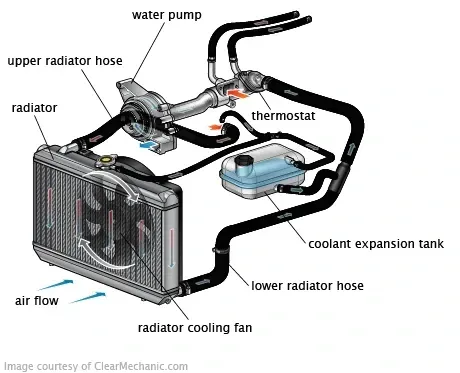
- Inspect condenser and radiator area
- Remove debris or leaves that block airflow. A blocked condenser reduces cooling.
- Check cabin air filter
- Replace a dirty filter. Reduced airflow can feel like the AC is failing.
- Monitor temperature and pressures
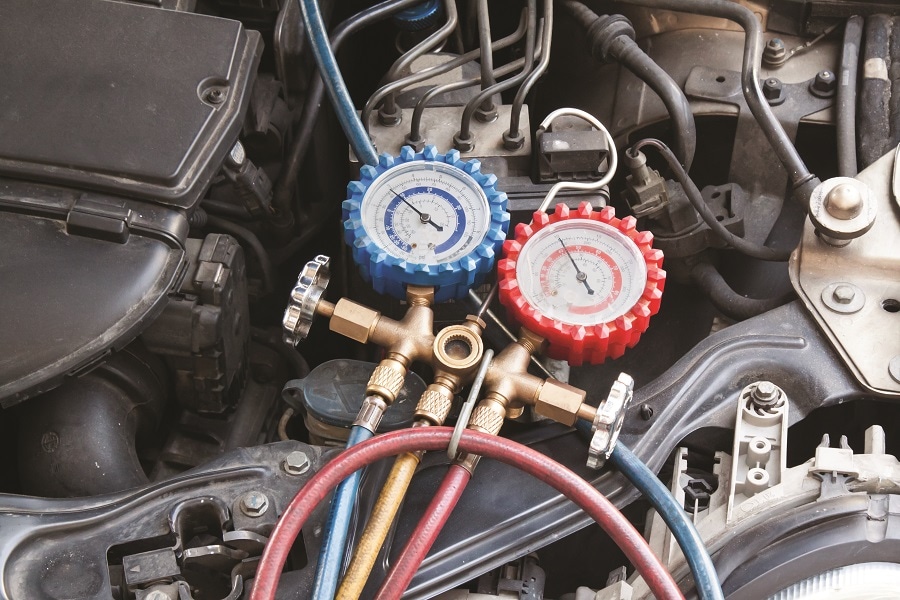
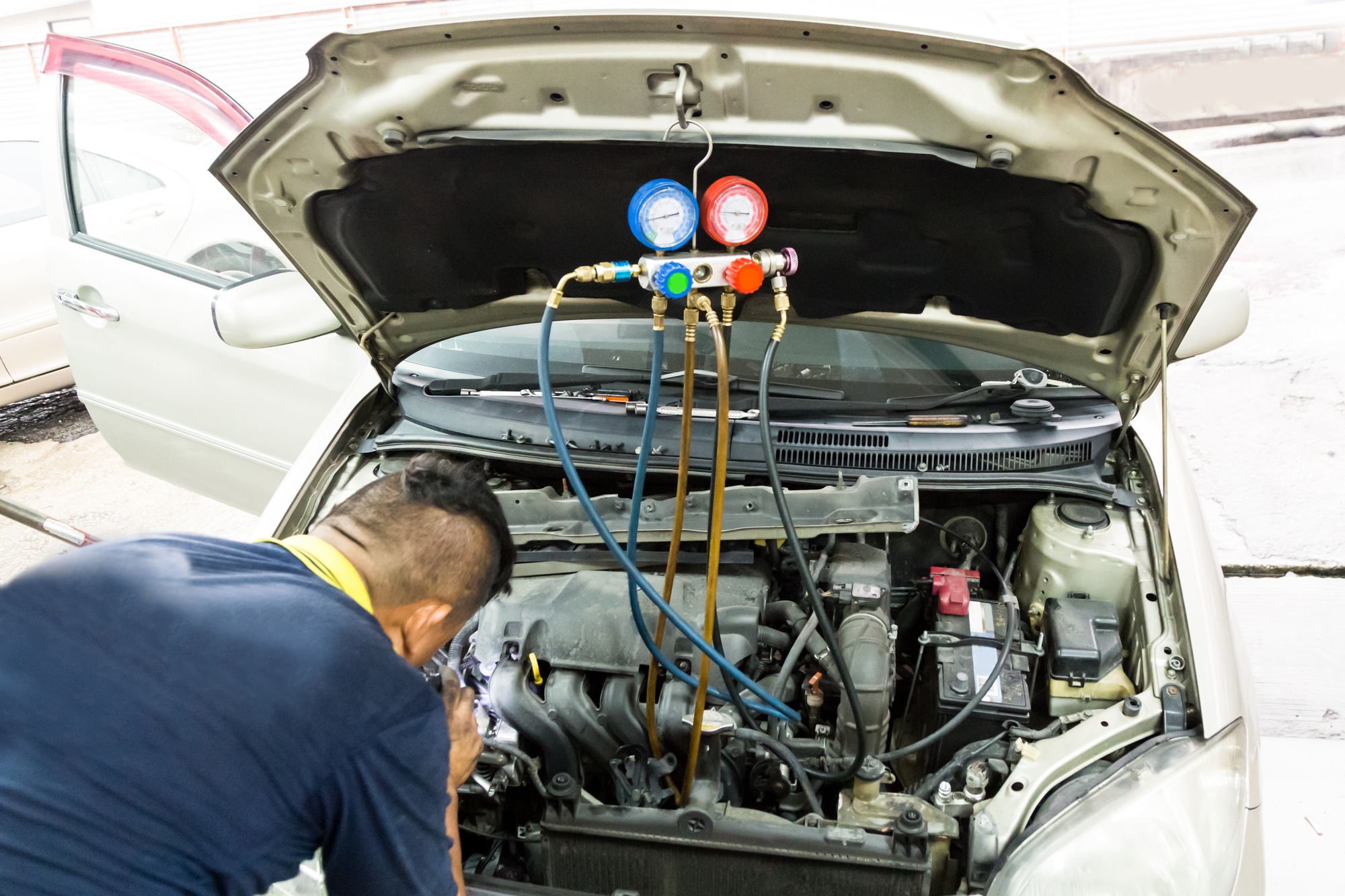
- A gauge set gives accurate refrigerant pressure readings; low pressure suggests a leak, high pressure suggests a blockage.
These checks often reveal why a car ac not working. If you get stuck, stop and consider calling a technician.

DIY fixes you can try safely
- Replace cabin air filter
- This is simple, cheap, and often restores airflow quickly.
- Clear the condenser and radiator
- Use compressed air or a soft brush to remove debris. Do this with the engine off.
- Check and replace fuses or relays
- A blown fuse or bad relay is an easy fix. Your owner’s manual shows the locations.
- Recharge refrigerant (only if legal and you know how)
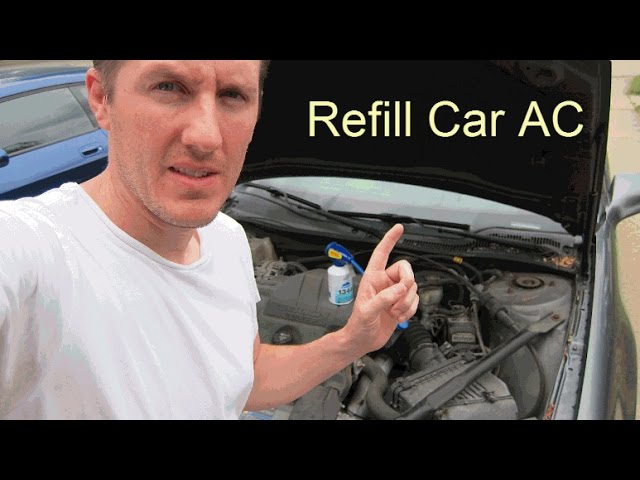
- DIY recharge kits are available. They fix low refrigerant only if no leak exists. Follow safety steps and local regulations.
- Test the compressor clutch wiring
- A basic multimeter test can show if the clutch is getting power.
Do not attempt repairs that involve opening sealed parts or handling refrigerant if you are not trained. Mishandling refrigerant or pressing sealed parts can harm you and the system. If your car ac not working due to a leak or internal failure, a shop with certified technicians is safer.
When to call a professional
- You detect a refrigerant leak
- Certified equipment is required to fix leaks and recharge the system safely.
- Compressor or evaporator failure
- These are complex jobs that need special tools and knowledge.
- Electrical faults you cannot isolate
- Complex wiring or intermittent faults require diagnostic tools and experience.
- After major repairs
- Systems need vacuum, leak testing, and precise charge amounts. A pro will ensure longevity.
From my work as an HVAC tech, I recommend professional help when the root cause is unclear or when repairs exceed basic maintenance. It saves time and prevents repeat problems when your car ac not working.
Cost expectations and timeframes
- Simple fixes
- Cabin filter or fuse replacement: $10–$50 and under an hour.
- Refrigerant recharge
- $80–$250 depending on refrigerant type and labor; 1–2 hours.
- Leak repair
- $150–$600 depending on location and parts; 1–4 hours.
- Compressor replacement
- $400–$1,200 including parts and labor; 3–6 hours.
- Evaporator replacement
- $500–$1,500; can take several hours to a full day.
Prices vary by vehicle, region, and the refrigerant used. If your car ac not working, ask for an itemized quote and warranty on parts and labor. I always ask shops for a written estimate before work starts.
Preventive maintenance to avoid future failures
- Run the AC monthly even in winter
- This circulates oil and keeps seals healthy.
- Replace cabin air filter once a year
- A clean filter keeps airflow steady and reduces strain.
- Keep condenser and radiator clean
- Flush debris and dirt at least once a year.
- Schedule yearly HVAC checks
- Pressure checks and system tests catch small issues early.
Small habits prevent big repairs. I once skipped seasonal checks and paid three times more to replace a compressor. Simple upkeep helps avoid that.
My experience, mistakes, and tips from the field
I’ve repaired over 200 systems. One common mistake I saw is recharging refrigerant without finding leaks. This fixes it briefly, then the problem returns. Another is ignoring airflow issues; a clogged cabin filter often masquerades as a failing compressor. My tip: start simple. Check filters, debris, and fuses first. If you need a recharge, insist on a leak test and a pressure check. These steps saved many customers time and money when their car ac not working.
Frequently Asked Questions of car ac not working
Why is my car AC blowing warm air sometimes?
Intermittent warm air often means low refrigerant, a failing compressor clutch, or a faulty blend door. Start by checking refrigerant level and listening for the compressor engaging.
Can I drive with my car AC not working?
Yes, you can drive, but comfort and visibility (defogging) may suffer. If the issue involves a refrigerant leak or strange noises, get it checked to avoid bigger damage.
How long does an AC recharge last if there is no leak?
A proper recharge with no leak usually lasts several years. If refrigerant levels drop quickly after recharge, you likely have a leak that needs repair.
Is it safe to use a DIY recharge kit?
DIY kits are safe if you follow instructions and local laws. They work only when the system has no leak and the user can handle basic tools correctly.
What are signs of a bad AC compressor?
Signs include loud grinding or squealing, the compressor clutch not engaging, or a sudden loss of cooling. A smoke smell or visible oil near compressor fittings also signals trouble.
Conclusion
Fixing a car ac not working starts with simple checks: filters, airflow, and fuses. If those steps don’t help, listen for compressor activity, check for leaks, and weigh DIY recharge against pro service. Regular maintenance and quick attention to small issues save time and money. Try the basic checks today, and if you need a pro, ask for a leak test and written estimate. Share your experience below or subscribe for more practical car care tips.