A malfunctioning heater often means low coolant, a stuck blend door, or a failed heater core.
I’ve fixed dozens of cars with heater problems, and I’ll walk you through why your car heater not working happens, how the heating system works, and practical steps you can take today. This guide blends hands-on experience, clear troubleshooting steps, and real-world tips so you can diagnose a car heater not working issue with confidence and know when to call a pro.
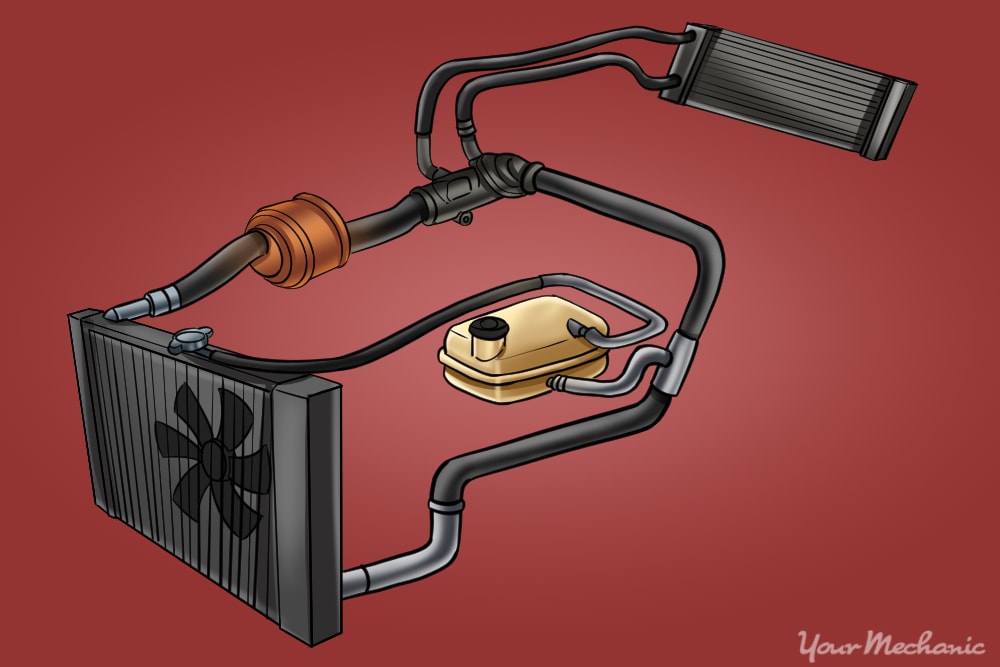
How a car heating system works
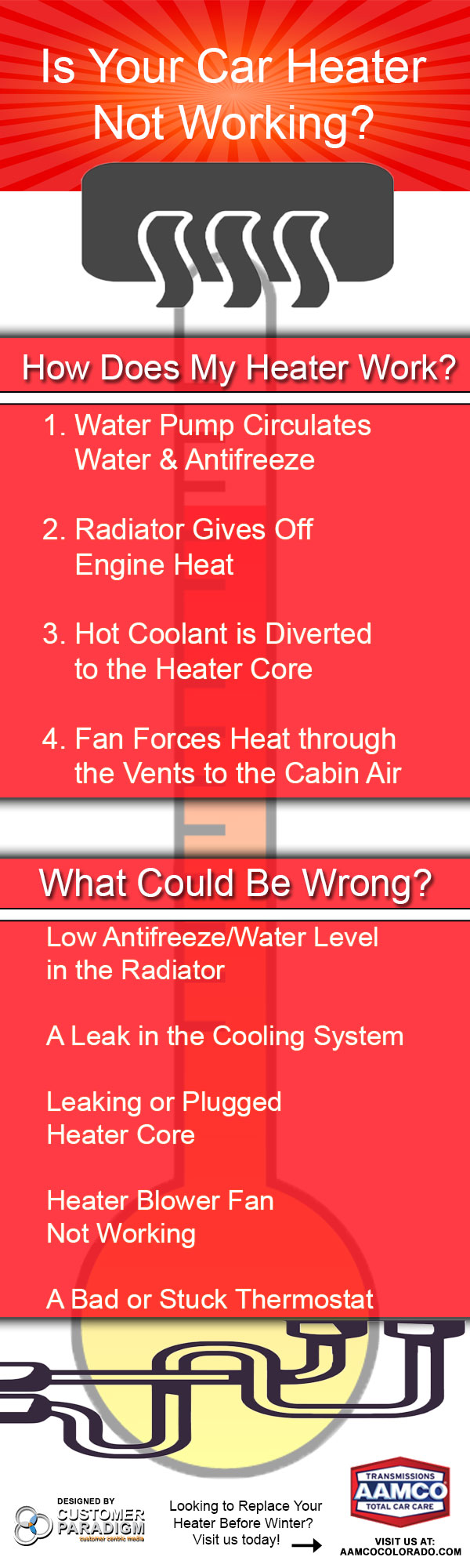
A car heating system uses engine heat, coolant flow, and airflow controls to warm the cabin. Hot coolant from the engine runs through the heater core. The blower fan pushes air over the heater core and into the cabin. Controls and doors inside the dash direct that warm air where you want it.
Common causes of car heater not working
A heater failure can come from simple fixes or more complex issues. Below are the most common causes I see in the shop and on the road.
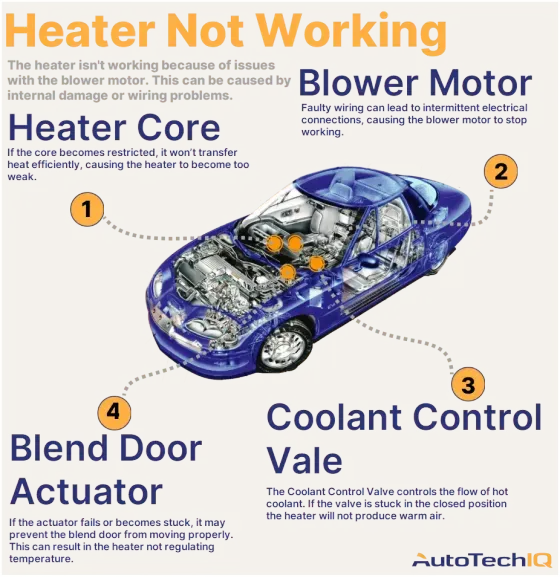
- Low or leaking coolant. Loss of coolant reduces heat available to the heater core and can cause the car heater not working symptom.
- Faulty thermostat. If the thermostat is stuck open, the engine may not reach proper temperature and the heater stays cool.
- Blocked heater core. Deposits or debris can restrict flow and leave the heater core unable to warm air.
- Air trapped in cooling system. Air pockets prevent coolant from circulating through the heater core and cause intermittent warmth.
- Bad blower motor or resistor. Warm coolant is useless if the blower doesn’t move air into the cabin.
- Damaged blend door or actuator. Blend doors route hot or cold air. A broken actuator can make the car heater not working on only one side or fail entirely.
- Clogged cabin air filter. Reduced airflow can make the heater seem weak, especially at low fan speeds.
- Heater core leaks. A leaking heater core can cause bad smells, fogged windows, and loss of heating.
- Electrical or control module issues. Modern cars use electronic HVAC controls that can fail and show no response.
These causes often overlap. For example, low coolant can mask itself as a heater core problem. My experience shows checking coolant level first saves a lot of time.
Step-by-step troubleshooting for car heater not working
Follow these steps in order. They go from simple to more involved. Keep notes of what you find.
-
Check coolant level
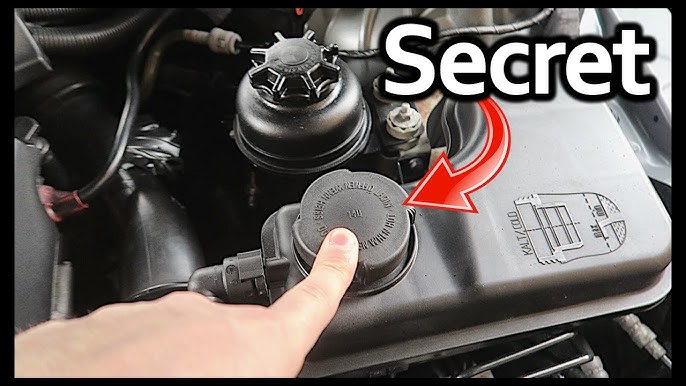
- Wait until the engine is cold. Open the coolant reservoir cap and check level. Low coolant is a common cause of car heater not working.
- Top up with the correct coolant if low and inspect for visible leaks.
-
Run the engine until warm
- Start the car and let it reach normal operating temperature. Feel the heater hoses at the firewall. Both should be hot if coolant flows.
- If hoses remain cool, coolant flow may be blocked or thermostat may be stuck open.
-
Test heater operation and blower
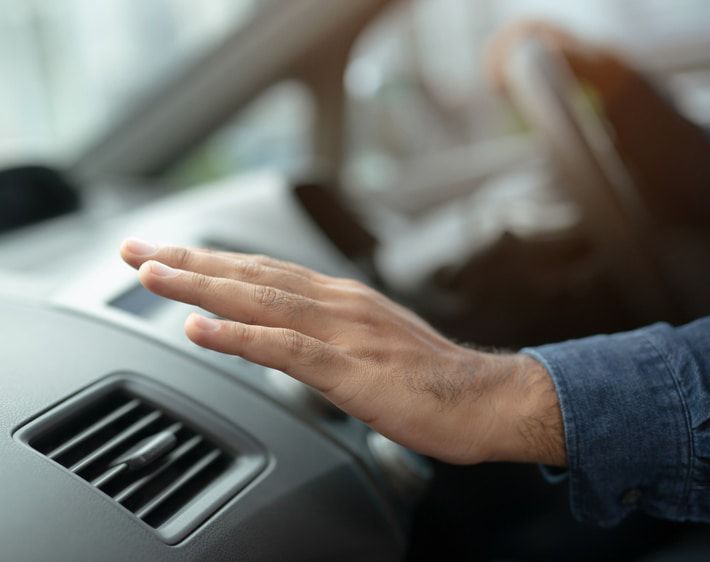
- Turn the fan to high and temperature to hot. If no air blows, the blower motor or resistor could be faulty.
- If air blows but it’s cold, focus on coolant flow and heater core.
-
Look for leaks and smells
- Check under the dash and in the footwells for wet carpet or sweet smells. That indicates a leaking heater core.
- Check for antifreeze puddles under the car.
-
Check the thermostat
- A thermostat stuck open prevents the engine from reaching temperature and causes car heater not working. Replace if it never closes.
- Use a thermometer or infrared gun to confirm engine temperature behavior.
-
Inspect the heater core and flush if needed
- If you suspect blockage, flush the heater core from both ends until clear. Flushing can fix a clogged heater core causing the car heater not working problem.
- If fouling is severe, replacement may be required.
-
Test blend door and actuators
- Change temperature and mode settings while listening for clicking noises behind the dash. A lack of movement or odd sounds suggests a failed actuator.
- Replacing the actuator often restores proper air mix.
-
Check cabin filter and vents
- Replace a dirty cabin air filter. Restricted airflow makes weak heat feel like a failing heater.
- Verify vents open and aren’t obstructed.
-
Scan for HVAC codes
- Use an OBD-II or HVAC scanner on modern cars. Codes can point to blend door motors, sensors, or control modules causing car heater not working.
-
When to stop and call a pro
- If you find coolant in the cabin, severe leaks, or complex electronic faults, schedule professional service. Heater core replacement or HVAC module repairs are often labor intensive.

DIY fixes and parts to check
Many issues are DIY-friendly. I’ll list easy fixes first, then intermediate tasks. Be honest about your comfort level.
-
Easy fixes you can try
- Top off coolant and check for leaks. This fixes many simple car heater not working cases.
- Replace cabin air filter. It takes minutes and improves airflow.
- Test and replace blower motor resistor if fan speeds are limited.
-
Intermediate DIY tasks
- Flush heater core. Use garden hose and gentle pressure to flush out deposits. This can restore heat when the heater core is partially blocked.
- Replace a thermostat. It’s commonly accessible and often resolves cold-running engines and lack of heat.
- Replace blend door actuator. Access can require removing dash panels; be prepared for a few hours of work.
-
Tools and supplies you may need
- Basic socket set and screwdrivers
- Coolant and funnel
- Infrared thermometer or engine thermometer
- Pliers, clamps, and hose tools
- Vacuum pump for coolant bleeding in some models
Safety tips
- Work on a cool engine. Hot coolant can scald.
- Dispose of coolant properly. It is toxic to pets and wildlife.
- If you see antifreeze inside the cabin, avoid driving and get professional help.
From hands-on experience, topping off coolant and flushing the heater core fixed many older cars I worked on. Modern cars sometimes hide HVAC components behind complex dash assemblies, so know your limits.
When to see a mechanic and estimated repair costs
Some repairs are best left to professionals. Here’s when to call and what to expect cost-wise.
When to call a mechanic
- You find coolant in the cabin or on the passenger floor.
- Heater core replacement is needed.
- HVAC control module or complex electronic faults are present.
- You can’t locate the source after basic checks.
Estimated repair costs (rough ranges)
- Coolant top-up and inspection: low cost, usually under $100.
- Thermostat replacement: $150 to $350 depending on vehicle.
- Heater core flush: $50 to $150 if done as a basic service.
- Heater core replacement: $400 to $1,200 or more, depending on labor and model.
- Blend door actuator replacement: $150 to $450 depending on access and parts.
- HVAC module repair or replacement: $300 to $1,000+ for complex systems.
Costs vary widely by make and model. Always get a few quotes if a major job is required. Be transparent with your mechanic about symptoms and any DIY steps you took. That helps narrow down diagnostics.
Preventive maintenance to avoid car heater not working
Routine maintenance prevents many heater failures. These steps keep the cooling and heating systems healthy.
- Check coolant level monthly and top up with the correct type.
- Replace coolant per manufacturer schedule to avoid corrosion and deposits.
- Change cabin air filter every 12,000 to 30,000 miles or as recommended.
- Inspect hoses and clamps for age, cracks, or leaks at least once a year.
- Run the heater and defroster regularly, even in summer, to keep actuators and valves moving.
- Use a quality coolant flush and fill during major services to reduce heater core fouling.
- Address minor leaks quickly to avoid larger heater core or engine damage.
I learned early in my career that skipping coolant service often leads to clogged heater cores. Regular care saves money and keeps your car heater not working situations rare.
Frequently Asked Questions of car heater not working
What should I check first if my car heater not working?
Check coolant level and engine temperature. Low coolant or a thermostat stuck open are the most common and easiest-to-fix causes.
Why does my heater only work when the car is revved?
That often means a weak blower or a partial blockage in the heater core. Revving increases airflow or pressure and temporarily improves heating.
Can a bad thermostat cause the car heater not working?
Yes. A thermostat stuck open prevents the engine from reaching operating temperature, which reduces heat available to the heater core.
Is it safe to drive with a heater core leak?
Driving with a heater core leak is not recommended. It can cause coolant loss, fogged windows, and engine overheating.
How long does it take to replace a heater core?
Time varies by car. Some cars take a few hours, while others require full dashboard removal and can take a day or more.
Will flushing the heater core fix cold air?
A flush can fix a partially blocked heater core. If deposits are heavy or the core is leaking, replacement may be needed.
Why is there a sweet smell and wet carpet when the heater is on?
That usually indicates a leaking heater core. Coolant has a sweet odor and can soak into carpets, mats, or footwells.
Conclusion
A cold cabin on a winter morning is frustrating, but most causes of car heater not working are diagnosable and often fixable. Start with simple checks like coolant level and airflow, then move to thermostats, heater core, and actuators as needed. Regular maintenance prevents many problems and can save you from costly repairs down the road. Try the steps here, and if the issue persists, get a professional diagnosis to protect your cooling system and engine. Share your experience below, subscribe for more hands-on car advice, or book a service with a trusted mechanic to get your heater back to work.