Yes, the right car battery matters because size, power, type, and fit affect starting, safety, and vehicle electronics.
Does it matter what battery I put in my car? Absolutely. A battery may look like a simple box, but it must match your car’s electrical needs, battery tray, terminals, and charging system. The wrong choice can cause slow starts, warning lights, short battery life, or damage to sensitive electronics.
This guide explains how to choose the right car battery, what the numbers mean, when you need AGM technology, and which mistakes to avoid. It also covers battery testing, replacement tips, and real-world examples so you can buy with confidence.

Why the Correct Car Battery Matters
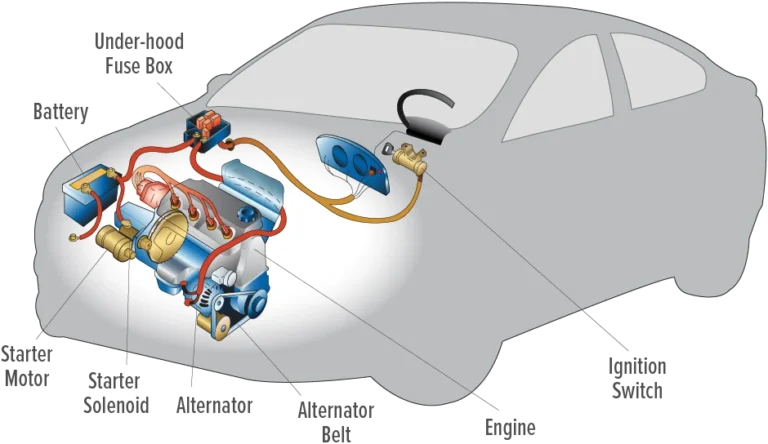
A car battery does more than start the engine. It also powers lights, locks, computers, alarms, entertainment systems, and safety features when the engine is off. Once the engine starts, the alternator recharges the battery and helps run the vehicle’s electrical systems.
So, does it matter what battery I put in my car? It matters because every vehicle has specific electrical and physical needs. A battery can fit in the tray but still be too weak, too large, or incompatible with the charging system.
The main reasons battery choice matters include:
• Reliable engine starts in hot and cold weather
• Correct fit in the battery tray
• Proper terminal position and cable reach
• Enough reserve power for electrical accessories
• Compatibility with the vehicle’s charging system
• Longer service life
• Protection for electronic systems
Think of a battery as the heart of the starting system. A weak heart may work for a while, but it will struggle when the car faces stress. Cold weather, short trips, and heavy electrical use can quickly expose a poor battery choice.

Car Battery Specifications You Need to Match
The battery label contains several important ratings. Matching these numbers helps ensure that the battery can start your engine and work safely with your vehicle.
Group size
Battery group size describes the battery’s physical dimensions, terminal layout, and case design. Common examples include Group 24, 35, 48, 49, and 51R.
The group size must match your car. A battery with the wrong size may not sit securely. It may also place the terminals in the wrong location, causing the cables to stretch or touch metal parts.
Your owner’s manual, the label on the old battery, and a trusted parts catalog can help you find the correct group size. Do not rely on appearance alone.
Cold cranking amps
Cold cranking amps, or CCA, measure how much current a battery can provide at low temperature. The test is usually based on the battery’s ability to supply power for 30 seconds at 0°F while maintaining a safe voltage.
A higher CCA rating is not always harmful, but it should be reasonable for your vehicle. A battery with too few CCA may struggle to start the engine, especially in winter.
Large engines often need more starting power than small engines. Diesel engines may need especially high CCA because they require more power during startup.
Reserve capacity
Reserve capacity shows how long a fully charged battery can provide power if the alternator stops working. This rating can be useful if your vehicle has many electrical accessories.
For example, if an alternator belt breaks during a trip, a battery with more reserve capacity may keep essential systems operating longer. It will not fix the charging problem, but it can provide a larger safety cushion.
Amp-hour rating
Some batteries list amp-hour capacity. This measures how much electrical energy the battery can provide over time. It is more common in deep-cycle applications, but it can still help explain a battery’s overall capacity.
Starting batteries are built to deliver a strong burst of power. They are not designed for repeated deep discharge. Using the wrong battery type can shorten battery life.
Terminal position
Some batteries have positive terminals on the left, while others place them on the right. This detail is often shown by a letter in the group-size code, such as “R.”
If the terminal position is wrong, the cables may not reach. Worse, the positive cable could sit close to the vehicle body and create a short circuit.

Does It Matter If I Choose a Standard or AGM Battery?
Yes, battery type matters. Most modern cars use either a conventional flooded lead-acid battery or an absorbed glass mat, known as AGM, battery.
A standard flooded battery contains liquid electrolyte. It is often less expensive and works well in many older or simpler vehicles.
An AGM battery holds the electrolyte in glass mat separators. It offers better resistance to vibration, supports frequent start-stop use, and can handle high electrical demand more effectively.
Your vehicle may require AGM technology if it has:
• Automatic engine stop-start
• Heated seats and heated steering wheels
• Advanced driver assistance systems
• High-powered audio equipment
• Many electronic control modules
• Regenerative braking
• A battery installed inside the passenger compartment or trunk
If the vehicle originally came with AGM, replacing it with a standard flooded battery may cause poor performance and early failure. Some cars also require battery registration after replacement. This process tells the vehicle’s computer that a new battery has been installed.
For a basic older vehicle, a standard battery may be correct. For a newer vehicle with start-stop technology, AGM is often essential. Always follow the vehicle manufacturer’s instructions.
Can a Bigger Battery Damage Your Car?
A slightly higher CCA rating usually does not damage a car if the battery has the correct group size, voltage, and technology. The vehicle draws the power it needs. It does not force all available CCA into the starter.
However, “bigger” can mean more than higher CCA. A physically larger battery may not fit. It may also have the wrong terminal position or an unsuitable charging profile.
A battery with a much higher capacity can also be a poor match in some vehicles. The alternator may need more time to recharge it, especially if you mainly drive short trips. This does not always create immediate damage, but it can leave the battery undercharged.
The safest approach is to stay within the manufacturer’s recommended range. More power is useful only when the car can support it.
What happens if the battery is too small?
A battery that is too small may cause:
• Slow engine cranking
• Frequent no-start situations
• Voltage drops
• Flickering lights
• Random dashboard warnings
• Reduced battery life
• Extra strain on the starter
Electronic systems can behave strangely when voltage drops too low. A car may display several warning lights even when the real problem is simply a weak battery.

What Happens If You Install the Wrong Battery?
Installing the wrong car battery can create mild problems or serious ones. The result depends on the type of mismatch.
A battery with the wrong voltage is dangerous. Most passenger vehicles use a 12-volt system, but some commercial, hybrid, and specialty vehicles use different systems. Never install a battery based only on its physical size.
The wrong battery can lead to:
• Failure to start
• Poor charging
• Battery swelling or leakage
• Damaged battery cables
• Electrical system faults
• Reduced alternator life
• Loss of memory settings
• Problems with start-stop operation
• Safety risks from loose mounting
A loose battery can move while you drive. That movement may damage the case, terminals, or cables. In a crash, an unsecured battery can become a serious hazard.
Some vehicles also use a battery sensor on the negative terminal. This sensor monitors current flow and battery condition. If the replacement battery has the wrong type or is not registered correctly, the charging system may not manage it properly.
My practical lesson about battery fit
One mistake I have seen more than once is choosing a battery because it fits the tray “well enough.” The owner then discovers that the positive cable barely reaches or that the hold-down bracket cannot lock in place.
The lesson is simple: fit is not just about length and width. Check the group size, terminal layout, hold-down system, battery type, and manufacturer specifications before buying.

How to Choose the Right Battery for Your Car
Choosing a battery does not have to be difficult. Follow these steps before visiting a store or ordering online.
1. Check the owner’s manual
The manual usually lists the required group size, CCA range, battery type, and replacement instructions. This is more reliable than guessing from a website photo.
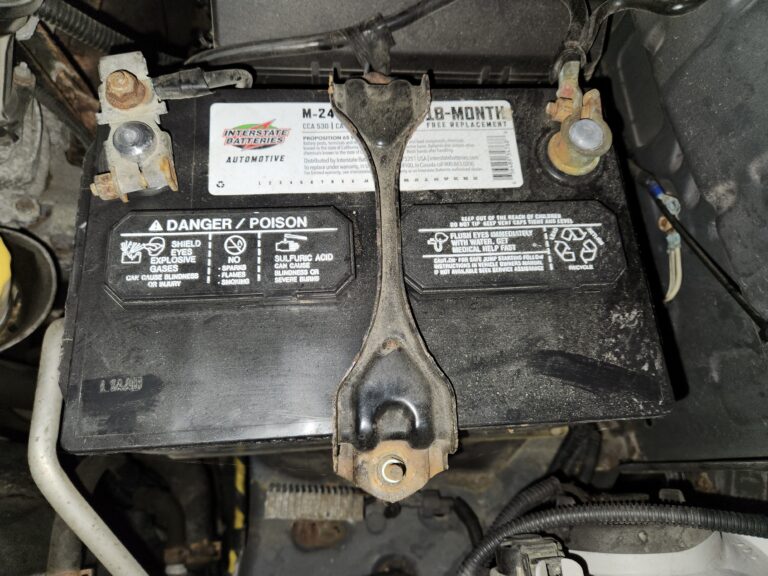
2. Read the old battery label
Look for:
• Group size
• CCA
• Reserve capacity
• AGM or flooded design
• Manufacturer date
• Terminal layout
The old battery provides useful clues, but it may not be the original or correct battery. Confirm its specifications with the manual or a trusted fitment guide.
3. Match the battery technology
If the car requires AGM, use AGM. If it uses a standard flooded battery, a high-quality flooded replacement may be suitable.
Do not switch between battery types without checking the manufacturer’s instructions. Some charging systems need to be programmed for the new technology.
4. Compare warranty and build quality
A long warranty does not guarantee perfect quality, but it can provide useful protection. Compare the free replacement period, prorated coverage, return rules, and date of manufacture.
A fresh battery is usually a better choice than one that has been sitting on a shelf for a long time. Ask the seller how the battery was stored and charged.
5. Inspect the installation space
Before installation, check the battery tray, hold-down bracket, cable condition, and terminal ends. Corrosion or damaged cables can make a new battery seem faulty.
How Much Should You Pay for a Car Battery?
Car battery prices vary based on size, technology, brand, warranty, and local labor costs. Standard flooded batteries are usually less expensive than AGM batteries.
Price should not be your only factor. The cheapest battery may have a shorter warranty, lower reserve capacity, or poor shelf freshness. The most expensive battery may also be unnecessary for a basic vehicle.
A sensible buying decision balances:
• Correct specifications
• Recent manufacturing date
• Strong warranty
• Good retailer support
• Suitable battery technology
• Professional installation when needed
Some stores include free battery testing or installation. However, vehicles with battery sensors, tight engine compartments, or battery registration needs may require a qualified technician.
Is an expensive battery always better?
No. A premium battery is worthwhile only when its features match your vehicle and driving habits. Paying extra for AGM technology makes sense when your vehicle requires it, but it may not provide a useful benefit in a simple older car.

Battery Installation and Safety Tips
Car batteries contain acid and can produce explosive hydrogen gas. Use care during installation.
Before replacing the battery:
• Turn off the engine and all electrical accessories
• Wear eye protection and gloves
• Keep sparks and cigarettes away
• Take a photo of the cable layout
• Confirm the positive and negative terminals
• Check that the hold-down bracket is secure
For many vehicles, disconnect the negative cable first and reconnect it last. This reduces the chance of creating a short circuit with a tool.
Do not place metal tools across the battery terminals. A short can create sparks, heat, and burns.
After installation, check the following:
-
The battery sits flat and secure.
-
The terminals are clean and tight.
-
The cables are not stretched or rubbing.
-
The vehicle starts normally.
-
No warning lights remain on.
-
The charging voltage is within the manufacturer’s range.
Some cars lose radio codes, window settings, or other memory functions when the battery is disconnected. Newer vehicles may need a memory-saving tool or a battery registration procedure.
How to Tell If Your Battery Is Failing
Even the correct battery eventually wears out. Most car batteries last about three to five years, but climate, driving habits, and maintenance can change that range.
Hot weather can speed up battery wear. Cold weather does not usually cause the original damage, but it makes a weak battery easier to notice because the engine needs more power to crank.
Common signs of a failing battery include:
• Slow cranking
• Clicking when you turn the key
• Dim headlights
• Electrical accessories that reset
• Battery warning light
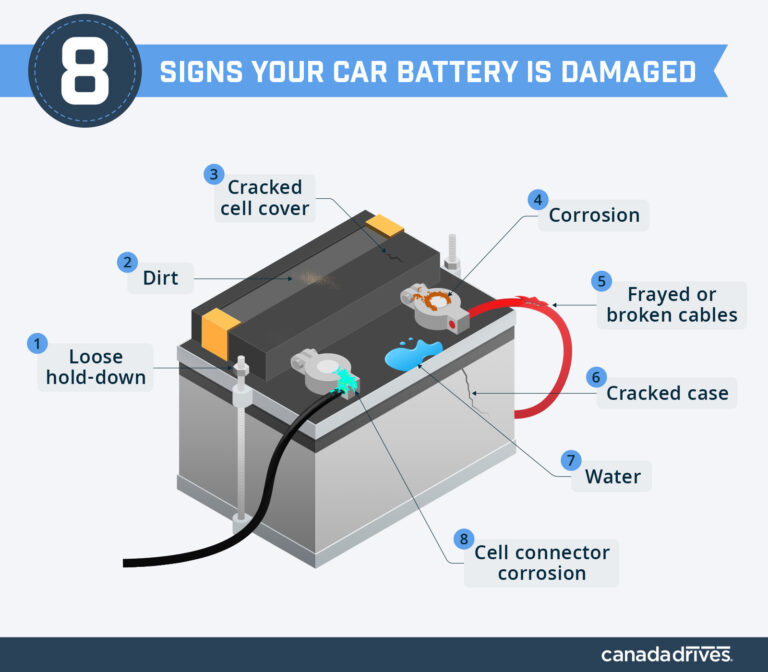
• Corrosion around the terminals
• Swollen battery case
• Repeated need for jump-starts
A battery test can show its state of charge and starting ability. A voltage check alone is not enough. A battery may show about 12.6 volts when fully charged and still fail under load.
If the battery tests well but keeps going dead, inspect the alternator and check for a parasitic drain. A faulty light, aftermarket alarm, charger, or control module may consume power while the car is parked.
Frequently Asked Questions About Does It Matter What Battery I Put in My Car
Does it matter what battery I put in my car?
Yes. The battery must match the car’s group size, voltage, terminal layout, CCA needs, and battery technology. Using the wrong battery can cause starting problems, charging faults, and electronic issues.
Can I use a battery with higher CCA?
Usually, a moderately higher CCA rating is safe if the battery has the correct size, voltage, terminal position, and technology. Do not assume that a physically larger battery is compatible just because it has more power.
Can I replace an AGM battery with a regular battery?
Usually, you should not replace an AGM battery with a standard flooded battery unless the vehicle manufacturer allows it. Vehicles with start-stop systems and advanced electrical loads often need AGM performance and correct battery programming.
How do I know which battery fits my car?
Check the owner’s manual, the existing battery label, and a trusted vehicle fitment guide. Confirm the group size, CCA, terminal position, physical dimensions, and battery type before buying.
How long does a car battery last?
Many car batteries last about three to five years. Extreme heat, freezing weather, short trips, vibration, poor charging, and repeated deep discharges can shorten that period.
Does a new car battery need to be programmed?
Some newer vehicles require battery registration after replacement. This allows the charging system to adjust its operation and may be necessary when the car uses a battery monitoring sensor.
Can the wrong battery damage the alternator?
A mismatched or poorly installed battery can contribute to charging problems, especially if the battery type does not match the vehicle’s charging system. However, alternator failure can also result from age, wiring faults, or excessive electrical load.
Conclusion
So, does it matter what battery I put in my car? Yes. The right battery must match the vehicle’s size, power needs, terminal layout, battery type, and charging system.
Do not choose based only on price or a battery that seems to fit. Check the owner’s manual, compare the specifications, inspect the installation, and confirm whether the car needs AGM technology or battery registration.
A few minutes of research can prevent a no-start morning and protect your vehicle’s electrical system. Use these steps before your next purchase, and share your battery questions or experience in the comments.