
For most car owners in the United States, the best pH-neutral car shampoo is one that has a clear pH-balanced claim, strong lubrication, low residue, and directions that match your wash method. Meguiar’s Gold Class Car Wash, Adam’s Car Shampoo, and Griot’s Garage Brilliant Finish Car Wash are widely available examples to compare, but no single soap is best for every vehicle.
A pH-neutral shampoo is usually a mild cleaner designed to remove road film without aggressively affecting wax, sealants, paint, glass, rubber, or trim. The best choice depends on whether you wash a daily driver, a ceramic-coated vehicle, a classic car, or a heavily soiled truck.
This guide explains what pH neutral means, which features matter most, how to choose a product, and how to wash safely.

Quick answer: Which pH-neutral car shampoo is best?
The best all-around choice is a pH-balanced car shampoo with high lubricity, low residue, and clear dilution instructions. For many U.S. drivers, Meguiar’s Gold Class is a practical starting point because it is easy to find and made for routine hand washing.
Consider these options by use case:
| Best for | Product example | Why it may fit | Main limitation |
|---|---|---|---|
| General weekly washing | Meguiar’s Gold Class Car Wash | Easy to find and made for regular washing | Not a strong cleaner for heavy buildup |
| High-lubricity hand washing | Adam’s Car Shampoo | Designed for slick foam and hand washing | May cost more than basic retail soaps |
| Gloss-focused maintenance washing | Griot’s Garage Brilliant Finish Car Wash | Good fit for enthusiasts who want a clean finish with low residue | Availability may vary by store |
| Foam cannon use | A dedicated pH-neutral snow foam | Made for pre-wash coverage | Foam alone does not remove all bonded dirt |
| Ceramic-coated vehicles | The coating maker’s approved pH-neutral shampoo | Keeps the wash within the coating maker’s guidance | May not remove road tar or mineral spots |
Product formulas and labels can change. Check the current bottle or manufacturer instructions before buying. A “pH-neutral” label is useful, but it does not prove that a shampoo is the safest or most effective product for every surface.

What does pH-neutral car shampoo mean?
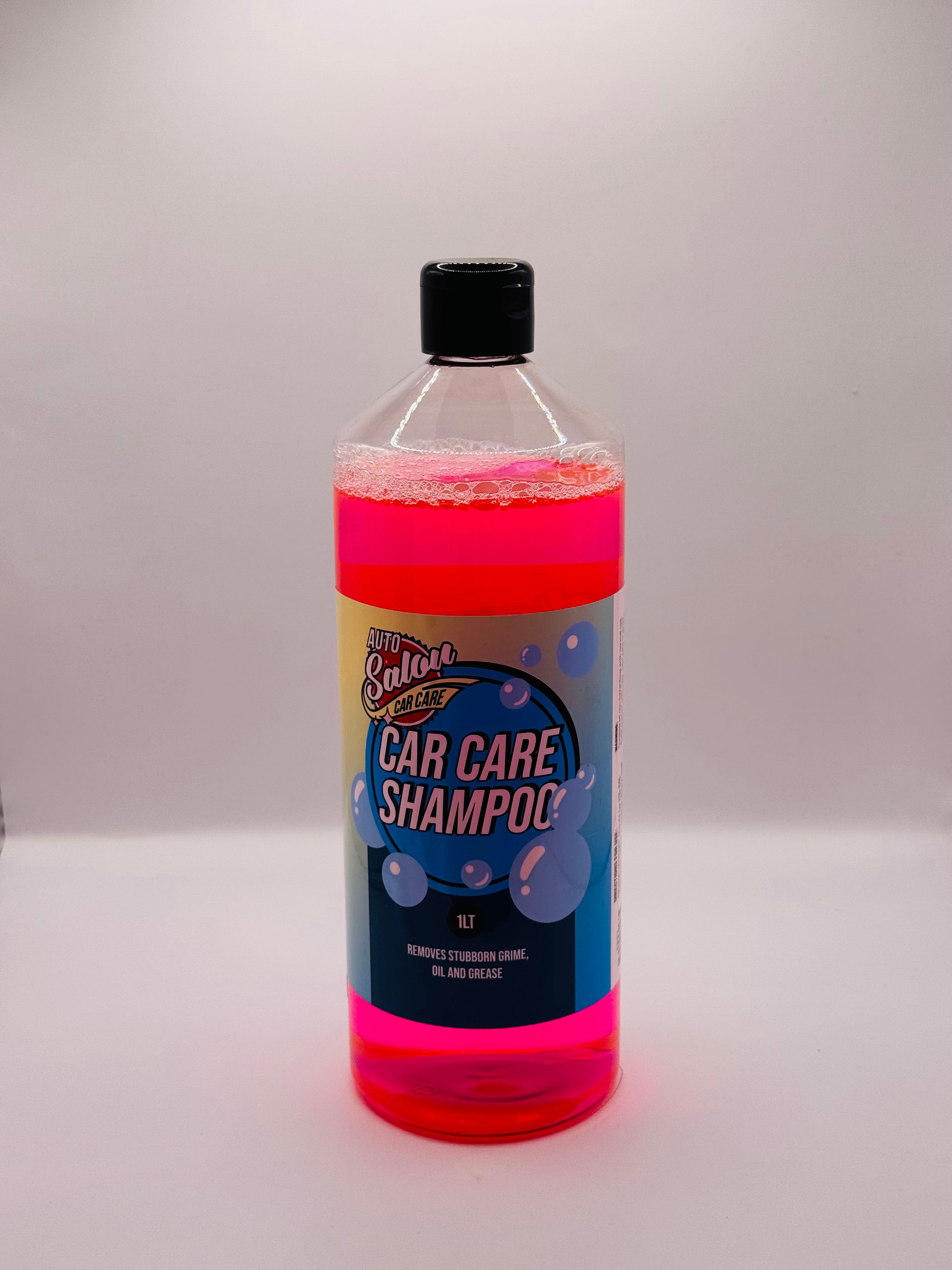
A pH-neutral car shampoo is a wash soap designed to be close to pH 7 when mixed as directed. The pH scale measures how acidic or alkaline a water-based solution is. A lower number is more acidic, while a higher number is more alkaline.
For car washing, the practical categories are:
- Acidic cleaners: Often used for mineral deposits, water spots, or specialized cleaning.
- Neutral or pH-balanced shampoos: Made for regular maintenance washing.
- Alkaline cleaners: Often used to break down grease, traffic film, wax, or heavy dirt.
The term “pH neutral” can be used loosely in product marketing. Some products described as pH balanced may be mildly acidic or mildly alkaline after dilution. That does not automatically make them unsafe. The product’s surfactants, lubricants, concentration, and use instructions also affect its behavior.
A neutral shampoo is not the same as plain water. It still contains surfactants that help lift and suspend dirt. This reduces the chance that grit will be dragged across the paint during washing.
Why pH matters when washing a car
A pH-neutral shampoo can reduce chemical stress on vehicle surfaces during routine washing. This is especially useful when a car has a wax, paint sealant, or ceramic coating that you want to maintain.
However, pH is only one part of the formula. A shampoo can be pH balanced and still perform poorly if it has weak lubrication, leaves heavy residue, or is used at the wrong concentration.
A safe wash depends on several factors:
- Chemical strength: How acidic or alkaline the solution is.
- Lubrication: How well the soap helps a wash mitt glide.
- Dirt suspension: How well the product keeps grit away from the paint.
- Dilution: How much product is mixed with water.
- Contact time: How long the product remains on the surface.
- Rinsing: Whether soap and loosened dirt are fully removed.
- Wash tool condition: Whether the mitt or towel contains trapped grit.
This is why a careful wash with an ordinary pH-balanced shampoo can be safer than a careless wash with an expensive premium soap.

What makes a pH-neutral car shampoo the best?
The best pH-neutral car shampoo should do more than claim a neutral pH. Look for these features before you buy.
High lubrication
Lubrication helps the wash mitt move over the paint with less drag. It does not make scratches impossible, but it can lower the chance of abrasive contact when used with good technique.
A slick feel is useful, but it is not a scientific measure of protection. Product feel can vary with water hardness, dilution, mitt material, and temperature.
Good dirt suspension
A useful shampoo should help loosened dirt stay in the wash solution instead of settling back onto the vehicle. This matters most on lower panels, wheels, and areas exposed to road salt.
Low residue
A shampoo should rinse clean without leaving a greasy film, cloudy glass, or heavy streaks. Residue can be more noticeable on dark paint and black trim.
Clear dilution instructions
The label should explain how much product to use per gallon, bucket, or foam cannon. More soap does not always mean a better wash. Too much product can make rinsing harder and may leave residue.
Compatibility with protection products
If your car has wax, a synthetic sealant, or a ceramic coating, choose a maintenance shampoo that does not contain aggressive solvents or strong cleaning agents unless the maker recommends them.
Suitable foam behavior
Foam can help spread the solution and show where you have washed. But thick foam is not proof of stronger cleaning or better protection. A low-foam shampoo can still lubricate well and clean effectively.

Best pH-neutral car shampoos by vehicle and wash type
There is no independent test that makes one shampoo the universal winner for every driver. The better approach is to match the product to the job.
Best for most daily drivers: Meguiar’s Gold Class Car Wash
Meguiar’s Gold Class is a common U.S. retail option for routine hand washing. It is intended for normal vehicle cleaning and is generally marketed as gentle enough for regular use.
It may suit you if:
- You wash once every week or two.
- Your car has light to moderate road film.
- You want a product that is easy to replace.
- You wash with a bucket and mitt.
It may not be enough for:
- Thick mud.
- Road tar.
- Tree sap.
- Heavy brake dust.
- Mineral water spots.
Those problems usually need a separate product or process. Increasing the shampoo concentration is not always the right answer.
Best for enthusiasts: Adam’s Car Shampoo
Adam’s Car Shampoo is a popular option among detail-focused vehicle owners. It is positioned as a lubricating shampoo for hand washing and foam-based cleaning.
It may suit you if:
- You wash with a high-quality microfiber mitt.
- You want a slick shampoo for careful contact washing.
- You already use other detailing products from the same brand.
- You want a product intended for maintenance cleaning.
As with any shampoo, it will not replace a dedicated iron remover, tar remover, or water-spot treatment. Use those products only when the contamination requires them.
Best for a clean, low-residue finish: Griot’s Garage Brilliant Finish Car Wash
Griot’s Garage is well known in the U.S. car-care market. Its Brilliant Finish Car Wash is designed for regular washing and is often chosen by owners who want a clean finish without a heavy soap film.
It may suit you if:
- You maintain a garage-kept or enthusiast vehicle.
- You prefer a detailing-focused brand.
- You want a shampoo for regular paint maintenance.
- You value a clean rinse and finish.
Availability and current formula details can change. Review the present label and technical information before relying on a specific pH claim.
Best for ceramic-coated cars: the coating maker’s approved shampoo
For a ceramic-coated vehicle, the safest choice is often the shampoo listed in the coating manufacturer’s care guide. Many coating systems recommend a pH-neutral or pH-balanced wash soap with no abrasive polish.
This approach matters because coating makers may specify:
- Approved shampoo types.
- Recommended wash frequency.
- Water-spot prevention.
- Drying methods.
- Products to avoid.
- Whether toppers or boosters are allowed.
A regular pH-neutral shampoo may be compatible with a coating, but the coating maker’s instructions take priority.
How to choose the right pH-neutral car shampoo
Use this short decision process before buying.
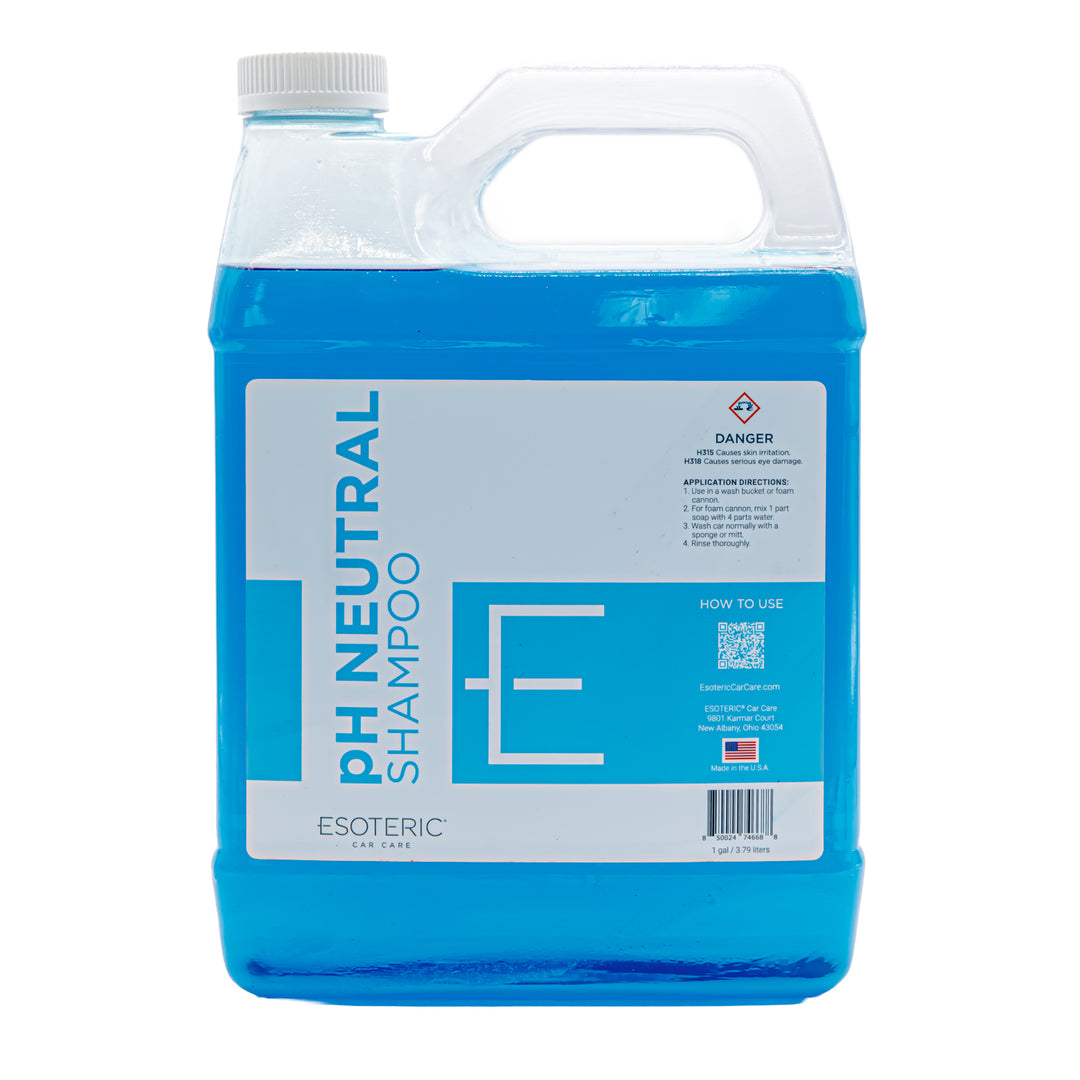
Choose a maintenance shampoo for normal dirt
A pH-neutral shampoo is usually the right choice when the vehicle has dust, light road film, pollen, and ordinary grime. It is not designed to solve every contamination problem.
For a weekly wash, prioritize lubrication, easy rinsing, and clear dilution directions.
Choose a stronger pre-wash for heavy contamination
If the car has mud, winter salt, or thick traffic film, use a suitable pre-rinse or pre-wash product before touching the paint. This can remove some loose dirt before the mitt reaches the surface.
Do not let a strong cleaner dry on the vehicle. Work in the shade when possible and rinse each section before the solution dries.
Check the finish on your car
Different surfaces may need different products:
- Clear-coated paint: Use a standard pH-balanced shampoo.
- Matte paint: Avoid gloss-enhancing products unless the vehicle maker allows them.
- Vinyl wrap: Follow the wrap manufacturer’s care instructions.
- Ceramic coating: Use the coating maker’s approved maintenance products.
- Convertible fabric tops: Use a fabric-specific cleaner, not ordinary car shampoo.
- Wheels: Use a wheel cleaner suited to the wheel finish and contamination.
Consider your water
Hard water can leave mineral deposits even when the shampoo is excellent. If your car develops spots quickly, dry it sooner, use filtered or softened rinse water, or consider a suitable drying aid.
A pH-neutral soap cannot prevent every water spot. Minerals left behind after evaporation are a water-quality problem, not simply a shampoo problem.

How to wash a car with pH-neutral shampoo
A good shampoo works best with a safe wash method.
What you need
Prepare:
- pH-neutral car shampoo.
- Two clean buckets, if possible.
- A grit guard for the rinse bucket.
- A soft microfiber wash mitt.
- A separate wheel brush or mitt.
- A strong hose nozzle or pressure washer.
- Several clean drying towels.
- A shaded work area.
Keep wheel tools separate from paint-washing tools. Brake dust and road grit can cause scratches.
Step-by-step method
- Park in the shade. Avoid washing hot panels or working in direct sun.
- Rinse the vehicle first. Remove loose sand, dust, and mud before using the mitt.
- Clean the wheels separately. Rinse them before washing the paint.
- Mix the shampoo as directed. Do not guess the concentration.
- Wash from the top down. Start with the roof and upper glass, then move toward the lower panels.
- Use light pressure. Let the shampoo and mitt do the work.
- Rinse the mitt often. Use the rinse bucket after each small section.
- Rinse the car fully. Do not allow soap to dry on the paint.
- Dry without dragging dirt. Use a clean microfiber drying towel and gentle pressure.
- Inspect the finish. Look for missed dirt, streaks, water spots, or remaining contamination.
The lower doors, rocker panels, and rear bumper often hold the most grit. Clean them last, and use a fresh mitt if the first one becomes dirty.

Two-bucket wash versus foam cannon washing
A two-bucket wash gives you more control during contact cleaning. One bucket holds the shampoo solution, while the second holds rinse water for the mitt.
A foam cannon can add a useful pre-wash step. It covers the vehicle with diluted cleaning solution and may loosen some dirt before contact. But foam does not guarantee that the paint is clean. You still need to rinse and, when safe, wash by hand.
The safest sequence for a dirty vehicle is often:
- Rinse.
- Apply a suitable pre-wash or foam.
- Allow the product to work for the stated time.
- Rinse thoroughly.
- Use a clean shampoo solution for contact washing.
- Rinse and dry.
Never allow a chemical product to dry on the surface unless the label specifically permits it. Avoid using a pressure washer close to damaged paint, loose trim, sensors, or weather seals.

Common mistakes when using pH-neutral car shampoo
Many wash problems come from technique rather than the soap itself.
Using dish soap
Dish soap is made for food grease and household surfaces, not vehicle paint maintenance. It may remove protective products faster than a mild car shampoo and may leave a finish that feels dry.
A one-time emergency wash is unlikely to destroy modern automotive paint, but dish soap is not a good routine choice.
Using too much shampoo
Extra soap does not automatically provide extra lubrication or cleaning. Follow the label. An overly concentrated mix may rinse poorly and leave film.
Washing in direct sun
Hot panels can dry shampoo before you rinse it. This may create streaks or spots. Work in the shade and wash one section at a time when conditions are hot.
Using one mitt for everything
Wheels collect metal particles, brake dust, sand, and road debris. Do not use the same mitt on wheels and painted panels.
Reusing dirty towels
A towel that has touched the ground should not return to the paint. Wash microfiber separately from greasy household laundry, and avoid fabric softener because it can reduce absorbency.
Scrubbing stuck dirt
If a spot does not release with gentle washing, stop scrubbing. The contamination may be tar, sap, iron particles, overspray, or mineral scale. Use a product made for that problem and follow its safety directions.
Is pH-neutral shampoo safe for ceramic coatings and wax?
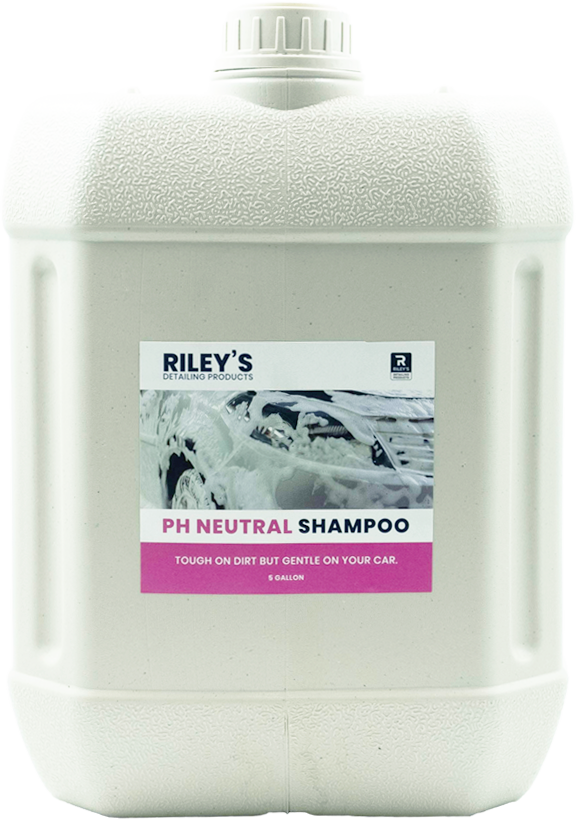
A pH-neutral shampoo is generally a sensible maintenance choice for waxed, sealed, or ceramic-coated vehicles, but compatibility depends on the specific product and coating system.
A shampoo can be pH balanced and still contain additives that change the surface feel or appearance. Some products add gloss enhancers, polymers, or wax-like ingredients. These may not damage a coating, but they can change how water beads or how the surface feels.
For a protected vehicle:
- Follow the coating or sealant maker’s wash instructions.
- Avoid abrasive cleaners for routine washing.
- Do not use a strong degreaser unless the contamination needs it.
- Rinse the vehicle well.
- Dry promptly to reduce mineral spotting.
- Avoid automatic brushes that may create swirl marks.
If the coating maker lists a specific shampoo, use that guidance over a general product claim.

How often should you use pH-neutral car shampoo?
Wash frequency depends on weather, parking, road conditions, and vehicle use. A weekly or every-other-week wash works for many normally driven cars, but there is no universal schedule.
Wash sooner when the car has:
- Road salt.
- Bird droppings.
- Insect remains.
- Tree sap.
- Mud.
- Heavy pollen.
- Fresh industrial fallout.
Bird droppings and insect residue should not remain on paint for long. Soak the area first and lift it gently. Do not rub dry contamination across the panel.
Regular washing helps prevent contamination from bonding tightly to the finish. It does not replace paint decontamination, polishing, or paint protection when those services are needed.
Frequently asked questions
Is pH-neutral car shampoo better than regular car soap?
Not always. “Regular car soap” is a broad term. A well-made pH-balanced shampoo is often a good choice for routine maintenance, but cleaning power, lubrication, residue, and technique matter too.
Does pH-neutral shampoo remove wax?
A mild pH-neutral shampoo is usually intended to preserve wax better than a strong alkaline cleaner. Still, repeated washing, weather, chemical exposure, and normal wear will gradually reduce wax protection.
Can I use pH-neutral shampoo in a pressure washer foam cannon?
Only if the product label supports foam-cannon or foam-lance use. The correct mixture depends on the cannon, injector, water pressure, and product concentration.
Does more foam mean better cleaning?
No. Foam helps with coverage and can loosen some dirt, but foam volume is not a reliable measure of cleaning strength or paint safety.
Can pH-neutral shampoo remove water spots?
Usually not fully. Fresh mineral residue may respond to a suitable water-spot remover, while etched spots may need polishing. Test any chemical in a small area first.
Is pH 7 required for safe car washing?
No. A small pH difference does not determine safety by itself. Formula strength, exposure time, dilution, lubrication, contamination, and washing technique also matter.

Final recommendation
For most U.S. drivers, choose a reputable pH-balanced car shampoo with clear dilution instructions and good lubrication. Meguiar’s Gold Class is a practical all-around starting point, while Adam’s Car Shampoo and Griot’s Garage Brilliant Finish Car Wash are reasonable alternatives for enthusiasts who want detailing-focused options.
The best result comes from the full process: rinse first, use clean tools, wash from top to bottom, keep wheel tools separate, rinse before the soap dries, and dry the vehicle with clean microfiber towels. If the car has a ceramic coating, matte finish, wrap, or unusual surface, follow that manufacturer’s care guide first.
Before your next wash, check the shampoo label, gather two buckets and separate wheel tools, and test your method on one small section.