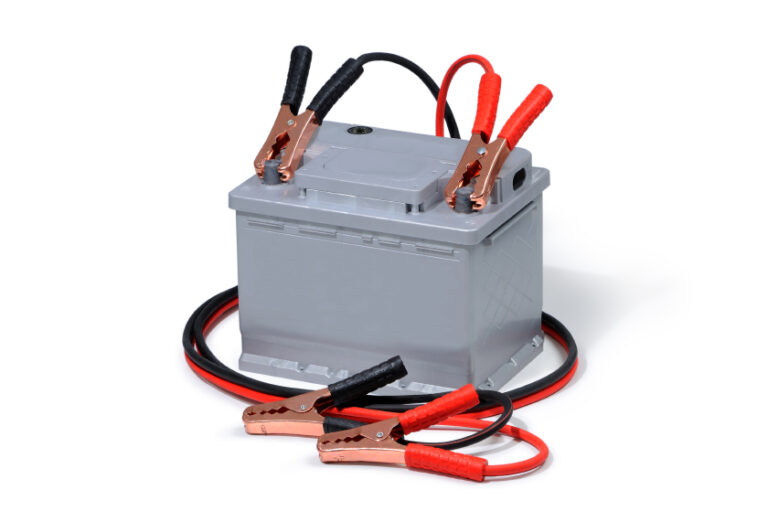
A car battery stores electrical energy, starts the engine, and powers key systems when the engine is off.
Understanding what does a car battery do can save you time, money, and stress when your vehicle will not start. The battery is more than a small box under the hood. It works with the starter, alternator, and electrical systems as part of one carefully balanced system. This guide explains how it works, what can go wrong, and how to keep it reliable.
How a Car Battery Works
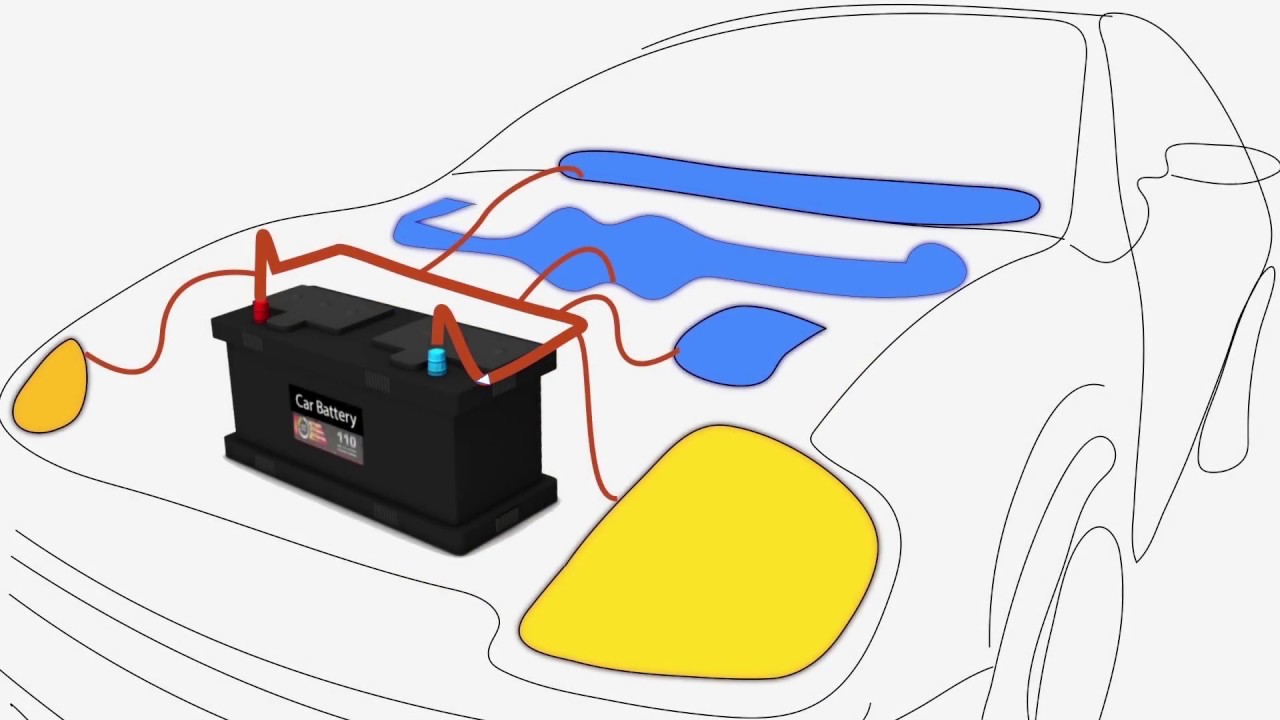
A car battery stores chemical energy and changes it into electrical energy. Most gasoline and diesel vehicles use a 12-volt lead-acid battery, although its actual voltage is closer to 12.6 volts when fully charged and resting.
When you turn the key or press the start button, the battery sends a strong burst of current to the starter motor. The starter then turns the engine’s crankshaft until the engine begins running on its own.
The answer to what does a car battery do includes several key tasks:
• It supplies power to the starter motor.
• It powers lights, screens, locks, and other systems when the engine is off.
• It helps stabilize voltage throughout the vehicle.
• It provides backup power when the alternator cannot meet demand.
Think of the battery as the car’s electrical reservoir. The alternator refills that reservoir while the engine runs, while the battery releases energy when the car needs a powerful electrical push.

What Happens When You Start the Car?
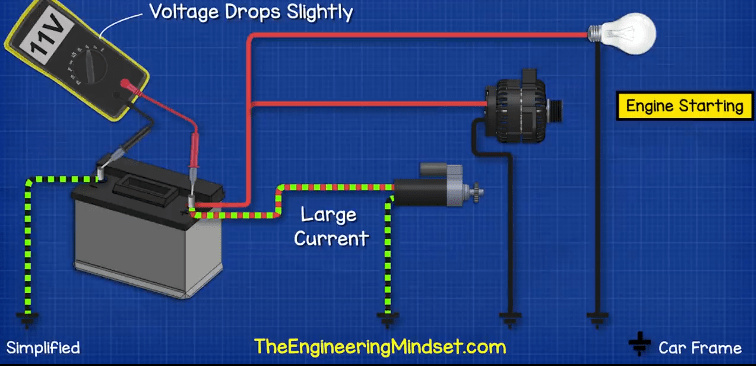
Starting a car takes more energy than most people realize. The starter motor may draw hundreds of amps for a few seconds, especially in cold weather or with a large engine.
Here is the basic starting sequence:
- You turn the key or press the start button.
- The vehicle sends a signal to the starter relay or starter solenoid.
- The battery sends high current to the starter motor.
- The starter turns the engine.
- The engine begins combustion and runs by itself.
- The alternator starts producing electricity.
The battery also powers the engine computer, fuel pump, ignition coils, sensors, and dashboard during startup. If the battery voltage drops too low, these systems may not work correctly, even if the starter still makes a clicking sound.
This explains what does a car battery do during ignition. It does not simply “turn on” the car. It gives several systems the power they need to work together at the right moment.
The Difference Between the Battery and Alternator
Many drivers confuse the battery with the alternator. They work together, but they have different jobs.
The battery stores electrical energy and provides power during startup. The alternator creates electrical power after the engine is running and sends some of that power back to the battery.
A simple comparison helps:
• The battery is like a water tank.
• The alternator is like the pump that refills the tank.
• The starter and electrical systems are like the pipes that use the water.
If the alternator fails, the car may continue running for a short time on battery power. Once the stored power runs out, the engine will stop and the vehicle may not restart.
If the battery fails, the alternator may still produce electricity. However, the starter may not receive enough power to crank the engine, and some vehicles may show warning lights or behave unpredictably.
When learning what does a car battery do, remember that a healthy battery cannot repair a bad alternator. Likewise, a working alternator cannot always rescue a battery with damaged internal cells.
What Powers the Car While You Drive?
After the engine starts, the alternator usually supplies most of the vehicle’s electrical power. It powers systems such as the headlights, climate controls, audio system, engine computer, and safety electronics.
The battery still has an important role while you drive. It smooths sudden changes in electrical demand and helps maintain stable voltage. It can also provide power if the alternator output briefly drops.
Modern vehicles often place a heavy load on the charging system. Common power users include:
• Heated seats and heated steering wheels
• Windshield wipers
• Air conditioning and blower motors
• Infotainment screens
• Anti-lock brakes and stability control
• Cameras, radar sensors, and driver assistance systems
• Electric power steering
A weak battery may not cause trouble every time you drive. It may start the car in warm weather but fail on a cold morning. That is why a battery can seem fine one day and completely dead the next.

Main Parts Inside a Car Battery
Most traditional car batteries contain six cells. Each cell produces about 2.1 volts, which gives a fully charged battery a resting voltage near 12.6 volts.
Important parts include:
Battery case
The case holds the cells and electrolyte. It must resist vibration, heat, and chemical damage.
Lead plates
Positive and negative lead plates react with the electrolyte to create electricity. Over time, the plates can wear, shed material, or become coated with sulfate.
Electrolyte
In a traditional flooded battery, the electrolyte is a mixture of sulfuric acid and water. This solution allows chemical reactions to move electrical charge between the plates.
Terminals
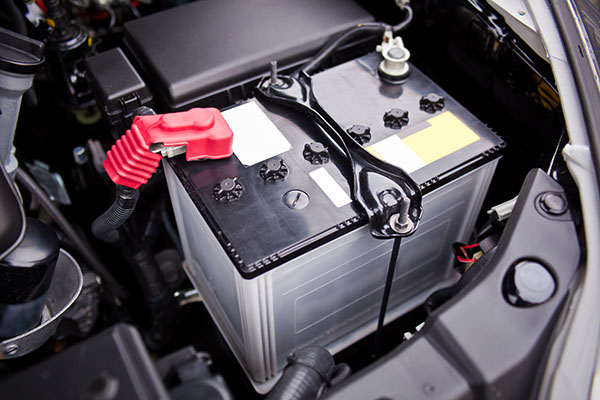
The positive and negative terminals connect the battery to the vehicle’s electrical system. Loose or corroded terminals can block current even when the battery itself is charged.
Vents and seals
Flooded batteries release small amounts of gas and use vents. Absorbed glass mat batteries are sealed more tightly and hold the electrolyte in a fiberglass material.
Knowing these parts makes it easier to understand what does a car battery do and why heat, vibration, age, and poor charging can shorten its life.
Signs of a Weak or Failing Battery
A battery often gives warning signs before it fails completely. Pay attention to small changes, especially during startup.
Common symptoms include:
• The engine cranks more slowly than usual.
• You hear a rapid clicking sound when starting.
• Interior or head lights look dim.
• The clock or radio loses its settings.
• The battery warning light appears on the dashboard.
• Electronic features reset or act strangely.
• There is swelling, leakage, or a strong sulfur smell.
• You need frequent jump starts.
A single slow start does not prove that the battery is bad. Cold weather, a loose connection, a failing starter, or a charging problem can cause similar symptoms.
In my experience, the most common mistake is replacing the battery without testing the charging system. A new battery may temporarily hide an alternator problem, but the same no-start issue can return within days or weeks.
How to Test a Car Battery
You can test a battery with a digital multimeter, but a professional battery tester gives a more complete picture. Voltage alone does not show how well a battery performs under load.
With the vehicle turned off and the battery rested for several hours, these readings offer a general guide:
• About 12.6 volts: fully charged
• About 12.4 volts: partly charged
• About 12.2 volts: roughly half charged
• Below 12.0 volts: very low charge or a possible problem
These numbers are general. Temperature, recent driving, and the vehicle’s charging design can affect the reading.
A proper test should also check:
- Resting voltage
- Cranking voltage
- Cold cranking performance
- Alternator output
- Terminal condition
- Parasitic electrical drain
When the engine is running, older charging systems often show about 13.7 to 14.7 volts. Modern vehicles may vary this voltage through smart charging, so a professional should interpret the result using the vehicle’s specifications.
What Is Cold Cranking Amps?
Cold cranking amps, or CCA, describe how much current a battery can deliver in cold conditions. The rating is important because cold oil becomes thicker, and the engine needs more effort to turn.
A higher CCA rating is not always better if the battery does not fit the vehicle’s size, design, or electrical requirements. Always follow the vehicle manufacturer’s battery group size and minimum CCA recommendation.
Reserve capacity is another useful rating. It estimates how long a fully charged battery can supply a set electrical load if the alternator stops working.
These ratings help explain what does a car battery do under difficult conditions. A battery must deliver a short, powerful burst during startup, then support electrical stability as the alternator takes over.
How Long Does a Car Battery Last?
Many car batteries last about three to five years, but no exact lifespan applies to every vehicle. Climate, driving habits, battery type, and maintenance all matter.
Extreme heat is especially hard on lead-acid batteries. Heat speeds up chemical damage and can cause water loss. Cold weather then exposes the battery’s reduced capacity.
Battery life may also decrease when:
• You take many short trips.
• The car sits unused for long periods.
• You leave lights or accessories on.
• The battery is not secured properly.
• The charging system has a fault.
• The vehicle has heavy electrical demand.
A useful habit is to test the battery before winter or before a long road trip. Replacing a battery slightly early is often less expensive than paying for a tow or missing an important appointment.
How to Maintain a Car Battery
Modern batteries need less care than older designs, but basic maintenance still helps.
• Keep the terminals clean and tight.
• Check that the battery hold-down is secure.
• Inspect the case for cracks or swelling.
• Turn off lights and accessories before leaving the car.
• Drive long enough to replace energy used during startup.
• Use a battery maintainer if the vehicle sits for weeks.
• Test the battery when it is several years old.
Never touch both battery terminals with a metal tool. Remove jewelry before working near the battery, and wear eye protection. If you clean corrosion, disconnect the negative cable first and reconnect it last, unless the vehicle manual gives different instructions.
I once saw a vehicle with a fairly new battery that kept going flat. The real problem was a loose hold-down. Vibration damaged the battery and weakened the connection. The lesson is simple: battery installation matters as much as battery selection.
Battery Types Used in Modern Vehicles
Not every car uses the same battery technology. Choosing the correct replacement matters.
Flooded lead-acid batteries
These are common and usually cost less. They work well in many standard vehicles but may be more affected by vibration, heat, and water loss.
Absorbed glass mat batteries
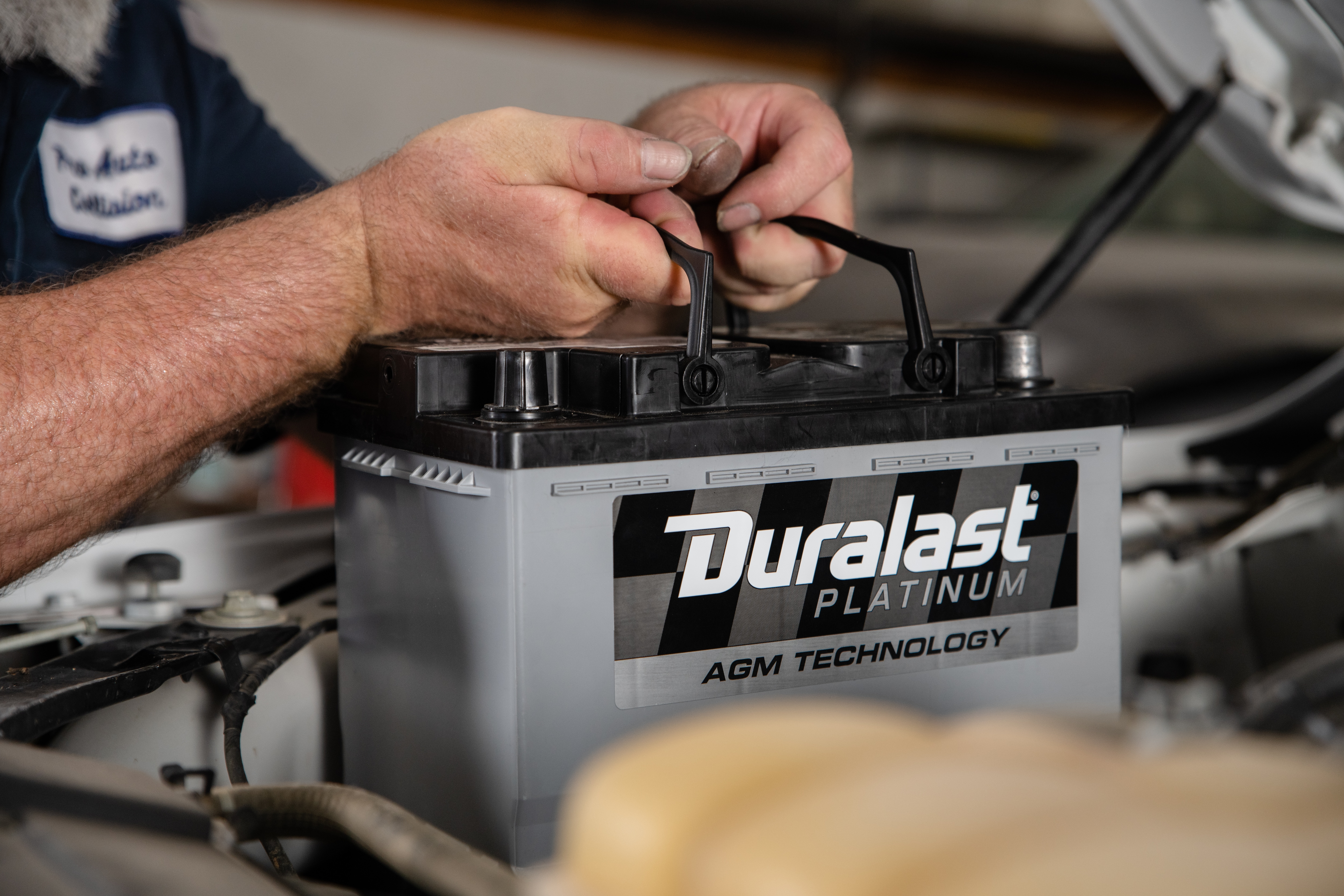
AGM batteries hold the electrolyte in glass fiber material. They handle vibration well and can support vehicles with start-stop systems and high electrical demands.
Enhanced flooded batteries
EFB batteries offer improved performance over standard flooded batteries. They are often used in vehicles with basic start-stop technology.
Lithium-ion batteries
Many hybrid and electric vehicles use large lithium-ion battery packs to power the drive motor. These packs are different from the small 12-volt battery that many electric vehicles still use for lights, computers, locks, and other systems.
The correct battery depends on more than physical size. Check the battery group number, terminal position, CCA, reserve capacity, technology, and the vehicle’s battery management requirements.
Car Batteries in Hybrid and Electric Vehicles
Hybrid and electric vehicles often contain two separate battery systems. A high-voltage battery pack powers the electric motor, while a smaller 12-volt battery powers control units and standard accessories.
In a hybrid, the high-voltage battery may receive charge through regenerative braking and the engine generator. In a fully electric vehicle, the large battery powers the drive motor and charges the smaller 12-volt system through a converter.
This means what does a car battery do can have different answers depending on the vehicle. Do not attempt to service a high-voltage battery without proper training. These systems can be dangerous even when the vehicle appears to be turned off.
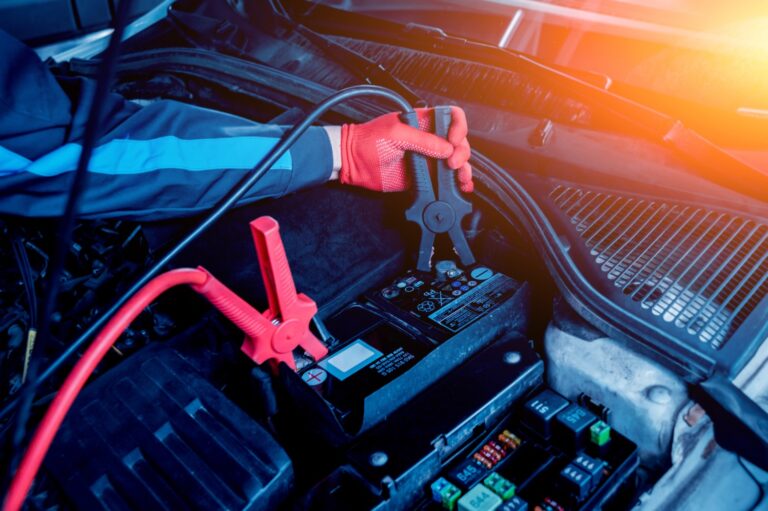
Safe Jump-Starting Tips
A jump start can restore enough power to start a weak battery, but it does not fix the underlying problem.
Use the owner’s manual first because some vehicles have special jump points. In general:
- Park the assisting vehicle close enough for the cables to reach, without allowing the vehicles to touch.
- Turn both vehicles off.
- Connect the red cable to the positive terminal of the weak battery.
- Connect the other red end to the positive terminal of the good battery.
- Connect the black cable to the negative terminal of the good battery.
- Connect the final black clamp to an approved metal ground on the disabled vehicle.
- Start the assisting vehicle, then try to start the disabled vehicle.
- Remove the cables in reverse order.
Do not jump-start a battery that is cracked, leaking, frozen, or badly swollen. Incorrect cable placement can damage electronic modules or create sparks near battery gas.
After the vehicle starts, drive it or use a charger long enough to restore the battery. A short idle period may not replace the energy used during the jump start.
Frequently Asked Questions About What Does a Car Battery Do
What does a car battery do when the engine is off?
It powers items such as interior lights, security systems, door locks, and electronic memory. If you use these systems too long, the battery can become too weak to start the engine.
Does the battery power the car while driving?
The alternator usually supplies most electrical power while the engine runs. The battery supports the system by stabilizing voltage and providing backup power when demand changes.
How do I know if my battery or alternator is bad?
A battery often causes slow cranking or clicking during startup. An alternator problem may cause a battery warning light, dimming lights while driving, or repeated battery discharge; proper testing is needed to confirm the cause.
Can a car battery die while driving?
Yes, if the alternator or charging system fails and the battery loses its stored energy. The engine may stop, and electrical features can shut down as voltage falls.
How often should I replace a car battery?
Many batteries last three to five years, but climate and driving habits can change that range. Testing the battery after its third year is a practical way to avoid an unexpected failure.
Can a dead battery be recharged?
A battery that is discharged but healthy can often be recharged with a suitable charger. A battery with damaged cells, severe sulfation, leakage, or swelling may need replacement instead.
Conclusion
A car battery stores electrical energy, starts the engine, powers accessories when the engine is off, and helps keep vehicle voltage stable. The alternator recharges it while you drive, but the battery remains essential to the entire starting and charging system.
Watch for slow cranking, dim lights, corrosion, and repeated jump starts. Test the battery and alternator together, use the correct replacement type, and practice safe handling. If this guide helped, explore your vehicle manual for its exact battery specifications and share your own battery experience in the comments.