Introduction
pH neutral car shampoo is a car wash soap made to stay close to pH 7, the middle point between acidic and alkaline. It uses water, surfactants, and other cleaning agents to lift road dust, dirt, and light grime without adding strong acids or bases.
For most drivers in the United States, pH neutral car shampoo is a good choice for routine hand washing. It is usually gentle on automotive paint, clear coat, plastic trim, glass, wheels, wax, and paint sealants when used as directed.
However, “pH neutral” does not mean that every product cleans the same way. Formula strength, dilution, lubrication, water quality, wash tools, and the type of dirt on the vehicle all affect the result.

What Does pH Mean in Car Shampoo?
pH measures how acidic or alkaline a water-based solution is. The scale normally runs from 0 to 14:
- Below 7: Acidic
- 7: Neutral
- Above 7: Alkaline
The scale is logarithmic. This means a small number change can represent a large change in acidity or alkalinity. For example, a product with a pH of 9 is not simply “two points stronger” than a product with a pH of 7.
Pure water is close to pH 7, but tap water can vary. Minerals, treatment chemicals, and local water conditions can shift its pH.
A pH neutral car shampoo is typically formulated to have a pH near 7 when mixed or tested under the conditions stated by the manufacturer. The exact pH can differ between brands and may change with dilution.
Is pH 7 the only meaning of “pH neutral”?
Not always. Some car-care brands use “pH neutral” as general marketing language for a mild wash soap. The product may have a slightly acidic or alkaline reading while still being gentle in normal use.
The most reliable approach is to check the product label, technical data sheet, or safety data sheet. A safety data sheet may list a pH range, but not every manufacturer publishes a full formula or a tested pH for every dilution.
How Does pH Neutral Car Shampoo Clean a Vehicle?
pH neutral car shampoo cleans mainly through surfactants, not extreme acidity or alkalinity.
Surfactants reduce the surface tension of water. This helps the wash solution spread across the vehicle, surround oily film, loosen dirt, and carry contamination away when rinsed.
A typical car shampoo may also contain:
- Lubricating agents that help the wash mitt glide
- Foaming agents that improve product spread
- Water softeners or chelating agents
- Preservatives
- Fragrance or color
- Gloss-enhancing or rinsing additives
Foam alone does not prove cleaning power. A thick layer of foam can look impressive, but lubrication and soil removal matter more. A shampoo that creates less foam may still clean well if its surfactants work properly and the wash process is sound.
The shampoo also does not do all the work. Water pressure, dwell time, a clean wash mitt, and a thorough rinse help remove dirt without dragging grit over the paint.
Why Use pH Neutral Car Shampoo?
pH neutral car shampoo is designed for regular maintenance washing. Its main benefit is balance: it can remove normal road film while limiting the chemical stress associated with stronger cleaners.
Main benefits
- Suitable for frequent washing: A mild formula is often appropriate for weekly or routine washes.
- Generally compatible with automotive surfaces: It is commonly used on clear coat, painted panels, glass, plastic, and metal trim.
- Less likely to affect protection: It is less aggressive than many high-pH degreasers or acidic cleaners.
- Useful for coated vehicles: Many ceramic coating makers recommend a pH-neutral maintenance wash, although the coating instructions should always come first.
- Easy to use: It normally works with a bucket, wash mitt, and hose or pressure washer.
These benefits apply when the shampoo is used at the stated dilution. A concentrated product can behave differently from the same product properly mixed with water.
What pH neutral shampoo does not do
A pH neutral shampoo is not a universal cleaner. It may struggle with:
- Heavy grease
- Dried insects
- Road tar
- Brake dust
- Tree sap
- Salt buildup
- Oil film
- Mineral water spots
These problems may need a separate pre-wash, bug remover, iron remover, tar remover, or water-spot treatment. Each product has its own surface limits and safety instructions.
Is pH Neutral Car Shampoo Safe for Car Paint?
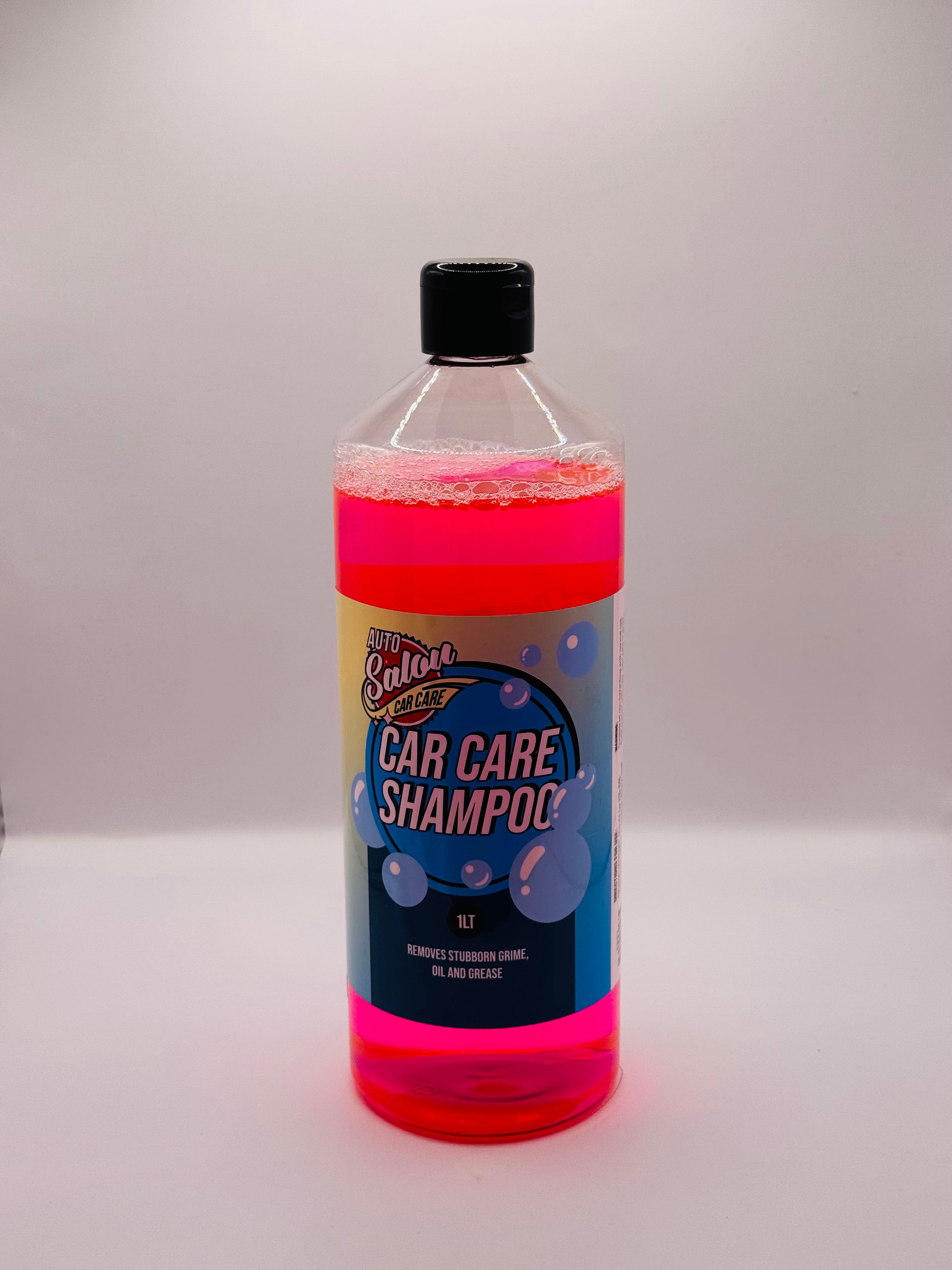
Yes, a quality pH neutral car shampoo is usually safe for modern automotive paint when diluted and used correctly. Modern vehicles commonly use a clear coat over the colored paint layer. A mild wash soap is intended to clean this outer surface without acting as a strong chemical treatment.
Still, pH is only one part of product safety. A pH-neutral shampoo can cause poor results if you:
- Use too much soap
- Let the solution dry on the paint
- Wash in direct heat
- Use a dirty or abrasive mitt
- Apply strong pressure
- Reuse a contaminated bucket
- Leave grit on the vehicle
- Ignore the manufacturer’s dilution instructions
The wash tool can create more damage than the soap. Fine sand trapped in a mitt may cause swirl marks even when the shampoo itself is gentle.
Does pH neutral shampoo protect wax or ceramic coating?
It is often a good maintenance choice for wax, paint sealants, and ceramic coatings. However, “pH neutral” does not guarantee that a product will preserve every type of protection.
Some shampoos contain gloss enhancers, polymers, or other additives. These may leave a temporary film or change how water behaves on the surface. That does not necessarily mean the coating or wax has been damaged.
If a coating manufacturer specifies a certain shampoo type, follow that guidance. Coatings can differ in chemical resistance, maintenance needs, and approved cleaning methods.
Can pH neutral shampoo remove wax?
A normal pH neutral wash is not usually intended to strip a properly bonded wax or sealant. But protection can still weaken over time from sunlight, detergents, road chemicals, abrasion, and repeated washing.
A stronger alkaline cleaner, solvent, abrasive polish, or dedicated wax remover is more likely to remove protection than a mild maintenance shampoo.
Do not use beading alone as proof that protection is present. Water behavior can change because of dirt, oils, rinse aids, and surface contamination.
pH Neutral vs. Acidic vs. Alkaline Car Shampoo
The right pH depends on the cleaning task. A routine wash and a heavily contaminated vehicle may need different products.
| Shampoo type | Typical role | Useful for | Main caution |
|---|---|---|---|
| pH neutral | Routine maintenance | Dust, light road film, normal weekly washing | May not remove heavy contamination |
| Mildly alkaline | Stronger exterior cleaning | Greasy road film, traffic film, neglected vehicles | May reduce wax or sealant durability |
| Acidic | Mineral and inorganic deposits | Some water spots and mineral buildup | Can harm sensitive materials if misused |
| Heavy-duty degreaser | Tough oily soil | Engines, tires, lower panels, heavy grease | Requires strict dilution and surface care |
These categories are broad. A product’s surfactants, solvents, chelators, and dilution can matter as much as its pH.
A lower or higher pH is not automatically better or worse. It is a tool choice. Use the mildest cleaner that can solve the problem, then increase cleaning strength only when needed.

How to Choose a pH Neutral Car Shampoo
Start with the job, not the foam. For regular washing, look for a product with clear directions and a stated pH or “pH neutral” claim supported by a technical data sheet.
Check these product details
-
Dilution ratio
The label may state a ratio such as ounces per gallon or milliliters per liter. Do not guess if the manufacturer provides a measurement. -
Surface compatibility
Look for instructions covering clear coat, plastic, chrome, glass, wheels, wraps, or ceramic coatings if those surfaces are on your vehicle. -
Lubrication
A slick feel can help reduce friction during hand washing. It does not replace a clean mitt or proper technique. -
Residue and finish
Some shampoos leave gloss agents or polymers. Choose a residue-free formula if you want a clean surface for a later inspection, polish, or coating step. -
Water-spot behavior
If you have hard water, a shampoo with good rinsing behavior may help, but drying the vehicle before minerals remain is still the main defense. -
Product documentation
A technical data sheet may provide more useful information than a front-label claim. An SDS can help identify handling and safety information, but it may not reveal the full cleaning performance.
A simple decision guide
- Vehicle washed often and lightly dirty: Choose pH neutral shampoo.
- Vehicle has greasy traffic film: Use a stronger pre-wash when needed, then use pH neutral shampoo.
- Vehicle has mineral spots: Use a suitable water-spot product after checking surface compatibility.
- Vehicle has iron particles: Use an iron remover designed for automotive surfaces.
- Vehicle has tar: Use a dedicated tar remover, not repeated scrubbing.
- Vehicle has a ceramic coating: Follow the coating maker’s wash instructions.
How to Use pH Neutral Car Shampoo Correctly
A safe wash begins before the soap touches the paint.
What you need
- pH neutral car shampoo
- Two clean buckets, if using the two-bucket method
- A clean wash mitt
- A separate wheel and tire brush
- A hose or pressure washer
- A drying towel or air blower
- Grit guards, if desired
- Shade and cool panels
Step-by-step washing method
-
Read the label.
Confirm the dilution, surfaces, and rinse instructions. -
Park in shade.
The paint should be cool. Avoid washing when the soap or rinse water will dry quickly. -
Rinse the vehicle first.
Remove loose dust and grit with a hose or pressure washer. Keep the nozzle at a safe distance and do not aim high-pressure water at damaged seals or loose trim. -
Clean the wheels separately.
Wheels often hold brake dust and gritty soil. Use wheel tools that are not used on painted body panels. -
Mix the shampoo.
Add the measured product to the bucket, then add water. This helps reduce splashing and creates an even solution. -
Wash from top to bottom.
Clean the roof, windows, hood, and upper panels first. Leave the dirtiest lower panels for last. -
Use straight, light passes.
Avoid hard circular scrubbing. Rinse the mitt often in a separate rinse bucket if using two buckets. -
Rinse each section.
Do not allow the shampoo to dry on the surface. -
Dry without dragging dirt.
Use a clean, soft drying towel or a blower. If the towel becomes dirty, replace it. -
Inspect the finish.
Look for remaining bugs, tar, water spots, or bonded contamination. Treat those areas with the correct product rather than scrubbing harder.
Signs the wash worked
A successful wash usually leaves:
- A clean surface without oily film
- No visible soap residue
- No dried water or shampoo spots
- Smooth movement under a clean towel
- No new scratches or swirl marks caused by the wash
If the paint still feels rough after washing, the problem may be bonded contamination rather than poor shampoo performance.

Common Mistakes to Avoid
Using too much shampoo
More soap does not always mean more cleaning. Excess product can increase residue, make rinsing harder, and waste money. Follow the measured dilution on the bottle.
Washing a dry, dusty vehicle without pre-rinsing
Water and shampoo cannot safely remove all loose grit through friction alone. A pre-rinse reduces the amount of abrasive material under the mitt.
Using one mitt for wheels and paint
Brake dust can be abrasive. Keep wheel tools separate from paint-washing tools.
Washing in direct sun
Heat can dry soap and water before you rinse. Dried product may leave marks and require extra wiping.
Believing foam equals lubrication
Foam is visible. Lubrication is less obvious. Use a clean mitt, enough wash solution, and gentle pressure.
Leaving the shampoo on the car
Even a mild product should not be allowed to dry on the surface. Rinse promptly, especially in hot weather.
Using household dish soap as a regular car wash
Dish detergents are made for food oils and kitchen soil, not vehicle maintenance. They may be more aggressive toward existing protection and may not provide the lubrication expected from a car shampoo.
A one-time emergency wash is not the same as a good long-term method. For regular care, use a product labeled for automotive surfaces.
What If pH Neutral Shampoo Does Not Remove the Dirt?
Do not immediately use more soap or scrub harder. Identify the contamination first.
| Symptom | Likely cause | Safer next step |
|---|---|---|
| Brown-orange specks | Iron contamination | Use an automotive iron remover |
| Sticky black spots | Tar or asphalt residue | Use a compatible tar remover |
| Rough paint after washing | Bonded contamination | Consider a clay treatment after proper lubrication |
| White rings or cloudy marks | Mineral deposits | Use a suitable water-spot remover |
| Oily gray film | Traffic film or grease | Use a compatible pre-wash or stronger cleaner |
| Bugs remain on the front | Dried proteins and residue | Pre-treat with a bug remover; do not scrape dry |
| Water dries too fast | Hot panel or hard water | Work in shade and dry each section promptly |
Test any specialized chemical on a small, hidden area first. Avoid mixing cleaners. Some products can damage unpainted plastic, polished aluminum, wraps, matte finishes, or sensitive coatings.

Frequently Asked Questions
Is pH neutral car shampoo better than regular car soap?
“Regular car soap” is a broad term. A well-made regular car shampoo may also be pH neutral. Compare the label, dilution, surface directions, and intended use rather than relying on the product name alone.
Is pH neutral car shampoo safe for ceramic coatings?
It is commonly suitable for routine ceramic-coating maintenance, but the coating manufacturer’s instructions take priority. Avoid products with unapproved solvents, abrasive additives, or strong cleaners unless the coating maker allows them.
Can I use pH neutral car shampoo in a foam cannon?
Usually, yes, if the product is designed for foam-cannon or pressure-washer use. Follow the equipment maker’s dilution guidance and remember that foam-cannon output depends on the sprayer, water pressure, nozzle, and soap concentration.
Does pH neutral mean the shampoo is biodegradable?
No. pH describes acidity or alkalinity. It does not prove that a product is biodegradable, phosphate-free, non-toxic, or environmentally harmless. Look for specific environmental claims and supporting product information.
How often should I wash my car with pH neutral shampoo?
Wash when the vehicle has visible soil or when contamination is likely to bond to the surface. Many cars need a routine wash every one to two weeks, but driving conditions, weather, parking location, and local road salt can change that schedule.
Can pH neutral shampoo remove hard water spots?
It may remove loose mineral residue, but established water spots often need a dedicated treatment. Do not keep washing the same mark with more shampoo. Identify the deposit and use a compatible water-spot remover.
Key Takeaways
- pH neutral car shampoo is a mild automotive wash soap made to stay near pH 7.
- It cleans mainly through surfactants, lubrication, rinsing, and safe wash technique.
- It is usually a strong choice for routine maintenance and protected vehicles.
- pH neutral does not mean the product removes every type of contamination.
- Correct dilution, shade, pre-rinsing, clean tools, and gentle pressure matter as much as pH.
- Use specialized cleaners for tar, iron, bugs, grease, and mineral spots.
- Follow the vehicle, coating, and product manufacturer’s instructions when they differ.
Conclusion
pH neutral car shampoo is best understood as a maintenance cleaner, not a heavy-duty chemical remover. Its near-neutral formula can help clean normal road dirt while reducing the chance of unnecessarily weakening waxes, sealants, or coatings.
For most vehicles in the United States, the safest routine is simple: rinse first, measure the shampoo, wash from top to bottom with clean tools, rinse before the product dries, and dry the vehicle without dragging grit across the paint. If ordinary dirt remains, change the cleaning method based on the contamination instead of using more force.
For product selection, check the stated dilution, surface compatibility, pH information, and coating instructions. That approach is more reliable than choosing a shampoo by foam, scent, or the words “professional” and “premium” on the label.