Car battery types include flooded, AGM, EFB, and lithium; sizes depend on group number, fit, and power needs.
Choosing the right car battery is about more than matching voltage. You must also check the battery group size, terminal layout, cold-cranking amps, reserve capacity, and charging needs. This guide explains car battery types and sizes in simple terms, so you can replace a weak battery with confidence and avoid an expensive mismatch.
Why the Correct Car Battery Matters
A car battery stores electrical energy and sends power to the starter motor. It also supports lights, computers, alarms, audio systems, and other electrical parts when the engine is off or the alternator cannot meet demand.
The wrong battery may fit poorly, start the engine slowly, or fail much sooner than expected. In some vehicles, especially cars with start-stop systems, the wrong battery type can also cause charging errors and warning lights.
Car battery types and sizes are not interchangeable just because they look similar. Two batteries may both be labeled 12 volts but have different dimensions, terminal positions, internal designs, and power ratings.
A useful way to think about battery choice is like buying shoes. Voltage tells you the general category, but group size, terminal location, and capacity determine whether the battery truly fits and performs well.

Main Car Battery Types
Modern vehicles use several battery designs. Each type has different strengths, costs, and maintenance needs. Understanding these designs is the first step toward choosing the right battery.
Flooded lead-acid batteries
Flooded lead-acid batteries are the most common traditional car batteries. They contain lead plates and a liquid electrolyte made from water and sulfuric acid.
Most current versions are sealed and marketed as maintenance-free. However, the term does not mean the battery can never leak, corrode, or wear out.
Benefits include:
• Lower purchase cost
• Wide availability
• Good performance in many standard vehicles
• Easy replacement
Limitations include:
• Lower resistance to deep discharge
• More liquid movement and vibration sensitivity
• Shorter life in some high-demand vehicles
• More charging stress in start-stop driving
A flooded battery works well in many older cars, trucks, and vehicles with simple electrical systems. It may not be the right choice for a newer car designed for AGM or EFB technology.
AGM batteries
AGM stands for Absorbent Glass Mat. In this design, a fiberglass mat holds the electrolyte close to the lead plates. The battery is sealed, highly resistant to vibration, and less likely to spill when installed correctly.
AGM batteries can deliver strong starting power and support many electrical accessories. They are common in luxury cars, vehicles with advanced safety systems, and cars with start-stop technology.
Benefits include:
• Strong starting performance
• Better vibration resistance
• Good support for high electrical loads
• Faster acceptance of charge than many flooded batteries
• Lower risk of acid leakage during normal use
Limitations include:
• Higher purchase price
• Sensitivity to incorrect charging voltage
• Need for proper battery registration in many newer vehicles
If a vehicle came with an AGM battery, replacing it with a basic flooded battery can reduce performance and battery life. Always follow the vehicle maker’s instructions.
EFB batteries
EFB means Enhanced Flooded Battery. It is an improved flooded design made for vehicles with moderate start-stop demands.
EFB batteries use stronger internal plates and improved materials. They offer better cycling ability than standard flooded batteries but usually cost less than AGM batteries.
Benefits include:
• Better cycling than a basic flooded battery
• Good fit for many start-stop vehicles
• Lower cost than AGM
• Familiar charging needs for many applications
Limitations include:
• Less deep-cycle strength than AGM
• Not suitable for every high-demand vehicle
• May require an AGM upgrade if electrical loads increase
An EFB battery should not be confused with a standard flooded battery. Although both use liquid electrolyte, their performance and intended use are different.
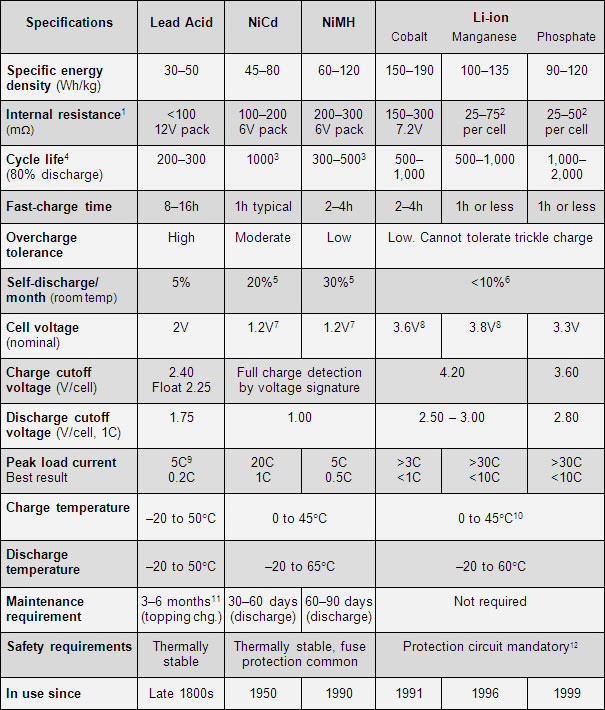
Lithium-ion starter batteries
Lithium-ion batteries are less common in ordinary gasoline cars but appear in some performance vehicles, motorcycles, racing applications, and specialized builds. They are also widely used in electric vehicles for the low-voltage electrical system, while a separate high-voltage pack powers the motor.
Lithium batteries can be light and powerful. However, they need special battery management systems and charging control.
Benefits include:
• Lower weight
• High energy density
• Strong power delivery in suitable conditions
• Good performance in specialized vehicles
Limitations include:
• Higher cost
• More complex charging requirements
• Reduced performance in extreme cold for some designs
• Need for exact vehicle compatibility
Do not replace a lead-acid battery with a lithium battery unless the vehicle and charging system support it. Car battery types and sizes must match the full electrical system, not just the space under the hood.

Understanding Car Battery Sizes
When people talk about battery size, they often mean the battery group size. A group number describes a battery’s physical dimensions, terminal layout, and sometimes its general application.
Common group sizes include:
• Group 24 and 24F
• Group 27
• Group 34 and 34R
• Group 35
• Group 47, also called H5 or L2
• Group 48, also called H6 or L3
• Group 49, also called H8 or L5
• Group 51R
• Group 65
• Group 78
The letter R usually means the positive and negative terminals are arranged in a reversed layout compared with the standard version. A Group 34 and Group 34R may have similar dimensions but different terminal positions.
That difference matters. A battery can physically fit in its tray but still fail to connect safely if the cables cannot reach the correct terminals.
Common battery group examples
Group 35 batteries are common in many compact and midsize cars. Group 24 and Group 24F batteries appear in many cars, trucks, and older Japanese models. Group 48 and Group 49 batteries are common in newer European and larger vehicles.
Group 51R batteries are often used in compact cars, while Group 65 batteries are common in many trucks and larger domestic vehicles. These are general examples, not a substitute for checking the vehicle’s exact requirements.
Battery group numbers are not universal performance ratings. A larger group does not automatically mean a better battery. The battery must fit the vehicle tray, hold-down system, cable layout, and charging system.

Battery Dimensions and Terminal Placement
A replacement battery must match several physical measurements. Checking only length is not enough.
Measure or confirm the following:
• Length
• Width
• Height
• Positive terminal location
• Negative terminal location
• Terminal post style
• Bottom hold-down design
• Vent position, if required
Battery height deserves special attention. A battery that is too tall may touch the hood or another metal part. That can create a short circuit, sparks, heat, and serious damage.
The hold-down clamp is also important. It keeps the battery stable during braking, cornering, and vibration. Never rely on loose brackets, wood, or makeshift straps.
A practical lesson from battery replacement work is simple: if the old battery barely fit, do not assume a similar-looking battery will work. Compare the group number and dimensions before buying.
What does the “R” mean?
The “R” in a battery group number usually indicates reversed terminal placement. For example, Group 51 and Group 51R may share a similar case size but place the positive terminal on different sides.
Always compare the new battery with the old one before installation. A reversed terminal layout can make the cables too short or place the positive cable near the body of the vehicle.

Battery Ratings You Should Know
Battery size and battery power are related, but they are not the same. The main ratings include cold-cranking amps, reserve capacity, amp-hours, and voltage.
Cold-cranking amps
Cold-cranking amps, or CCA, measure how much current a battery can deliver at a low temperature for a set period. A higher CCA rating usually means stronger starting ability in cold weather.
The exact testing standard matters. Some batteries list CCA under one standard, while others may display a different starting rating. Avoid comparing numbers without checking that the test method is the same.
Use at least the vehicle maker’s recommended CCA. A higher rating is often acceptable if the battery fits and the charging system supports it, but more is not always needed.
Reserve capacity
Reserve capacity, or RC, estimates how long a fully charged battery can support a set electrical load if the alternator stops working.
A higher RC rating can provide more time for essential systems during an alternator problem. It is especially useful in vehicles with many electrical accessories, though it does not replace a working alternator.
Amp-hours
Amp-hours, or Ah, measure stored electrical capacity over time. This rating is more common for deep-cycle batteries, recreational vehicles, and auxiliary systems than for ordinary starter batteries.
Starter batteries are designed to deliver a short, powerful burst. Deep-cycle batteries are designed to provide lower power for longer periods. Do not use a deep-cycle battery as a starter battery unless the vehicle and battery maker approve it.
Voltage
Most gasoline and diesel cars use a 12-volt electrical system. A fully charged lead-acid battery often measures about 12.6 volts at rest, though temperature and battery condition affect the reading.
A reading near 12.0 volts indicates a low state of charge. A battery below that level may be deeply discharged or damaged. Voltage alone cannot prove that a battery is healthy, so a proper load or conductance test is more useful.

How to Choose the Right Car Battery
The safest way to select a battery is to combine the vehicle’s official specifications with a physical check.
Follow these steps:
-
Check the owner’s manual. Look for the required group size, battery type, CCA, and special charging instructions.
-
Inspect the old battery. Record the group number, voltage, CCA, and terminal layout.
-
Confirm the battery type. Check whether the vehicle uses flooded, EFB, AGM, or another design.
-
Compare the dimensions. Make sure the length, width, and height match.
-
Check terminal placement. Confirm that the positive terminal is on the correct side.
-
Confirm the hold-down system. The battery must lock into the tray firmly.
-
Match or exceed the required CCA. Do not go below the vehicle maker’s rating.
-
Check registration needs. Some newer cars require the battery to be registered or coded after replacement.
-
Inspect charging voltage. A charging fault can ruin a new battery quickly.
-
Recycle the old battery. Lead-acid batteries contain valuable materials and should not go in household trash.
Online battery fitment tools can save time, but they are not perfect. Vehicle trim, engine size, production year, and optional equipment can change the correct battery specification.
If the manual and the existing battery disagree, verify the information with the vehicle maker, a trusted parts professional, or a qualified technician.
Start-Stop Systems and Battery Replacement
Start-stop systems shut off the engine at traffic lights and restart it when you release the brake or press the accelerator. This can reduce fuel use, but it places more cycling demand on the battery.
Many start-stop vehicles use EFB or AGM technology. A standard flooded battery may not tolerate repeated engine restarts and frequent partial charging.
Some vehicles also use a battery monitoring sensor. This sensor tracks battery condition and charging needs. After replacement, the vehicle may need a reset or battery registration procedure.
Signs of a battery mismatch may include:
• Start-stop system unavailable
• Battery warning messages
• Slow engine cranking
• Electrical system faults
• Repeated battery failure
The battery itself may not be the only problem. A weak alternator, poor ground connection, parasitic drain, or damaged cable can create similar symptoms.
Car Battery Types and Sizes for Different Vehicles
Different vehicles place different demands on their batteries. The correct choice depends on the design of the vehicle, not simply its age or engine size.
Small cars
Compact cars often use smaller group sizes and moderate CCA ratings. However, a small car with heated seats, advanced driver aids, and a start-stop system may need an AGM or EFB battery.
Trucks and SUVs
Trucks and SUVs often need higher CCA and reserve capacity. Towing, winches, auxiliary lights, and off-road accessories can increase electrical demand.
A larger engine may need more starting power, especially when it is cold. Still, the battery must match the vehicle’s physical tray and cable layout.
Luxury cars
Luxury vehicles often have many computers and electrical features. AGM batteries are common because they handle vibration, cycling, and high electrical loads well.
A replacement may also need coding or registration. Skipping that step can affect charging behavior and shorten battery life.
Diesel vehicles
Diesel engines often need higher starting power than gasoline engines. Glow plugs can also draw significant current during cold starts.
Use the diesel model’s exact CCA and group-size requirements. Never assume that the gasoline version of the same vehicle uses the same battery.
Hybrid and electric vehicles
Hybrids and electric vehicles usually contain a high-voltage traction battery and a separate 12-volt battery. The 12-volt battery powers computers, locks, lights, and control systems.
The 12-volt battery in an electric vehicle is not the main driving battery. Replacing it requires careful attention to the correct battery type, voltage, venting, and safety procedure.
Battery Maintenance and Warning Signs
Good maintenance can help a battery reach its expected service life. Many automotive batteries last about three to five years, but climate, driving habits, and charging health can change that range.
Hot climates can speed up internal corrosion and water loss. Cold climates reduce available starting power and make a weak battery more likely to fail.
Use these care tips:
• Keep the battery case clean and dry.
• Check for loose or corroded terminals.
• Make sure the hold-down bracket is tight.
• Avoid leaving lights or accessories on.
• Drive long enough to replace energy used during starting.
• Test the battery before extreme summer or winter weather.
• Inspect the charging system when installing a new battery.
Common warning signs include slow cranking, dim lights, clicking during startup, a swollen case, repeated jump-starts, and corrosion around the terminals.
A swollen battery is a safety concern. Do not continue using it or attempt to open it. Have it replaced and inspected by a qualified professional.
Common Battery Buying Mistakes
Many battery problems begin before installation. Avoid these common mistakes:
• Buying by price alone. The cheapest battery may not have the right design or warranty.
• Matching only the voltage. A 12-volt label does not confirm physical or electrical compatibility.
• Ignoring terminal position. A reversed layout can make installation unsafe.
• Choosing a lower CCA rating. This may cause hard starts, especially in cold weather.
• Installing flooded technology in an AGM application. The vehicle may need stronger cycling performance.
• Forgetting battery registration. Some cars need electronic resets after replacement.
• Replacing the battery without testing the alternator. A charging problem can damage the new battery.
• Using the wrong charger. AGM and lithium batteries may require specific charging modes.
• Leaving the battery loose. Vibration can damage the case and internal plates.
One of the most useful lessons is to diagnose the cause of failure, not only replace the part. If a battery fails early, test the alternator, starter draw, cable connections, and parasitic drain before installing another one.
Frequently Asked Questions About Car Battery Types and Sizes
What are the main car battery types?
The main car battery types are flooded lead-acid, AGM, EFB, and lithium-ion. Flooded batteries suit many standard vehicles, while AGM and EFB batteries support higher cycling demands and start-stop systems.
How do I find my car battery size?
Check the owner’s manual, the label on the current battery, or a trusted vehicle fitment guide. Confirm the group number, dimensions, terminal position, CCA, and battery technology before buying.
Can I use a higher CCA battery?
A higher CCA battery is usually acceptable if it has the correct group size, terminal layout, battery type, and charging requirements. Do not choose a larger battery if it cannot fit securely or if the vehicle maker gives a strict specification.
Can I replace an AGM battery with a regular battery?
Usually, you should not replace an AGM battery with a standard flooded battery unless the vehicle maker specifically allows it. The regular battery may not handle the vehicle’s charging system, electrical load, or start-stop cycles.
How long does a car battery last?
Many car batteries last about three to five years. Heat, cold, short trips, vibration, poor charging, and frequent deep discharge can shorten battery life.
Does a car battery need to be programmed after replacement?
Some newer vehicles require battery registration or programming after replacement. This lets the charging system adjust to the new battery and helps prevent overcharging or undercharging.
What does the battery group number mean?
The battery group number identifies a general case size, terminal arrangement, and vehicle application. It does not by itself show the battery’s full performance, so you must also compare CCA, battery type, and capacity.
Conclusion
Choosing among car battery types and sizes becomes much easier when you check the vehicle manual, group number, physical dimensions, terminal layout, CCA, and battery technology. Flooded, AGM, EFB, and lithium batteries each serve different needs, so the best option is the one designed for your vehicle’s system.
Before buying, compare the old battery with the manufacturer’s specifications and test the charging system. A careful match can improve starting reliability, protect sensitive electronics, and help the new battery last longer. Use this guide during your next inspection, and share your battery questions or experience in the comments.