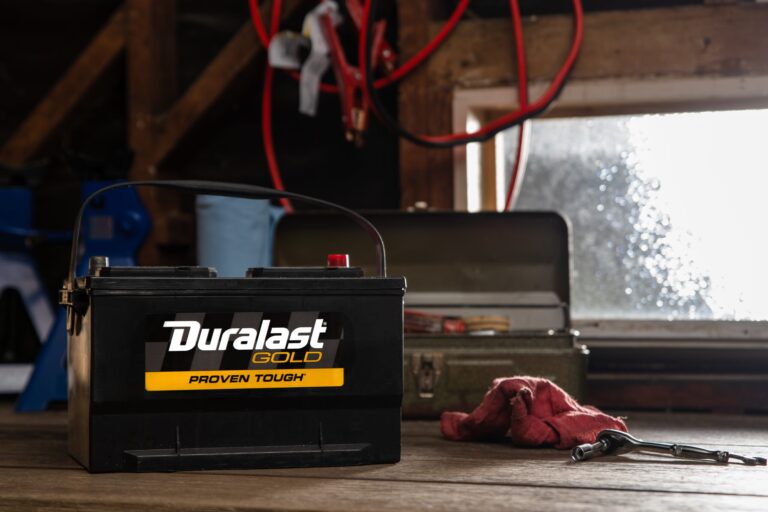
Most car batteries cost $60 to $300, while installation can add $20 to $150.
Knowing how much does a car battery cost helps you avoid surprise charges at a repair shop. The final price depends on the battery type, vehicle, warranty, brand, labor, and local fees. This guide explains each cost in simple terms so you can choose a safe battery at a fair price.
Average Car Battery Cost in the United States
For most gas-powered cars, a new battery costs between $60 and $300. Many family sedans and small SUVs use batteries in the $100 to $200 range.
The answer to how much does a car battery cost can change based on the battery group size and design. A basic flooded lead-acid battery is often the least expensive choice. An AGM battery usually costs more but can handle higher electrical demands.
Here is a general price guide:
| Battery type | Battery price | Typical installed price |
|---|---|---|
| Basic flooded lead-acid | $60 to $150 | $100 to $220 |
| Premium flooded battery | $100 to $200 | $150 to $275 |
| AGM battery | $150 to $350 | $200 to $450 |
| Start-stop battery | $150 to $350 | $220 to $500 |
| Heavy-duty truck battery | $120 to $300 | $170 to $400 |
| Hybrid 12-volt battery | $100 to $300 | $150 to $400 |
These are common US ranges, not fixed quotes. Prices can be higher for luxury vehicles, hard-to-reach battery locations, or cars that need battery registration after installation.

What Determines How Much a Car Battery Costs?
Several details affect how much does a car battery cost. The battery is not a one-size-fits-all part. Your vehicle needs the correct size, power rating, terminal layout, and technology.
Battery group size
The group size describes the battery’s physical dimensions and terminal position. Common sizes include 24F, 35, 48, 65, and 94R.
A battery can have enough power but still not fit your car. Always check the owner’s manual or the label on the old battery before buying one.
Cold-cranking amps
Cold-cranking amps, or CCA, measure how much power a battery can provide in cold weather. A higher CCA rating can help an engine start during freezing conditions.
More CCA may raise the price, but the highest number is not always best. Use the rating recommended for your vehicle. An oversized battery may not work correctly with the car’s charging system.
Battery technology
Most modern car batteries use lead-acid technology. Standard flooded batteries contain liquid electrolyte and are often affordable.
AGM batteries use a sealed design. They resist vibration and support cars with large electrical loads, such as heated seats, advanced safety systems, and start-stop technology. Their stronger design explains why AGM batteries cost more.
Brand and warranty
A longer warranty often increases the purchase price. A battery with a three-year free-replacement warranty may cost more than one with a one-year warranty.
A warranty is useful, but read the terms. Some warranties offer free replacement only during part of the coverage period. Others provide a partial credit after the free-replacement period ends.
Vehicle design
Some vehicles place the battery under a seat, inside the trunk, or near the wheel well. These locations can make replacement slower.
Luxury cars may also need computer resets or battery registration. These extra steps can increase labor charges and answer why how much does a car battery cost varies so widely between vehicles.

Car Battery Cost by Vehicle Type
The vehicle you drive plays a major role in how much does a car battery cost. A small compact car may use a simple battery. A luxury SUV may need an AGM battery and electronic programming.
Compact cars
Small cars often use common battery sizes. Their batteries usually cost $70 to $180.
Installation is often quick because the battery sits in an open engine bay. Some auto parts stores may install the battery at no extra charge, but restrictions can apply.
Trucks and SUVs
Trucks and larger SUVs may need a battery with higher CCA and a larger case. Expect to pay about $120 to $300 for the battery alone.
Vehicles with off-road equipment, winches, or extra lights may need more starting power. A professional should confirm the correct battery before purchase.
Luxury vehicles
Luxury vehicles often use AGM batteries. The battery may cost $200 to $400, and installation may add $75 to $200.
Some models require battery registration. This process tells the vehicle computer that a new battery has been installed. Without it, the charging system may not manage the battery correctly.
Cars with start-stop systems
Start-stop vehicles turn the engine off at traffic lights to save fuel. They need a battery designed for frequent starting.
These cars often use AGM or enhanced flooded batteries. Replacing one may cost $200 to $500 with installation, depending on the model.
Hybrid vehicles
Hybrid cars usually have a small 12-volt battery and a separate high-voltage traction battery. The 12-volt battery may cost $100 to $300.
A high-voltage hybrid battery is a different repair. It can cost several thousand dollars, although warranties and refurbished options may reduce the bill. Never service a high-voltage battery without the proper training.
Battery Price vs. Total Replacement Cost
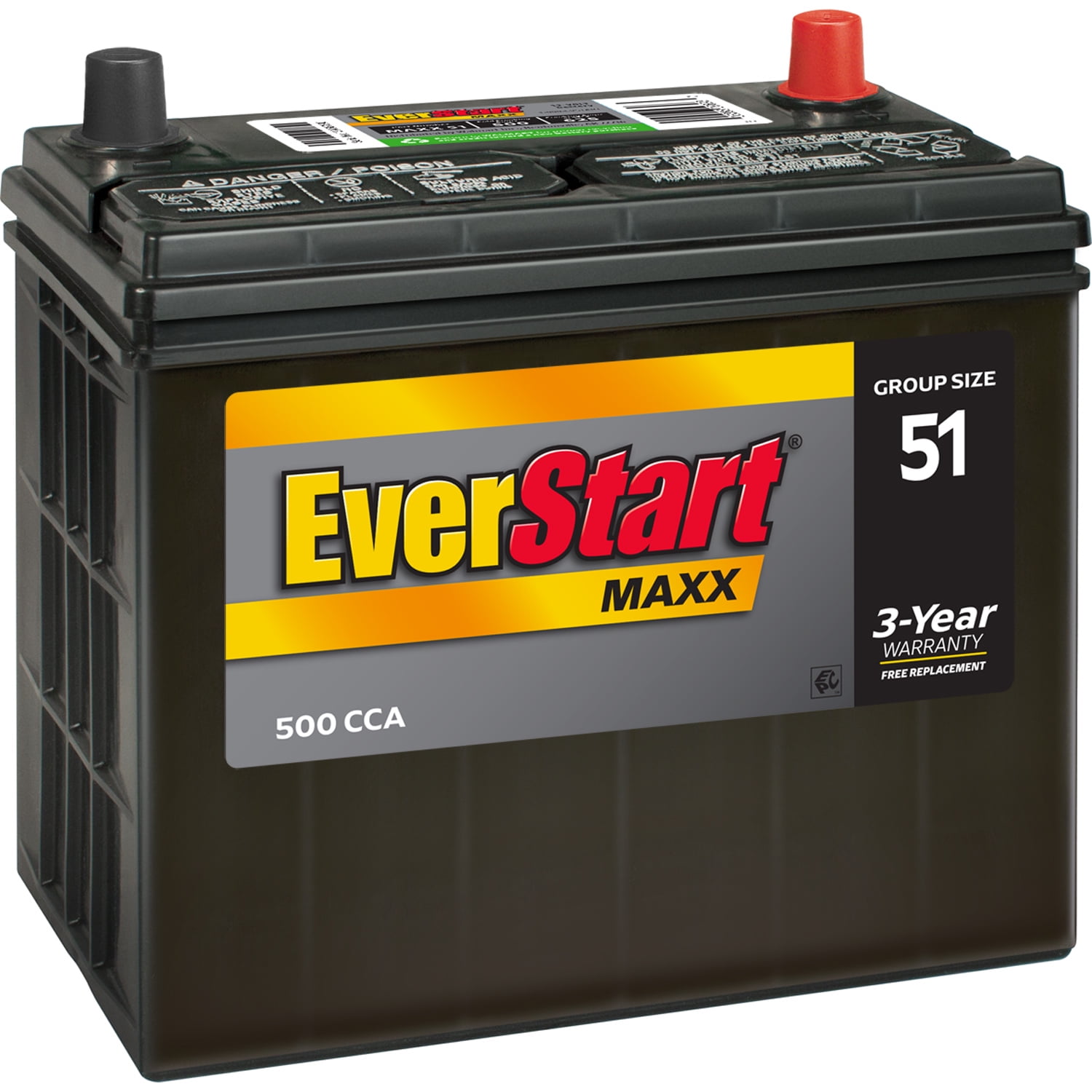
The battery price is only one part of the final bill. To understand how much does a car battery cost, include installation, testing, disposal, taxes, and possible programming.
A typical replacement invoice may include:
• Battery: $80 to $300
• Installation: $20 to $150
• Battery registration: $50 to $150 when required
• Diagnostic testing: Free to $100
• Core charge: Usually $10 to $25, often refunded when you return the old battery
• Sales tax: Based on your state and local rate
A simple replacement might total $100 to $220. A premium AGM battery in a luxury vehicle may bring the total to $400 or more.
When comparing prices, ask whether the quote includes installation and the core charge. A low online price may look attractive until shipping, labor, and programming are added.

How Much Does a Car Battery Cost at Different Sellers?
Where you buy the battery can change both the price and the service you receive.
Auto parts stores
Auto parts stores often sell many brands and sizes. Some offer free battery testing and installation with a qualifying purchase.
Free installation usually has limits. It may not be available when the battery is under a seat, inside a trunk, or difficult to reach. The store may also refuse installation if special programming is needed.
Dealerships
Dealerships usually charge more, but they understand the vehicle’s exact requirements. This can be helpful for luxury cars, hybrids, and vehicles with battery registration.
A dealership replacement may cost $200 to $500. Ask for an itemized estimate before approving the work.
Independent repair shops
Local repair shops often offer a middle-ground price. They may use a trusted aftermarket battery and include testing, installation, and disposal.
A good shop should explain why it recommends a certain battery. Be cautious if someone pushes the most expensive option without checking your vehicle’s needs.
Online retailers
Online sellers may offer lower battery prices. This option works well when you know the exact group size and specifications.
Check shipping rules, return policies, warranty support, and the process for returning the old battery. Lead-acid batteries are heavy, and shipping them back can be inconvenient.
Do You Need a Cheap or Premium Battery?
The least expensive battery is not always the best value. The right choice should match your driving habits and vehicle requirements.
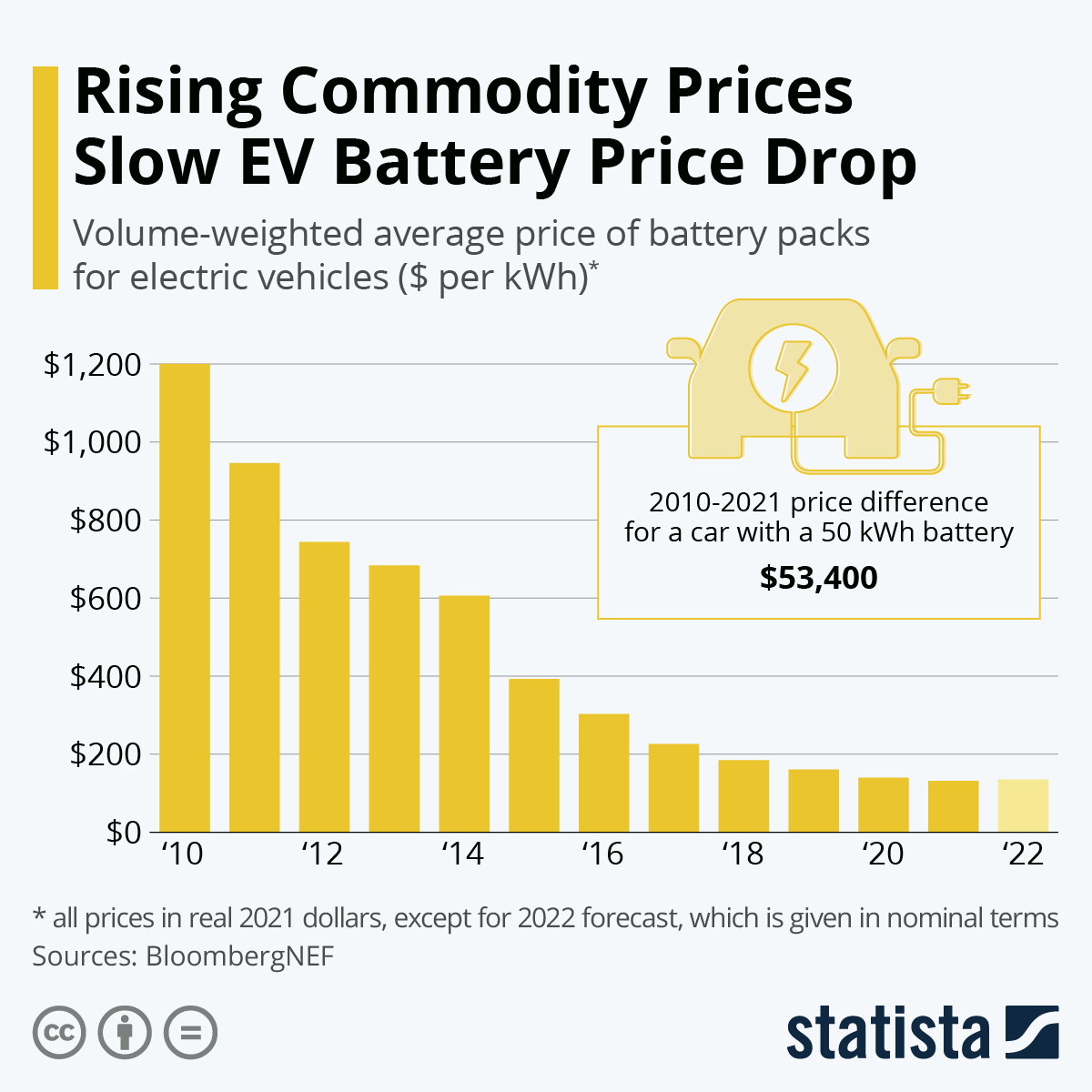
A basic battery may be enough if you drive a simple car in a mild climate. A premium or AGM battery may make more sense if you drive in extreme cold, take short trips, or use many electrical features.
Consider these points:
• Choose the battery type listed in your owner’s manual.
• Match or exceed the required CCA rating.
• Compare the free-replacement warranty.
• Check the production date because batteries lose strength while sitting.
• Avoid paying extra for features your car cannot use.
• Select a stronger design for severe weather or heavy electrical demands.
In my experience, the biggest buying mistake is choosing by price alone. I have seen drivers save $40 at purchase, then replace the battery again much sooner because it was the wrong type or had already sat on a shelf for too long.

Signs You Need a New Car Battery
A weak battery can fail without much warning, but several signs often appear first. These symptoms can also point to a bad alternator or another electrical problem, so testing matters.
Watch for:
• Slow engine cranking
• Clicking when you turn the key
• Dim headlights
• Flickering dashboard lights
• Electrical accessories that work poorly
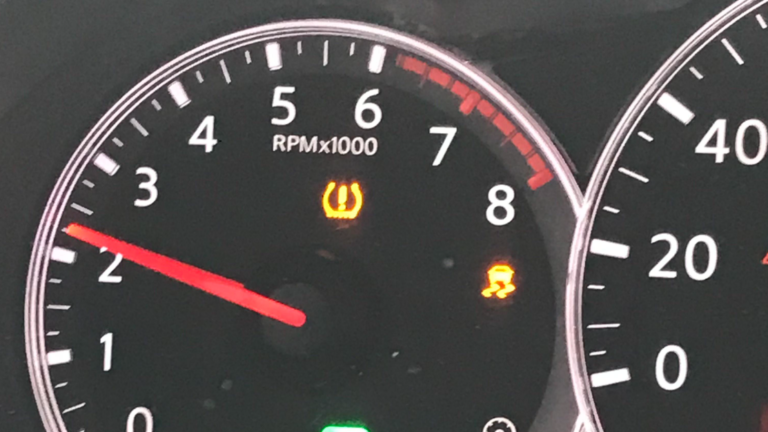
• A battery warning light
• A swollen or cracked battery case
• A rotten-egg smell near the battery
• Frequent jump-starts
Most car batteries last about three to five years. Climate affects this range. Hot weather can speed up corrosion and internal wear, while very cold weather exposes a weak battery quickly.
If the battery is more than three years old and the car cranks slowly, have it tested. A voltage check alone is not enough. A proper load or conductance test gives a better picture of the battery’s starting ability.
How to Save Money on a Car Battery
You can reduce how much does a car battery cost without choosing an unsafe or unsuitable part.
Compare installed prices
Ask at least two or three sellers for a complete quote. Request the battery price, labor, registration, tax, and core-charge details.
A shop with a higher battery price may still offer the lowest total price if installation is included.
Use the warranty wisely
A longer free-replacement period can protect you from early failure. Keep your receipt and warranty paperwork in a safe place.
Some stores can search for your purchase by phone number, but you should not rely on that system alone.
Return the old battery
Many retailers charge a refundable core fee. Returning the old battery can save $10 to $25 and supports proper recycling.
Lead-acid batteries are highly recyclable. The plastic, lead, and other materials can often be recovered for future use.
Check for store promotions
Retailers often offer discounts during holiday sales or seasonal battery events. Membership programs may also reduce the price.
Do not delay replacement too long while waiting for a sale. A dead battery can lead to towing costs, missed work, or a roadside service fee.
Test before replacing
A bad alternator can make a good battery appear weak. A loose cable or corroded terminal can also cause starting trouble.
Have the full starting and charging system tested. Replacing the battery without finding the real problem can waste money.

Can You Replace a Car Battery Yourself?
Many car owners can replace a standard battery with basic tools. The job often takes 15 to 30 minutes, but modern vehicles require extra care.
Before starting, read the owner’s manual and wear eye protection. Turn off the engine, remove the keys, and keep metal tools away from both terminals.
A common replacement process is:
-
Locate the battery and identify the positive and negative terminals.
-
Disconnect the negative cable first.
-
Disconnect the positive cable.
-
Remove the hold-down bracket.
-
Lift out the old battery carefully because it is heavy.
-
Clean light corrosion from the tray and cable ends.
-
Place the new battery in the same position.
-
Secure the hold-down bracket.
-
Connect the positive cable first.
-
Connect the negative cable last.
Do not force a cable onto the wrong terminal. Reversing the connections can damage fuses, computers, and other electrical parts.
Some vehicles lose radio settings, window functions, or safety-system calibration when the battery is disconnected. Others need a memory saver or battery registration tool. If your vehicle has start-stop technology or complex electronics, professional installation may be worth the extra cost.
How Long Does a Car Battery Last?
Most car batteries last three to five years, but there is no guaranteed service life. Heat, vibration, short trips, poor charging, and long periods of storage can shorten battery life.
A battery that starts a car every day may still be weak inside. Starting the engine is like lifting a heavy weight. The battery may manage it many times, then suddenly lose enough strength to fail.
To extend battery life:
• Keep the terminals clean and tight.
• Secure the battery so it does not vibrate.
• Drive long enough for the alternator to recharge it.
• Use a battery maintainer when storing a vehicle.
• Turn off lights and accessories before leaving the car.
• Repair charging-system problems quickly.
If your battery is close to the end of its expected life, replace it before a major trip. Preventive replacement may cost less than a tow and an emergency purchase.
What Happens to Your Old Car Battery?
Do not put a car battery in household trash. Lead-acid batteries contain materials that require proper handling.
Most auto parts stores, repair shops, and recycling centers accept old car batteries. Some retailers give a core refund or store credit when you return one.
Place the old battery upright during transport. Keep it away from children, pets, heat, and loose metal objects. If the case is cracked or leaking, ask a recycling center how to handle it safely.
Recycling also helps recover valuable lead and plastic. This reduces the need for new raw materials and keeps hazardous substances out of soil and water.
Common Mistakes That Increase Battery Costs
Small mistakes can turn a normal replacement into a much larger repair bill.
Avoid these problems:
• Buying the wrong group size
• Ignoring the required AGM specification
• Choosing a battery with too little CCA
• Skipping a charging-system test
• Installing the battery backward
• Forgetting battery registration
• Failing to return the old battery
• Accepting a quote without asking about labor
• Buying a battery with an old production date
• Waiting until the battery fails in an unsafe location
One mistake I have seen often is replacing a battery after a car sits unused for months, then assuming the new battery is defective when it goes flat. Long storage can drain a new battery too. A maintainer or regular charging plan can prevent this problem.
Frequently Asked Questions About How Much Does a Car Battery Cost
How much does a car battery cost for an average car?
An average car battery costs about $80 to $200 before installation. The total price is often $100 to $275, depending on the battery type, labor, taxes, and warranty.
How much does a car battery cost with installation?
A car battery with installation usually costs $100 to $450. Standard cars are often near the lower end, while luxury vehicles and start-stop cars can cost more.
Is an AGM battery worth the extra cost?
An AGM battery can be worth the extra cost when the vehicle requires it or has high electrical demands. Do not replace a standard battery with AGM unless the vehicle and charging system support that battery type.
How often should I replace my car battery?
Most car batteries should last about three to five years. Replace one sooner if it has a swollen case, leaks, cranks slowly, or fails a professional battery test.
Can I install a car battery myself?
You can install many standard batteries yourself if you follow the vehicle manual and use safe procedures. Some modern cars need battery registration, memory settings, or special access, so professional installation may be safer.
Does a dead battery always need replacement?
No. A battery may go dead because of lights left on, a parasitic drain, or a charging problem. Test the battery and alternator before buying a replacement.
Why do car batteries cost more at a dealership?
Dealership prices may include an original-equipment battery, specialized labor, battery registration, and vehicle-specific testing. Ask for an itemized estimate so you can compare it with an independent shop.
Conclusion
The answer to how much does a car battery cost is usually $60 to $300 for the battery alone and about $100 to $450 with installation. Standard batteries are less expensive, while AGM, start-stop, luxury, and specialty batteries cost more.
Focus on the correct group size, CCA rating, battery type, warranty, and total installed price. Test the charging system before replacing the battery, and return the old unit for recycling. Compare complete quotes from trusted sellers, then choose the battery that fits your car and driving needs.