
A car battery charger for a dead battery can safely restore power when the battery is still serviceable.
A dead car battery does not always need replacement. The right charger can bring it back slowly and safely, while also helping you avoid repeated jump-starts. This guide explains how to choose a car battery charger for a dead battery, connect it correctly, charge different battery types, and spot signs that the battery is beyond recovery.
What a Car Battery Charger Does
A car battery charger sends electrical energy into the battery over time. It replaces the power lost during starting, lights being left on, cold weather, or long periods of parking.
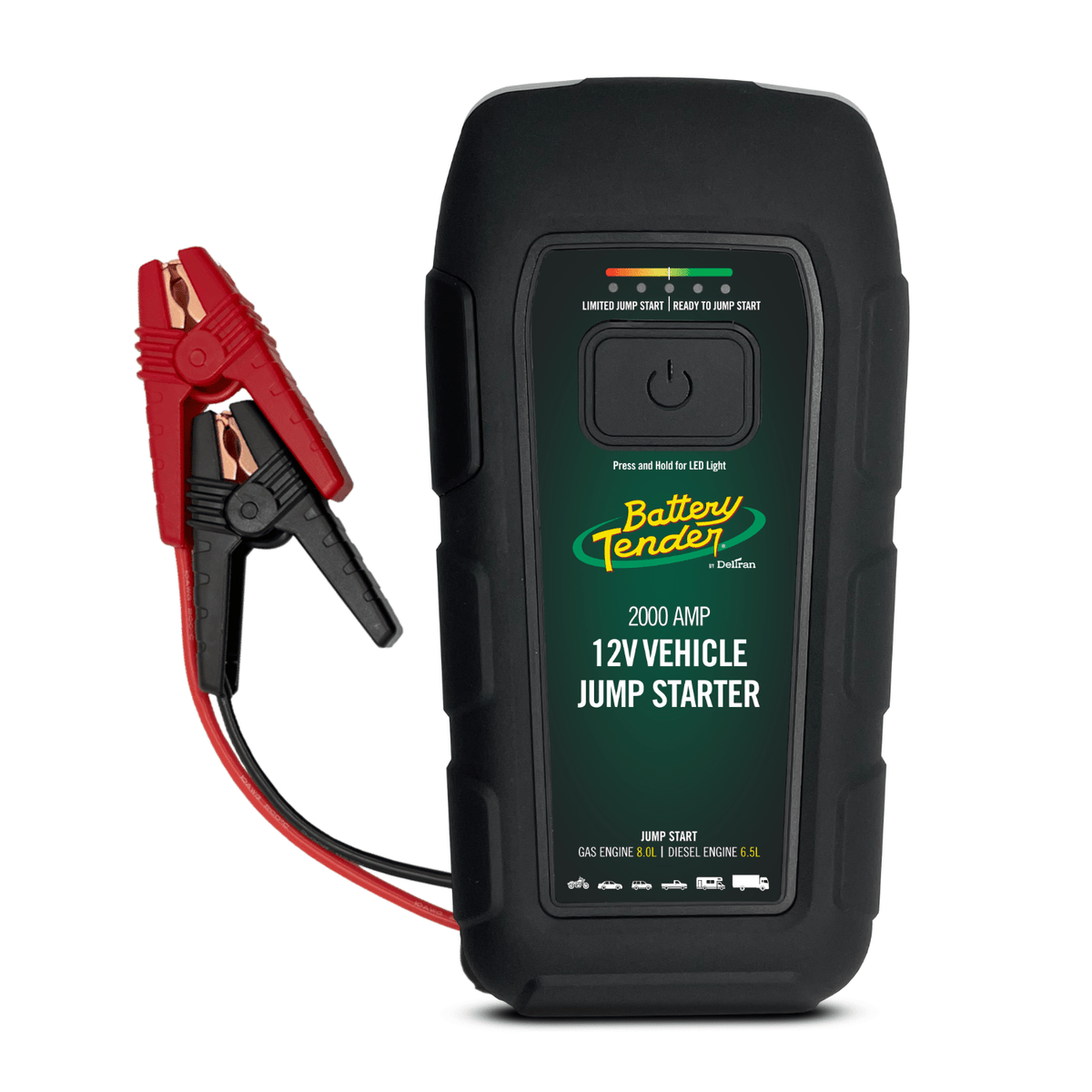
A charger is different from a jump starter. A jump starter gives the engine a quick burst of power. A charger restores the battery over a longer period. Think of a jump starter as a cup of coffee and a charger as a full meal.
A car battery charger for a dead battery may work well when:
• The battery has been discharged by lights or accessories
• The car has not been driven for several weeks
• The battery voltage is low but the battery has no major damage
• You want to maintain a healthy battery during storage
• You need a safer option than repeated jump-starting
Most passenger vehicles use a 12-volt battery. Some motorcycles, lawn equipment, and older vehicles use 6-volt systems. Always check the battery label and charger settings before connecting anything.
Can a Charger Bring a Completely Dead Battery Back?
Sometimes, but not always. A battery that shows a low voltage may still accept a charge. However, a battery with a damaged cell, heavy corrosion, frozen electrolyte, or severe sulfation may not recover.
A healthy, fully charged 12-volt lead-acid battery usually measures about 12.6 to 12.8 volts when the engine is off. A reading near 12.0 volts means the battery is deeply discharged. A reading below about 10.5 volts can suggest a failed cell, although a smart charger and a proper battery test are needed before making a final judgment.
A car battery charger for a dead battery may refuse to start if the voltage is extremely low. This is a safety feature on many smart chargers. Some chargers have a manual or recovery mode, but that mode requires extra care because it may increase the risk of overcharging.
The battery may need replacement if:
• It swells, leaks, cracks, or smells strongly of sulfur
• It becomes hot during charging
• It loses power soon after a full charge
• It cannot hold a charge overnight
• It is more than three to five years old and shows repeated problems
• A load test shows weak starting power
Do not try to charge a frozen battery. Let it warm to room temperature first and inspect it for cracks. Charging a damaged or frozen battery can create a fire or explosion risk.
Types of Car Battery Chargers
Choosing the right charger is easier when you know what each type does. The best car battery charger for a dead battery depends on the battery size, battery chemistry, and time available.
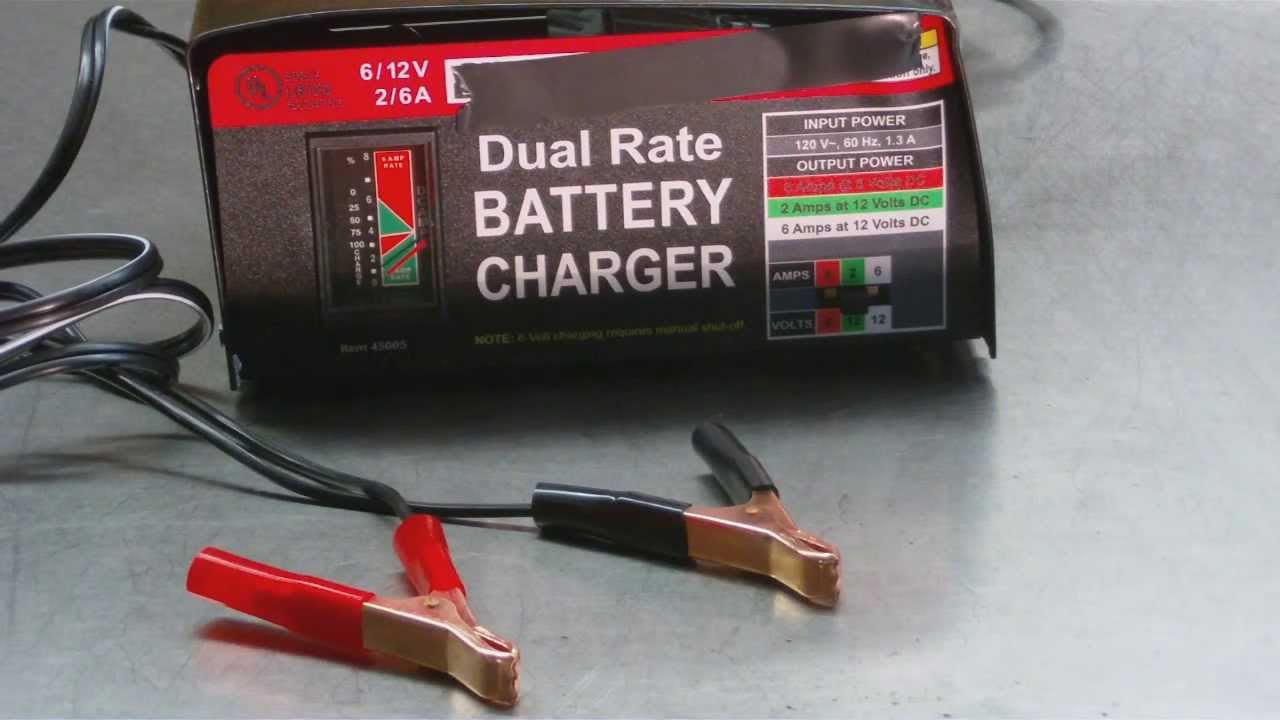
Smart battery charger
A smart charger checks voltage and changes its charging rate as the battery fills. It may move through bulk, absorption, and maintenance stages.
This type is often the best choice for everyday drivers. It reduces the risk of overcharging and may stop or switch to a maintenance mode when the battery reaches full charge.
Trickle charger
A trickle charger sends a small, steady current. Older models may continue charging even after the battery is full, so they must be monitored.
A modern automatic trickle charger is safer for long-term storage. It is useful for seasonal vehicles, classic cars, boats, and motorcycles.
Battery maintainer
A maintainer is designed to keep a charged battery at the correct level. It is not always powerful enough to recover a deeply dead battery.
Use a maintainer after charging the battery fully. This can help prevent discharge when a vehicle sits for weeks.
Manual charger
A manual charger lets the user control the charging rate. It can charge a deeply discharged battery, but it requires close attention.
You must disconnect a manual charger when the battery is full. Leaving it connected too long can cause overheating, water loss, and battery damage.
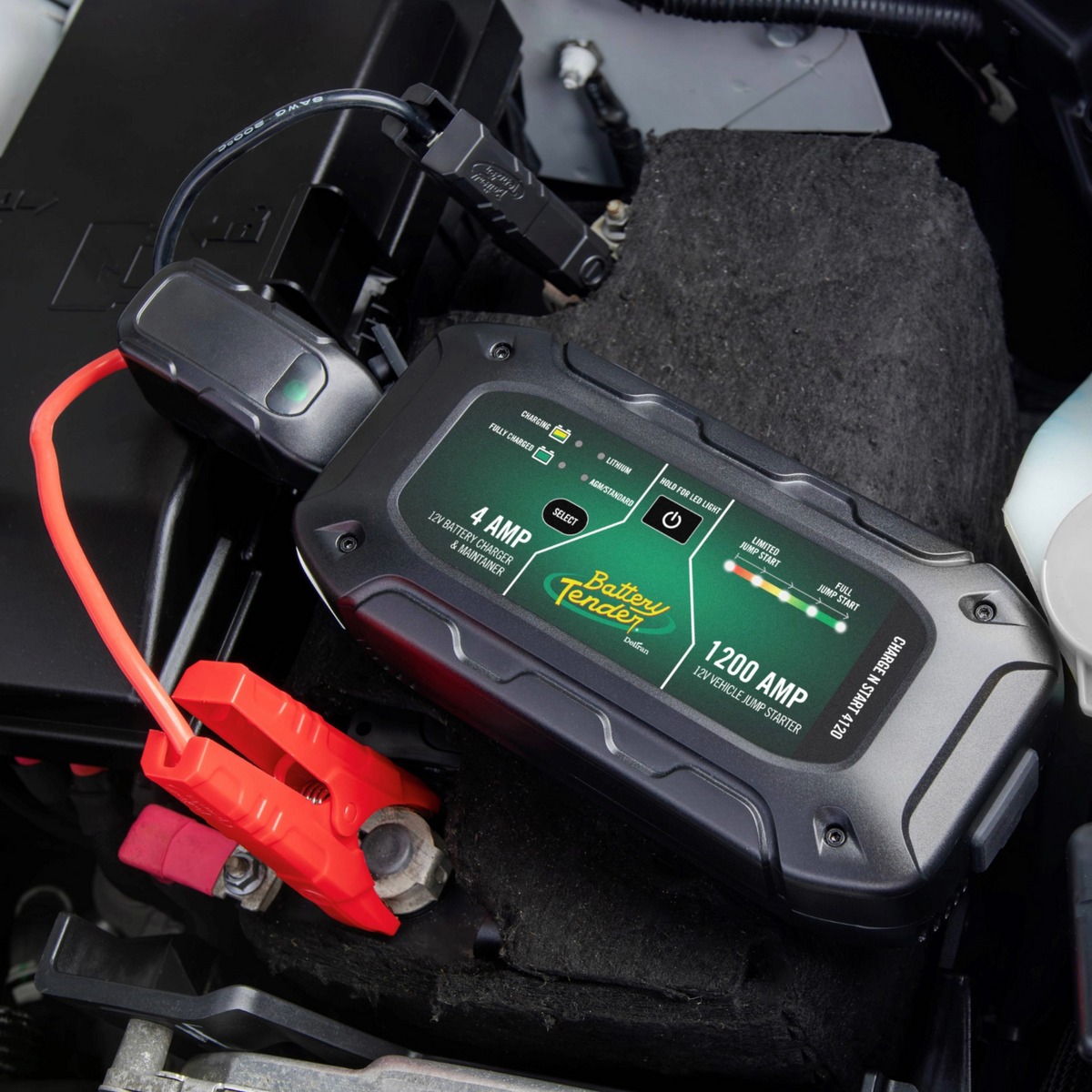
Jump starter with charging function
Some portable jump starters include a small charging feature. They are helpful in emergencies, but their charging function may be slow.
A jump starter is best for starting the car when you need to drive immediately. A dedicated car battery charger for a dead battery is usually better for full recovery.

How to Choose a Car Battery Charger for a Dead Battery
Start with the battery label. Look for its voltage, type, and capacity. Common battery types include flooded lead-acid, AGM, and gel batteries.
Check the voltage
A standard car battery is usually 12 volts. The charger must match the battery voltage.
Never connect a 24-volt charger to a 12-volt car battery. The extra voltage can damage the battery and the vehicle’s electrical system.
Match the battery chemistry
Many chargers have settings for:
• Standard flooded lead-acid batteries
• AGM batteries
• Gel batteries
• Lithium iron phosphate batteries
AGM and gel batteries need suitable charging profiles. A basic charger made only for flooded batteries may not be the right choice for them.
Lithium batteries require a charger designed for lithium chemistry. Do not use a regular lead-acid charger unless the battery maker clearly approves it.
Select the charging rate
A charger’s output is measured in amps. A low amp setting is gentle and useful for overnight charging. A higher amp setting charges faster but creates more heat.
For many passenger cars:
• 1 to 2 amps work well for maintenance
• 4 to 8 amps suit normal overnight charging
• 10 amps or more can provide faster charging when the charger and battery support it
A lower charging rate is often better for a deeply discharged battery. Fast charging is convenient, but it is not always the best choice for battery life.
Look for safety features
Useful features include:
• Reverse-polarity protection
• Short-circuit protection
• Automatic shutoff
• Overcharge protection
• Temperature monitoring
• Spark-resistant connection
• Digital voltage or charging display
• AGM and gel battery modes
A trusted charger should have recognized electrical safety certification for your region. Avoid chargers with unclear labels, damaged cables, or poor instructions.
How to Use a Car Battery Charger Safely
Read the charger and vehicle manuals first. Park outdoors or in a well-ventilated space. Lead-acid batteries can release hydrogen gas while charging, and hydrogen can ignite.
Follow these steps:
-
Turn off the vehicle and remove the key. Switch off lights, the radio, climate controls, and other accessories.
-
Inspect the battery. Do not charge it if the case is cracked, leaking, badly swollen, or frozen.
-
Place the charger on a dry, stable surface. Keep it away from water, fuel, and hot engine parts.
-
Make sure the charger is turned off and unplugged.
-
Connect the red positive clamp to the battery’s positive terminal. It is usually marked with a plus sign.
-
Connect the black negative clamp to the negative terminal or to a clean, unpainted metal ground point recommended by the vehicle manual.
-
Plug in the charger and select the correct voltage, battery type, and charging rate.
-
Let the charger complete its cycle. Do not keep checking by removing clamps while power is flowing.
-
Turn off and unplug the charger before disconnecting the clamps.
-
Remove the black clamp first, then remove the red clamp.
-
Start the vehicle and check whether it starts normally. If possible, measure the battery after it rests for several hours.
Some modern vehicles have special charging points or battery monitoring systems. Follow the manufacturer’s instructions, especially on vehicles with start-stop systems or batteries located in the trunk.

How Long Does It Take to Charge a Dead Car Battery?
Charging time depends on battery size, battery condition, charger output, and how empty the battery is.
A rough estimate is:
Charging time = battery capacity in amp-hours ÷ charger output in amps
For example, a 60 amp-hour battery charged at 6 amps may need about 10 hours in ideal conditions. Real charging often takes longer because the charger reduces current near full capacity.
Typical charging times include:
• 1 to 2 amps: 24 to 48 hours or more
• 4 to 6 amps: 8 to 16 hours
• 8 to 10 amps: 4 to 10 hours
• 20 amps or more: Several hours, depending on battery condition
These figures are estimates, not guarantees. A weak battery may never reach full charge. A smart car battery charger for a dead battery may show a full reading even when the battery cannot hold energy for long.
After charging, let the battery rest for a few hours. Then check its voltage or have an auto parts store perform a free battery test. A resting voltage near 12.6 volts is a good sign, but a load test gives better information about starting ability.
Charging a Battery Without Removing It
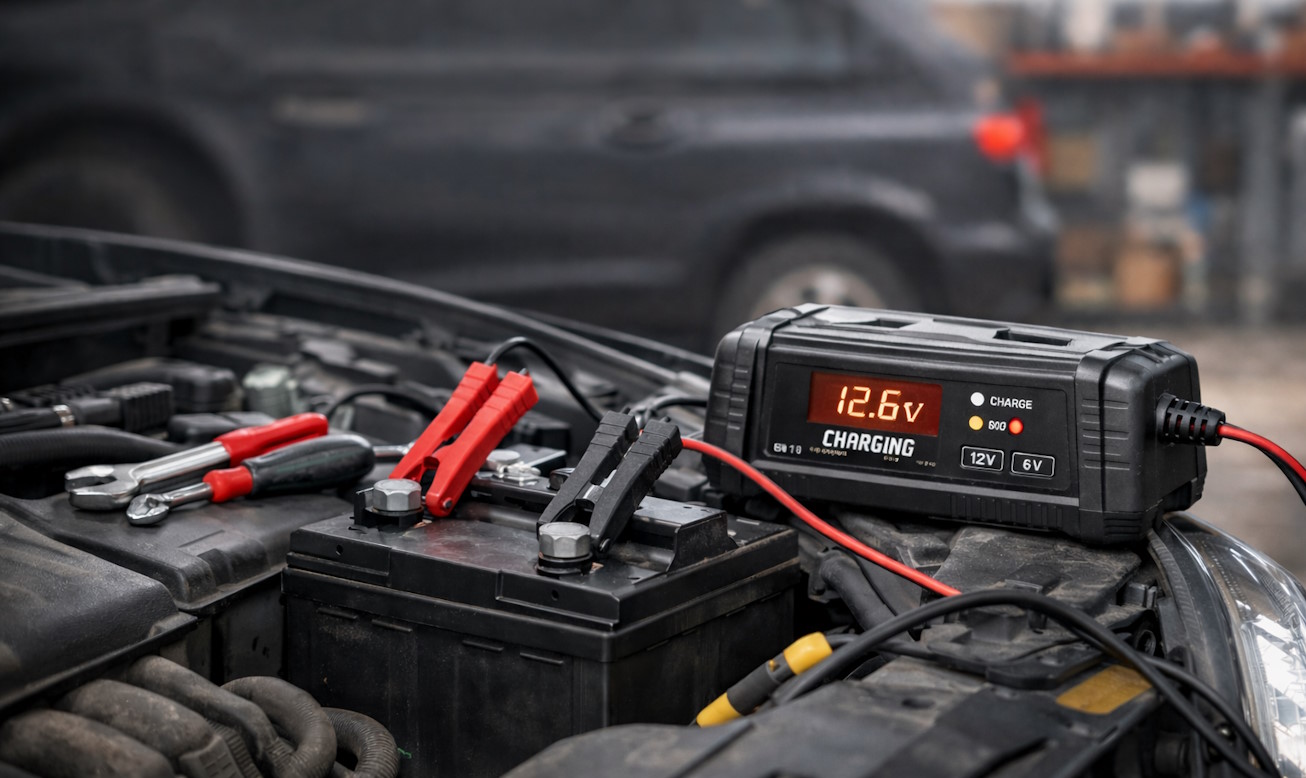
In many vehicles, you can charge the battery while it remains installed. This is convenient and often works well.
Connect the clamps carefully and keep the charger away from moving belts, fans, and hot exhaust parts. Some manufacturers recommend using a remote positive terminal and a chassis ground instead of connecting directly to the battery posts.
Removing the battery may be better when:
• The battery is in a tight or unsafe location
• The vehicle manual requires removal
• The battery needs cleaning or inspection
• You are charging it in a warmer, ventilated area
• The battery is leaking or damaged
Modern vehicles contain sensitive electronic systems. Do not disconnect the battery without checking whether the vehicle needs a radio code, window reset, or other electronic relearn procedure.
Common Mistakes to Avoid
Small mistakes can damage a charger, battery, or vehicle. The most common error is reversing the positive and negative clamps.
Avoid these problems:
• Using a 24-volt charger on a 12-volt battery
• Choosing the wrong AGM, gel, or lithium setting
• Charging a cracked, leaking, or frozen battery
• Placing the charger on top of the battery
• Smoking or creating sparks near the battery
• Leaving a manual charger connected overnight
• Using damaged cables or loose clamps
• Charging in a sealed room with poor airflow
• Assuming a full display means the battery is healthy
• Repeatedly jump-starting without finding the cause of discharge
I have seen many drivers replace a battery when the real problem was a loose terminal or a failing alternator. Before buying a new battery, clean corrosion from the terminals, tighten the connections, and test the charging system. With the engine running, many vehicles should show roughly 13.7 to 14.7 volts at the battery, though the exact range varies by vehicle and charging system.
What If the Battery Dies Again?
A battery that goes dead again may have a deeper problem. The battery could be old, or the alternator may not be charging it correctly.
Other possible causes include:
• A light that stays on
• A faulty door or trunk switch
• An aftermarket alarm or stereo
• A parasitic electrical drain
• Loose or corroded battery cables
• A weak alternator or drive belt
• Very short trips that never replace starting power
• Extreme heat or cold
A car battery charger for a dead battery treats the symptom, not always the cause. If the battery dies within a day or two after charging, test both the battery and the vehicle’s electrical system.
Cold weather reduces battery performance. Heat can also shorten battery life by speeding up internal wear. Keeping terminals clean and securing the battery properly can help, but no charger can repair a battery with internal damage.
Battery Charger vs. Jump Starter
A charger and a jump starter serve different purposes.
Choose a charger when:
• You have several hours to restore the battery
• You want to recharge the battery fully
• The car will be stored for a long period
• You want automatic maintenance charging
• You need to diagnose whether the battery can hold power
Choose a jump starter when:
• You need to start the car right away
• You are stranded away from home
• The battery is too low for a smart charger to detect
• You want a portable emergency tool
A jump-started vehicle should still be driven or charged properly afterward. Driving for a short time may not fully restore the battery, especially if the battery was deeply discharged.
Practical Tips for Better Results
A few simple habits make charging safer and more effective.
• Charge before the battery becomes completely flat. A partially discharged battery is easier to recover.
• Use a low or medium setting when time allows. Slow charging is gentle and creates less heat.
• Keep the battery terminals clean. Corrosion can reduce current flow and make a good battery appear weak.
• Use a maintainer for vehicles stored over winter. Check the manufacturer’s instructions before leaving it connected.
• Test the battery after charging. A voltage check is useful, but a load test is more reliable.
• Keep a portable jump starter in the vehicle. It can help when a charger is not available.
• Replace the battery when testing shows a failed cell or poor reserve capacity. Charging a worn-out battery only delays the problem.
One lesson worth remembering is simple: do not judge a battery by one successful start. A weak battery may start the car today and fail tomorrow morning. Test its ability to hold a charge before trusting it on a long trip.
Frequently Asked Questions About a Car Battery Charger for a Dead Battery
Can I charge a completely dead car battery?
Yes, a charger may recover it if the battery is discharged but still structurally sound. If the battery has a failed cell, a crack, severe swelling, or cannot hold voltage, replacement is usually necessary.
How long should I leave a car battery charger connected?
Charging may take four to 24 hours, depending on the battery size and charger output. A smart charger can usually remain connected until its display shows full, while a manual charger should be monitored closely.
Should I disconnect the battery before charging it?
Many vehicles can be charged with the battery installed. Check the vehicle manual because some models require specific connection points or battery removal.
Can a car battery charger start a car immediately?
Most chargers are not designed to start an engine instantly. A jump starter or a charger with an engine-start mode is better for immediate starting, but the battery should still be charged afterward.
Is it safe to charge a car battery overnight?
It is generally safer with an automatic smart charger that has overcharge protection. Do not leave a manual charger unattended overnight, and never charge a damaged or frozen battery.
Why does my charger say “full” but the car will not start?
The battery may have a failed cell, poor terminal connection, or not enough starting power. The vehicle may also have a starter, alternator, or electrical problem, so a battery load test and charging-system test can help.
Can I use a trickle charger on an AGM battery?
Use a trickle charger only if it has an AGM setting or the battery maker approves it. AGM batteries need the correct charging voltage and profile to prevent undercharging or damage.
Conclusion
A car battery charger for a dead battery can restore power safely when the battery is still healthy enough to recover. Choose a charger that matches the battery’s voltage and chemistry, use the correct connection order, and always charge in a well-ventilated area.
Do not ignore repeated battery failures. Test the battery, alternator, cables, and possible electrical drains before buying replacement parts. Choose a smart charger for regular use, keep a jump starter for emergencies, and follow the vehicle and charger manuals every time.
Use these steps to make a safer choice, and explore more battery maintenance guides or share your charging experience in the comments.