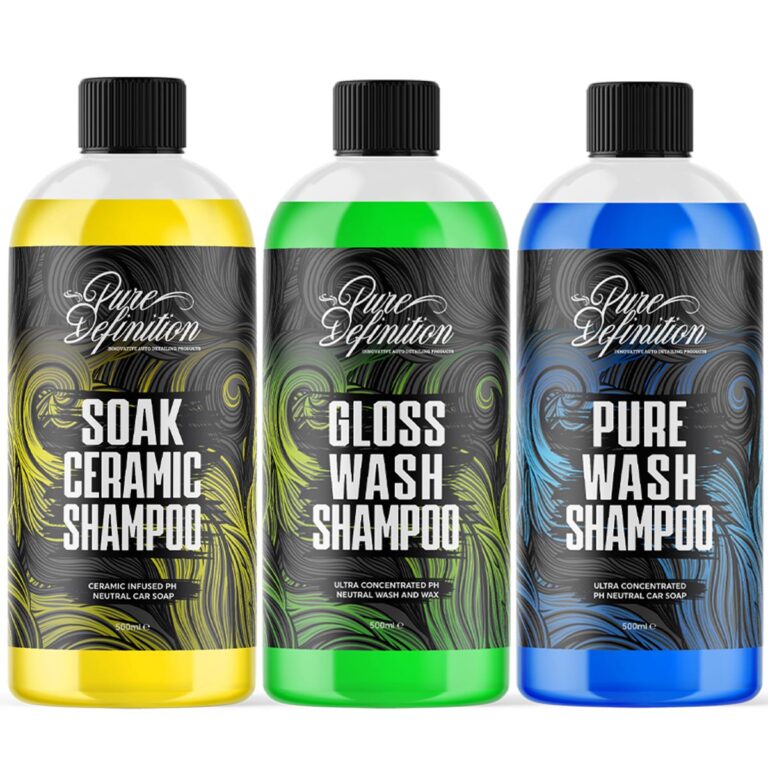
Yes, you can use car shampoo in a pressure washer only when the shampoo is labeled for pressure washers, foam cannons, or pressure washer detergent systems. Do not pour ordinary bucket-wash soap into the machine without checking the pressure washer manual and the soap label first.
The wrong product can create too much foam, clog the detergent line, damage seals, or leave a film on your paint. In the United States, the safest choice is a mild, pH-balanced car wash soap made for pressure washer use.

What Kind of Car Shampoo Can Go in a Pressure Washer?
Use a pressure washer-safe car shampoo that is made for one of these systems:
- A pressure washer detergent tank
- A downstream injector
- A foam cannon or foam lance
- A low-pressure detergent nozzle
A standard car shampoo made for hand washing may work in a foam cannon after proper dilution, but it is not automatically safe for every pressure washer. The label should give clear directions for machine use.
Avoid products that contain:
- Wax or polish particles
- Abrasive compounds
- Strong solvents
- Bleach
- Ammonia
- Acid
- Heavy degreasers
- Chlorine
- Undiluted household dish soap
Dish soap may remove grease, but it can also strip protective wax and dry rubber or plastic parts. Some household cleaners can also harm automotive paint, trim, or the pressure washer itself.
Car shampoo versus pressure washer detergent
These terms can describe different products:
| Product | Typical use | Pressure washer use |
|---|---|---|
| Car wash shampoo | Hand washing with a bucket | Use only if the label permits it |
| Pressure washer car soap | Low-pressure machine washing | Usually suitable when used as directed |
| Foam cannon soap | Thick foam through a foam cannon | Suitable for compatible foam cannons |
| Traffic film remover | Removing road grime and film | Use with caution; may be stronger than car shampoo |
| Household cleaner | General cleaning | Usually not suitable for vehicles or pressure washers |
The key issue is not the word “shampoo.” The key issue is the product’s chemical formula, dilution rate, and intended application method.
How a Pressure Washer Uses Car Shampoo
Most pressure washers do not mix soap into the high-pressure water stream in the same way. They usually use one of two systems.
1. Built-in detergent tank
Many electric pressure washers have a small detergent tank. The machine pulls diluted soap into the water stream through a low-pressure setting or special nozzle.
This system often works only when:
- The correct detergent nozzle is installed
- The spray wand is set to low pressure
- The detergent tube is fully connected
- The soap is diluted according to the manual
If you use a high-pressure nozzle, the detergent system may stop drawing soap.
2. Downstream injector
A downstream injector sits after the pressure washer pump. It draws detergent into the water stream when the machine operates at low pressure.
This method is common on some gas pressure washers. The injector may need a special nozzle or wide spray tip to create enough suction.
A downstream injector generally dilutes the soap with water before it reaches the vehicle. The final mixture may be much weaker than the liquid in the soap bottle.
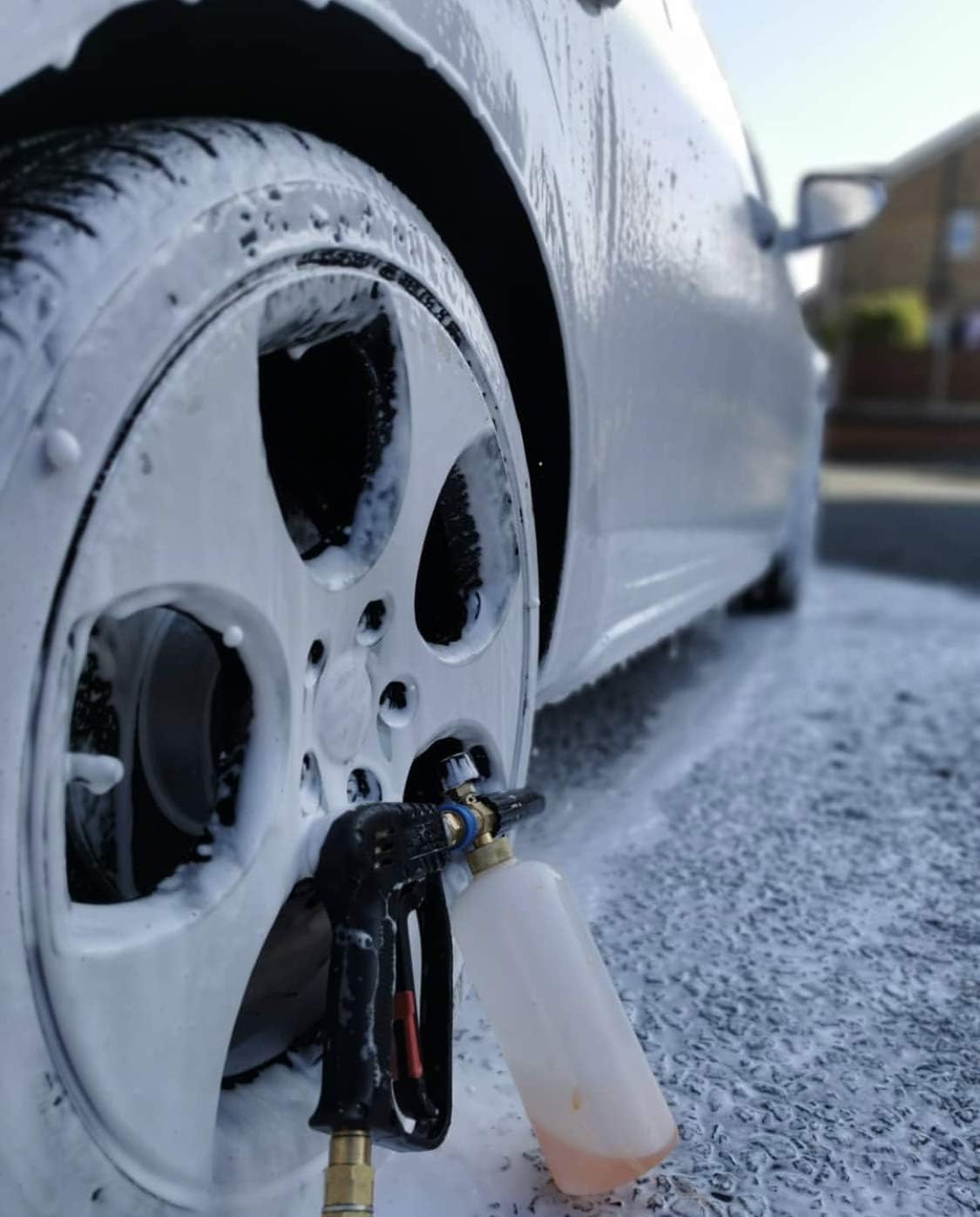
3. Foam cannon
a foam cannon attaches to the pressure washer wand or spray gun. It mixes pressure washer water, air, and soap to make thick foam.
Foam cannons often need:
- The correct adapter for the pressure washer
- A suitable pressure and flow rate
- A soap mixture made for foam cannons
- The dilution ratio printed on the product label
Thick foam does not always mean better cleaning. Foam helps hold soap on the surface, but loose dirt still needs to be rinsed away.

How to Use Car Shampoo in a Pressure Washer
Follow these steps when the product and pressure washer are compatible.
1. Read both labels
Check the pressure washer manual and the car shampoo label. Look for:
- Approved detergent types
- Dilution instructions
- Compatible detergent systems
- Required nozzles
- Warnings about paint, trim, or surfaces
If the manual says to use only a specific detergent type, follow that instruction.
2. Inspect the pressure washer
Before adding soap, check the:
- Detergent tube
- Filter or pickup screen
- Tank cap
- Spray wand
- Nozzle
- Foam cannon adapter
Remove dirt or dried soap from the pickup tube. A blocked filter can make a working detergent system appear faulty.
3. Dilute the shampoo
Use the dilution rate on the shampoo label. Do not guess based on how thick the soap looks.
For example, a hypothetical label may call for 1 part soap to 10 parts water. For a 32-ounce container:
- 32 ounces ÷ 11 total parts = about 2.9 ounces of soap
- The remaining amount is about 29.1 ounces of water
This is only an example. Use the actual ratio printed on your product.
Some pressure washer tanks are designed for concentrated detergent. Others require premixed soap. Adding concentrated soap to the wrong system can cause excess foam or poor suction.
4. Rinse the vehicle first
Use clean water to remove loose sand, dust, and grit. This step lowers the risk of dragging abrasive dirt across the paint.
Keep the spray wand moving. Do not aim a strong jet at a close range.
5. Apply the soap at low pressure
Apply the solution from the bottom of the vehicle upward if the product instructions allow it. This can help you see which areas are covered.
Do not let the soap dry. Work in the shade when possible, especially on hot days or dark paint.
6. Allow short dwell time
Let the soap sit long enough to loosen dirt, but do not allow it to dry. Many products need only a few minutes.
Longer dwell time is not always better. Heat, direct sun, and strong chemicals can increase the chance of spots or surface damage.
7. Rinse from top to bottom
Use clean water and rinse the roof, windows, hood, doors, wheels, and lower panels in an orderly way.
A wide spray pattern is safer for vehicle paint than a narrow, concentrated jet. Hold the nozzle far enough away to prevent damage, and increase pressure only when the surface and nozzle distance allow it.
8. Flush the detergent system
After washing, run clean water through the detergent line. This helps remove leftover soap from the tube, injector, pump path, or foam cannon.
Cleaning the system after each use can help prevent dried soap from blocking small passages.
Can You Put Car Shampoo Directly in the Pressure Washer Tank?
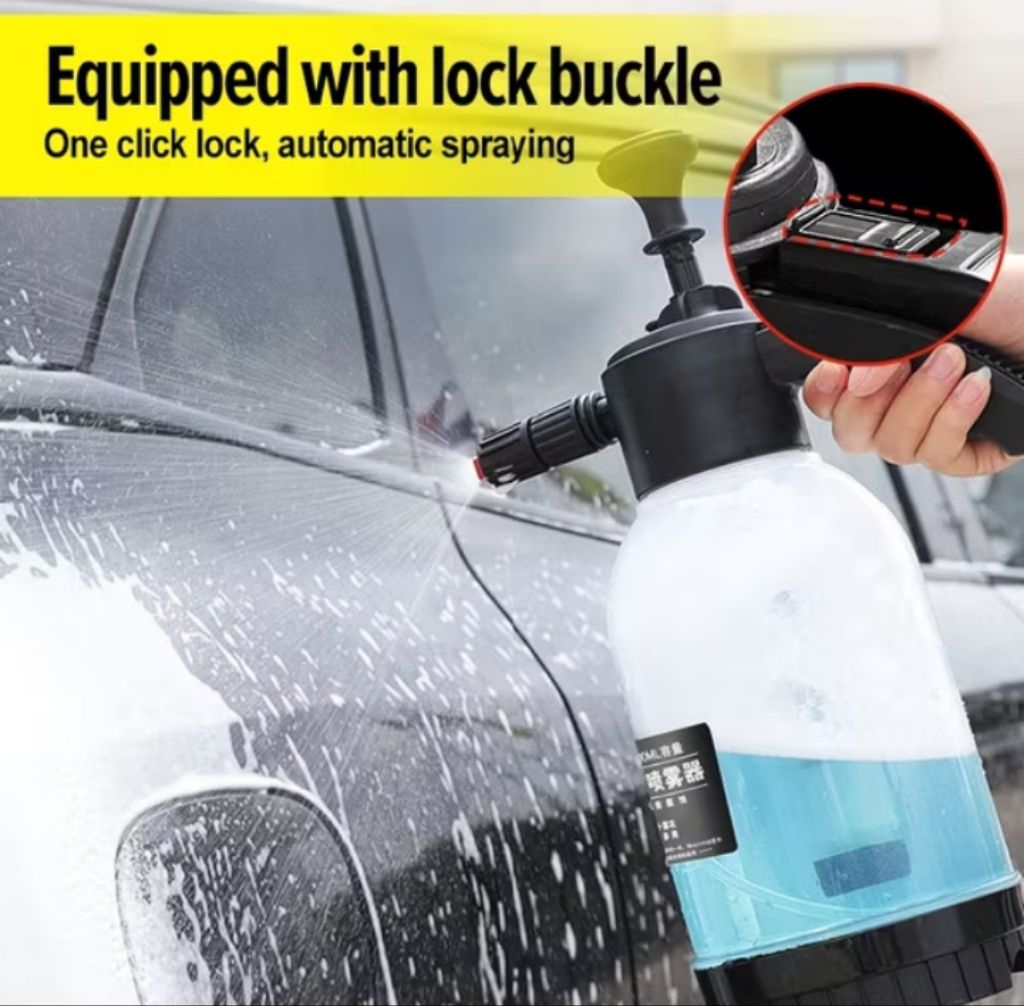
Only put shampoo directly into a pressure washer tank when the manual says the tank is designed for that type of detergent.
Some tanks accept concentrated detergent. Others require a diluted mixture. A few pressure washers use a separate bottle or detergent tube rather than a tank.
Do not assume that a large tank is a universal soap container. The tank may connect to a metering system that expects a specific viscosity or concentration.
What happens if the soap is too thick?
Thick soap may:
- Fail to move through the pickup tube
- Create weak or uneven suction
- Block the filter
- Produce excessive foam
- Leave residue inside the detergent system
If the label does not give pressure washer instructions, use a separate bucket and wash mitt instead of guessing.
Can you mix different car shampoos?
It is best not to mix products. Different formulas may react poorly or produce unstable foam.
Never mix car shampoo with:
- Bleach
- Ammonia
- Acid cleaners
- Solvent-based products
- Strong wheel cleaners
- Other chemical concentrates
Use one compatible product at a time and flush the system before changing detergents.

Is a Pressure Washer Safe for Car Paint?
A pressure washer can be safe for car paint when used with the right nozzle, distance, pressure, and technique. The risk comes from concentrated water force, not just from the soap.
Paint damage is more likely when you:
- Use a narrow zero-degree nozzle
- Spray too close to the surface
- Hold the spray in one place
- Aim at loose paint or damaged clear coat
- Spray directly into door seals, badges, sensors, or electrical parts
- Use a strong cleaner on a sensitive finish
Start with a wider spray pattern and a greater distance. Move closer only if the surface and equipment allow it.
A pressure washer also cannot replace safe contact washing. If dirt remains after the pre-rinse and soap stage, use a clean wash mitt with proper lubrication. Do not use the pressure washer alone as a reason to scrub harder.

Best Pressure Washer Settings for Car Washing
There is no single safe pressure setting for every vehicle or machine. Pressure at the spray tip changes with the nozzle, distance, flow rate, and equipment.
Use these general principles:
| Task | Suggested approach |
|---|---|
| Pre-rinse | Wide spray pattern and moderate distance |
| Soap application | Low-pressure detergent setting |
| Wheel cleaning | Use a product labeled for the wheel finish |
| Final rinse | Wide fan pattern, steady movement |
| Badges and trim | Lower force and extra distance |
| Loose or damaged paint | Avoid concentrated spray |
A gas pressure washer may produce more force than needed for routine car washing. If you use one, choose a gentle nozzle and keep the wand well away from the paint.
Never use a zero-degree nozzle on automotive paint, glass, tires, rubber seals, or trim.
Why Is My Pressure Washer Not Drawing Car Shampoo?
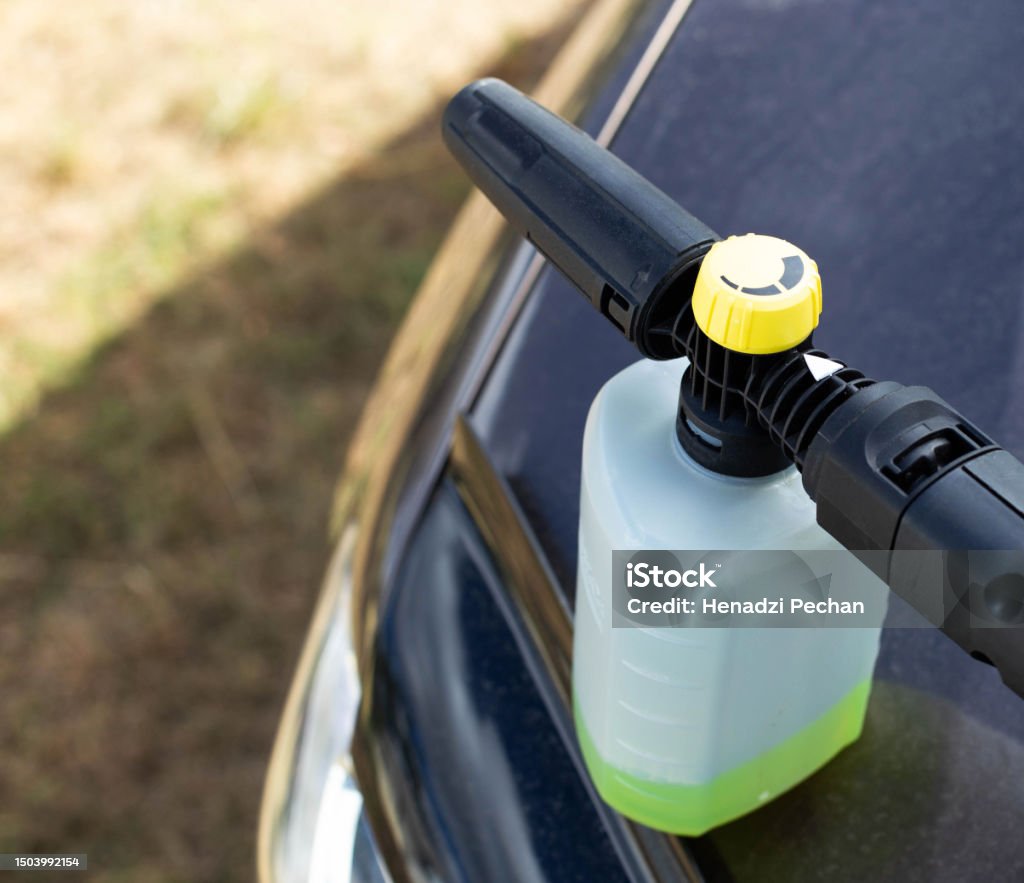
If the pressure washer applies water but not soap, check the system in this order.
The wrong nozzle is installed
Many detergent systems draw soap only through a low-pressure nozzle. Install the nozzle listed in the manual.
The detergent tube is loose
A loose connection can let air enter the line. Make sure the tube is firmly attached at both ends.
The filter is blocked
Remove and rinse the small filter at the end of the detergent tube. Dried soap, dirt, or wax can restrict flow.
The shampoo is too thick
Dilute the product according to the label. Do not add random amounts of water if the manufacturer provides a mixing ratio.
The line contains air
Some systems need a short period of water flow before they begin drawing detergent. Follow the manual’s priming instructions.
The machine is operating at high pressure
A detergent injector may not work at high pressure. Switch to the correct low-pressure setting.
The product is not compatible
Some machines cannot use certain soap types through the built-in tank. In that case, use a compatible foam cannon or a bucket wash.
Stop using the system if the pump makes unusual sounds, the detergent leaks, or the machine loses pressure. Disconnect power before inspecting an electric pressure washer.

Common Mistakes to Avoid
The most common mistake is treating every car shampoo as pressure washer detergent. A product made for a bucket may not have the right concentration or chemistry for a machine.
Avoid these errors:
- Using undiluted shampoo without reading the label.
- Putting soap into the wrong tank or opening.
- Using dish soap on a vehicle with wax or sealant.
- Applying soap in direct heat and letting it dry.
- Using a strong wheel cleaner on the whole vehicle.
- Using a narrow nozzle close to the paint.
- Skipping the plain-water flush after washing.
- Mixing several cleaning chemicals.
- Assuming thick foam proves better cleaning.
- Ignoring the pressure washer manufacturer’s instructions.
The safest rule is simple: if the label does not clearly approve pressure washer use, do not put the product in the machine.

Car Shampoo or Foam Cannon Soap: Which Should You Use?
Choose based on the equipment and the job.
- Use pressure washer detergent for a built-in tank or downstream injector.
- Use foam cannon soap for a compatible foam cannon.
- Use regular car shampoo in a bucket unless its label also approves machine use.
- Use wheel cleaner only on the wheel surfaces and finishes listed on its label.
- Use a degreaser only for suitable areas and only at the stated dilution.
A bucket wash may be the better option when you have a small electric pressure washer, no detergent system, or no compatible foam attachment. It also gives you more control over the soap concentration.

Frequently Asked Questions
Can I use Meguiar’s or another regular car shampoo in a pressure washer?
Only if the specific product label or manufacturer instructions allow pressure washer or foam cannon use. Product formulas vary, so do not assume that every shampoo from the same brand is compatible.
Can I use dish soap in a pressure washer to wash my car?
It is not the preferred choice. Dish soap may remove protective wax and can leave a residue. Use a car shampoo made for automotive paint and the pressure washer system.
Does a pressure washer need special soap?
A pressure washer needs a detergent that is compatible with its soap-delivery system. It does not always need a special brand, but the product must match the machine, surface, and application method.
Can I use a pressure washer without soap?
Yes. Water alone can remove loose dust, mud, and salt. Soap helps loosen oily film and road grime, but it is not required for every rinse.
Should I use hot or cold water with car shampoo?
Use the water temperature allowed by both the pressure washer and the shampoo label. Avoid hot water on vehicle surfaces unless the product and equipment specifically support it. Heat can make soap dry faster and may increase the chance of spots.
How often should I clean the pressure washer detergent line?
Flush it with clean water after each use. If the machine has been stored with soap inside, inspect the tube and filter before the next wash.

Key Takeaways
- You can use car shampoo in a pressure washer only when the product is approved for that use.
- Check both the shampoo label and the pressure washer manual.
- Use the correct low-pressure nozzle, detergent tank, injector, or foam cannon.
- Dilute the product exactly as directed.
- Rinse the vehicle first and never let soap dry on the paint.
- Avoid dish soap, bleach, solvents, abrasives, and mixed chemicals.
- Flush the detergent system with clean water after washing.
- If the product is not clearly compatible, use it in a bucket instead.
Conclusion
The safest answer to “Can I put car shampoo in a pressure washer?” is yes, but only with a compatible product and detergent system. A pressure washer-safe car shampoo can make vehicle washing faster, but the wrong soap can clog the machine or harm the vehicle’s finish.
Before you begin, read the manual, confirm the soap label, dilute the product correctly, use low pressure for application, and rinse the system afterward. If compatibility is unclear, keep the shampoo in a bucket and use the pressure washer for the pre-rinse and final rinse.