A car battery group size identifies the battery’s physical dimensions, terminal layout, and fit for a specific vehicle.
Understanding what is a car battery group size helps you choose a battery that fits safely and delivers the power your vehicle needs. The group number is not a measure of battery strength alone. It works more like a battery’s “shoe size,” guiding you toward the correct case shape, terminal position, and mounting fit. This guide explains how battery group sizes work, how to find yours, and which mistakes to avoid.
What Is a Car Battery Group Size?
A car battery group size is a standardized code that describes a battery’s external dimensions and terminal arrangement. In the United States, the Battery Council International, often called BCI, assigns many of these group numbers.
For example, common battery group sizes include 24F, 35, 48, 49, 51R, and 65. Each number or letter combination points to details such as:
- Battery length, width, and height
- Positive and negative terminal locations
- The type of hold-down or mounting system
- The general battery case style
So, what is a car battery group size in simple terms? It is a fitment code. It helps match the battery case to the space and connections designed for your car.
The group size does not tell you everything about battery performance. Two batteries with the same group size can have different cold-cranking amps, reserve capacity, warranties, and internal designs.
Why Car Battery Group Size Matters
Choosing the correct group size is important because a battery must fit both physically and electrically. A battery that is too large may not fit under the hood. A battery that is too small may move around, fail to reach the cables, or leave part of the tray uncovered.
A loose battery can suffer from vibration damage. Vibration may harm the plates inside the battery and shorten its life. It can also damage the battery tray or create a safety risk if the battery shifts while you drive.
The terminal layout matters just as much. A battery may fit into the tray but still have the positive terminal on the wrong side. If the cables cannot reach, or if a cable touches metal, the result can include a short circuit, sparks, or serious electrical damage.
In practical terms, knowing what is a car battery group size helps you avoid three common problems:
- Buying a battery that does not fit the tray
- Installing a battery with reversed terminal positions
- Choosing a battery that lacks the required starting power
Your vehicle owner’s manual usually lists the approved group size. A parts catalog, battery label, or vehicle identification number lookup can also help confirm the correct choice.
How Battery Group Sizes Work
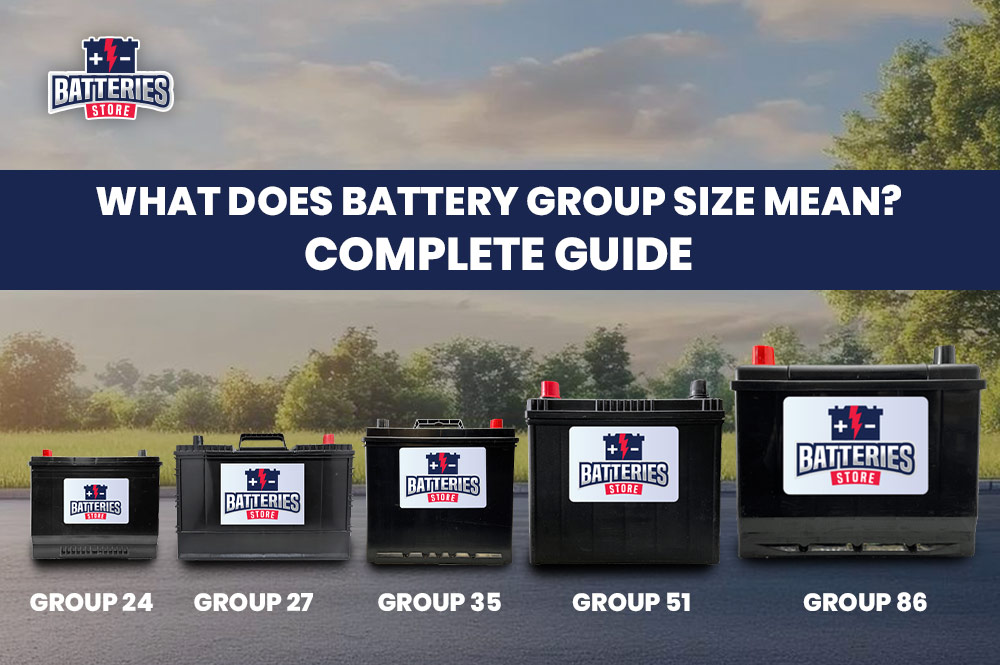
Battery group sizes use numbers, letters, or both. These codes do not follow one simple size scale. A higher number does not always mean a bigger or more powerful battery.
For instance, a Group 35 battery is not automatically stronger than a Group 24 battery. The two batteries may simply have different case dimensions and terminal layouts. Performance depends on specifications such as cold-cranking amps and amp-hour capacity.
Here is what the group code generally helps identify:
- Case length and width
- Case height
- Terminal orientation
- Terminal type
- Mounting and hold-down compatibility
The letter “R” can be especially important. In many common group sizes, the “R” indicates a reversed terminal layout compared with the standard version. A 51 battery and a 51R battery may look very similar, but their positive terminals can be on opposite sides.
Always check the actual battery diagram or label. Letter meanings can vary between battery families, so it is safer to confirm the specification than to guess.

Common Car Battery Group Sizes
Different vehicles use different group sizes based on engine design, available space, electrical demand, and factory mounting systems.
Here are several common examples:
| Group size | Common applications | General notes |
|---|---|---|
| 24 and 24F | Some older cars, trucks, and Japanese vehicles | Medium to large case; terminal layout varies |
| 35 | Many Honda, Toyota, Nissan, and other vehicles | Compact size with common top-post design |
| 47 or H5 | Many European and newer vehicles | Often used in compact cars |
| 48 or H6 | Many modern cars and SUVs | Often available in AGM versions |
| 49 or H8 | Larger European vehicles and SUVs | Long case with higher starting capacity |
| 51 and 51R | Compact cars and some hybrids | Small case; terminal direction is important |
| 65 | Many larger Ford, GM, and other vehicles | Large case with strong starting output |
This table is only a general guide. The correct battery group size depends on the exact year, engine, trim level, and electrical equipment in your vehicle.
A vehicle with a start-stop system may need an AGM or enhanced flooded battery even if the case group size looks familiar. Using a basic flooded battery in that application can lead to poor service life and charging problems.

Battery Group Size vs. Battery Power
One of the most common misunderstandings is assuming that group size equals power. It does not.
Group size mainly describes physical fitment. Battery power is shown through ratings such as:
Cold-cranking amps
Cold-cranking amps, or CCA, measure how much current a battery can provide at a low temperature. A higher CCA rating can help an engine crank more easily in cold weather.
Your vehicle needs enough CCA to start the engine reliably. Installing a battery with far more CCA than the original rating is not always harmful, but it may cost more and may not offer a meaningful benefit.
Reserve capacity
Reserve capacity, or RC, estimates how long a fully charged battery can supply a set electrical load if the alternator stops working. A higher reserve capacity can provide more time before the battery becomes fully discharged.
Amp-hour capacity
Amp-hour capacity shows how much electrical charge a battery can store under a defined test. This rating is more common in deep-cycle and specialty batteries than in ordinary starting batteries.
Battery technology
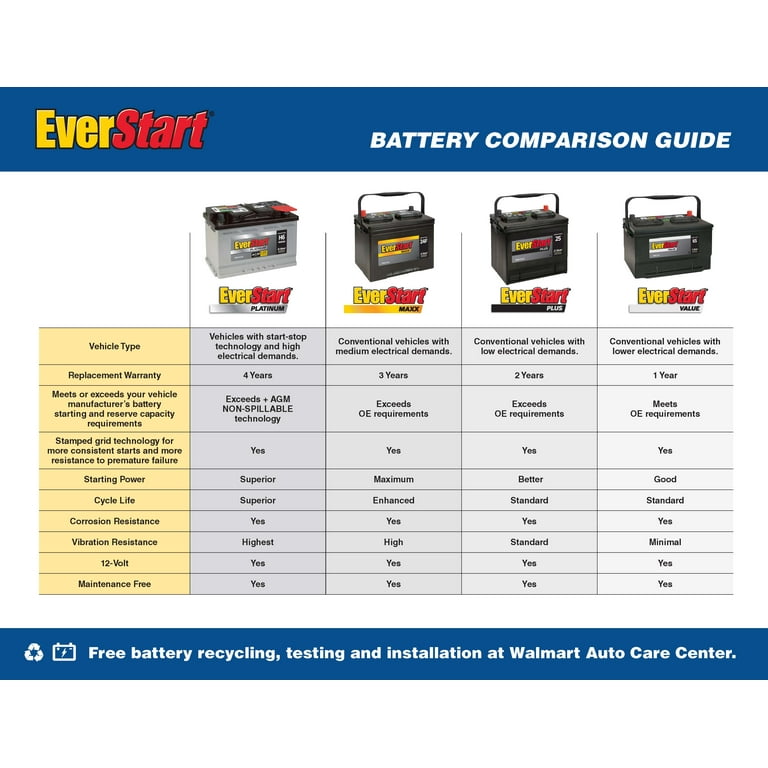
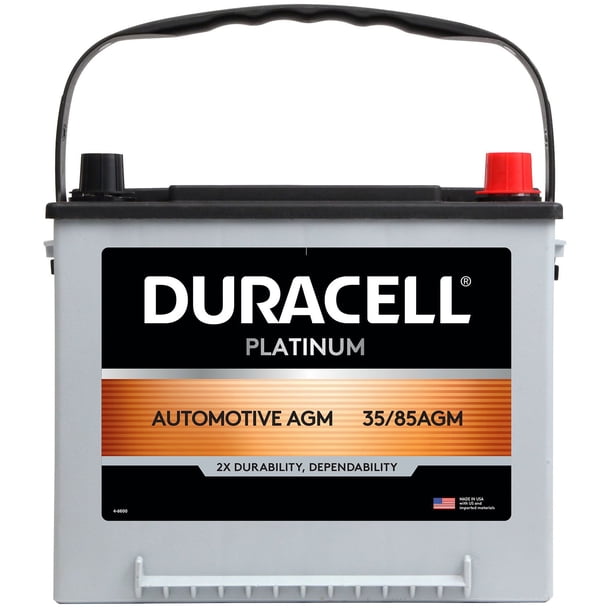
A standard flooded lead-acid battery and an AGM battery may share the same group size. However, AGM batteries usually handle vibration and repeated cycling better. They are often required for vehicles with heavy electrical loads or start-stop systems.
When asking what is a car battery group size, remember this simple rule: group size tells you how the battery fits, while CCA, reserve capacity, and battery type tell you more about how it performs.

How to Find Your Vehicle’s Battery Group Size
You can usually find the correct group size in several places. Start with the vehicle owner’s manual because it provides the manufacturer’s recommended specification.
You can also use these methods:
- Look at the label on the battery currently installed.
- Check the battery tray or side label for a printed group number.
- Use a trusted auto-parts catalog with your vehicle’s year, make, model, and engine.
- Ask a professional parts counter to verify the fitment.
- Compare the original battery’s group size, CCA, terminal layout, and battery type.
Do not rely on appearance alone. Two batteries can look almost identical but differ in height, terminal direction, or mounting design.
A helpful habit is to take a clear photo of the old battery before removing it. Capture the top label, cable positions, hold-down bracket, and the battery tray. This simple step can prevent confusion at the parts store.
Can You Use a Different Battery Group Size?
Sometimes a different group size can work, but only when it meets the vehicle’s physical and electrical requirements. A replacement battery should fit securely, connect without stretched cables, and meet or exceed the required CCA and battery technology.
A different group size may be acceptable when:
- The battery fits the tray correctly
- The hold-down secures it firmly
- The terminals are in the correct positions
- The cables reach without strain
- The battery has the required CCA and reserve capacity
- The vehicle’s charging system supports that battery type
Some vehicles have approved alternative group sizes. The manufacturer or a reliable fitment guide should confirm those alternatives.
Avoid forcing a larger battery into a tight space. Do not place wood, loose spacers, or improvised materials under the battery. The battery must remain stable and properly supported during braking, cornering, and vibration.
In my experience helping people compare replacement batteries, the most common mistake is focusing only on whether the battery “looks close.” A nearly correct battery is not necessarily a safe battery. Correct terminal placement and a secure hold-down deserve the same attention as the battery’s price.
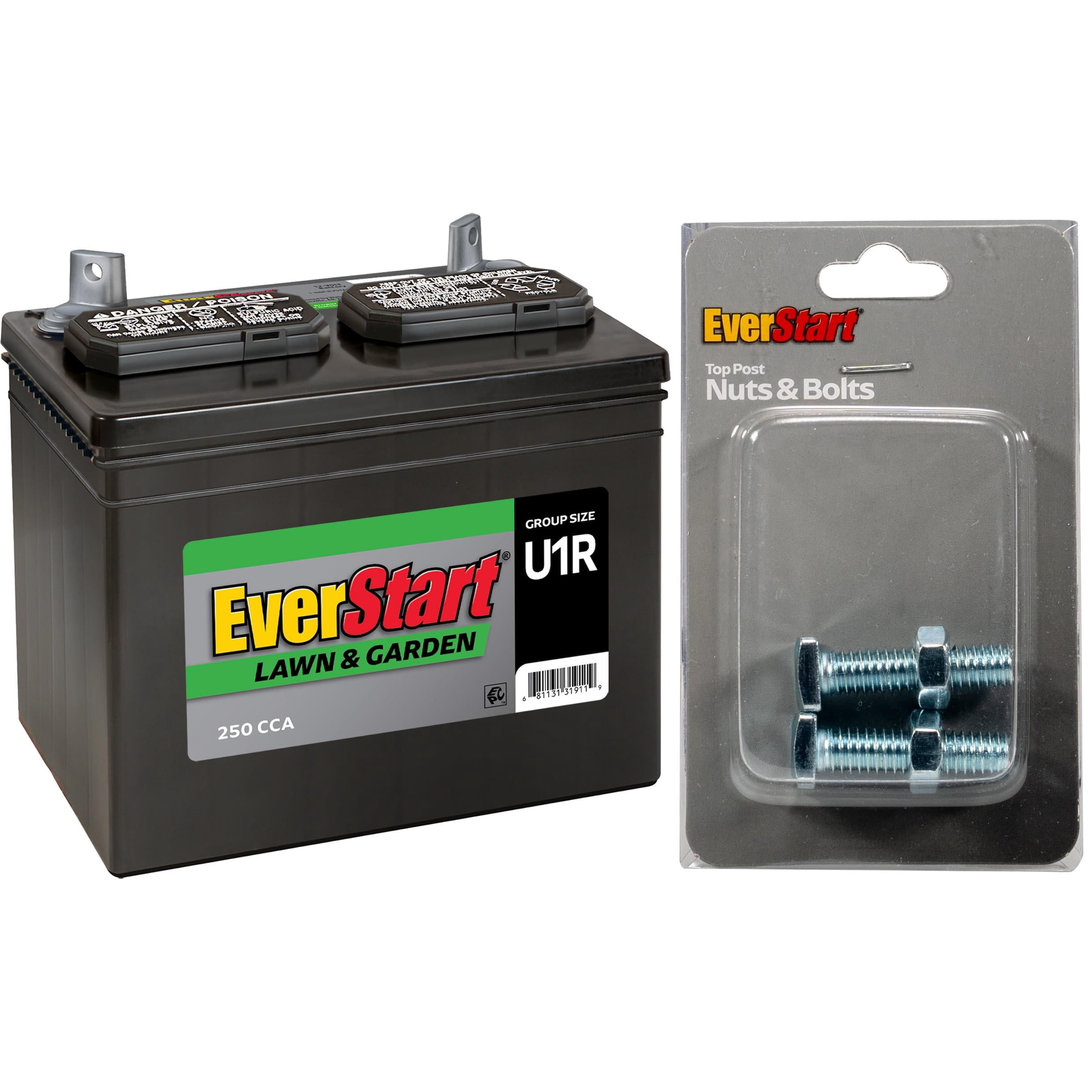
Battery Group Size and Terminal Position
Terminal position is a small detail with a large effect. Most automotive batteries have positive and negative posts on the top, but their positions can change from one group variation to another.
Before buying a battery, stand at the same position used to view the installed battery. Identify which side has the positive terminal. Then compare that layout with the replacement battery.
A reversed terminal layout may cause several problems:
- Battery cables may not reach
- The positive cable may touch the body or engine
- The terminals may sit too close to metal parts
- The battery may need unsafe cable routing
- The vehicle may suffer a short circuit
Never swap positive and negative connections. The positive cable normally connects to the positive terminal, marked with a plus sign. The negative cable normally connects to the negative terminal, marked with a minus sign.
If you are unsure, stop and ask a qualified technician. A battery can deliver hundreds of amps, so even a brief mistake can cause sparks, burns, or vehicle damage.
AGM, EFB, and Standard Battery Choices
Battery group size does not identify the battery’s internal technology. You must also select the right construction for your vehicle.
Standard flooded batteries
These are common lead-acid batteries. They are often affordable and work well in vehicles with basic electrical systems and traditional charging systems.
Enhanced flooded batteries
Enhanced flooded batteries, or EFB batteries, are designed for more frequent engine starts. Some vehicles with basic start-stop systems use EFB technology.
Absorbent glass mat batteries
AGM batteries hold the electrolyte in glass mat separators. They offer strong vibration resistance and support vehicles with high electrical demand, advanced electronics, and some start-stop systems.
Do not automatically replace an AGM battery with a standard flooded battery. The vehicle’s charging system may be calibrated for a specific battery type. Some newer vehicles also need battery registration or system reset after replacement.
Check the owner’s manual or service information before changing battery technology. The correct group size is only one part of a proper battery match.
Common Mistakes to Avoid
Buying a car battery is simple when you check the right details. It becomes difficult when you rely on only one number.
Avoid these mistakes:
- Choosing a battery based only on price
- Assuming a higher group number means more power
- Ignoring the “R” terminal designation
- Forgetting to compare battery height
- Reusing a damaged or missing hold-down bracket
- Selecting the wrong battery technology
- Installing a battery with lower-than-required CCA
- Skipping battery registration on vehicles that require it
- Leaving corrosion on the cable terminals
- Guessing when the battery fitment is unclear
Also check the battery’s production date. Lead-acid batteries slowly lose charge while sitting in storage. A fresh battery is usually a better choice than one that has been sitting for a long time, even if both have the same group size.
After installation, make sure the battery does not move when you gently try to rock it. Clean, tight connections are essential for reliable starting and charging.
How to Replace a Car Battery Safely
If you plan to replace the battery yourself, work in a well-ventilated area and wear eye protection. Keep sparks, cigarettes, and open flames away from the battery because batteries can release flammable gas.
A general replacement process is:
- Turn off the vehicle and remove the key.
- Locate the battery and identify the positive and negative terminals.
- Disconnect the negative cable first.
- Disconnect the positive cable.
- Remove the hold-down bracket.
- Lift the battery straight out using safe lifting technique.
- Clean corrosion from the tray and cable ends.
- Place the new battery in the correct position.
- Install and tighten the hold-down bracket.
- Connect the positive cable first.
- Connect the negative cable last.
- Check that the battery is secure and the vehicle starts normally.
Some vehicles have memory settings, security systems, or battery sensors that need special handling. Modern vehicles may also require battery registration with a scan tool.
If the battery is heavy, difficult to reach, or located in the trunk or under a seat, professional installation is a wise choice. A small installation fee can prevent damaged trim, poor connections, or electronic faults.
When Should You Replace a Car Battery?
Many car batteries last about three to five years, but climate, driving habits, maintenance, and battery quality affect service life. Extreme heat can speed up internal wear, while extreme cold exposes a weak battery quickly.
Watch for these warning signs:
- Slow engine cranking
- Dim headlights while starting
- Clicking sounds when you turn the key
- Battery warning light
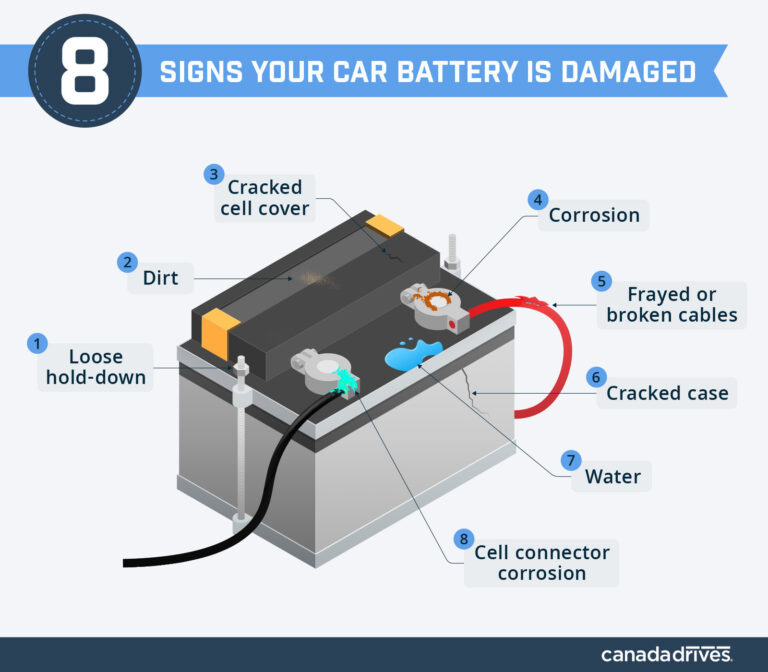
- Swollen or cracked battery case
- Corroded terminals
- Repeated need for jump-starts
- Electrical settings that reset or behave strangely
A battery test can measure starting performance and state of charge. Many repair shops and parts stores offer this test at little or no cost.
Do not wait for a complete failure if the battery is old and showing warning signs. A dead battery often chooses an inconvenient time, such as a cold morning, a busy parking lot, or a trip far from home.
Frequently Asked Questions About What Is a Car Battery Group Size
Is a car battery group size the same as battery capacity?
No. A car battery group size mainly describes the battery’s case dimensions, terminal layout, and fitment. Capacity and performance are shown through ratings such as CCA, reserve capacity, and amp-hours.
How do I know what battery group size my car needs?
Check the owner’s manual, the label on the current battery, or a trusted vehicle fitment guide. Confirm the group size along with terminal position, CCA, battery type, and mounting style.
Can I install a higher group size battery in my car?
Only if the battery fits securely and meets the vehicle’s electrical and mounting requirements. A larger case can interfere with the hood, cables, tray, or hold-down bracket.
What does the “R” mean in a battery group size?
The “R” often indicates a reversed terminal layout. For example, a 51R battery may place the positive terminal opposite the position used on a standard Group 51 battery.
Does a larger battery group size provide more power?
Not always. Group size describes physical fitment, not a direct power ranking. Compare CCA, reserve capacity, battery technology, and the vehicle manufacturer’s requirements.
Do AGM batteries use different group sizes?
AGM batteries can use the same group sizes as flooded batteries. However, the vehicle may require AGM technology because of its charging system, start-stop function, or electrical load.
Should I register a new battery after installation?
Some newer vehicles require battery registration or a battery management system reset. Check the owner’s manual or ask a technician, especially if the vehicle has a smart charging system or battery sensor.
Conclusion
A car battery group size is a fitment code that helps identify the correct case dimensions, terminal arrangement, and mounting design for your vehicle. It does not replace the need to check CCA, reserve capacity, battery technology, and manufacturer requirements.
Before buying, compare the old battery with the vehicle manual and confirm every key detail. Take a photo, check the terminal position, and make sure the new battery is secure. Use this guide to make a confident choice, and share your battery fitment experience or questions in the comments.