For most Meguiar’s detailer sprays, the proper application temperature is a cool, dry surface in the shade—ideally around 60°F to 80°F (16°C to 27°C). Avoid applying the product to hot paint, direct sun, freezing panels, or surfaces above about 90°F (32°C).
Meguiar’s product directions often focus on the surface temperature and drying conditions, not just the outdoor air temperature. If the paint feels hot to the touch, move the vehicle into shade and let it cool before spraying. Always follow the label for your exact product, because Meguiar’s Quik Detailer, Ultimate Quik Detailer, Hybrid Ceramic Detailer, and professional detailers can have different instructions.
Why Temperature Matters When Using Meguiar’s Detailer
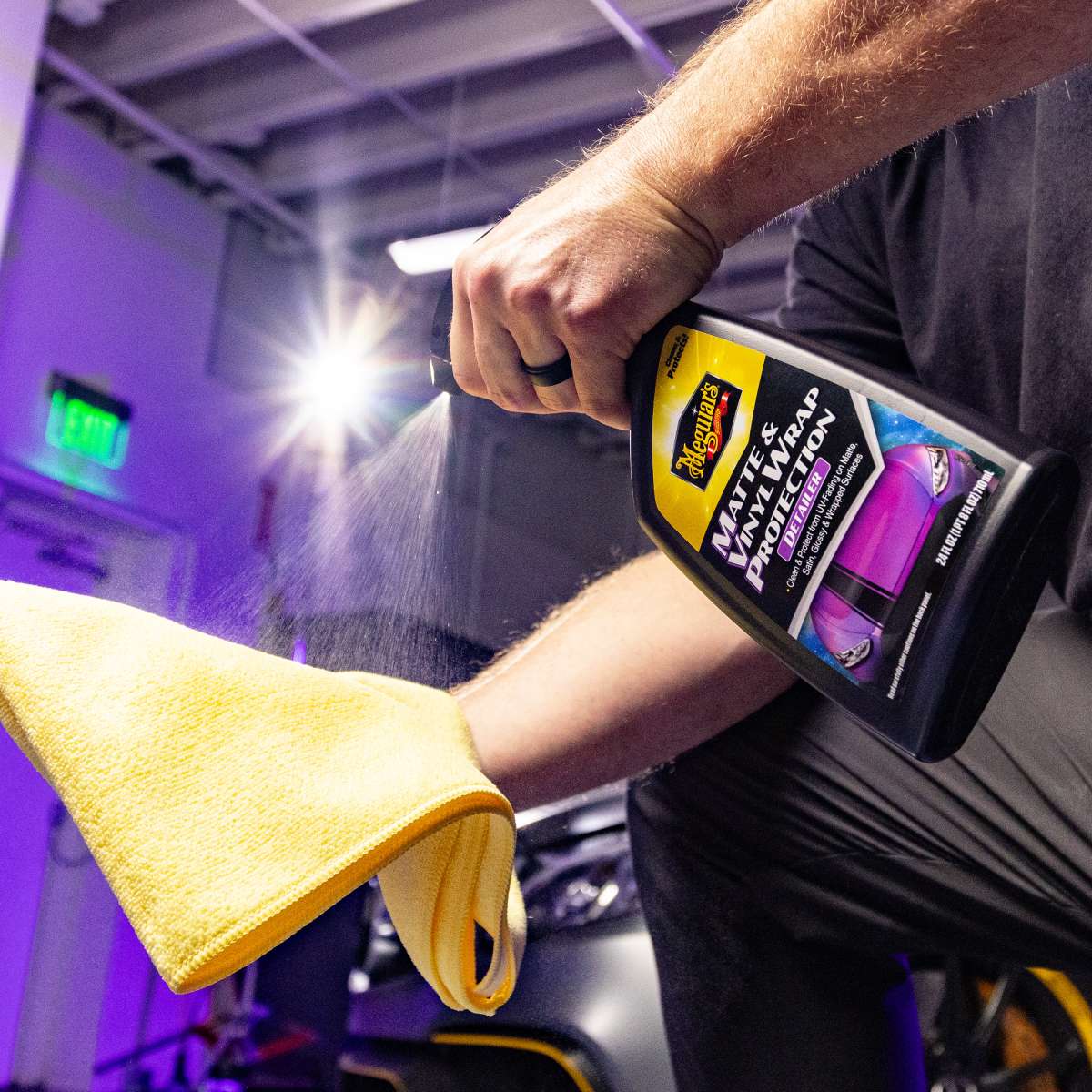
Temperature affects how quickly a detailer spray flashes, spreads, and wipes away. On a cool panel, the product stays wet long enough to loosen light dust and fingerprints. This gives the towel time to lift the residue without dragging it across the paint.
On hot paint, the product can dry too fast. That may leave streaks, smears, or small spots that need extra buffing. A hot surface can also make dust stick to the paint while you work.
The key point is simple: the vehicle’s panel temperature matters more than the weather app’s temperature reading. A black hood parked in full sun may become much hotter than the surrounding air.
Air temperature vs. paint temperature
These two readings are not the same:
- Air temperature: The temperature reported by a thermometer or weather service.
- Surface temperature: The actual temperature of the hood, roof, glass, or other panel.
- Product temperature: The temperature of the bottle and its contents.
For safe and clean application, surface temperature is the most useful factor. A 75°F day can still create hot paint if the vehicle sits in direct summer sun. Likewise, a shaded panel may remain cool enough to detail even when the air is warmer.
Best Temperature Range for Meguiar’s Detailer
A practical working range for most Meguiar’s detailer products is 60°F to 80°F. This range is not a universal specification for every Meguiar’s product. It is a useful operating target based on the way quick detailer sprays behave on automotive paint.
Use this guide:
| Conditions | Recommendation |
|---|---|
| Below 40°F | Avoid if possible; the product may spread poorly and leave residue |
| 40°F to 59°F | Usable with care on a clean, dry surface |
| 60°F to 80°F | Best general working range |
| 81°F to 90°F | Work in shade with small sections and quick towel changes |
| Above 90°F | Wait for the panel to cool before applying |
| Direct sun, any temperature | Move the vehicle to shade first |
| Wet, freezing, or very humid conditions | Follow the product label and expect slower drying |
Meguiar’s instructions commonly tell users to apply products to a cool surface in the shade. The exact range above should therefore be treated as a practical guide, not a replacement for the label.
How to Apply Meguiar’s Detailer at the Right Temperature
Follow these steps for a clean and low-risk application.
1. Check the panel before spraying
touch the paint with the back of your hand. It should feel cool or near room temperature. Do not begin if the panel feels hot, especially on the hood, roof, or trunk.
A touch test is useful, but it is not a precise measurement. If you need a more exact reading, use an infrared thermometer. Check several areas because one side of the vehicle may be warmer than the other.
2. Move the vehicle into shade
Park indoors or under solid shade. Avoid working under partial shade where the sun moves across the vehicle during the job.
If the car was recently driven or parked in the sun, wait for the panels to cool. Opening the doors and hood can help heat escape, but do not spray a hot panel just because the air feels comfortable.
3. Remove heavy dirt first
A detailer spray is generally intended for light dust, fingerprints, water marks, or fresh surface residue. It is not a substitute for a proper wash when the vehicle has sand, mud, road salt, or gritty dirt.
Heavy dirt can act like fine sandpaper under a towel. Wash the vehicle first, rinse it well, and dry it before using the detailer.
4. Shake the bottle
Shake the product as directed on its label. Some detailer sprays contain cleaning agents, polymers, waxes, or ceramic-related ingredients that need to be mixed before use.
Do not assume that every Meguiar’s product has the same formula or instructions.
5. Work one small section at a time
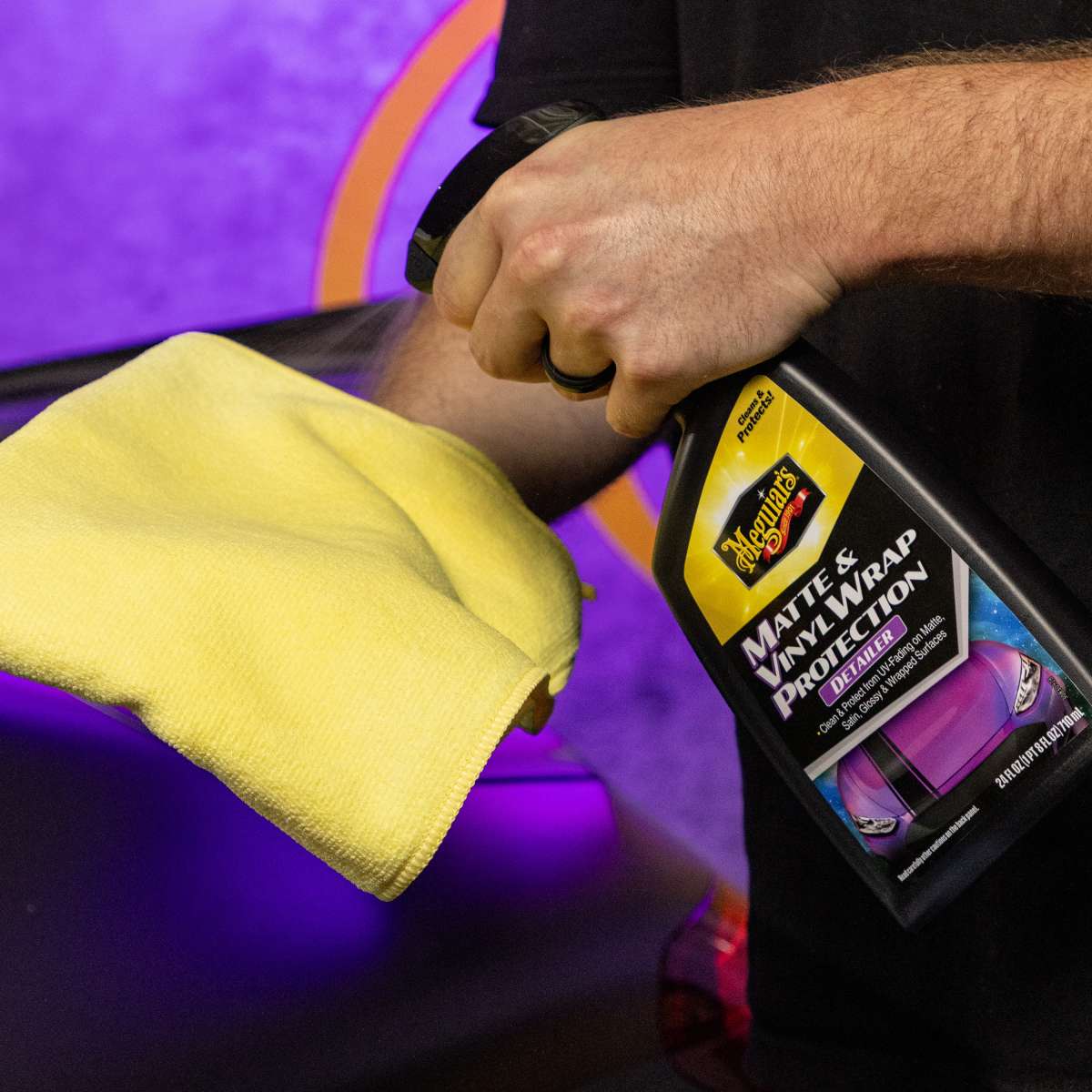
Spray a light amount onto the panel or microfiber towel. A few light sprays are usually better than soaking the surface.
On warm days, work on an area of about 2 square feet at a time. On a cool day, you may be able to work on a larger area. The product should remain wet long enough to wipe without force.
6. Wipe with a clean microfiber towel
Use a soft, clean microfiber towel. Wipe in straight lines with light pressure. Turn the towel to a dry side for the final buff.
Replace or fold the towel when it becomes dirty or damp. A saturated towel can spread residue instead of removing it.
7. Inspect the finish
The paint should look clear and feel smooth, without oily streaks or cloudy patches. Use a clean towel for a final check.
If the product dries before you wipe it, lightly mist the same product onto the residue or use a clean, damp microfiber towel. Do not scrub hard.
What Temperature Is Too Hot for Meguiar’s Detailer?
A surface above about 90°F is usually too hot for easy application, particularly in direct sun. The product may dry before you can spread and remove it.
The exact limit can vary with:
- Paint color
- Sun intensity
- Humidity
- Wind
- Panel size
- Product formula
- Towel type
- How much product you apply
Black paint often becomes hot faster than white or silver paint. A roof may also be hotter than a door because it receives more direct sunlight.
If the product flashes too fast, stop and cool the panel. Do not keep adding more spray. Excess product can make streaks worse and may leave a heavier film on the paint.
Can You Use Meguiar’s Detailer in Cold Weather?
You can often use a detailer in cool weather, but very low temperatures make the job harder. Below about 40°F, the spray may feel thicker, spread less evenly, and take longer to wipe clean.
Cold conditions also increase the risk of moisture freezing on the panel. Never apply a water-based product to paint that has ice, frost, or frozen water on it.
For winter use:
- Work inside a dry garage if possible.
- Let the vehicle and bottle reach a moderate temperature.
- Remove salt and grit with a proper wash first.
- Keep the product from freezing.
- Use extra clean towels.
- Follow the label for storage and application limits.
Do not use a heat gun or strong heater directly on the paint to warm it. Uneven heat can damage trim, plastic, seals, or the finish.
Does Humidity Affect Meguiar’s Detailer Application?
Humidity can affect drying time, but it is usually less important than surface temperature. High humidity may cause the product to remain wet longer. That can help prevent premature drying, but it can also make final buffing take more time.
Low humidity, wind, and hot paint can make the spray dry very quickly. In those conditions, use less product and work smaller sections.
Avoid applying detailer during rain or when condensation is forming on the vehicle. Added water can dilute the product and make streaks more likely.
A simple rule works well: the panel should be cool, dry, and out of direct sun.
How Different Meguiar’s Detailer Products May Vary
“Meguiar’s detailer” is not one single product. It can refer to several sprays with different purposes.
Meguiar’s Quik Detailer
Quik Detailer is commonly used to remove light dust, fingerprints, and fresh surface marks between washes. Apply it to a cool surface and use a clean microfiber towel.
It is not designed to replace a wash on heavily soiled paint.
Meguiar’s Ultimate Quik Detailer
Ultimate Quik Detailer is intended for quick cleaning and gloss enhancement on lightly dusty paint. Hot panels can cause it to streak or dry too quickly, so shade and small work areas are important.
Meguiar’s Hybrid Ceramic Detailer
Hybrid Ceramic Detailer may leave protective ingredients behind as it is wiped. Use the product only as directed on the bottle. Uneven application or excess product can make the finish look hazy, especially on warm panels.
Meguiar’s Professional detailer products
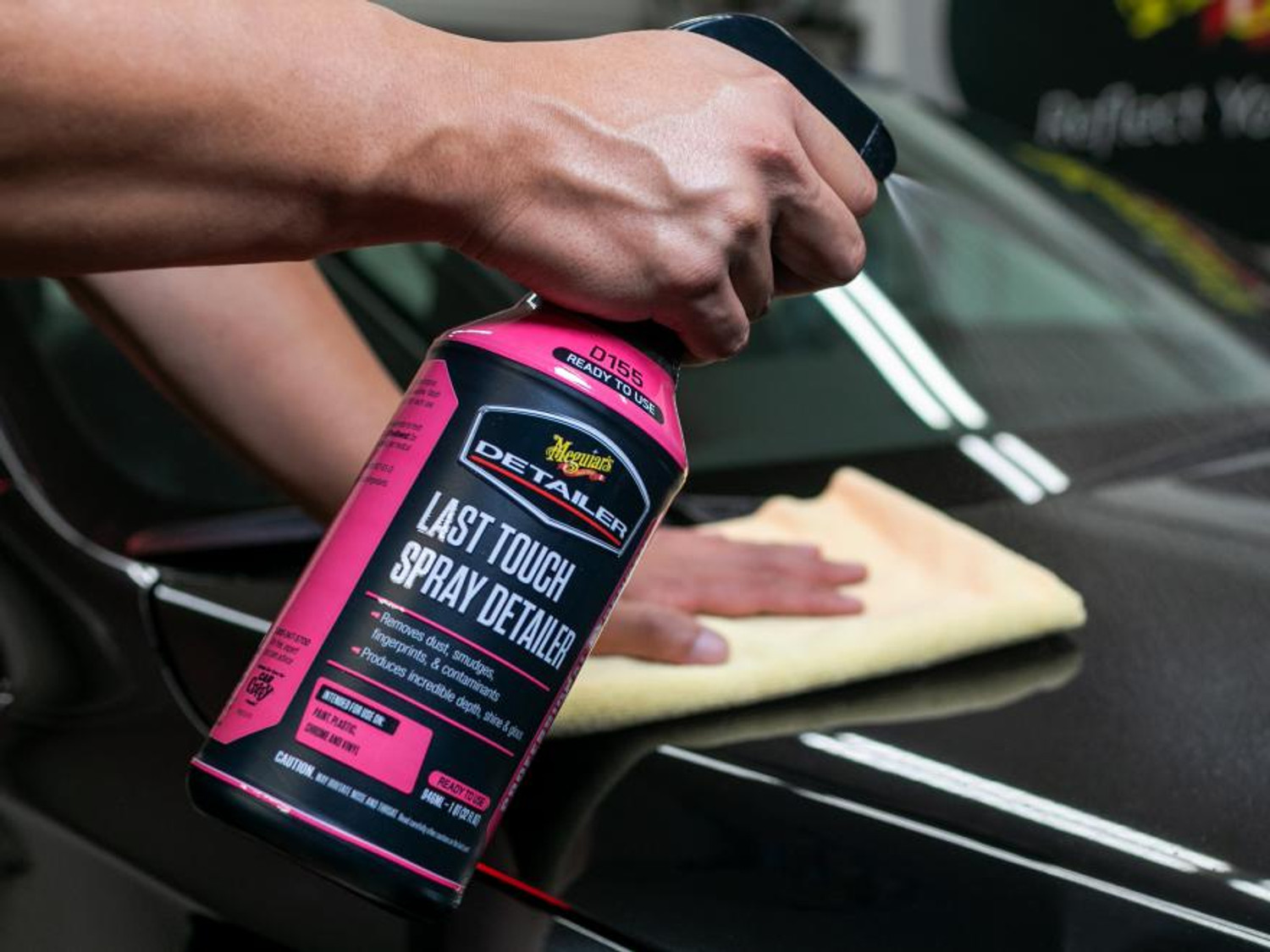
Professional products such as Last Touch may be used in different dilution or detailing workflows. The correct application method depends on the product’s label and intended use. Do not apply a professional concentrate or diluted product according to instructions for a consumer spray.
Common Mistakes to Avoid
The most common problem is using a detailer on a hot panel. Other mistakes can create similar streaks and scratches.
Applying too much product
More spray does not always provide more lubrication. Excess product can leave a film and require repeated buffing.
Using one towel for the whole vehicle
A towel that picked up dirt from one panel should not be used across the rest of the car. Keep several clean microfiber towels available.
Cleaning heavy dirt with a quick detailer
A detailer spray is not a safe replacement for washing gritty paint. If you can see sand, mud, salt, or road film, wash the vehicle first.
Working in full sun
Even a product that works well in mild weather can dry too fast in direct sunlight.
Pressing hard to remove streaks
Heavy pressure can create marring, especially on soft or dark paint. Add a small amount of product, use a clean towel, and wipe lightly.
Using the product on every surface
Read the label before using the product on glass, screens, matte paint, textured plastic, wraps, or vinyl. A product made for glossy painted surfaces may not be suitable for every material.
What to Do If Meguiar’s Detailer Leaves Streaks
If streaks appear, first determine whether the panel was hot or whether too much product was used.
- Move the vehicle into shade.
- Let the panel cool.
- Use a clean, dry microfiber towel.
- Lightly mist the product onto the towel or affected area.
- Wipe a small section.
- Buff with a separate dry towel.
If the residue remains, wash the panel with the product recommended by Meguiar’s instructions. Avoid using abrasive polish just to remove a simple detailer film.
If the paint still looks cloudy after washing, the issue may not be the detailer. Possible causes include old wax, mineral deposits, paint oxidation, towel residue, or surface damage.
Temperature Checklist Before You Start
Use this short checklist:
- The paint feels cool.
- The vehicle is in shade.
- The panel is dry.
- The surface has only light dust or fingerprints.
- The air is preferably between 60°F and 80°F.
- The bottle has been shaken.
- Clean microfiber towels are ready.
- You are working in small sections.
- You have checked the instructions for the exact Meguiar’s product.
If these conditions are met, the product should spread and wipe off more easily.
Key Takeaways
- The best general application range is about 60°F to 80°F.
- The paint should be cool, dry, and in the shade.
- Avoid using Meguiar’s detailer on hot panels or in direct sun.
- Above 90°F, wait for the surface to cool.
- Below 40°F, application may become difficult, especially if moisture can freeze.
- Use a detailer only for light surface contamination.
- The product label for the exact Meguiar’s formula takes priority over general temperature advice.
FAQs
Can I use Meguiar’s detailer at 85°F?
Yes, but use caution. Work in shade, apply a light amount, and wipe small areas before the product dries. Check the paint often because the panel may be much hotter than 85°F.
Can I use Meguiar’s detailer in direct sunlight?
It is best to avoid direct sunlight. Sun can heat the panel and cause the spray to dry too quickly, which may lead to streaks or difficult removal.
Should the car be wet or dry before using a detailer?
Follow the instructions for the specific product. Many quick detailer sprays are used on dry paint for light dust and fingerprints. Do not use them to clean heavily dirty or gritty paint.
Can I use a detailer on a hot hood?
Wait until the hood cools. A hot hood can cause rapid drying and streaking. Move the vehicle into shade and test the surface before application.
Is 50°F too cold for Meguiar’s detailer?
Not always, but the product may spread and wipe less easily than it does in moderate weather. Keep the panel dry, prevent freezing, and follow the product label.
How can I tell if the paint is too hot?
Touch the panel with the back of your hand. If it feels hot rather than cool or mildly warm, wait. An infrared thermometer can provide a more useful reading than air temperature alone.
Conclusion
The proper application temperature for Meguiar’s detailer is not one exact number for every formula. As a practical target, use the product when the vehicle’s paint is cool and dry, preferably between 60°F and 80°F, and always work in the shade.
The safest method is to wash heavy dirt away, cool the panel, spray lightly, and wipe with clean microfiber towels. If the product streaks, stop and correct the temperature and product amount before applying more.