For drivers in the United States, you can use a Clorox wipe for a small, urgent cleanup on some exterior car surfaces, but it should not replace car wash soap and water. Clorox Disinfecting Wipes are made for certain hard, nonporous surfaces. They may leave residue, remove wax, or affect a paint protection product if used often.
For routine exterior cleaning, use automotive car wash soap, clean water, and a soft microfiber towel. Reserve Clorox wipes for limited spot cleaning, such as a dirty door handle or a small mark on an uncoated plastic trim piece.

Are Clorox Wipes Safe for Car Paint?
Clorox wipes are not the best choice for painted car panels. Modern automotive paint has a clear coat, which gives the vehicle its gloss and protects the color coat below. A disinfecting wipe may not damage the paint after one careful use, but repeated use can leave a dull film or reduce wax and sealant protection.
The main concern is not only the wipe itself. It is also the cleaning method:
- The wipe may contain cleaning agents that are not designed for automotive finishes.
- A dry or dirty wipe can drag grit across the clear coat.
- The wipe can leave a residue that looks streaky.
- Strong rubbing can create fine marks, especially on dark paint.
- Frequent use may shorten the life of wax or some paint sealants.
Clorox product formulas vary. Standard Clorox Disinfecting Wipes commonly use quaternary ammonium compounds rather than chlorine bleach, but you should always read the label on your exact container. Do not assume that every Clorox wipe has the same ingredients or surface directions.
What does “hard, nonporous surface” mean?
A hard, nonporous surface does not readily absorb liquid. Examples may include sealed plastic, metal, glass, and some finished surfaces. However, a surface can be hard and nonporous while still being unsuitable for a household disinfectant.
A vehicle’s clear coat, wax, ceramic coating, vinyl trim, rubber seals, chrome finish, and plastic parts all have different care needs. The Clorox label may allow use on certain hard, nonporous surfaces, but that does not mean the product is the best option for every part of a car.
Will one Clorox wipe ruin car paint?
One wipe used gently on a cool, clean surface is unlikely to ruin a sound factory finish. Still, no product can be called safe for every paint system, custom finish, wrap, or coating without checking the vehicle and product instructions.
Do not use Clorox wipes on paint that is:
- Peeling, cracked, chalky, or badly oxidized
- Freshly repainted
- Covered by a delicate paint protection film
- Treated with a coating whose manufacturer forbids household cleaners
- Hot from direct sun or recent driving
A small test on a hidden area is safer than wiping the whole vehicle.

When Can You Use Clorox Wipes on a Car Exterior?
Use a Clorox wipe only for a small, isolated mess when you do not have better automotive supplies. The best candidates are smooth, sealed, nonporous areas such as some exterior plastic door-handle surfaces or a small spot on a hard trim piece.
A wipe may help remove:
- Fresh food or drink residue
– A small greasy fingerprint - Surface dirt on a door handle
- A small mark on hard exterior plastic
- A limited contamination concern when soap and water are not available
This is a spot-cleaning use, not a full car wash. Do not use wipes to clean the entire hood, roof, doors, wheels, or windows.
Surfaces to avoid
Avoid Clorox wipes on these areas unless the vehicle or material maker specifically permits them:
- Clear-coated or custom-painted body panels
- Matte paint and satin paint
- Paint protection film
- Vinyl wraps
- Ceramic-coated surfaces
- Convertible tops
- Fabric roofs
- Leather or synthetic leather
- Rubber weather seals
- Unfinished or porous trim
- Brake components
- Tire sidewalls
- Wheels with a delicate or specialty finish
Never use a disinfecting wipe inside the engine bay. Moisture and cleaning chemicals can affect electrical connectors, belts, sensors, and exposed finishes.
What about car windows?
A Clorox wipe can leave streaks and residue on automotive glass. It may also spread grime instead of lifting it cleanly. Use automotive glass cleaner and a clean glass towel when possible.
If you must clean a small area of exterior glass in an emergency, wipe lightly and then remove all residue with a damp microfiber towel. Finish with a dry, lint-free glass towel. Do not let liquid run into window seals or switches.

How to Use a Clorox Wipe on a Car Safely
If a Clorox wipe is your only practical option, use it on a small area and follow the product label. Do not treat the process as a substitute for proper washing.
1. Check the surface
Make sure the surface is cool, intact, and hard. Avoid direct sunlight and hot body panels. Do not wipe over loose dirt if you can rinse it away first, because grit can scratch the finish.
2. Read the exact product label
Check the ingredients, surface directions, contact time, and warnings on your container. “Contact time” means the surface must stay visibly wet for the time listed on the label to support the product’s disinfecting claim.
Do not assume that a quick pass proves disinfection. If the wipe dries at once, the required contact time may not have been met.
3. Test a hidden spot
Try the wipe on a small area under a door edge or on an unseen section of suitable hard trim. Wait several minutes, then inspect the area for:
- Haze
- Streaks
- Color change
- Sticky residue
- Loss of gloss
- Softening or swelling
Stop if you see any change.
4. Use light pressure
Wipe once in a straight motion. Do not scrub hard. Do not keep rubbing the same spot, especially on glossy paint or plastic.
5. Remove residue
After the label’s contact time, use a clean, damp microfiber towel to remove residue if the surface and product directions allow it. Then dry the area with a second clean towel.
Do not mix Clorox residue with other cleaners. In particular, never combine disinfectants with ammonia, acids, bleach, or other household chemicals.
6. Wash the area properly later
When practical, wash the vehicle with automotive car wash soap. This removes road film and leftover cleaner more safely than repeated wipe use.
A successful cleanup should leave the surface clean, dry, and free from haze or tackiness. If the finish looks cloudy after drying, stop using the wipes and clean the area with proper car-care products.

Clorox Wipes vs. Car Wash Soap
Car wash soap is the better choice for normal exterior cleaning because it is designed to loosen road film while supporting the finish. Clorox wipes are designed for convenient surface disinfection, not for removing a full vehicle’s dust, grit, traffic film, and brake dust.
| Cleaning need | Better choice | Why |
|---|---|---|
| Full exterior wash | Automotive car wash soap | Lifts dirt with water and reduces rubbing |
| Small mark on hard trim | Damp microfiber towel or mild car cleaner | Lower risk of residue |
| Disinfecting a small hard touch point | Labeled disinfectant, used as directed | Provides a product-specific disinfection method |
| Bird droppings | Water and car-safe cleaner | Softens material before wiping |
| Road film | Car wash soap | Made for vehicle grime |
| Wheels and tires | Wheel or tire cleaner suited to the finish | Household wipes may not remove brake dust well |
| Exterior glass | Automotive glass cleaner | Reduces streaks and residue |
The key trade-off is simple: Clorox wipes offer convenience, while automotive products offer better finish care. A wipe may solve a small problem when you are away from home. It is not an efficient or reliable way to clean an entire car.
Why water and lubrication matter
Dirt can contain sand and other hard particles. When you wipe dry dirt across paint, those particles can act like fine sandpaper. Rinsing first and using a lubricated wash solution helps carry dirt away from the surface.
That is why a proper wash usually causes less paint wear than repeated dry wiping, even when the wipe feels soft.

What to Use Instead of Clorox Wipes
For most exterior car cleaning, choose the least aggressive product that can do the job.
For painted panels
Use:
- A hose or bucket of clean water
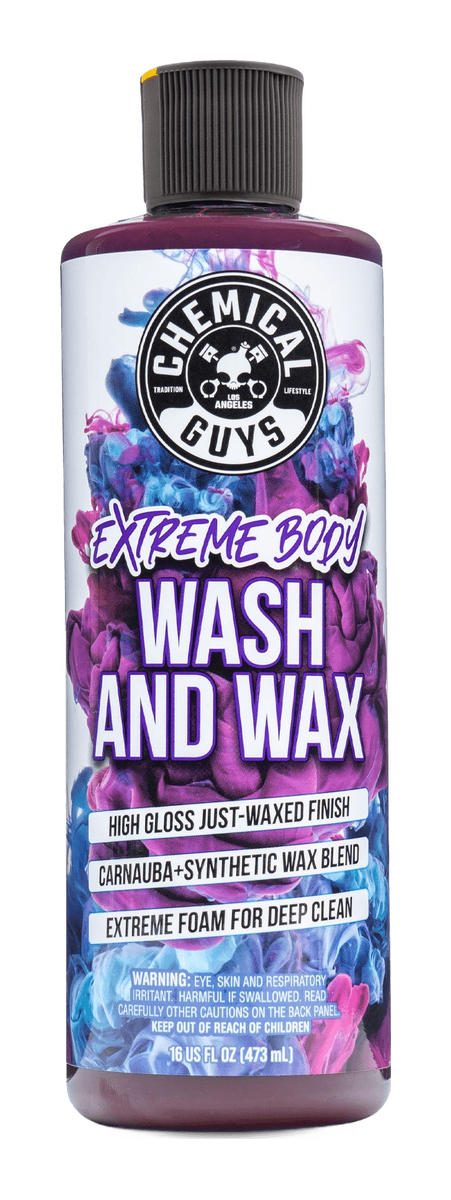
- Automotive car wash soap
- A clean microfiber wash mitt
- A separate towel for drying
Wash from the top of the vehicle downward. Rinse the mitt often. Keep wheel tools separate from paint tools because brake dust can scratch clear coat.
For a quick spot clean
Use a dedicated automotive detail spray with a clean microfiber towel. If the spot is gritty, spray enough product to loosen it first. Do not press hard or wipe in circles.
For bird droppings and bug marks
Remove them soon, but do not scrape them dry. Cover the spot with a damp microfiber towel or a car-safe cleaner for a short time. Once softened, lift the material away with light pressure.
Bird waste and bug remains can be acidic or contain abrasive particles. The safest approach is to soften them before wiping.
For exterior plastic and rubber
Use a cleaner labeled for automotive plastic or rubber. Test it first, since some dressings can make surfaces slippery or leave a shiny finish that attracts dust.
For disinfecting touch points
The outside door handle is the most likely exterior area to need disinfecting. Clean visible dirt first when possible. Then use a product whose label includes the surface and intended use. Follow the full wet contact time, and allow the surface to dry as directed.
Cleaning and disinfecting are different steps. Cleaning removes dirt. Disinfecting uses a registered product under specific label conditions to reduce certain germs.

Common Mistakes to Avoid
The most common mistake is treating a disinfecting wipe as a general-purpose car-care product. Convenience does not make a product suitable for every finish.
Avoid these errors:
Wiping a dusty car
Dry dirt can scratch paint. Rinse first or use a proper lubricating cleaner.
Scrubbing hard
More pressure does not make a wipe safer or more effective. It can spread residue and create fine marks.
Using the same wipe everywhere
A wipe used on a wheel, tire, door handle, and painted panel can carry grit and chemicals between surfaces. Use separate tools for separate areas.
Letting the wipe dry on the surface
A dried wipe can leave concentrated residue. Remove residue according to the product label and the surface manufacturer’s instructions.
Using wipes on a hot car
Heat can speed drying and increase streaking. It can also make a cleaner more difficult to remove.
Assuming “disinfecting” means “paint-safe”
A disinfectant label addresses the product’s intended use and performance under stated conditions. It does not guarantee long-term protection for automotive paint, wax, vinyl, or ceramic coatings.
Mixing cleaning products
Never mix Clorox wipes or their residue with other cleaners. Chemical mixtures can create harmful vapors or damage surfaces.

What to Do If Clorox Wipes Leave a Film or Haze
If the surface looks cloudy or sticky, first stop using the wipes. Do not apply more chemicals in an attempt to correct the problem.
For a painted panel:
- Move the vehicle into shade.
- Rinse the area with clean water.
- Wash it with automotive car wash soap.
- Dry it with a clean microfiber towel.
- Inspect the finish in good light.
If the haze remains, the surface may have residue, damaged wax, or a finish problem that washing cannot fix. Avoid polishing immediately if the vehicle has paint protection film, a ceramic coating, a vinyl wrap, or a recent repair. Contact the installer or an automotive detailing professional for product-specific advice.
If the finish is peeling, stained, discolored, or visibly damaged, professional inspection is the safest next step. A wipe may not be the cause, and aggressive polishing could make the problem worse.

Frequently Asked Questions
Can I use Clorox wipes on a black car?
You can use one cautiously on a small, suitable hard surface, but black paint shows streaks and fine scratches more easily than lighter colors. For black painted panels, use car wash soap or an automotive detail product instead.
Can Clorox wipes remove bird poop from car paint?
They may remove a small amount of softened residue, but they are not the preferred method. Wet the material first, let it soften, and lift it away with a car-safe cleaner and microfiber towel. Do not scrub dried bird droppings.
Do Clorox wipes remove car wax?
They may reduce or remove some wax or sealant protection, especially with repeated use. The exact result depends on the wipe formula, the product on the paint, and how long the surface stays wet.
Can I use Clorox wipes on car door handles?
A small, hard, sealed door handle may be a reasonable emergency use if the product label allows the surface. Test first, wipe gently, follow the contact time, and remove residue if appropriate. Avoid uncoated, porous, painted, or delicate handles.
Are Clorox wipes safe for car interiors?
Not for every interior material. Avoid using them on leather, fabric, suede-like materials, screens, and surfaces with special coatings unless the material maker specifically approves them. Use a cleaner made for the exact interior surface.
Bottom Line
Clorox wipes can be used sparingly for small spots on some hard, sealed exterior surfaces, but they are not a good choice for washing car paint. They may leave residue, affect wax or sealant, and create scratches when used on dry grit.
For routine care, use automotive car wash soap, water, and clean microfiber towels. If you use a Clorox wipe in an emergency, test first, use light pressure, follow the label, avoid delicate finishes, and rinse or wipe away residue when appropriate.
Sources and product guidance
- Clorox Disinfecting Wipes product information
- U.S. Environmental Protection Agency: Disinfectants for Use Against SARS-CoV-2
- U.S. Environmental Protection Agency: Read the Label First
- Vehicle owner’s manual and the care instructions for any wax, sealant, coating, paint protection film, or vinyl wrap installed on the vehicle