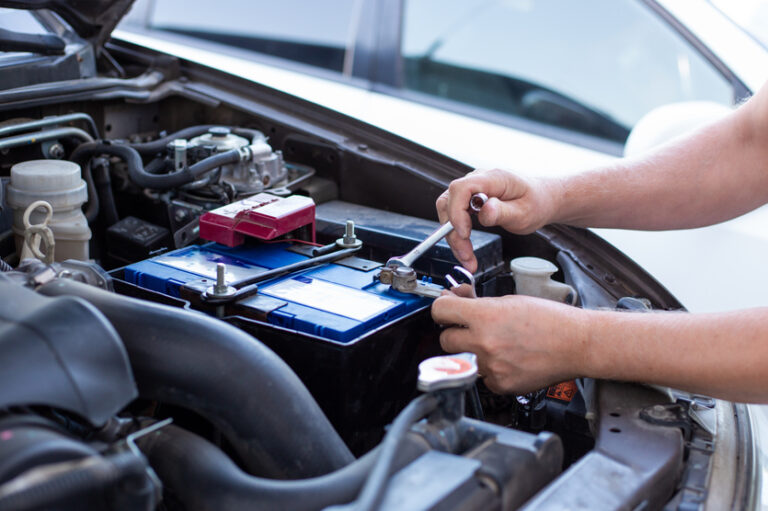
You can find your car battery size by checking the owner’s manual, battery label, or vehicle’s battery group number.
Learning how to find car battery size saves time, prevents poor fit, and helps your vehicle start with confidence. The right battery must match more than physical size. Its group number, terminal layout, cold-cranking amps, reserve capacity, and technology all matter. This guide explains how to check each detail with simple steps and practical tips.
Why the Correct Car Battery Size Matters
A car battery is like the vehicle’s starting heart. It sends power to the starter motor, lights, computer systems, and other electrical parts. If the battery is too small, it may not start the engine well. If it is too large, the battery may not fit or connect safely.
The correct car battery size usually includes these details:
• Battery group size
• Battery length, width, and height
• Terminal position and type
• Cold-cranking amps, or CCA
• Reserve capacity, or RC
• Battery technology, such as lead-acid, AGM, or EFB
• Voltage, which is usually 12 volts in modern cars
Knowing how to find car battery size helps you avoid buying a battery that looks right but has the wrong terminals or power rating.

Check the Owner’s Manual First
The owner’s manual is often the most reliable place to begin. Look in the maintenance, electrical system, or battery section. The manual may list a battery group number, minimum CCA, battery type, and replacement notes.
Some manuals list more than one approved battery. This can happen when a car has different engines, climates, or optional equipment. Always match the information to your exact engine and model year.
If you do not have a paper manual, check the automaker’s official digital manual. Use the vehicle identification number, or VIN, when the website offers that option. A VIN-based manual can reduce the risk of using information for a similar but different model.
When learning how to find car battery size, treat the owner’s manual as your starting point, not the only source. A previous owner may have installed the wrong battery, so compare the manual with the battery and tray in the car.

Read the Battery Group Size
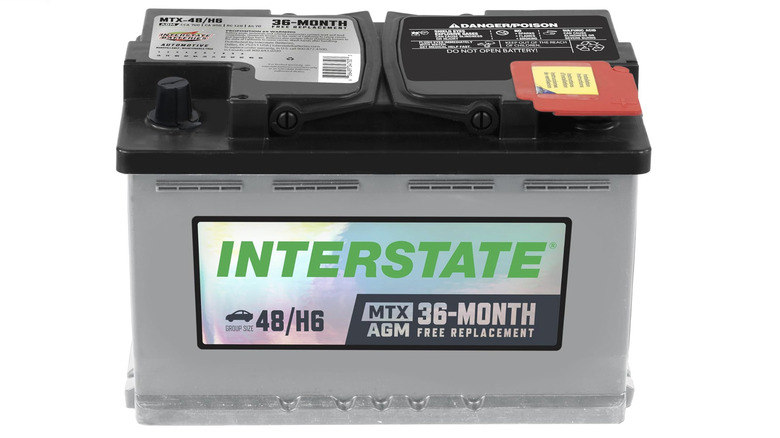
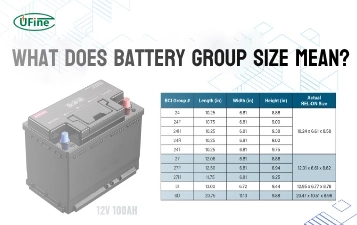
The battery group size is one of the most important parts of how to find car battery size. It is a code that describes the battery’s outside dimensions, terminal design, and terminal placement.
Common group sizes include:
• 24F
• 35
• 47, also called H5
• 48, also called H6
• 49, also called H8
• 51R
• 65
• 78
You can usually find the group number on the top or side label. It may appear beside terms such as “BCI,” “Group,” or “Type.” Battery retailers also use this number to show which products fit a specific vehicle.
The group number is not the same as the battery’s power rating. For example, two batteries can share the same group size but have different CCA ratings. The group number helps confirm fit, while CCA helps confirm starting performance.
A common mistake is to choose a battery based only on the group number. The battery may fit the tray but still lack the required starting power. Check the group size and performance ratings together.
Measure the Existing Battery and Battery Tray
If the label is damaged or missing, measuring the battery can help. Before measuring, turn off the engine, remove the key, and keep metal tools away from both terminals.
Measure these points:
- Length from the longest side
- Width from the narrowest side
- Height from the battery base to the top
- Terminal location
- Hold-down or base shape
Write the measurements in inches. Most automotive batteries in the United States use dimensions close to standard group sizes, but small differences can still matter.
Check the battery tray as well. Some trays have raised edges, clamps, or a special base that only accepts one battery shape. The battery should sit flat and should not move when the hold-down is tight.
In my experience, measuring only the length causes many fit problems. A battery can have the right length but be too tall for the hood or too wide for the tray. Good measurements include all three dimensions and the terminal layout.
Confirm the Terminal Position
Terminal placement is a key part of how to find car battery size. A battery may have the correct group number but still be wrong for your vehicle if the positive and negative posts are placed differently.
Stand in front of the battery with the terminals closest to you. Note whether the positive terminal is on the left or right. Do not assume that “left” or “right” always means the same thing in every catalog. Ask the seller how the manufacturer defines terminal orientation.
Also check the terminal style:
• Top-post terminals are common on many cars
• Side-post terminals appear on some vehicles
• Dual-terminal batteries may have both styles
• European batteries may use different terminal and hold-down designs
The cables should reach the terminals without strain. Never stretch a cable, twist it sharply, or force it across the battery. A poor connection can create heat, starting trouble, and electrical damage.
When using a battery fitment guide, confirm the terminal position before placing an order. This simple step can prevent an expensive return.

Check Cold-Cranking Amps and Reserve Capacity
Cold-cranking amps, or CCA, show how much starting power a battery can provide at a low temperature. A higher CCA rating can help in cold weather, but the vehicle still needs the correct battery type and size.
Follow the vehicle maker’s minimum CCA recommendation. Installing a battery with slightly higher CCA is often acceptable when the fit, voltage, and technology are correct. Installing one with much lower CCA can cause hard starting, especially in winter.
Reserve capacity, or RC, tells you how long a fully charged battery can supply a set amount of electrical current if the alternator stops working. It matters during an alternator problem or when the car uses electrical equipment while the engine is off.
Do not confuse CCA with amp-hours, or Ah. Amp-hours are more common in deep-cycle and electric vehicle battery discussions. Traditional starting batteries are usually selected by group size, CCA, RC, and vehicle requirements.
How to find car battery size correctly means checking both fit and electrical performance. A battery that fits physically is not automatically a safe replacement.
Identify the Battery Type
Modern vehicles may need more than a standard flooded lead-acid battery. The correct technology depends on the vehicle’s charging system and electrical demands.
Flooded lead-acid batteries
These are common in older and basic vehicles. They are often affordable and widely available. Some have removable caps, but most modern versions are sealed and require no regular water service.
AGM batteries
Absorbent glass mat, or AGM, batteries are designed for strong cycling performance. They are common in vehicles with start-stop systems, high electrical loads, or batteries mounted inside the cabin or trunk.
EFB batteries
Enhanced flooded batteries, or EFBs, offer more cycling ability than basic flooded batteries. They may be used in some start-stop vehicles.
Do not replace an AGM battery with a standard flooded battery unless the vehicle manufacturer allows it. The charging system may need a specific battery setting after replacement. Some cars also require battery registration through a scan tool.
If your vehicle has start-stop technology, regenerative braking, or many electronic features, check the battery type carefully. This is a major part of learning how to find car battery size for newer cars.
Use a Reliable Battery Fitment Tool
A battery retailer’s vehicle lookup tool can make the process easier. Enter the year, make, model, engine size, and sometimes trim level. The tool will often show approved group sizes and ratings.
Use at least two details to confirm the result:
• Compare the tool with the owner’s manual
• Compare the listed battery with the old battery
• Check the manufacturer’s fitment information
• Confirm the required battery technology
• Ask a trained parts professional if results conflict
Online tools can contain errors. A vehicle may have different battery options based on production date, engine, climate package, or factory equipment. This is why a lookup tool should support your research rather than replace it.
When I help someone with how to find car battery size, I always ask for the full vehicle details. “A 2018 sedan” is not enough. The engine and trim can change the battery recommendation.
Find the Battery Information on the Old Unit
The existing battery label can provide useful clues. Look for:
• Group size
• CCA rating
• RC rating
• Voltage
• Battery type
• Brand and model number
• Date code
The date code may show when the battery was made or sold. It does not prove that the current battery is the correct size, but it can help explain weak performance. Many automotive batteries last about three to five years, though heat, cold, driving habits, and charging problems can change that range.
A battery label may use a brand-specific model number instead of a clear group number. Search that model number through the manufacturer’s catalog or ask a parts store to decode it.
Do not copy the old battery blindly. I have seen cars run for years with a battery that was too small, had the wrong terminal layout, or lacked the needed start-stop rating. Use the old battery as evidence, then verify it against the vehicle specifications.
Avoid Common Battery Size Mistakes
The most common mistakes are easy to prevent when you know what to check.
• Choosing by price alone: A cheap battery may have a short warranty or weak performance.
• Matching only the group number: CCA, terminal position, and battery type also matter.
• Ignoring the engine size: Different engines can use different batteries.
• Forgetting start-stop requirements: These vehicles often need AGM or EFB technology.
• Measuring only one dimension: Length alone does not prove a proper fit.
• Skipping the hold-down check: A loose battery can suffer vibration damage.
• Reversing the terminals: Incorrect connections can damage fuses and electronics.
• Buying from an unclear listing: Make sure the seller gives full specifications.
Never place a metal tool across the battery terminals. It can create sparks, severe heat, or burns. Wear eye protection and follow the vehicle manual when removing or installing a battery.
If you feel unsure, have a qualified technician test the charging system and install the battery. A weak alternator can damage a new battery, making the replacement seem faulty.
A Simple Step-by-Step Method
Use this process when you need to know how to find car battery size.
- Park the vehicle safely and turn off all electrical equipment.
- Open the owner’s manual and locate the battery specifications.
- Record the year, make, model, engine, and trim.
- Read the group number on the old battery.
- Record the CCA, RC, voltage, and battery technology.
- Check the positive and negative terminal positions.
- Measure the battery if the label or manual is unclear.
- Inspect the tray, hold-down, cable length, and terminal style.
- Compare the details with a trusted fitment guide.
- Confirm the charging and battery registration requirements.
- Buy a battery that meets or exceeds the required specifications.
- Recheck the fit before connecting the cables.
This method takes only a few minutes and prevents most battery shopping errors. Keep a photo of the old battery label on your phone. It can help when comparing products at a store.
When to Ask a Professional
Some battery replacements are simple. Others need special tools or programming. Ask a professional if the battery is in the trunk, under a seat, or inside the cabin. These locations may require extra safety steps.
Professional help is also wise when the car has:
• A start-stop system
• Battery monitoring sensors
• Hybrid technology
• Multiple batteries
• An alarm or security system
• A battery registration requirement
• Corroded or damaged cables
A technician can test the battery, alternator, starter, and charging voltage. This matters because a dead battery may be a symptom of another fault.
If the new battery dies soon after installation, do not keep replacing batteries without testing the car. A parasitic electrical drain, poor ground, or failing alternator may be the real cause.
How to Find Car Battery Size for Older and Imported Cars
Older cars may use battery labels that are hard to read. They may also have been modified with aftermarket audio systems, winches, lights, or other equipment. In these cases, the factory manual is helpful, but the current electrical setup also matters.
Imported cars may use battery codes that differ from common U.S. group numbers. The shape, terminal design, and hold-down may follow European or Asian standards. Do not force a U.S. battery into a tray designed for another standard.
Use the vehicle manufacturer’s catalog or a specialist parts guide for imported models. Confirm the dimensions in millimeters if the listing does not use inches. Also check whether the battery needs a vent tube, especially when it is installed inside the passenger area or trunk.
The safest answer to how to find car battery size is based on the exact vehicle and its current design, not a general internet comment.
Frequently Asked Questions About How to Find Car Battery Size
How do I know what size battery my car needs?
Check the owner’s manual, the old battery label, and a trusted vehicle fitment guide. Confirm the group size, CCA, terminal position, dimensions, and battery type before buying.
Is the battery group size the same as the battery size?
The group size identifies a standard battery case and terminal arrangement. It helps confirm physical fit, but it does not show every performance detail, such as CCA or reserve capacity.
Can I use a battery with higher CCA?
A higher CCA battery is often acceptable if it has the correct group size, voltage, terminals, technology, and physical fit. Do not use a higher-rated battery if it prevents the hold-down from working or conflicts with the vehicle’s charging system.
What happens if I install the wrong car battery size?
The battery may not fit, the cables may not reach, or the terminals may be reversed. A battery with too little power can cause hard starting, while the wrong battery technology can lead to charging and durability problems.
How do I find car battery size without the owner’s manual?
Read the group number and ratings on the old battery, measure the battery and tray, and use a reliable fitment lookup tool. If the details conflict, ask a qualified parts professional or technician to verify them.
Does a start-stop car need a special battery?
Many start-stop vehicles need an AGM or EFB battery because they restart the engine more often. Check the manual or manufacturer specification before replacing the original battery.
Should I replace my battery with the exact same brand?
No. The brand does not have to match, but the replacement must meet the vehicle’s required group size, ratings, dimensions, terminal design, and technology. Warranty length and local service support are also useful factors.
Conclusion
Learning how to find car battery size is easier when you check several details together. Start with the owner’s manual, then compare the group number, dimensions, terminal position, CCA, reserve capacity, and battery technology.
Do not rely on appearance or price alone. Take a clear photo of the old battery, record its specifications, and use a trusted fitment guide before purchasing. If your vehicle has start-stop technology, hybrid systems, or a hidden battery, professional installation is the safer choice.
Use these steps the next time you shop for a battery, and you can make a confident choice with fewer surprises. Share this guide with another driver or explore your vehicle’s maintenance resources for more practical tips.