You can charge a car battery at home, an auto parts store, a repair shop, or some roadside service locations.
Knowing where can I charge a car battery depends on the battery type, the cause of the power loss, and how quickly you need to drive again. A 12-volt starter battery needs a battery charger, while an electric vehicle uses a dedicated EV charging station. This guide explains your safest options, costs, charging times, common mistakes, and signs that charging will not solve the problem.
Where can I charge a car battery?
For a standard gasoline or hybrid vehicle, you have several practical choices. The best option depends on whether you have time to wait, access to electricity, and a charger that matches your battery.
At home with a battery charger
Home charging is often the safest and least expensive choice. You can use a smart charger, trickle charger, or portable battery charger in a dry, well-ventilated area.
A smart charger checks the battery and adjusts the current. It can reduce the chance of overcharging. A trickle charger sends a small current and works well when a vehicle sits for long periods.
Before you start:
• Park outside or in a well-ventilated garage with the door open.
• Turn off the engine, lights, radio, and other electrical devices.
• Check the battery for cracks, leaks, swelling, or frost.
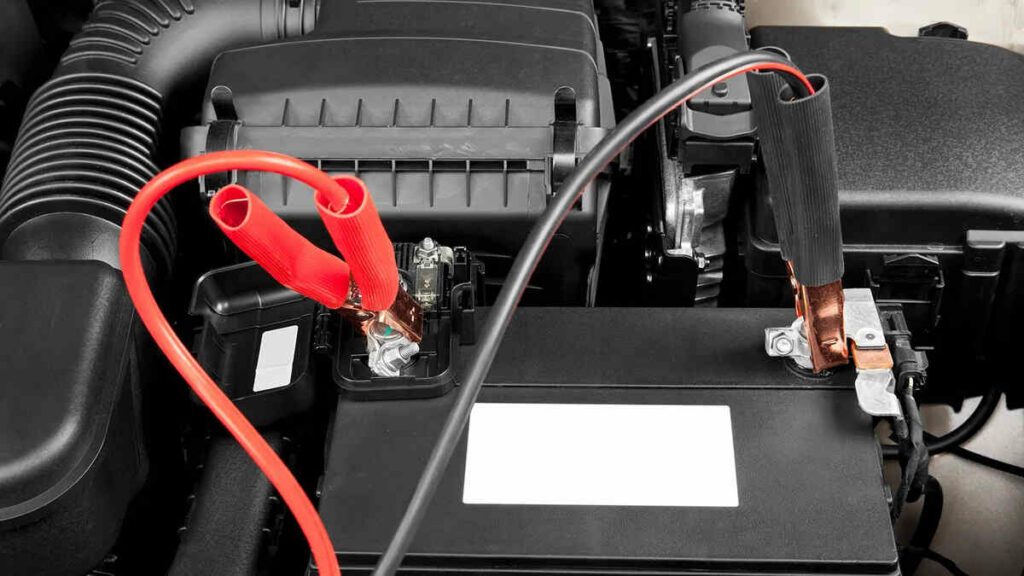
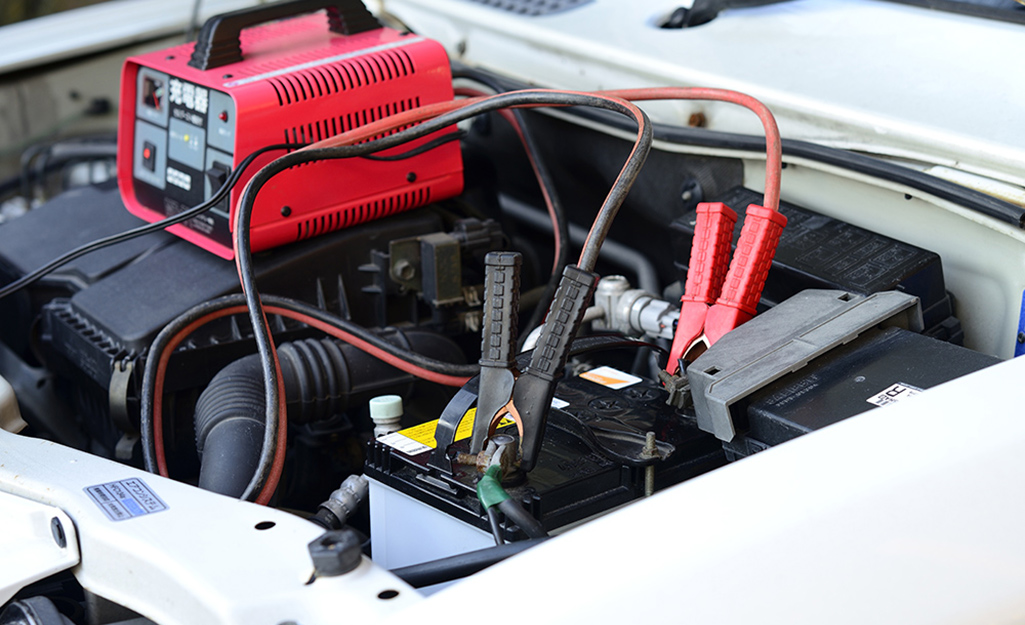
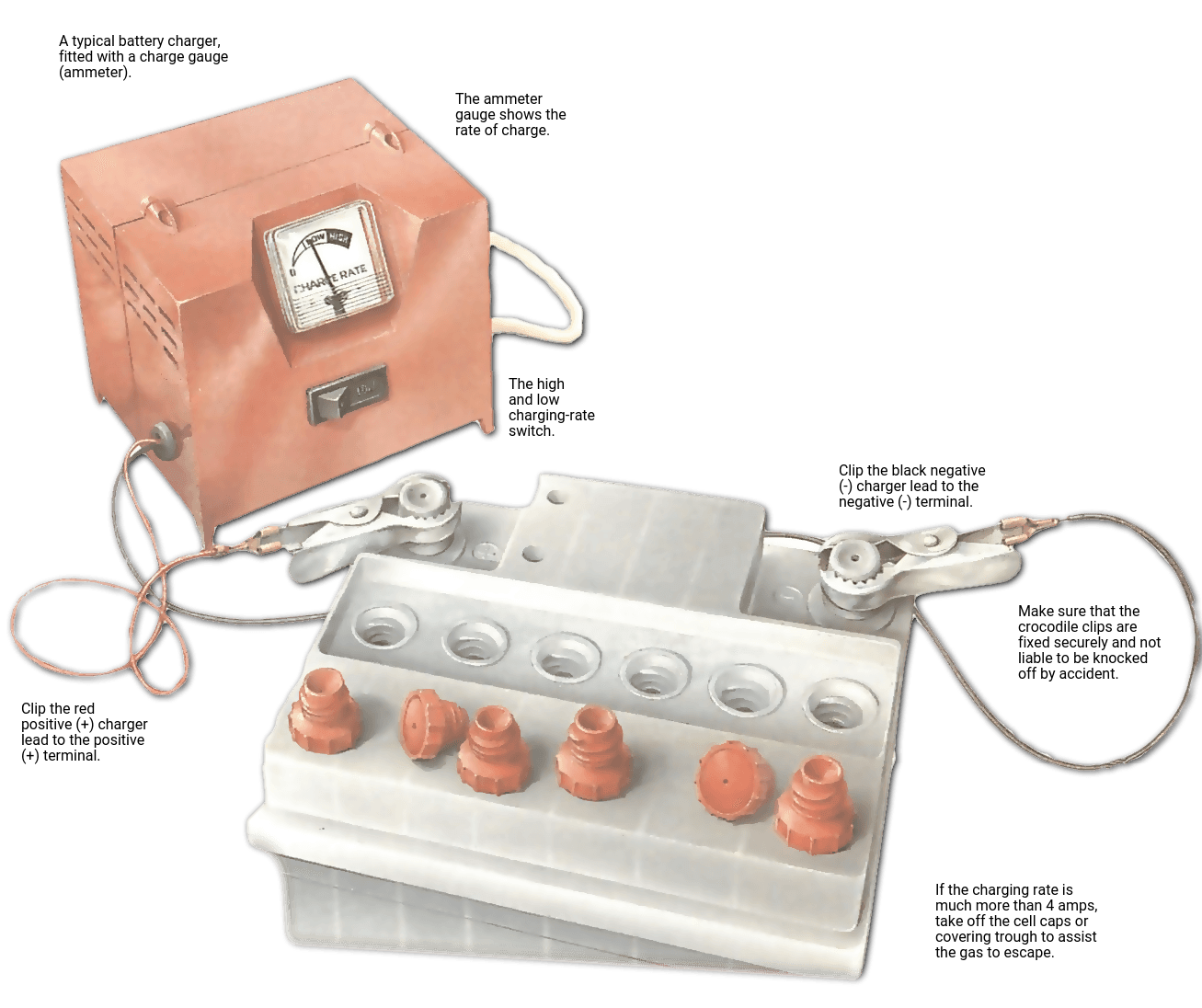
• Connect the red clamp to the positive terminal.
• Connect the black clamp to the negative terminal or a clean metal ground point.
• Plug in the charger only after the clamps are secure.
• Follow the charger and vehicle instructions.
If you are unsure where can I charge a car battery at home, check the battery label first. Most cars use a 12-volt lead-acid, AGM, or EFB battery, but each type may need a different charging mode.
At an auto parts store
Many auto parts stores offer battery testing. Some also charge batteries, but the service, price, and waiting time vary by location. Call first and ask whether the store charges your battery or only tests and sells batteries.
Some stores use a slow charger. This may take several hours. Others may offer a faster service, but fast charging is not always best for an old or weak battery.
Take the battery to the store only if it is safe to remove. Never carry a cracked, leaking, or badly swollen battery. Ask an employee for help if the battery is heavy or difficult to access.
At a repair shop or dealership
A repair shop can charge the battery and test the vehicle’s charging system. This is useful when the battery keeps going dead.
The shop can check:
• Battery health
• Alternator output
• Starter draw
• Parasitic electrical drain
• Loose or corroded connections
This option costs more than home charging, but it can find the real cause. A charged battery will not stay charged if the alternator is failing or an electrical device keeps draining power.
Through roadside assistance
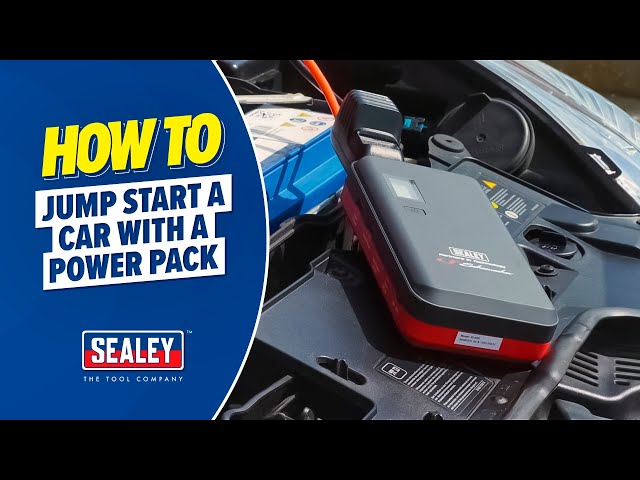
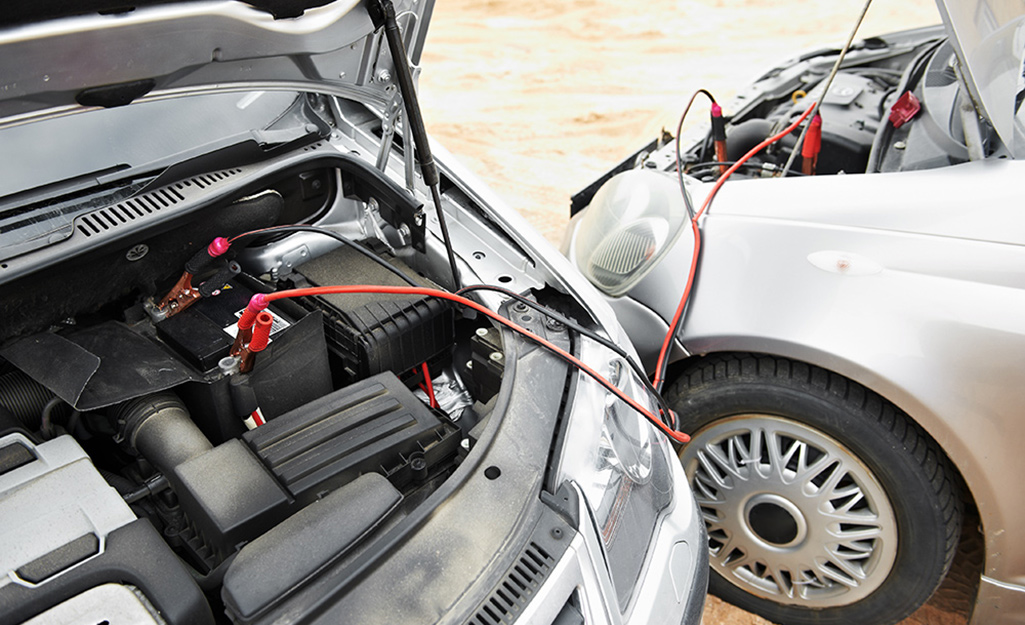
Roadside assistance can usually provide a jump-start. Some providers may bring a portable charger or arrange a battery replacement.
A jump-start gets the engine running. It does not fully charge the battery. After a jump, drive to a safe place and use a proper charger, or ask a technician to test the battery and charging system.
At a public EV charging station
A public EV charging station is for the high-voltage battery in a fully electric vehicle or plug-in hybrid. It is not normally designed to charge a regular 12-volt car battery.
Electric vehicles still have a small 12-volt battery. That battery powers locks, computers, lights, and other systems. If it fails, you usually need roadside help or a suitable 12-volt charger. Do not connect a standard car battery charger to an EV’s high-voltage system.
How to charge a 12-volt car battery at home
Charging a car battery at home is simple when you use the right charger and follow the correct order. Think of the charger as a slow, steady faucet filling a tank. Too much current can create heat and damage the battery.
What you need
You may need:
• A smart 12-volt battery charger
• Safety glasses and protective gloves
• A clean, dry work area
• A vehicle owner’s manual
• A voltmeter, if available
A charger with a 4-amp to 10-amp setting works for many passenger vehicles. A lower setting takes longer but is gentler. Always use the battery maker’s recommended setting when one is provided.
Charging steps
Follow these steps for most removable or installed 12-volt batteries:
-
Read the charger instructions and vehicle manual.
-
Turn off the car and remove the keys.
-
Inspect the battery before connecting anything.
-
Set the charger to the correct battery type and voltage.
-
Connect the red clamp to the positive terminal.
-
Connect the black clamp to the negative terminal or approved ground point.
-
Plug in the charger and start the charging cycle.
-
Let the charger finish its automatic cycle.
-
Turn off and unplug the charger.
-
Remove the black clamp first, then remove the red clamp.
Keep sparks, cigarettes, flames, and other ignition sources away from the battery. Lead-acid batteries can release hydrogen gas, which can ignite.
Charging a battery without removing it
Many modern vehicles allow you to charge the battery while it remains installed. This can save time and prevent lost radio settings or computer memory.
However, some vehicles have special charging points or battery sensors. Use the designated points listed in the owner’s manual. Hybrid and electric vehicles may have additional rules, so do not guess.
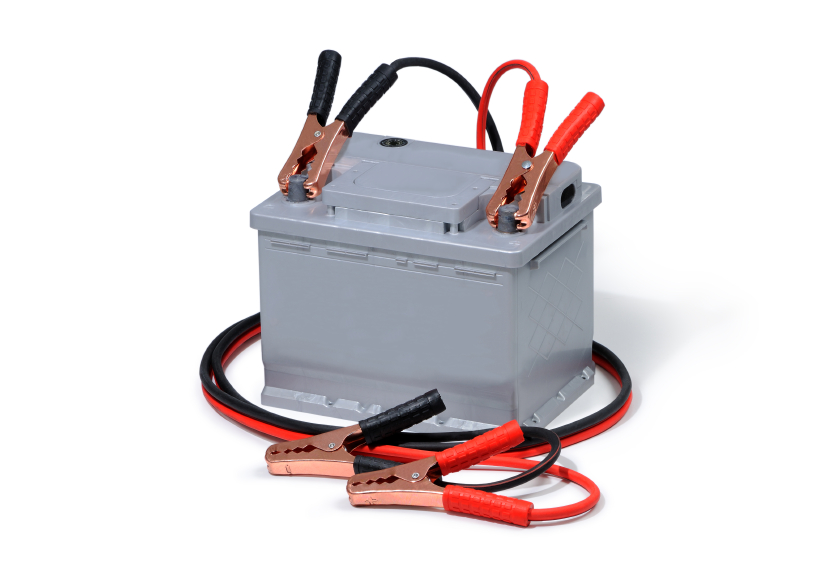
How long does it take to charge a car battery?
Charging time depends on the battery’s size, its state of charge, and the charger’s output. A small charger may need overnight time, while a stronger charger may restore a partially drained battery in a few hours.
Typical estimates for a healthy 12-volt battery include:
• Trickle charger at 1 to 2 amps: 24 to 48 hours
• Standard charger at 4 to 6 amps: 8 to 16 hours
• Charger at 10 amps: 4 to 8 hours
• High-output charger: Less time, but greater heat and battery stress
These are rough estimates, not promises. A deeply discharged battery may need much longer. A damaged battery may never reach a full charge.
Do not rely only on the charger’s timer. A smart charger usually changes to a maintenance mode when the battery is full. A basic charger may continue sending current, so you must monitor it and follow the instructions.
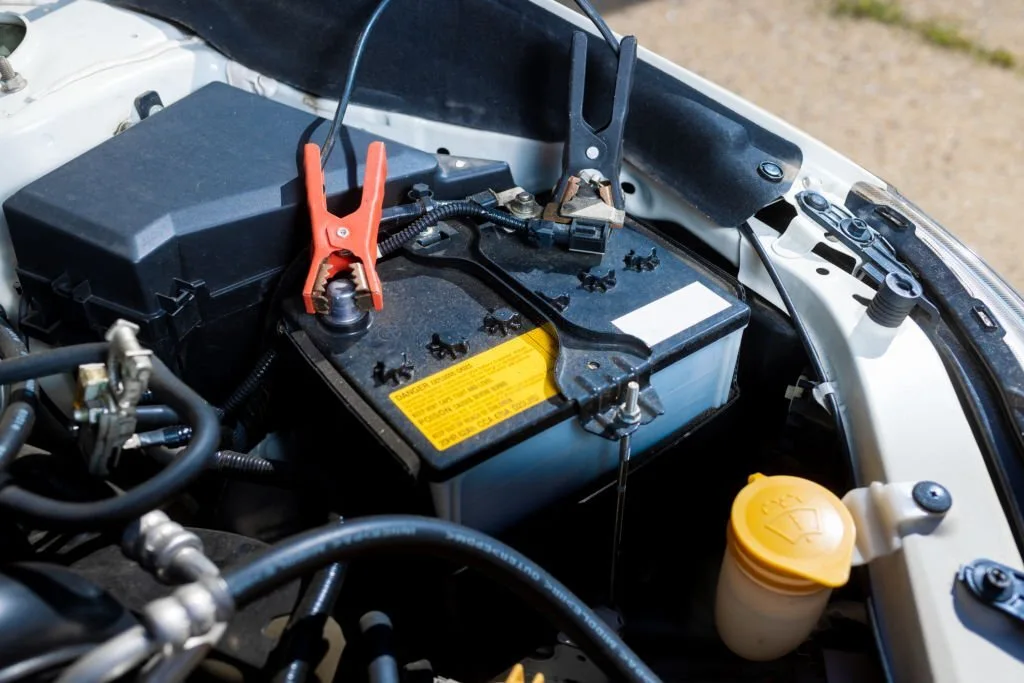
Can I charge a car battery by driving?
Driving can restore some power after a jump-start, but it is not a reliable replacement for a battery charger. The alternator is designed mainly to power the vehicle’s electrical systems and maintain the battery, not to recover a deeply discharged battery.
A longer drive may help a healthy battery that is only slightly low. Short trips often do little because starting the engine uses a large burst of energy.
If you jump-start the car, drive directly to a safe location. Do not turn the engine off until you reach your destination. Then test the battery and alternator. If the battery dies again, driving more may only delay the problem.
A common mistake is leaving the car idling for an hour and assuming the battery is fully charged. Idling usually charges more slowly than normal driving, and it can create exhaust risks in enclosed areas.
How to know whether the battery needs charging or replacement
Charging helps when the battery is healthy but low. It cannot repair a battery with internal damage, severe sulfation, or a shorted cell.
Watch for these signs:
• The engine cranks slowly.
• The lights dim when you start the car.
• The battery case is swollen or cracked.
• The battery is more than three to five years old.
• The car needs repeated jump-starts.
• The battery warning light stays on while driving.
• The charger quickly reports a fault.
A fully charged battery often measures about 12.6 volts after resting, although readings vary by battery type and temperature. A reading near 12.2 volts suggests partial discharge. A much lower reading may indicate a deeply discharged or damaged battery.
Voltage alone does not prove that a battery is healthy. A battery can show a normal voltage and still fail under the heavy load needed to start an engine. A professional load test gives a better answer.
If the battery tests well but keeps losing power, ask for a charging-system and parasitic-drain test. The problem may be a weak alternator, poor cable connection, interior light, aftermarket alarm, or another electrical fault.
Where can I charge a car battery for free?
Free charging may be available, but policies vary. Some auto parts stores offer free battery testing and may charge a battery as a customer service. Some repair shops include charging with a battery replacement or inspection.
You may also find free help through:
• A friend or neighbor with a smart charger
• A workplace garage
• A community roadside assistance program
• A vehicle warranty or insurance benefit
• A battery retailer’s service department
Ask what the service includes. Free battery testing does not always mean free charging. Also ask how long the process takes and whether the store accepts batteries removed from the vehicle.
For an EV, free public charging may be offered at workplaces, hotels, dealerships, or stores. Check the station’s terms before assuming it is free. Charging fees can include energy use, parking, connection, or idle time.

Safety tips when charging a car battery
Battery charging is usually safe when done correctly, but a battery stores a large amount of energy. Careless connections can cause sparks, burns, or damage to the vehicle.
Keep these rules in mind:
• Never charge a frozen battery. Let it thaw and inspect it first.
• Do not charge a battery that is cracked, leaking, or swollen.
• Wear eye protection when working near battery terminals.
• Keep metal tools away from both terminals.
• Use the correct voltage and battery mode.
• Do not place the charger on top of the battery unless the instructions allow it.
• Stop charging if the battery becomes very hot, smells strongly, or makes unusual sounds.
• Keep children and pets away from the work area.
• Never charge a battery in a sealed room.
Also check the cable condition. Frayed wires, loose clamps, or damaged plugs can create a shock or fire hazard. When in doubt, choose a repair shop instead of guessing.
Common mistakes to avoid
Knowing where can I charge a car battery is only part of the solution. Using the wrong method can waste time or create a safety risk.
Confusing a jump-starter with a charger
A jump box provides a strong burst of power for starting. It usually does not recharge the battery fully. After using one, connect the battery to a charger or have it tested.
Using the wrong charger setting
AGM batteries may need an AGM mode. Lithium batteries need a charger made for lithium chemistry. Using the wrong setting can reduce battery life or cause damage.
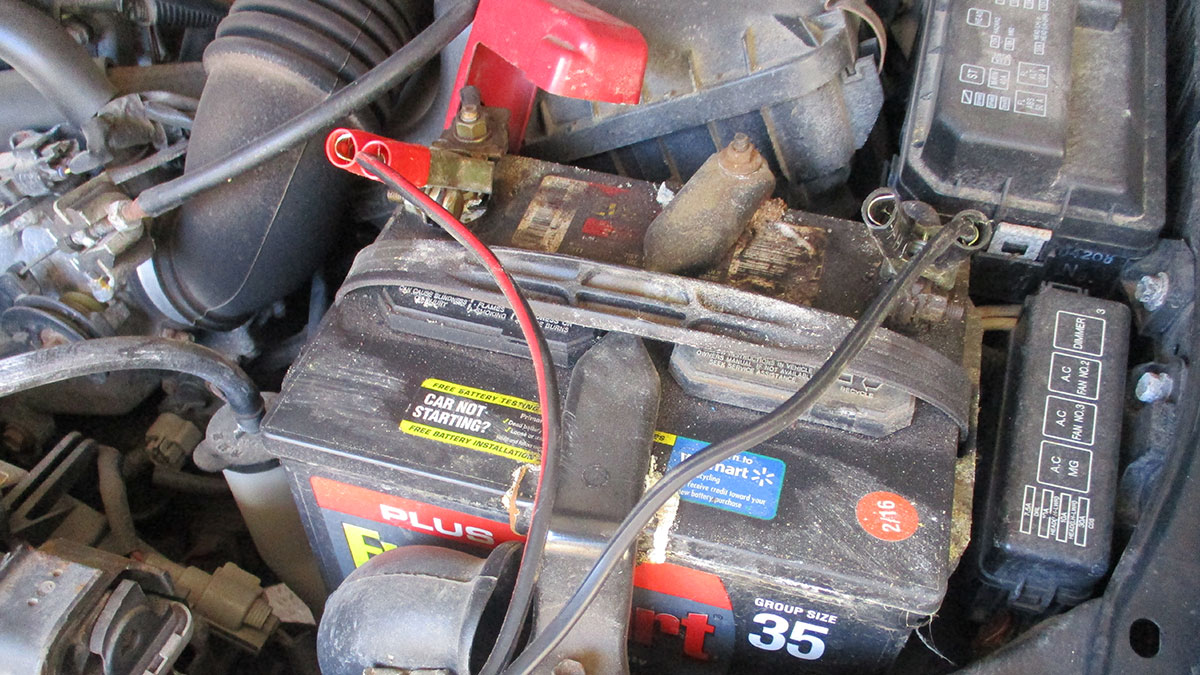
Ignoring corrosion
White, blue, or green buildup around a terminal can restrict current. Clean corrosion carefully with the correct method, and wear eye protection. Do not scrape terminals while the charger is connected.
Charging inside a closed garage
A closed garage can collect dangerous fumes. Open the garage door fully, or move the vehicle outdoors when possible.
Assuming a new battery solved everything
A new battery that goes dead may point to an alternator or electrical drain. Test the entire system before buying another battery.
In my experience, the most costly mistake is treating every dead battery as a simple charging problem. A battery that fails after one cold night may need a charge, but one that fails every week needs a proper diagnosis.
Choosing the best place to charge a car battery
Use this simple guide:
• Choose home charging when you have a safe area and several hours.
• Choose an auto parts store when you need testing or do not own a charger.
• Choose a repair shop when the battery repeatedly dies.
• Choose roadside assistance when the vehicle will not start and you are stuck.
• Choose an EV charging station only for the vehicle’s high-voltage EV battery.
Consider the battery’s condition as well. If it is old, swollen, leaking, or unable to hold a charge, replacement may be safer and more practical than charging.
A quality smart charger is useful for many drivers. It can maintain a vehicle during long storage, winter breaks, or periods of limited driving. Store the charger in a dry place and inspect it before each use.
Frequently Asked Questions About Where Can I Charge a Car Battery
Where can I charge a car battery near me?
You can try an auto parts store, repair shop, dealership, or roadside assistance provider. Call first because not every location offers charging, and service times and fees differ.
Can I charge my car battery at home?
Yes, most 12-volt car batteries can be charged at home with a suitable smart charger. Use good ventilation, connect the clamps correctly, and avoid charging a damaged or frozen battery.
Can I charge a car battery at a gas station?
Most gas stations provide fuel and air services, but they do not usually offer battery charging. Some may sell jump-starters or provide emergency help, so ask the station directly.
Does driving charge a dead car battery?
Driving may restore some energy to a lightly discharged battery, but it may not fully charge a dead battery. Use a proper charger and test the charging system if the problem returns.
Can an auto parts store charge my battery for free?
Some auto parts stores offer free battery testing and may provide charging, but policies vary. Ask whether the service is free, how long it takes, and whether the battery must be removed.
Can I charge a car battery without disconnecting it?
Often, yes. Many vehicles allow charging while the battery is installed, but some have special connection points or battery sensors, so check the owner’s manual first.
Can I use an EV charging station for a regular car battery?
No. Public EV stations charge a vehicle’s high-voltage traction battery and are not designed for a normal 12-volt starter battery. Use a 12-volt charger or contact roadside assistance instead.
Conclusion
You can charge a car battery at home, an auto parts store, a repair shop, or through roadside assistance. The right choice depends on whether you have a standard 12-volt battery or an EV, how quickly you need help, and whether the battery is still healthy.
Use a smart charger for safe home charging, keep the area ventilated, and never charge a cracked, leaking, swollen, or frozen battery. If the battery keeps going dead, test the alternator and electrical system instead of charging it again and again.
Check your owner’s manual, choose the safest option, and ask a qualified technician when something seems wrong. Share your battery-charging experience or explore more vehicle maintenance guides to keep your car ready for the road.