Introduction
Yes, you can keep Clorox wipes in a car for a short time, but you should not store them there long term. In the United States, parked car interiors can become very hot in summer and very cold in winter. Those temperature swings may dry out the wipes, damage the package, cause leaks, or reduce the product’s cleaning performance.
For the best results, store Clorox wipes in a cool, dry place at home. Take them in the car only when you expect to use them soon. Keep the lid closed, protect the container from direct sun, and check the wipes before use.

Why Car Temperatures Can Damage Clorox Wipes
A car is not a stable storage area. Even when the outdoor temperature feels mild, the inside of a parked vehicle can heat up quickly. The National Highway Traffic Safety Administration warns that vehicle temperatures can rise to dangerous levels, even on days that do not feel extremely hot.
Heat can affect disinfecting wipes in several ways:
- Moisture may evaporate through the lid or seal.
- The wipes may become dry and less useful.
- The liquid may separate or change over time.
- The plastic tub, lid, or seal may warp.
- The container may leak inside the car.
- The product may no longer work as stated on its label.
Freezing temperatures can also cause problems. Water-based liquid may freeze and expand. That expansion can stretch or crack the package. After thawing, the wipes may be unevenly wet, and the container may not seal well.
Clorox’s product directions vary by wipe type. The Clorox Disinfecting Wipes product page advises users to keep the container closed when not in use and follow the label directions. The exact active ingredient, contact time, and permitted surfaces depend on the product version.
Is a hot car a fire risk?
Regular Clorox disinfecting wipes are generally water-based and are not treated like gasoline, aerosol cans, or other highly flammable car hazards. However, that does not make a hot car a good storage place.
The main concerns are product damage, leakage, and reduced effectiveness. Do not place wipes beside a heat source, on a dashboard in direct sun, or near an open flame. Do not leave them in a sealed plastic bag with other products that could react if the container leaks.

How Long Can Clorox Wipes Stay in a Car?
There is no single safe number of days for every car, climate, and wipe formula. A short trip is usually less concerning than leaving the container in a parked vehicle for weeks or months.
Use this as a practical guide:
| Storage situation | Practical advice |
|---|---|
| In the car during a short errand | Usually acceptable if the lid stays closed |
| In a shaded car for one day | Check the package before use |
| In a hot car for several days | Move the wipes indoors and inspect them |
| In a car through summer | Not recommended |
| In a freezing car overnight | Let the container thaw indoors and inspect it |
| In direct sun or near a heater | Remove it as soon as possible |
| Leaking, cracked, or dried container | Do not rely on it for disinfection |
This table is a practical risk guide, not a manufacturer shelf-life test. The printed expiration date still matters. Heat and freezing may reduce performance before that date.
A useful rule is simple: store wipes in the car only for convenience, not as permanent emergency supplies.

What Should You Do If Clorox Wipes Were Left in a Hot Car?
Inspect the container before using the wipes. Do not assume the product is fine because the package looks normal.
Follow these steps:
- Move the container to a cool indoor place. Do not cool it rapidly with ice or place it in a freezer.
- Wait until it returns to room temperature.
- Check the tub, lid, seal, and bottom for cracks, swelling, warping, or leaks.
- Open the lid and inspect the top wipe.
- Look for normal moisture and texture. A wipe that is dry, brittle, slimy, discolored, or unusually scented should be discarded.
- Check the expiration date and label.
- Use a new container if you need reliable disinfection, especially for medical, food-safety, or illness-control purposes.
Do not try to add water, rubbing alcohol, bleach, or another cleaner to dried wipes. Changing the formula can alter its safety and effectiveness. It can also damage the material or create unwanted chemical exposure.
Place damaged wipes in a sealed bag before putting them in household trash. Clean any liquid from the car with gloves and plenty of water. Follow the product label and your local waste rules if a large amount spills.
What if the wipes froze?
Let frozen wipes thaw at room temperature. Do not microwave them, heat them with a hair dryer, or place them on a radiator.
After thawing, inspect the package. If the seal is broken, the wipes are dry, the liquid has separated, or the container leaked, replace the product. Even if the wipes look normal, freezing may make their performance less predictable.

Where Is the Safest Place to Keep Wipes in a Car?
The safest short-term location is a shaded, stable area inside the passenger compartment. Keep the container upright and away from direct sunlight.
Better locations include:
- A covered center-console compartment
- A closed door pocket
- A small storage bin under a seat
- A travel bag that you bring indoors after use
Avoid these locations:
- The dashboard
- The top of the center console
- A windowsill or rear parcel shelf
- Near a heater or defroster vent
- Inside a glove box that becomes very hot
- The trunk during extreme heat or freezing weather
A covered compartment can reduce sunlight, but it cannot stop the car from becoming hot. If the vehicle will sit outside for a long period, take the wipes with you.
For families, keep wipes out of the reach of children. A child may mistake a wipe for a hand-cleaning product or open the container and touch the liquid. Clorox’s label directions should be followed for exposure, disposal, and surface use.

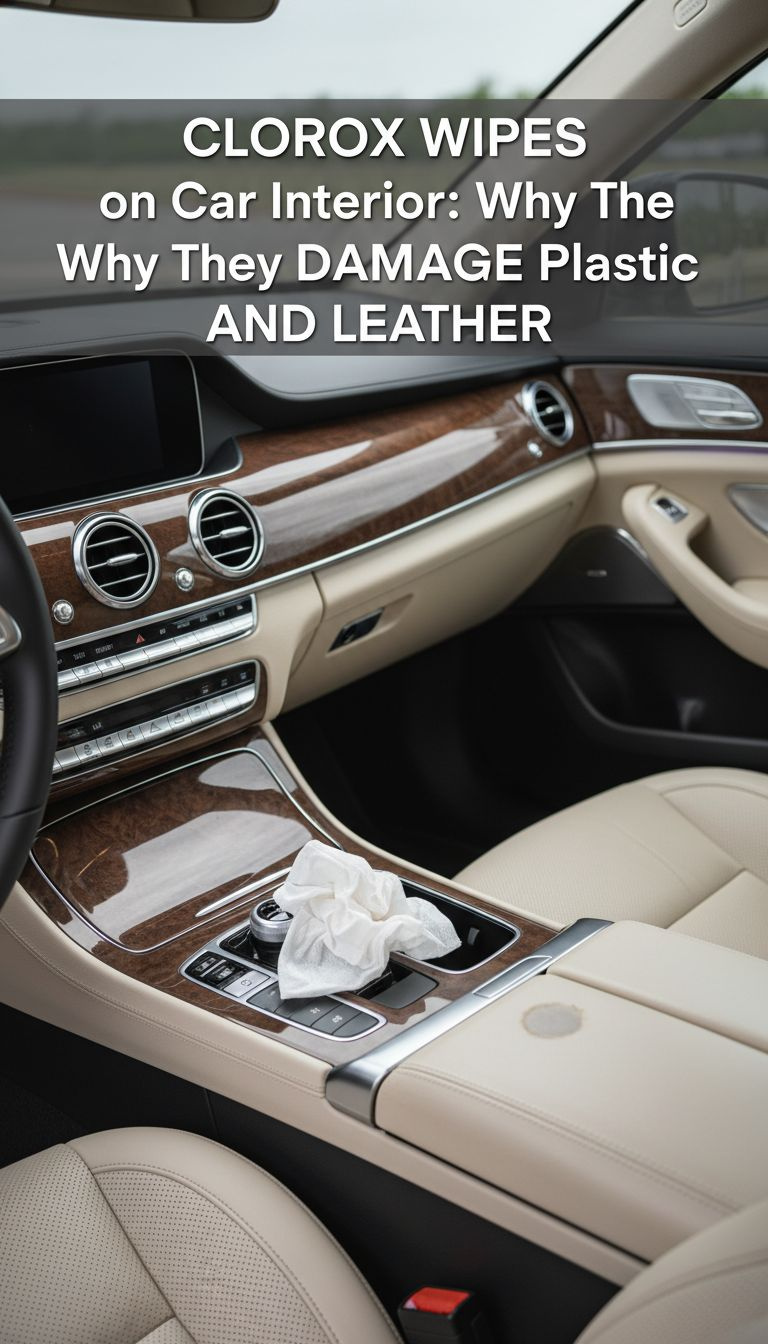
Can You Use Clorox Wipes on Car Surfaces?
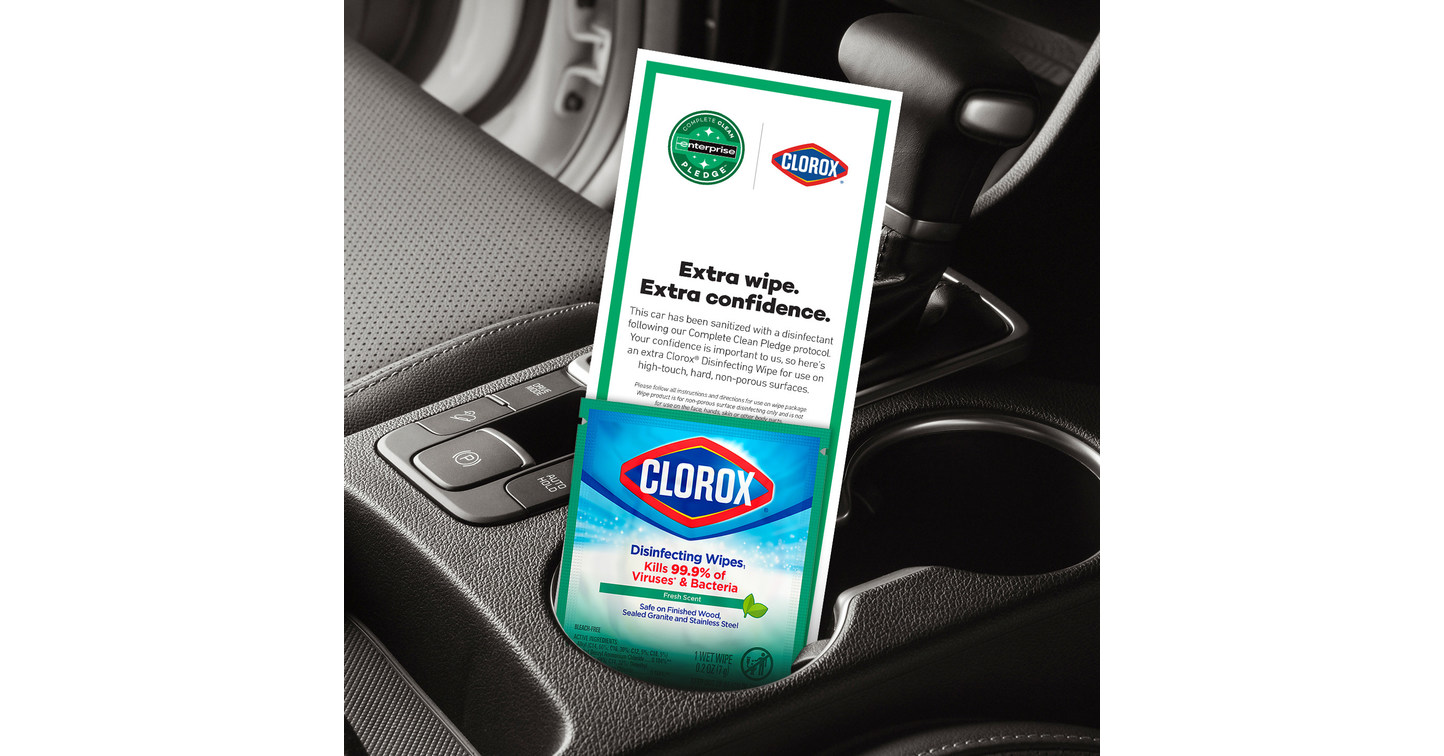
You can use some Clorox wipes on certain hard, nonporous car surfaces, but you should check the product label and the vehicle manufacturer’s care instructions first.
Many car interiors contain materials that can stain, fade, dry out, or become dull after repeated contact with disinfectants. Be cautious with:
- Leather
- Suede or Alcantara-style fabric
- Unsealed wood
- Painted trim
- Touchscreens
- Instrument panels
- Clear plastic
- Seat belts
- Navigation displays
- Soft-touch coatings
For a hard, nonporous surface:
- Remove visible dirt first if the label requires it.
- Test the wipe on a hidden area.
- Apply the wipe without soaking the surface.
- Keep the surface visibly wet for the label’s stated contact time.
- Allow it to air dry unless the label says to wipe it again.
- Use a clean microfiber cloth on screens or surfaces that should not stay wet.
Do not use Clorox wipes on skin, food, or hands unless the label specifically says the product is intended for that use. Disinfecting wipes are not a substitute for handwashing. The Centers for Disease Control and Prevention recommends soap and water for routine hand cleaning, with hand sanitizer used in suitable situations when soap and water are not available.
Never mix Clorox wipes or their liquid with bleach, ammonia, vinegar, toilet cleaner, or another chemical. Mixing cleaners can release irritating or dangerous vapors.
Do Clorox Wipes Still Disinfect if They Dry Out?
A completely dry wipe should not be treated as a reliable disinfectant. The liquid carries the active ingredient across the surface and helps keep the surface wet for the required contact time.
A wipe may still remove dust or light grime after it becomes partly dry, but cleaning is not the same as disinfecting. If the label requires a surface to remain wet for a set period, a dry wipe cannot meet that direction.
Replace wipes that are:
- Dry or barely damp
- Hard or brittle
- Discolored
- Covered in residue
- Strongly different in smell from a new container
- Contaminated with dirt
- Past their expiration date
Do not pour liquid from another container into a tub of dry wipes. Different products may contain different chemicals and concentrations. The result would not be a tested or labeled product.
If you need dependable disinfection, use a new container stored indoors and follow its label exactly. The U.S. Environmental Protection Agency’s List N explains how registered disinfectant products are evaluated for specific claims. A product’s inclusion or label claim does not mean every wipe works on every surface or every germ.

Clorox Wipes in a Car: Common Mistakes to Avoid
The most common mistake is treating a car like a climate-controlled cabinet. It is not. Repeated heat, cold, sunlight, and vibration can shorten the useful life of the wipes and the container.
Avoid these errors:
- Leaving wipes in the car all summer
- Storing them in direct sunlight
- Using a leaking or cracked tub
- Adding water to dried wipes
- Using disinfecting wipes on hands or skin
- Wiping food-contact surfaces without following the label
- Using them on leather without a spot test
- Ignoring the required wet contact time
- Mixing the product with another cleaner
- Leaving the lid open between uses
- Assuming a familiar brand means every formula has the same directions
A closed lid helps protect the wipes, but it does not prevent heat damage. The best habit is to keep a small container in the car only during a trip, then bring it inside when you arrive home.
A Simple Decision Guide
Use this quick check before using wipes that have been stored in a vehicle:
- Container is sealed, wipes are moist, and the date is valid: Use them according to the label.
- Container is warm but undamaged: Let it cool indoors, then inspect the wipes.
- Wipes are partly dry: Use them only for basic cleaning, not dependable disinfection; replacement is better.
- Container leaked or cracked: Discard the product and clean the affected area.
- Wipes froze but the package stayed intact: Thaw at room temperature and inspect them carefully.
- You need to disinfect a high-risk surface: Use a new, properly stored product.
- You are unsure which surfaces are safe: Check the wipe label and the vehicle owner’s manual.
The deciding trade-off is convenience versus reliability. Keeping wipes in a car may save a trip inside, but indoor storage gives you more confidence that the product remains usable.
Frequently Asked Questions
Can I leave Clorox wipes in my car overnight?
Usually, one mild night is unlikely to ruin an unopened container. However, freezing weather, extreme heat, direct sun, or a damaged package can change the answer. Inspect the container before use and avoid making overnight car storage a routine.
Can Clorox wipes explode in a hot car?
A standard tub of water-based Clorox wipes is not like an aerosol can or fuel container. It is not expected to explode under normal car-storage conditions. Heat can still cause leaks, warping, drying, or pressure-related lid problems, so do not leave the tub in direct sun or near a heat source.
Can I leave disinfecting wipes in my glove box?
Yes, for short-term use, if the glove box stays closed and the container remains upright and sealed. A glove box can still become very hot, so remove the wipes when the car will be parked for a long time in hot or freezing weather.
Are Clorox wipes safe for car seats?
Check both the wipe label and the seat manufacturer’s care instructions. Many car seats use materials that can be damaged by strong cleaners. Do not saturate straps, harness webbing, padding, leather, or specialty fabric unless the manufacturer specifically permits that product.
Can I use Clorox wipes on my steering wheel?
Only if the wipe label and steering-wheel material allow it. Test a hidden area first. Do not soak the wheel, buttons, seams, or electronic controls. Repeated use may affect leather, coatings, or soft-touch finishes.
What is better for keeping a car clean?
For routine cleaning, use a product made for the specific car surface. Use disinfecting wipes only when disinfection is needed and the label allows that surface. A microfiber cloth and suitable interior cleaner are often better for daily dust and grime.
Conclusion
You can leave Clorox wipes in your car briefly, but long-term storage is not recommended. Heat, freezing temperatures, sunlight, and poor sealing can dry the wipes, damage the tub, or make disinfection less reliable.
Keep the container closed and shaded during short trips. Bring it indoors when you get home, and replace any product that is dry, leaking, damaged, discolored, expired, or exposed to extreme temperatures. Always follow the exact Clorox label and your vehicle manufacturer’s surface-care instructions.