Yes, a car battery can be recharged if its cells and plates are still healthy.
Knowing whether a car battery can be recharged can save you money and prevent a stressful roadside breakdown. In most cases, a weak battery can recover with a proper charger or a healthy drive, but a damaged or worn-out battery may need replacement. This guide explains how charging works, when it is safe, and how to avoid common mistakes.
Can a Car Battery Be Recharged?
Yes, a car battery can be recharged when it has simply lost electrical power. This often happens when lights, the radio, or another accessory stays on while the engine is off. A battery can also go flat after a vehicle sits unused for several weeks.
Most modern cars use a 12-volt lead-acid battery. It stores electrical energy through a chemical reaction. When the engine starts, the battery sends power to the starter motor. Once the engine runs, the alternator restores much of the energy used during starting.
However, recharging is not a cure for every battery problem. A battery with broken plates, a shorted cell, severe corrosion, or heavy sulfation may not hold a charge. In that case, charging it may offer only a short-term fix.
A simple rule is this:
• A discharged battery may be rechargeable.
• A physically damaged battery usually needs replacement.
• A battery that repeatedly loses power may point to a vehicle electrical problem.

How Does a Car Battery Recharge?
A car battery recharges when electrical current flows back into its cells. That current reverses part of the chemical reaction that occurs during normal use.
There are two common ways to recharge a car battery:
Using the alternator
The alternator charges the battery while the engine runs. It also powers the car’s electrical systems, such as the headlights, climate controls, and dashboard.
A short drive may help after a minor drain. Still, idling for a few minutes is not always enough. The alternator may need 30 minutes or more of steady driving to restore useful power, depending on the battery condition and the vehicle.
Modern cars can make this more complex. Some models reduce charging to improve fuel economy. Others use smart charging systems that change voltage based on driving conditions and battery needs.
Using a battery charger
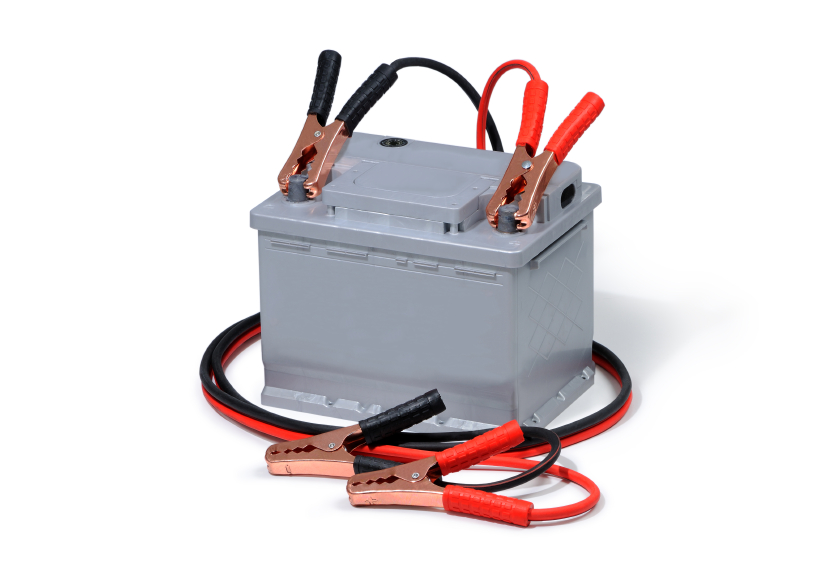
A battery charger connects to household power and sends a controlled current into the battery. This is often safer and more complete than relying on a short drive.
A smart charger can detect battery voltage and reduce the charge as the battery becomes full. Some chargers also offer special modes for maintenance or mild sulfation.
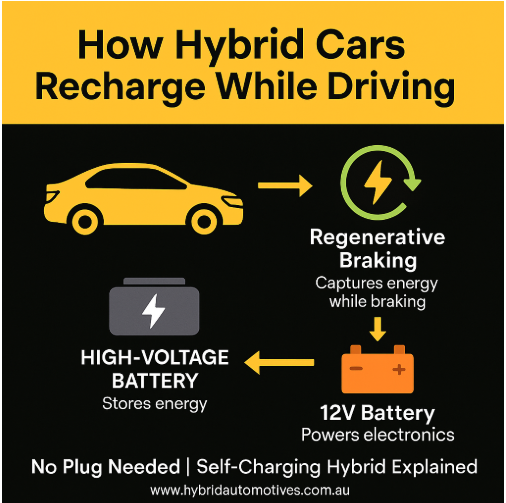
When someone asks, “can a car battery be recharged,” the charger type matters. Use a charger designed for your battery chemistry and voltage. Most standard vehicles use a 12-volt battery, but hybrid and electric vehicles use different systems.
Signs Your Car Battery May Need a Recharge
A weak battery often gives warning signs before it fails completely. Paying attention to these signs can help you avoid being stranded.
Look for:
• Slow engine cranking when you turn the key or press the start button.
• A clicking sound from the starter.
• Headlights that look dim, especially at idle.
• Flickering dashboard lights.
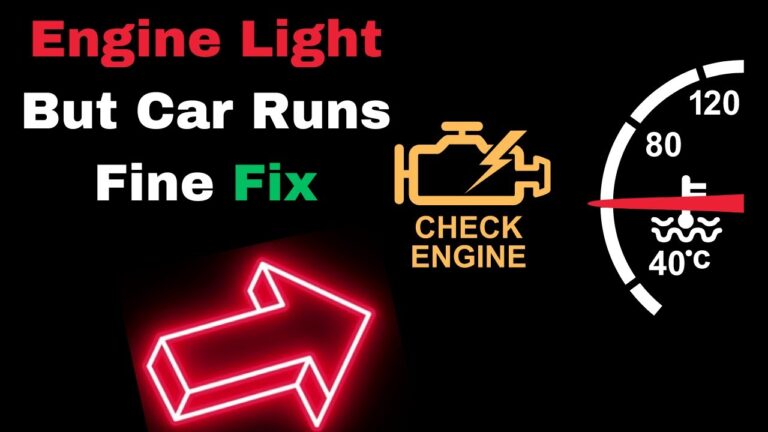
• A battery warning light on the instrument panel.
• Power windows or other accessories that work more slowly than usual.
• A clock or radio that resets after starting.
• The need for frequent jump-starts.
A single jump-start does not prove the battery is bad. The battery may have been drained by an open door, cold weather, or an accessory left on. If it becomes weak again after a full charge, the battery may be aging or the vehicle may have a parasitic drain.
Cold weather is also important. Low temperatures slow the battery’s chemical reaction. At the same time, the engine oil becomes thicker, so the starter needs more power. This is why a battery may fail on a cold morning even when it worked the day before.

How to Recharge a Car Battery Safely
Before charging, read the vehicle owner’s manual and the charger instructions. Some vehicles have special jump-start points or battery monitoring systems. The manual will also explain whether the battery can be charged while connected.
Follow these steps for a basic 12-volt lead-acid battery:
-
Park the vehicle in a dry, well-ventilated place.
-
Turn off the ignition, lights, radio, and all accessories.
-
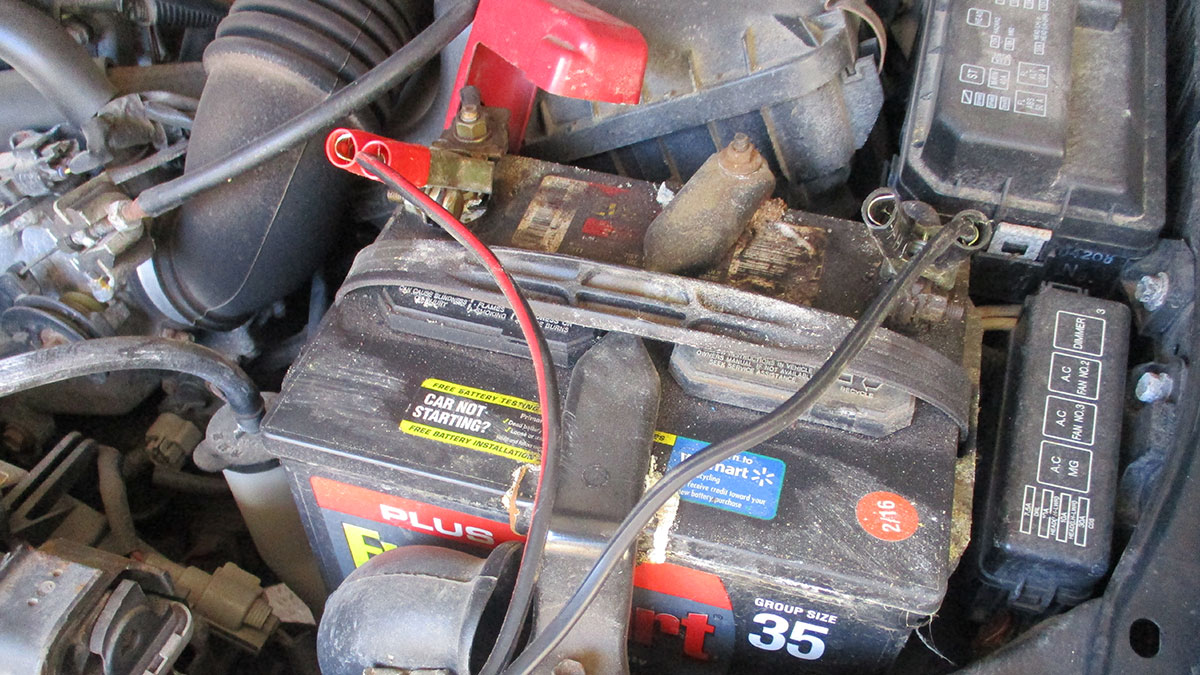
Inspect the battery for cracks, leaks, bulges, or strong odors.
-
Do not charge a battery that is frozen, leaking, or badly damaged.
-
Set the charger to the correct voltage and charging mode.
-
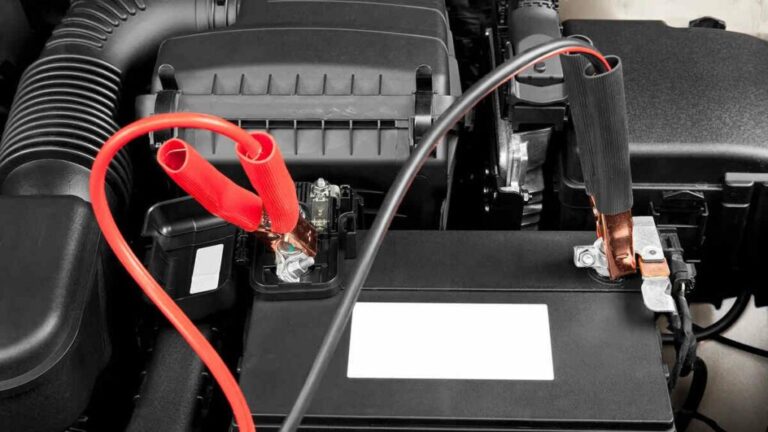
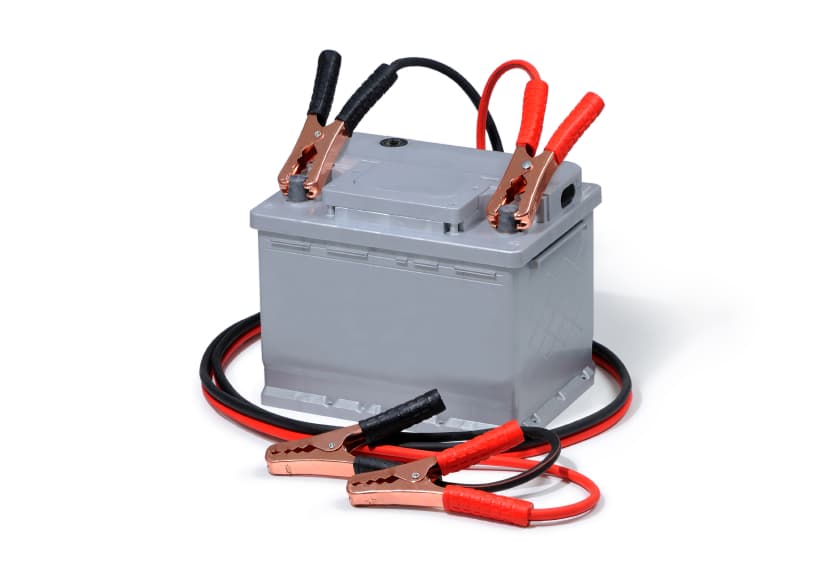
Connect the red clamp to the positive terminal.
-
Connect the black clamp to the negative terminal or a clean metal ground point, as instructed by the manual.
-
Plug in the charger and start with a low or moderate charge rate.
-
Let the charger complete its cycle.
-
Turn off and unplug the charger before removing the clamps.
-
Remove the black clamp first, followed by the red clamp.
A slow charge is usually kinder to a battery than a high-speed charge. Fast charging can create heat and stress, especially in an old battery. Never smoke or create sparks near a charging battery because it can release flammable gas.
Wear eye protection and keep metal tools away from both terminals. If the battery is inside the passenger area or trunk, use the correct ventilation and charging procedure.
How Long Does It Take to Recharge a Car Battery?
Charging time depends on the battery size, its current condition, and the charger’s output.
A small maintenance charger may need 12 to 24 hours to fully recharge a deeply drained battery. A stronger charger may do the job in several hours, but faster is not always better.
Typical charging times include:
• A low-rate charger at 2 amps: often 12 to 24 hours.
• A medium charger at 6 amps: often 4 to 10 hours.
• A higher charger at 10 amps: often 2 to 6 hours.
These are general estimates, not guarantees. A battery with internal damage may never reach full charge. A smart charger may also stop early if it detects a fault.
After charging, allow the battery to rest for a short time. Then check whether the engine starts strongly. For a more accurate test, an automotive technician can measure battery voltage, cranking power, and charging-system output.
Can You Recharge a Car Battery by Driving?
Driving can recharge a car battery, but it may not fully restore a deeply discharged battery. The alternator is designed mainly to maintain battery charge and power the vehicle, not to act like a dedicated battery charger.
A longer drive on open roads is generally more useful than several short trips. Stop-and-go traffic, idling, headlights, climate controls, and heated seats all increase electrical demand.
Do not rely on driving if the battery is severely weak. A failing battery can leave you stuck when you stop the car. In that situation, use a proper charger first or have the charging system tested.
A common mistake is to jump-start the vehicle and immediately assume the problem is solved. I have seen many drivers make a short trip after a jump, turn the engine off, and then discover that the car will not start again. The safer approach is to charge the battery fully and test it.
How to Tell If the Battery or Alternator Is Bad
A battery and an alternator work together, but they are not the same part. A battery stores power and starts the engine. The alternator produces power while the engine runs.
Possible signs of a bad battery include:
• The engine cranks slowly.
• The battery is more than three to five years old.
• The battery loses charge after sitting overnight.
• A full charge does not last.
• The case is swollen or cracked.
Possible signs of an alternator problem include:
• The battery warning light stays on while driving.
• Lights become brighter or dimmer with engine speed.
• The vehicle stalls after a jump-start.
• The battery keeps going flat even though it tests well.
• Electrical accessories behave strangely while the engine runs.
A charging-system test can separate these problems. Many auto parts stores and repair shops offer basic battery and alternator testing. This is more reliable than guessing based only on sound or appearance.
When Should You Replace the Battery Instead?
Recharging may not be worthwhile when the battery is old or damaged. Lead-acid batteries commonly last about three to five years, although climate, driving habits, vehicle design, and maintenance can change that range.
Replace the battery if you notice:
• A cracked, swollen, or leaking case.
• A strong rotten-egg smell.
• A failed load test.
• A dead cell.
• Repeated failure after a complete recharge.
• Severe corrosion that affects the terminals or case.
• A battery that cannot hold voltage overnight.
Some batteries use sealed designs, while others allow electrolyte inspection. Never add tap water or acid unless the manufacturer specifically permits it. Use only the correct procedure for that battery type.
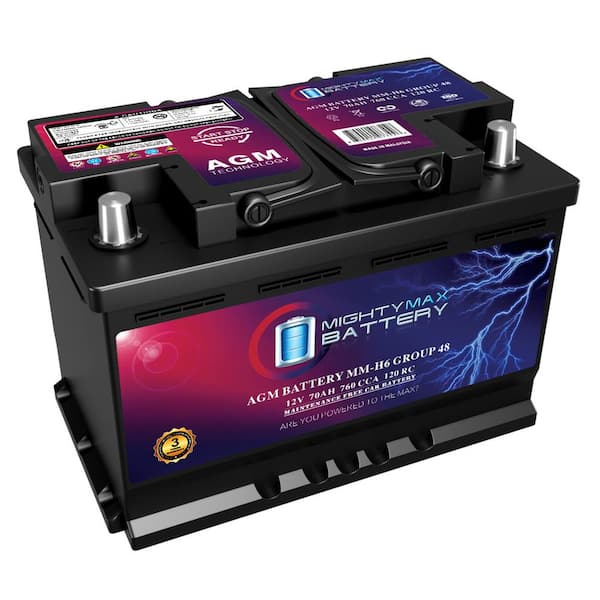
If your car has a start-stop system, it may need an AGM or enhanced flooded battery. Installing the wrong type can reduce performance and shorten battery life. Some vehicles also require battery registration after replacement so the charging system can work correctly.
Common Mistakes to Avoid When Recharging
Charging a battery is simple when done carefully, but a few mistakes can cause damage or injury.
Avoid these errors:
• Connecting the clamps backward.
• Using a 24-volt charger on a 12-volt vehicle battery.
• Charging a frozen or damaged battery.
• Charging in a sealed room with no ventilation.
• Leaving a high-output charger unattended.
• Using a damaged charger or frayed cable.
• Assuming a jump-start fully recharges the battery.
• Removing battery cables while the engine is running.
• Ignoring the vehicle manufacturer’s charging instructions.
One lesson worth remembering is that a charger cannot repair broken battery plates. It can restore energy, but it cannot reverse every type of wear. If a battery fails again soon after charging, testing is the next step.
Tips to Help a Car Battery Hold Its Charge
Good habits can extend battery life and reduce the chance of an unexpected failure.
• Turn off lights and accessories before leaving the car.
• Take regular longer drives if the vehicle often makes short trips.
• Clean corrosion from the terminals using the correct safety method.
• Keep the battery firmly secured so vibration does not damage it.
• Test the battery before winter or a long road trip.
• Use a maintenance charger if the vehicle sits for long periods.
• Check for aftermarket devices that may drain power.
• Replace a weak battery before extreme weather arrives.
If a vehicle sits for weeks, a smart maintainer can help keep the battery ready. Do not use an old-style charger continuously unless it is designed for maintenance charging.
Frequently Asked Questions About Can a Car Battery Be Recharged
Can a completely dead car battery be recharged?
Sometimes, yes. If the battery is only deeply discharged, a slow charger may restore it. If it has a damaged cell, frozen electrolyte, or severe sulfation, it may not accept or hold a charge.
How do I know if my car battery is rechargeable?
Inspect it for cracks, leaks, swelling, and other damage first. A battery that looks sound should be tested with a charger and, ideally, a professional load tester.
Can I recharge a car battery without disconnecting it?
Often, yes, but follow the vehicle and charger instructions. Some modern vehicles have sensitive electronics or special charging points, so using the recommended connection method is important.
Is it safe to recharge a car battery overnight?
A smart charger with automatic shutoff is generally suitable for extended charging when used correctly. Do not leave a damaged battery or an unsuitable manual charger unattended overnight.
Can driving recharge a car battery after a jump-start?
Driving may restore some charge, but it may not fully recharge a weak battery. A dedicated charger is more reliable, especially when the battery was deeply drained.
How many times can a car battery be recharged?
There is no single number because battery life depends on age, design, temperature, and depth of discharge. Repeated deep discharges shorten battery life, even when the battery can still be recharged.
Conclusion
So, can a car battery be recharged? Yes, if it is discharged but still healthy. A proper charger is usually the safest and most complete option, while the alternator can maintain charge during normal driving.
Check for damage before charging, use the correct equipment, and test the battery if the problem returns. If your battery is old, swollen, leaking, or unable to hold power, replacement is safer than repeated recharging. Follow these steps before your next trip, and explore your vehicle manual or a trusted repair shop for model-specific advice.