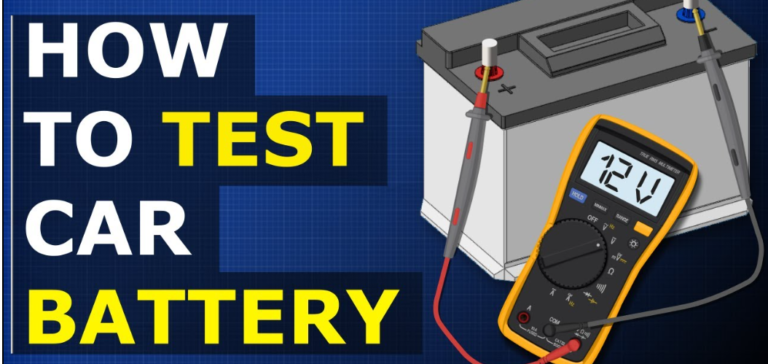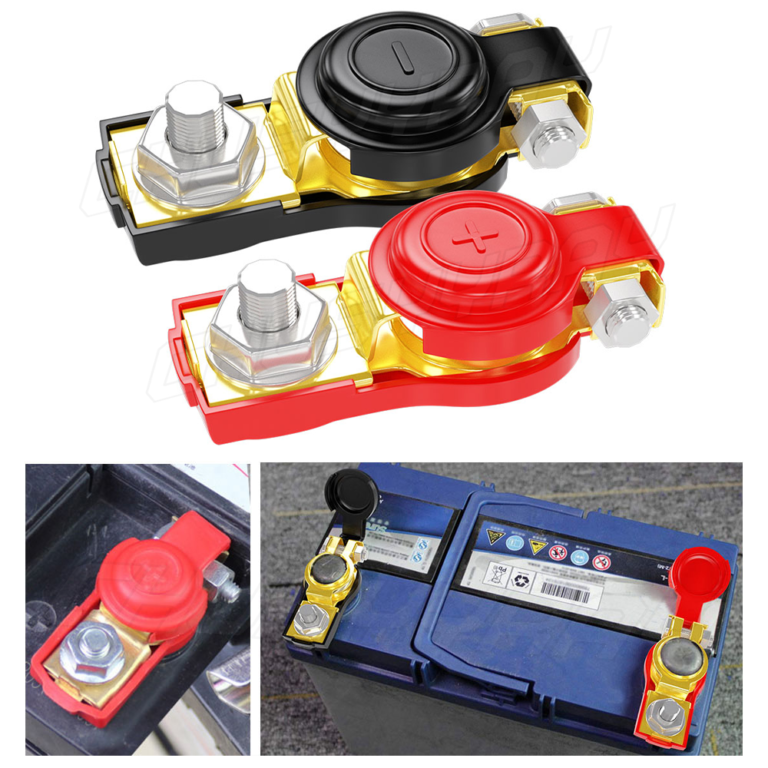
Car battery delivery and installation brings a tested battery to your door and fits it safely.
A dead battery can stop your day without warning. Car battery delivery and installation solves the problem at home, work, or the roadside. This guide explains how the service works, how to choose the right battery, what installation includes, and how to avoid common mistakes. It also covers safety, cost, warranties, and signs that your vehicle may have a deeper electrical fault.

What Is Car Battery Delivery and Installation?
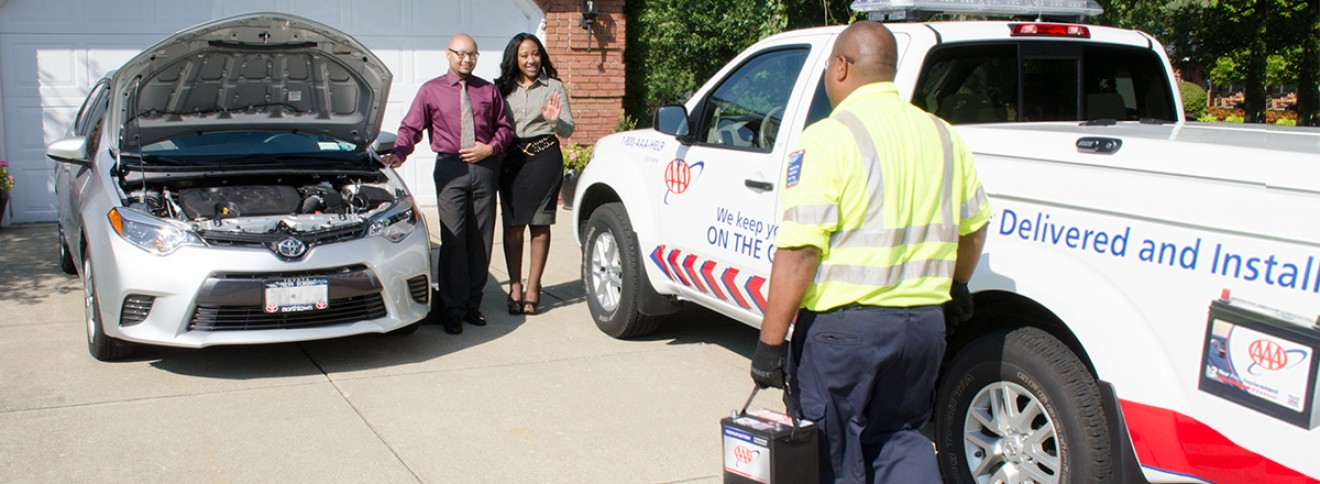
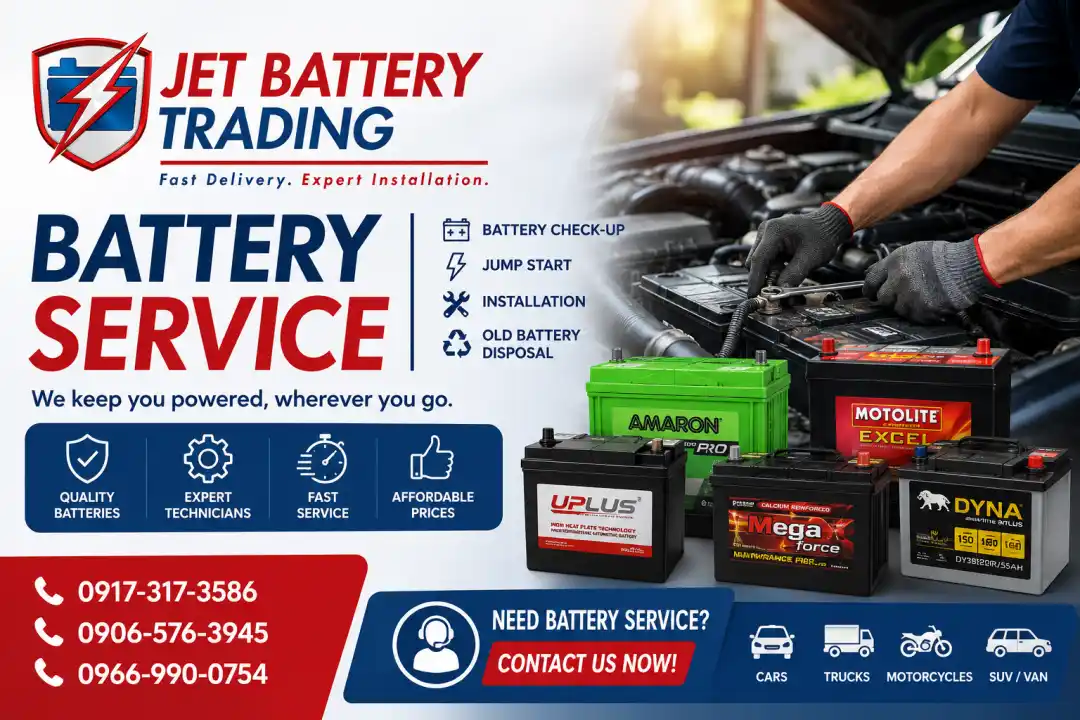
Car battery delivery and installation is a mobile service that brings a replacement battery to your location and installs it in your vehicle. A technician checks your car details, supplies a compatible battery, removes the old unit, and fits the new one.
Many services also test the charging system. This check matters because a weak alternator, damaged cable, or parasitic drain can make a new battery fail soon after installation.
The service may be available at:
• Your home or driveway
• Your workplace parking lot
• A shopping center or public parking area
• The roadside, if the location is safe
• A repair shop or service center
Car battery delivery and installation is not the same as a jump-start. A jump-start may get the engine running for a short time. A replacement service provides a lasting fix when the battery can no longer hold a charge.
Most mobile providers ask for your vehicle identification number, license plate, make, model, year, and engine size. Some also ask about start-stop technology, battery warning lights, or recent electrical work.

How Car Battery Delivery and Installation Works
The process is usually simple, but good service starts before the technician arrives. Accurate vehicle information helps prevent delays and ensures the correct battery is delivered.
1. You request the service
You can usually book online or by phone. Give the provider:
• Vehicle make, model, and year
• Engine size or trim level
• Your location
• Symptoms, such as clicking or dim lights
• Any battery warning message
• Whether the vehicle has start-stop technology
If possible, provide the VIN. It gives the technician a better way to confirm the correct battery specification.
2. The provider confirms the battery
The technician or dispatcher checks the required battery group size, terminal layout, cold cranking amps, reserve capacity, and battery type. Some cars need a standard flooded battery. Others need an AGM or enhanced flooded battery.
A battery that fits the tray may still be wrong for the vehicle. The terminals, vent system, electronic controls, and charging profile must also match.
3. The technician inspects the vehicle
Before replacing the battery, the technician may test:
• Battery voltage
• Starting power
• Alternator output
• Battery cables and terminals
• Ground connections
• Visible corrosion or case damage
This step helps confirm that the battery is the main problem.
4. The old battery is removed
The technician turns off the vehicle and follows a safe removal order. In many vehicles, the negative cable is removed first to reduce the chance of a short circuit.
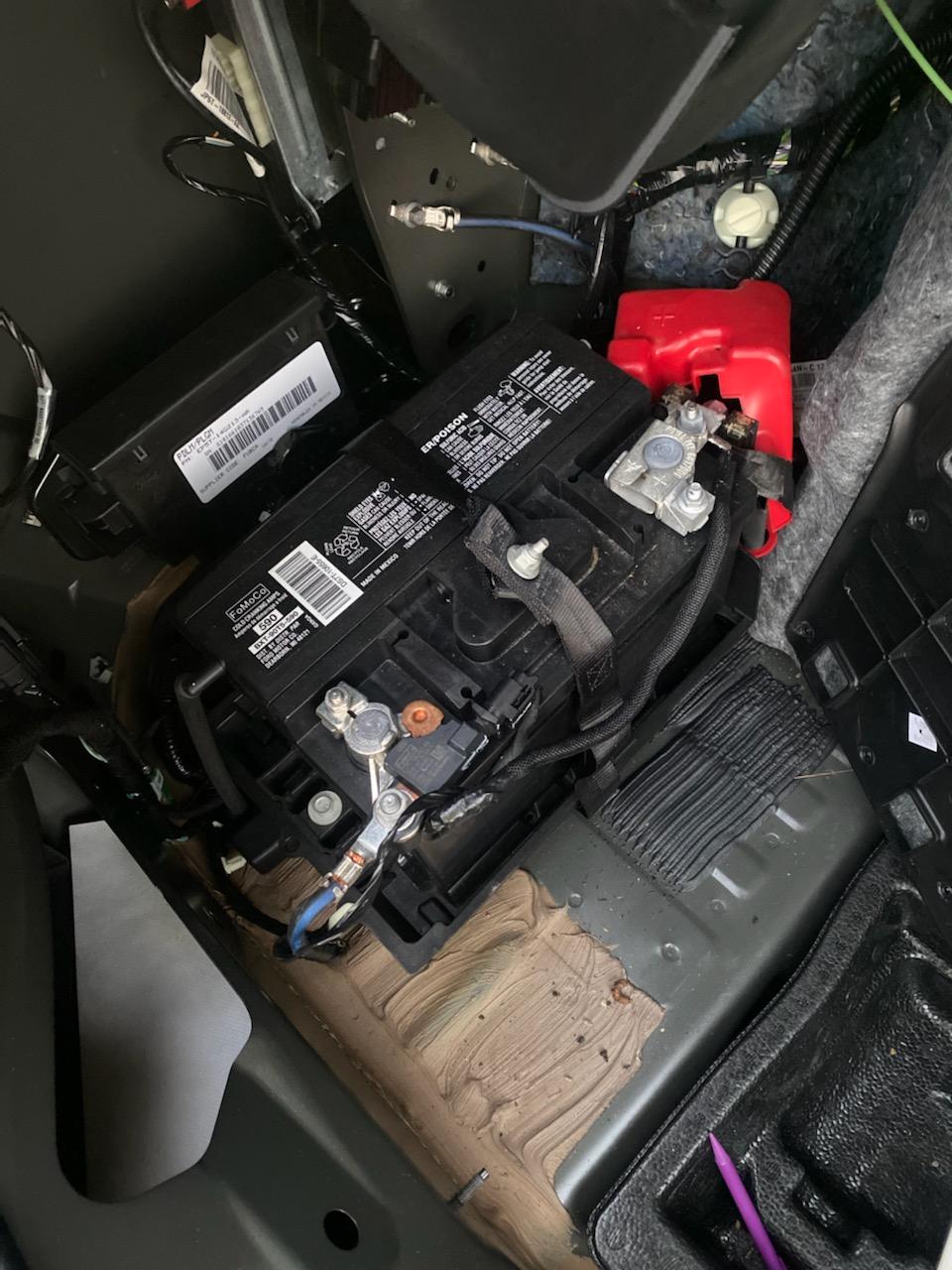
Some cars have the battery in the trunk, under a seat, or behind a wheel well. The technician may need special tools or extra time to reach it.
5. The new battery is installed
The replacement battery is secured in the tray. The cables are tightened, and the terminals are checked for a clean connection. A loose hold-down can cause vibration damage, while a loose terminal can create starting and charging problems.
6. The vehicle is tested
The technician starts the engine and checks the charging voltage. They may also scan the vehicle for battery-related codes and reset the battery monitoring system when required.
Car battery delivery and installation should end with a clear explanation of the work completed, the warranty, and the proper way to dispose of the old battery.

How to Choose the Right Replacement Battery
The right battery depends on more than size. Think of it as choosing the correct key for a lock. A battery can look suitable but still fail to meet the vehicle’s electrical needs.
Check these specifications before ordering:
Battery group size
The group size describes the battery’s physical dimensions, terminal position, and hold-down design. Common sizes include 24F, 35, 47, 48, 49, and 51R, but your vehicle may use another size.
Never rely only on a battery that looks similar. Confirm the group size through the owner’s manual, the existing battery label, or a trusted parts catalog.
Cold cranking amps
Cold cranking amps, or CCA, measure how much starting power a battery can provide in cold conditions. A higher CCA rating can help in winter, but the battery must still match the vehicle’s requirements.
CCA is not the same as battery quality. A large number does not make an incompatible battery a good choice.
Battery type
Common automotive battery types include:
• Flooded lead acid batteries for many standard vehicles
• AGM batteries for vehicles with high electrical demands
• Enhanced flooded batteries for some start-stop systems
• Lithium batteries for selected specialty or performance uses
If the vehicle came with an AGM battery, replacing it with a standard flooded battery may cause poor performance or a shorter service life. Follow the manufacturer’s specifications.
Reserve capacity
Reserve capacity shows how long a fully charged battery may support essential electrical loads if the alternator stops working. This rating can matter in vehicles with many electronic systems.
Warranty and date code
Look for a clear warranty and a recent manufacturing date. Lead acid batteries slowly lose strength while sitting in storage, especially in hot conditions.
Ask whether the price includes:
• Delivery
• Installation
• Testing
• Battery registration
• Disposal of the old battery
• Warranty coverage
Car battery delivery and installation is more valuable when the quote is complete and easy to understand.
When You Need Mobile Battery Service
A dead battery is the most obvious reason to request car battery delivery and installation. However, several warning signs may appear days or weeks earlier.
Watch for:
• A slow engine crank
• A single click when you turn the key
• Dim interior or headlamps
• Flickering dashboard lights
• Repeated jump-starts
• Battery swelling or leakage
• A battery warning message
• Electrical accessories that reset or stop working
A slow crank often means the battery is losing starting power. It can also point to a poor cable connection or a worn starter motor, so testing is important.
Battery age also matters. Many car batteries last about three to five years, but climate, driving habits, vehicle design, and maintenance can change that range. Extreme heat can speed up internal wear, while severe cold makes a weak battery more likely to fail.
Short trips are another common cause of trouble. Starting the engine uses energy. A short drive may not give the alternator enough time to replace it. Over time, the battery can remain undercharged.
A practical example is a vehicle used for five-minute school runs. The owner may think the car is driven every day, but the battery receives little recharge time. A longer drive or a proper charger may help, but an old battery may still need replacement.
Benefits of Car Battery Delivery and Installation
The main benefit is convenience. You do not need to remove the battery, arrange a tow, or wait in a repair shop lounge.
Other benefits include:
Faster recovery
Mobile service can help you return to your routine without moving a vehicle that will not start. Availability depends on location, traffic, weather, and the provider’s schedule.
Correct installation
A trained technician knows how to secure the battery, protect the terminals, and check the charging system. This reduces the risk of a loose connection or incorrect fit.
On-site diagnosis
A good provider does more than sell a battery. Testing may show that the real fault is the alternator, starter, wiring, or an electrical drain.
Safe handling
Car batteries contain sulfuric acid and can deliver a powerful electrical current. Professional handling lowers the chance of burns, sparks, acid exposure, or damage to the vehicle.
Old battery recycling
Most replacement providers take the old battery for recycling. Lead acid batteries are highly recyclable when handled through the correct waste system. Never place one in household trash.
Support for modern vehicles
Some vehicles need battery registration or electronic reset procedures after installation. A qualified technician can identify this need and complete it when supported by the vehicle system.
Car battery delivery and installation is especially useful for drivers who have limited tools, physical restrictions, or no safe way to transport a heavy battery.

Battery Installation for Modern Cars
Modern vehicles often use battery monitoring systems. These systems measure current flow, battery condition, and charging behavior. The vehicle may need to know that a new battery has been installed.
Some cars require battery registration. This process tells the control module that the battery is new. Without it, the vehicle may charge the battery incorrectly or continue using settings meant for the old battery.
Vehicles with automatic stop-start systems may need a specific battery type. Start-stop operation can place extra demand on the battery because the engine restarts many times during a normal trip.
Luxury cars and vehicles with extensive electronics may also lose stored settings when power is removed. These settings can include:
• Clock and radio presets
• Window calibration
• Steering angle data
• Seat memory
• Security or alarm settings
• Transmission or engine adaptations
A memory saver may preserve some settings during installation, but it must be used correctly. Incorrect use can damage electronic systems.
Ask the technician these questions:
• Does this vehicle need battery registration?
• Does it require AGM or another battery type?
• Will the old battery be recycled?
• Is the charging system included in the test?
• What is the full installed price?
Car battery delivery and installation should include the right electronic procedure, not only the physical battery swap.
How Much Does Car Battery Delivery and Installation Cost?
The total price varies by battery type, vehicle design, location, service hours, and installation difficulty. A basic battery for a common vehicle usually costs less than an AGM battery for a luxury car or a vehicle with a complex battery location.
Your quote may include:
• Battery price
• Delivery charge
• Labor
• Testing
• Battery registration
• Emergency or after-hours service
• Environmental or disposal fees
• Sales tax
Ask for a complete quote before approving the work. A low advertised price may cover only the battery and exclude delivery or installation.
Mobile service can cost more than buying a battery yourself. However, the added cost may be reasonable when you consider time, transport, tools, and the risk of installing it incorrectly.
You can often reduce the cost by:
• Comparing two or three complete quotes
• Booking during normal business hours
• Confirming the exact battery type
• Checking the warranty length
• Using a reputable local provider
• Asking whether installation and testing are included
Do not choose only by the lowest price. A poor battery, weak warranty, or incorrect installation can cost more later.
Safety Tips for Battery Replacement
A car battery can look harmless, but it stores a large amount of energy. Follow basic safety rules during any inspection or replacement.
• Keep flames, cigarettes, and sparks away from the battery.
• Wear eye protection and gloves.
• Do not place metal tools across the terminals.
• Turn off the ignition and electrical accessories.
• Remove jewelry before working near the battery.
• Keep the battery upright during transport.
• Do not use a swollen, cracked, or leaking battery.
• Wash skin with clean water after acid contact and seek medical care for serious exposure.
• Keep children and pets away from the work area.
• Recycle the old battery through an approved location.
Never force a terminal or cable into place. Do not guess the polarity. Connecting positive and negative terminals incorrectly can cause sparks, damage, or injury.
If the battery is under a seat, inside a trunk compartment, or connected to sensitive electronics, professional car battery delivery and installation is the safer choice.
Mistakes to Avoid
Small mistakes can turn a simple battery replacement into a larger repair. These are the problems I would tell any driver to avoid.
Ordering by appearance
Two batteries may have similar dimensions but different terminal positions or electrical ratings. Always check the specifications.
Ignoring the alternator
A new battery cannot solve a charging problem. If the alternator does not recharge the battery, the vehicle may fail again soon.
Leaving the battery unsecured
The battery must sit firmly in its tray. Movement can damage the case, cables, and internal plates.
Skipping battery registration
Some modern vehicles need this step. Ask about it before the technician leaves.
Reusing corroded connections
Heavy corrosion can block current flow. The terminals and cables should be cleaned and checked, not simply reconnected.
Accepting unclear warranty terms
Ask how long the warranty lasts, what it covers, and whether labor is included. Keep the receipt and installation record.
Driving after a jump without testing
A jump-start only gets the engine running. It does not prove the battery or charging system is healthy.
In my practical troubleshooting experience, the most common avoidable error is replacing the battery without finding the cause of the failure. A door light, dash camera, aftermarket stereo, or faulty control module can drain even a new battery overnight.
How to Prepare for a Mobile Battery Appointment
Good preparation makes car battery delivery and installation quicker and safer.
Before the technician arrives:
- Move the vehicle to a flat, accessible area if it can be driven safely.
- Park away from traffic and avoid narrow or poorly lit spaces.
- Remove personal items from the trunk if the battery is located there.
- Have the keys ready.
- Gather the VIN, vehicle details, and service history.
- Turn off accessories and avoid repeated start attempts.
- Tell the provider about alarms, modified wiring, or aftermarket equipment.
- Ask about the total cost and warranty before work begins.
If the car is on a busy road, a narrow shoulder, or an unsafe roadside location, call roadside assistance or emergency services first. Personal safety matters more than saving a few minutes.
After installation, start the vehicle and let the technician complete the tests. Ask for the battery label, warranty details, and any recommended follow-up work.
Frequently Asked Questions About Car Battery Delivery and Installation
How long does car battery delivery and installation take?
Many standard installations take about 30 to 60 minutes. The job may take longer if the battery is hard to reach, the vehicle needs registration, or the technician finds a charging or wiring problem.
Can a new battery be delivered if my car will not start?
Yes. Mobile providers commonly deliver and install batteries at homes, workplaces, parking areas, and some roadside locations. The area must be safe and accessible for the technician.
How do I know which battery my car needs?
Check the owner’s manual, the current battery label, or the vehicle identification number. Confirm the group size, battery type, terminal layout, and required starting power before ordering.
Does a new car battery need to be registered?
Some modern vehicles need battery registration through a scan tool. Ask the technician or check the vehicle service instructions, especially if the car has start-stop technology or a battery monitoring system.
Will car battery delivery and installation include an alternator test?
Many professional services include a basic charging-system test, but not all do. Confirm this when booking because a faulty alternator can quickly discharge a new battery.
How long should a car battery last?
Many batteries last about three to five years, but climate, driving patterns, battery type, and electrical demand affect service life. Regular testing can identify a weak battery before it fails.
Can I install a car battery myself?
A skilled person with the correct tools may be able to do it, but modern vehicles can require registration and memory protection. Professional installation is safer when the battery is difficult to access or the vehicle has complex electronics.
Conclusion
Car battery delivery and installation offers a practical way to restore a vehicle without arranging a tow or carrying a heavy battery. The best service confirms the correct battery, tests the charging system, installs the battery securely, completes any required registration, and recycles the old unit.
Before booking, compare the full price, warranty, battery type, installation process, and technician qualifications. If your battery keeps failing, ask for a deeper electrical diagnosis rather than replacing it again.
Use the warning signs in this guide to act early, choose a reliable provider, and keep your vehicle ready for the next trip. Explore more vehicle maintenance advice, and share your battery service experience with other drivers.