The positive terminal carries power out, while the negative terminal completes the circuit through the vehicle’s ground.
Knowing the car battery terminal positive negative layout helps you jump-start, replace, and test a battery safely. After working on many common 12-volt systems, I have seen how one small polarity mistake can damage fuses, electronics, or the battery itself. This guide explains how to identify each terminal, connect cables in the right order, spot problems, and avoid costly errors.
Understanding the Car Battery Terminal Positive Negative Layout
A car battery has two main terminals:
• Positive terminal: Marked with a plus sign (+), usually connected to a red cable.
• Negative terminal: Marked with a minus sign (−), usually connected to a black cable.
The positive terminal sends electrical energy from the battery to the starter, lights, sensors, and other systems. The negative terminal returns current to the battery through the vehicle’s metal body and engine block.
Think of the electrical system like a loop. The positive side is the path out, and the negative side is the path back. Both terminals are needed for the circuit to work.
The car battery terminal positive negative design is found in most gasoline and diesel vehicles with a standard 12-volt system. Some cars place the battery in the trunk or under a seat, but the markings and electrical roles remain the same.
How to Identify Positive and Negative Battery Terminals
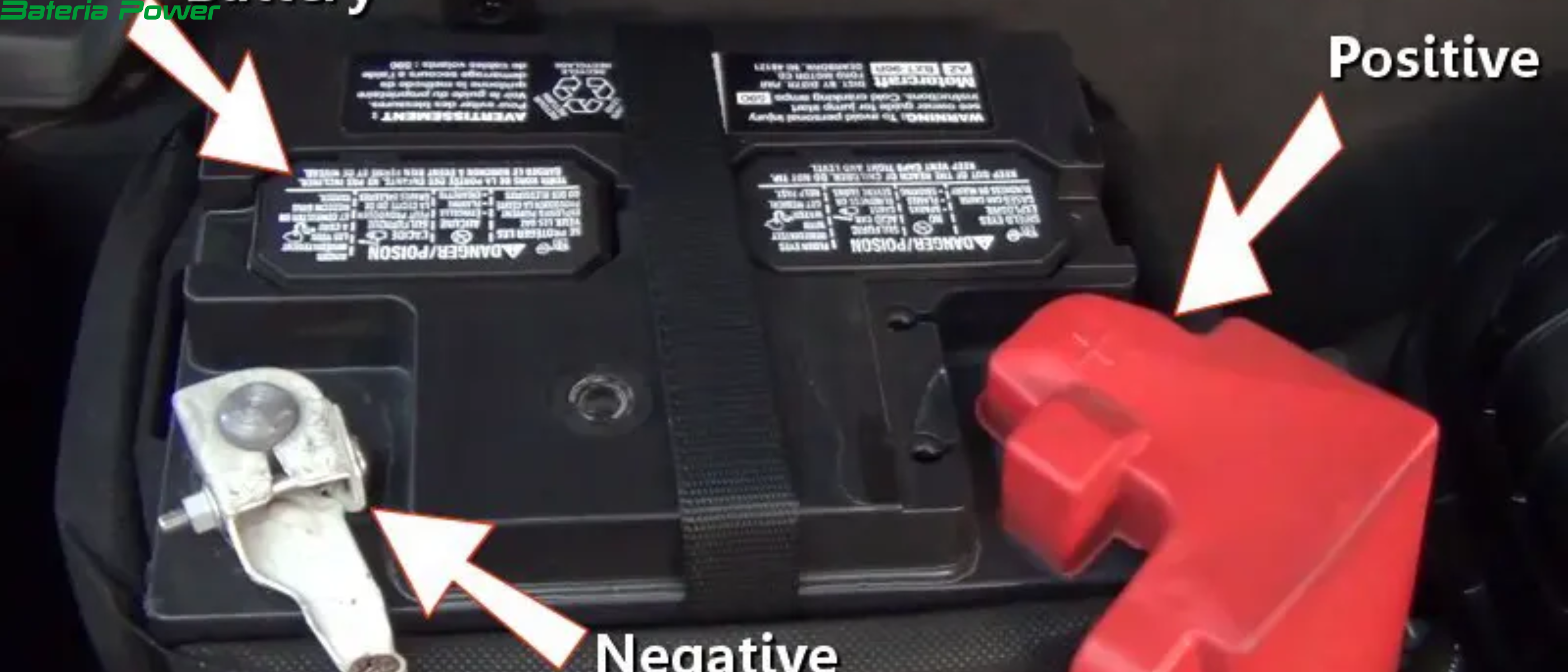
Never rely on cable color alone. Colors are helpful, but markings on the battery are more reliable.
Look for these signs:
• A plus symbol (+) means positive.
• A minus symbol (−) means negative.
• A red cover usually protects the positive terminal.
• A black cable usually connects to the negative terminal.
• The negative cable often leads to the vehicle body or engine ground.
The positive post may also be larger than the negative post. However, this is not a safe way to identify polarity because terminal sizes can vary by battery type.
If dirt or corrosion hides the markings, clean the outside of the battery first. Do not scrape both terminals with a metal tool at the same time. That can create a short circuit and cause sparks.
The car battery terminal positive negative labels may be molded into the battery case, printed near the posts, or shown on a small terminal cover. If you still cannot identify them, check the vehicle owner’s manual before touching the cables.
Positive and Negative Battery Cables Explained
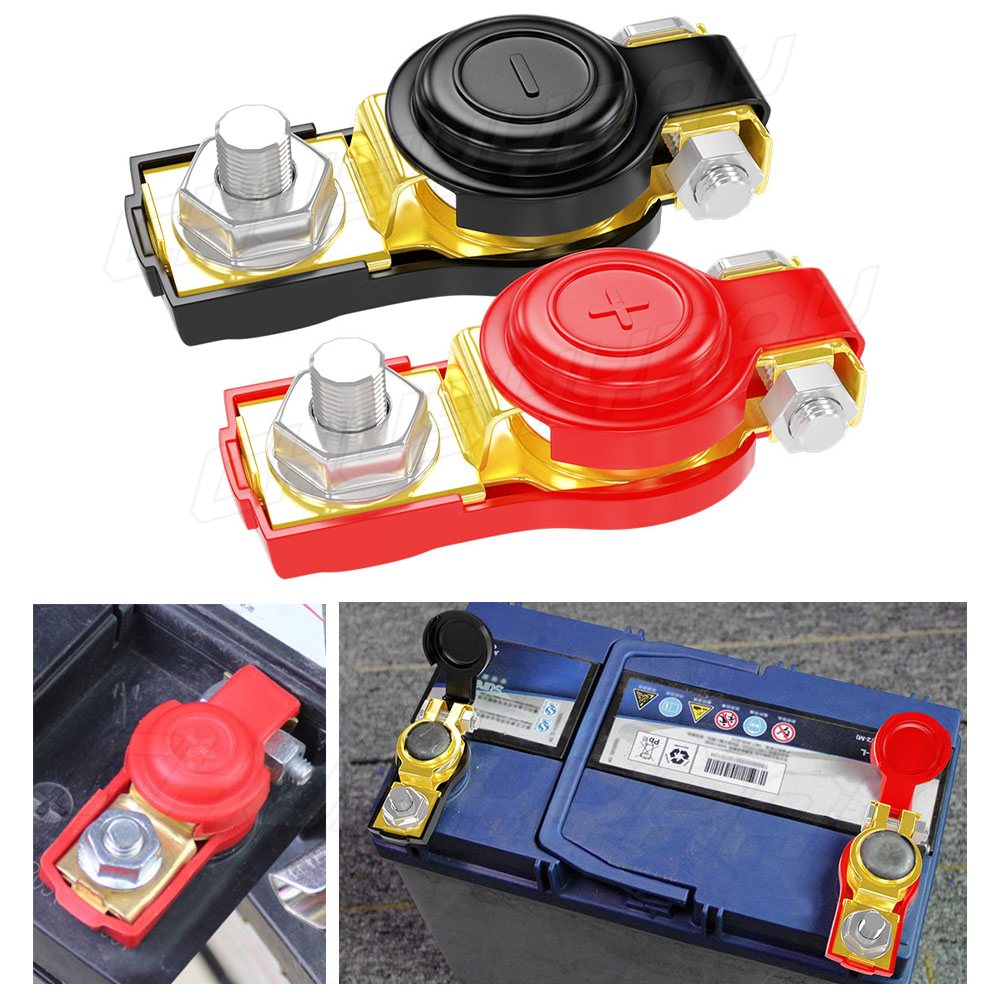
The positive battery cable is often thick and red. It normally runs to the starter motor and the main fuse or power distribution box. From there, smaller circuits receive power.
The negative cable is often black. It usually connects the battery to the engine block or vehicle body. This connection is called the ground or earth path.
A loose ground cable can cause many strange problems. The car may crank slowly, show warning lights, lose electrical power, or fail to start even when the battery is charged.
The car battery terminal positive negative connection must be clean and tight. A battery can have a good voltage reading but still fail to deliver enough current if corrosion blocks the connection.
In my own troubleshooting work, a “dead battery” has often turned out to be a loose ground strap. Cleaning and tightening the ground connection solved the problem without replacing the battery.
The Correct Order for Connecting Battery Cables
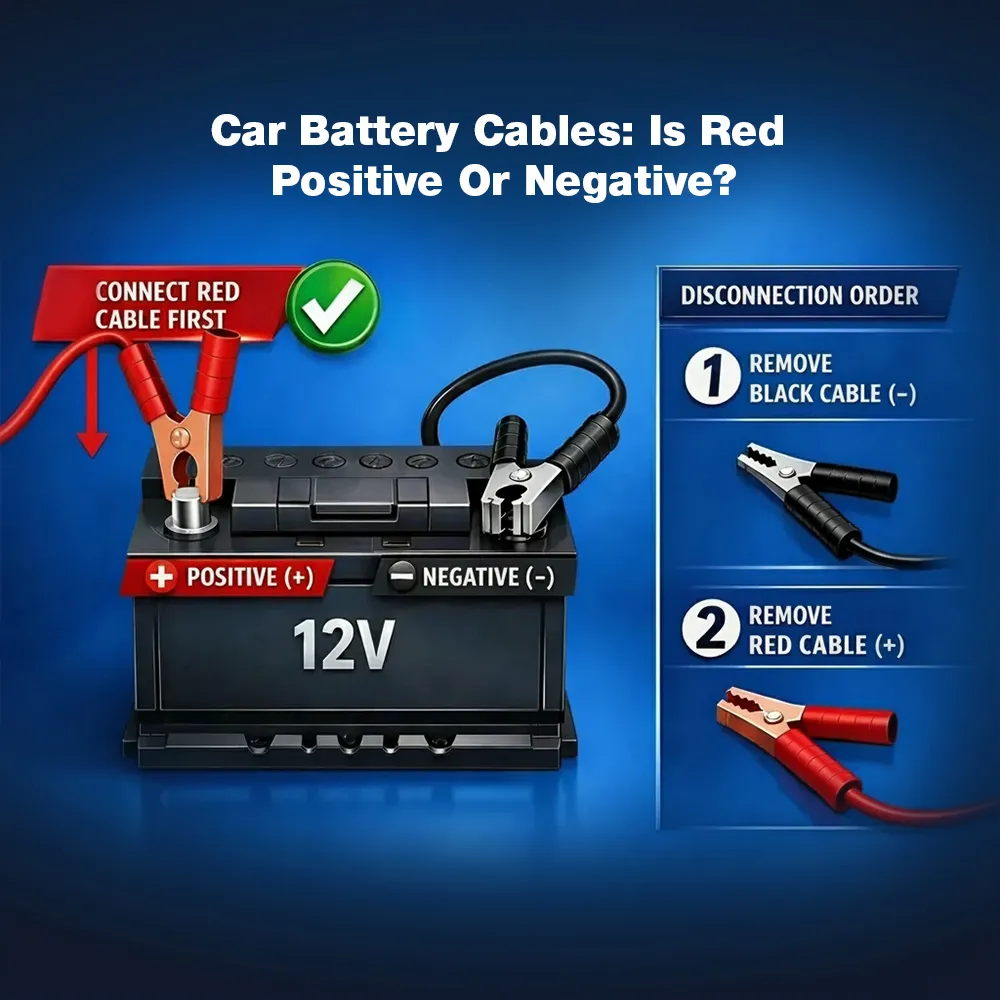
When installing a battery, connect the positive cable first and the negative cable second. This order reduces the chance of accidentally shorting the positive terminal against the vehicle body.
Follow these steps:
-
Turn off the ignition and remove the key.
-
Switch off lights, the radio, and other electrical devices.
-
Place the battery in its tray and secure it properly.
-
Connect the positive cable to the positive (+) terminal.
-
Tighten the positive terminal until it does not move by hand.
-
Connect the negative cable to the negative (−) terminal.
-
Tighten the negative terminal securely.
-
Check that both cables are clear of belts, fans, and hot engine parts.
When removing a battery, reverse the order:
-
Disconnect the negative cable first.
-
Disconnect the positive cable second.
This method helps prevent a wrench from touching the positive terminal and the metal body at the same time. That contact can cause a powerful short circuit.
The car battery terminal positive negative order matters because the vehicle body is connected to the negative side. Removing the negative cable first makes accidental contact much safer.
How to Jump-Start a Car Safely
A jump start uses another battery to provide enough power for the starter. Confirm that both vehicles use compatible voltage systems. Most passenger cars use 12 volts, but you should check the owner’s manual.
Use this cable order:
-
Connect the red jumper cable to the dead battery’s positive terminal.
-
Connect the other red clamp to the donor battery’s positive terminal.
-
Connect the black cable to the donor battery’s negative terminal.
-
Connect the other black clamp to an unpainted metal ground on the disabled vehicle.
-
Start the donor vehicle and let it run for a few minutes.
-
Start the disabled vehicle.
-
Remove the cables in reverse order.
Keep the final black clamp away from the dead battery when possible. Use a solid engine block or approved chassis ground instead. This reduces the chance of sparks near battery gases.
Never allow the red and black clamps to touch. Never connect positive to negative. If the car does not start after a few attempts, stop and find the cause rather than repeatedly cranking it.
Before connecting jumper cables, check the car battery terminal positive negative markings on both vehicles. Do not depend only on the cable colors.

What Happens If Battery Polarity Is Reversed?
Reversing the positive and negative connections can cause serious damage. Possible results include blown fuses, damaged alternators, burned wiring, and failed electronic control modules.
Some vehicles have protection systems that limit damage. However, protection is not guaranteed. A reverse connection can also create sparks, heat, or battery damage.
If you connect the terminals incorrectly, disconnect the cables at once. Do not start the engine or switch on electrical devices. Then inspect the main fuses and have the vehicle checked if warning lights appear or electrical systems stop working.
A reverse-polarity jump start is especially risky because the donor battery can supply very high current. One mistake may damage both vehicles.
The car battery terminal positive negative difference is not just a label issue. Polarity controls the direction of current through the entire vehicle electrical system.

Cleaning Corroded Battery Terminals
White, blue, or green buildup around a terminal is usually corrosion. It can increase electrical resistance and reduce the current reaching the starter.
Before cleaning, wear eye protection and gloves. Turn off the vehicle, remove the negative cable first, and then remove the positive cable.
You can clean the terminals with a battery terminal brush. A small amount of baking soda mixed with water may help neutralize acidic residue on the outside of the battery. Do not pour liquid into battery vents or allow the mixture to enter the battery.
After cleaning:
• Dry the terminals fully.
• Inspect the cables for broken strands or swelling.
• Reconnect the positive cable first.
• Reconnect the negative cable second.
• Apply a thin layer of terminal protectant if suitable for your battery.
Do not cover heavy corrosion without cleaning it first. That only hides the problem. Also, do not use excessive force because battery posts can break.
A clean car battery terminal positive negative connection supports better starting and more stable voltage. It may also prevent random electrical faults.

Testing Battery Voltage and Connections
A digital multimeter can help you test a battery. Set it to DC voltage, then place the red probe on the positive terminal and the black probe on the negative terminal.
Typical readings for a rested 12-volt battery are:
• About 12.6 volts: Fully charged or near full charge.
• About 12.4 volts: Partly charged.
• About 12.2 volts: Low charge.
• Below 12.0 volts: Very low charge or a possible battery problem.
These values are general guidelines. Temperature, battery age, and recent driving can change the reading. A voltage test alone cannot prove that a battery is healthy.
A professional load test checks whether the battery can deliver current under demand. The charging system should also be tested, since a weak alternator can drain a good battery.
Place the probes carefully. The red probe should touch positive, and the black probe should touch negative. If the meter shows a minus sign, the probes may be reversed. This usually does not harm the meter, but correct the setup before continuing.
Understanding the car battery terminal positive negative positions makes multimeter testing simple and safe.
Common Signs of a Bad Terminal Connection
A poor terminal connection can look like a dead battery. Watch for these signs:
• Clicking when you turn the key.
• Slow engine cranking.
• Flickering dashboard lights.
• Electrical power that cuts in and out.
• A battery warning light.
• Corrosion around one or both posts.
• A cable that moves when touched.
• A hot terminal or cable after starting.
Heat is a warning sign. It often means resistance at the connection. Turn off the engine and allow the parts to cool before inspecting them.
Do not keep tightening a damaged terminal. If the clamp is cracked, stretched, or stripped, replace it. A temporary repair may leave you stranded again.
One lesson I learned early is to test the connection before buying a new battery. A simple voltage drop test can show whether power is being lost between the terminal, cable, starter, and ground.
Safety Tips for Working Around a Car Battery
A lead-acid battery stores a large amount of energy and may produce flammable hydrogen gas while charging. Treat it with care.
Follow these basic safety rules:
• Wear safety glasses and gloves.
• Keep sparks, cigarettes, and open flames away.
• Remove metal jewelry before working near the battery.
• Use insulated tools when possible.
• Do not place tools on top of the battery.
• Secure the battery so it cannot move.
• Keep children and pets away from the work area.
• Follow the battery and vehicle manufacturer’s instructions.
Some vehicles have battery sensors on the negative cable. Do not bypass or damage these sensors. Modern cars may also need battery registration or computer relearning after replacement.
Hybrid and electric vehicles require extra caution. Their high-voltage systems are different from the small 12-volt accessory battery. Never work on high-voltage cables unless you have proper training.
The car battery terminal positive negative system is simple in principle, but safety matters because a small battery can still create severe sparks and burns.
Battery Terminal Problems in Modern Vehicles
Newer vehicles use more electronics than older cars. A weak connection may affect the engine computer, safety systems, radio, power windows, and charging controls.
Some vehicles use a battery management sensor on the negative terminal. This sensor tracks current flow and helps the vehicle manage charging. Replacing the battery without following the correct procedure may cause charging or warning-light issues.
Some cars also use remote positive and negative jump points under the hood. These points are useful when the battery is hidden in the trunk or under a seat. Use the locations shown in the owner’s manual.
Do not assume that every vehicle has the same layout. The car battery terminal positive negative position can change from one model to another, even when the electrical principles stay the same.
Frequently Asked Questions About Car Battery Terminal Positive Negative
Which battery terminal is positive?
The positive terminal is marked with a plus sign (+). It often has a red cable or red protective cover, but always confirm the symbol on the battery.
Which battery terminal should I disconnect first?
Disconnect the negative terminal first when removing a battery. This lowers the risk of a tool creating a short between the positive terminal and the metal vehicle body.
Which battery terminal do I connect first?
Connect the positive terminal first when installing a battery. Connect the negative terminal after the positive cable is secure.
Can I use the car body as the negative terminal?
Yes, many vehicles use a clean, unpainted metal point on the engine or chassis as the negative ground. Use an approved ground point when jump-starting, and avoid fuel lines, moving parts, and painted surfaces.
What happens if positive and negative battery terminals are reversed?
Reversing them can blow fuses and damage wiring, the alternator, or electronic control units. Disconnect the cables immediately and have the vehicle inspected if the connection was made incorrectly.
Why does my car have power but not start?
A weak battery, dirty terminal, loose ground cable, bad starter, or charging problem can cause this symptom. Test the battery and inspect both connections before replacing parts.
Is a black battery cable always negative?
Usually, yes. However, cable color is not a guarantee, especially after repairs or modifications. Confirm the plus and minus markings on the battery and vehicle.
Conclusion
The positive terminal sends power into the vehicle’s electrical system, while the negative terminal completes the circuit through the ground path. Always identify the plus and minus marks, connect positive before negative, disconnect negative before positive, and keep both connections clean and tight.
A few careful checks can prevent sparks, damaged electronics, and an unexpected roadside repair. Use your owner’s manual for model-specific instructions, and ask a qualified technician for help with hybrid or high-voltage systems. If this guide helped, share your battery experience or explore more vehicle maintenance tips.