Introduction
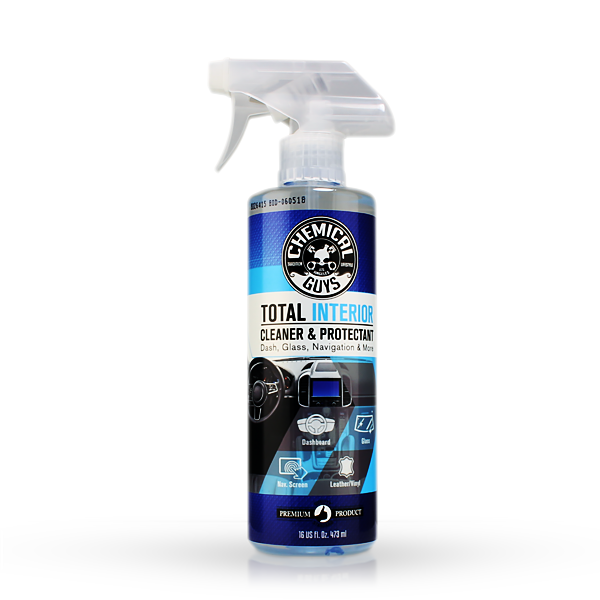
Yes, Chemical Guys Total Interior Cleaner and Protectant is a good choice for routine cleaning inside most cars, trucks, and SUVs in the United States. It works well on common surfaces such as plastic, vinyl, rubber, and many finished leather areas. It also leaves a low-shine finish instead of the greasy look that some interior products create.
It is not a miracle stain remover. Heavy grease, old stains, mold, dye transfer, and deeply soiled fabric may need a stronger cleaner or professional service. The best results come from using a small amount on a microfiber towel, checking the product label, and testing a hidden spot first.

What Is Chemical Guys Interior Cleaner?
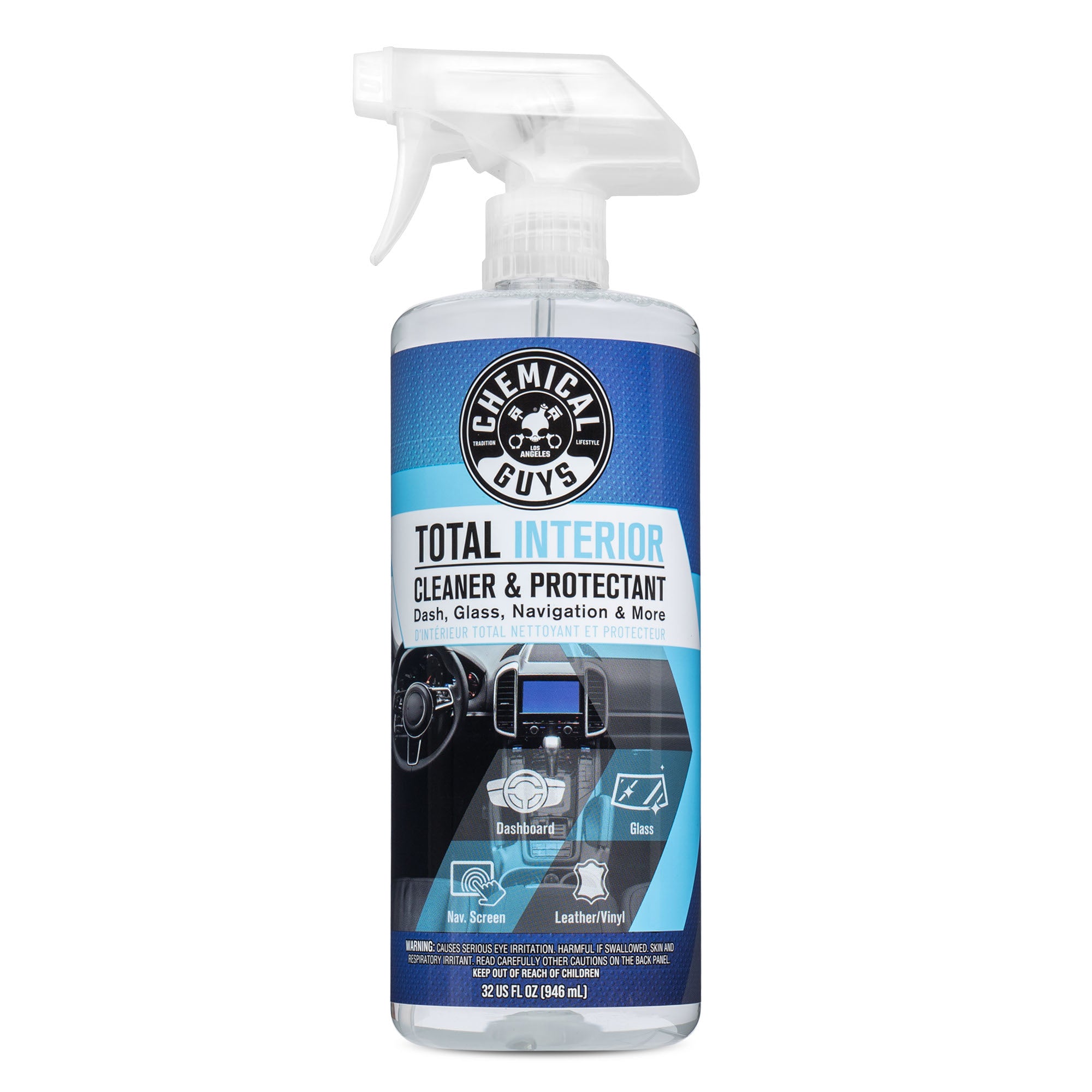
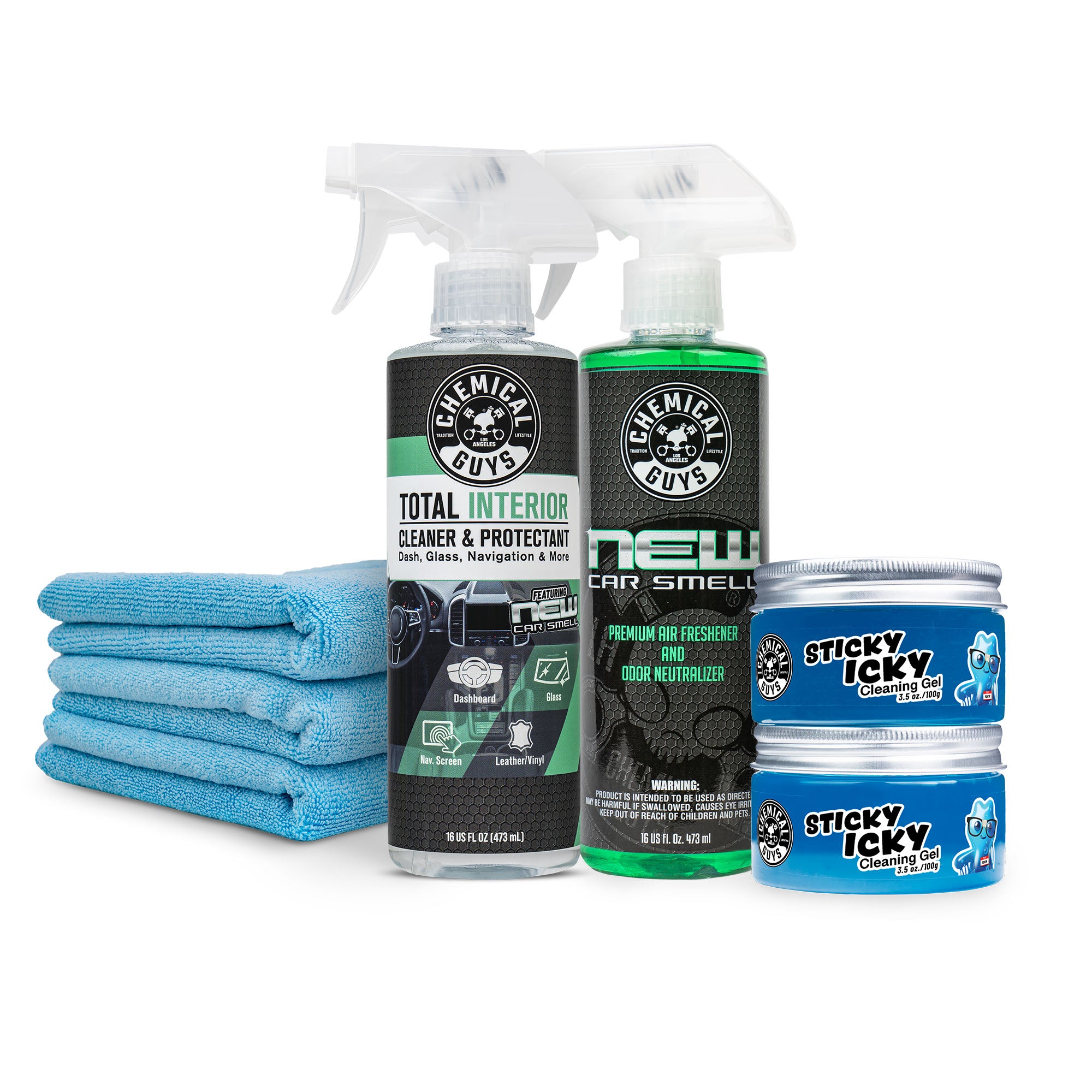
Chemical Guys sells several interior products, so the name “interior cleaner” can mean more than one formula. The product most people mean is Total Interior Cleaner and Protectant. Other products in the range include InnerClean Interior Quick Detailer and stronger cleaners such as Nonsense Invisible Super Cleaner.
This difference matters. These products do not have the same purpose:
| Product type | Main use | Best for |
|---|---|---|
| Total Interior Cleaner and Protectant | Clean light to moderate soil and add surface protection | Dashboards, doors, consoles, vinyl, plastic, and finished leather |
| InnerClean Interior Quick Detailer | Fast dust removal and light freshening | Already-clean interiors between washes |
| Nonsense Invisible Super Cleaner | Stronger cleaning for tougher soil | Plastic, vinyl, rubber, and some fabric surfaces when properly diluted |
Chemical Guys product names and formulas may change. Always check the bottle in your possession and follow its label. The official product page and safety information are the best sources for current directions.
What does it clean?
Total Interior Cleaner and Protectant is designed for common interior materials, including:
- Plastic dashboards and door panels
- Vinyl seats and trim
- Rubber seals and floor mats
- Center consoles
- Cup holders
- Finished leather surfaces, when the label permits use
- Light dirt, dust, fingerprints, and body oils
The product is mainly a maintenance cleaner. It is most useful when the interior has normal daily dirt rather than severe stains.
What does “protectant” mean?
A protectant leaves ingredients on the surface after cleaning. In this case, the product is marketed as helping protect interior materials from drying and ultraviolet exposure.
That does not mean it can stop all fading, cracking, or heat damage. A parked vehicle in the hot U.S. sun can reach very high temperatures. Window shades, covered parking, and regular cleaning may do more to protect an interior than any single spray.
Is Chemical Guys Interior Cleaner Good?
Chemical Guys Interior Cleaner is good for routine upkeep, light grime, and owners who want one product for several interior surfaces. It is convenient and usually simple to use. Its low-gloss finish also suits drivers who dislike shiny dashboards.
Its main weakness is cleaning strength. It may not remove set-in grease, ground-in dirt, food stains, ink, or heavy fabric marks as well as a dedicated upholstery cleaner or diluted all-purpose cleaner.
Main advantages
- Works on several common interior materials
- Helps remove dust, fingerprints, and light grime
- Usually leaves a natural or low-shine appearance
- Can reduce the need to use several products
- Useful for regular car care
- Simple spray-and-wipe application
- Often suitable for home detailers with limited tools
Main limits
- Not designed for every type of stain
- May require agitation on textured plastic
- Can leave residue if overused
- May make smooth surfaces slippery
- Is not a substitute for a leather cleaner and conditioner system when leather needs deep care
- Should not be assumed safe for every screen, coating, suede surface, or specialty material
The practical verdict is simple: it is a solid general interior cleaner, but it is not the strongest cleaner in the Chemical Guys range.
How Well Does It Work on Common Car Surfaces?
The result depends on the material, the amount of dirt, and how much product you use. A clean microfiber towel often matters as much as the spray.
Plastic and vinyl
This is where the product is most useful. It can remove dust, light mud, fingerprints, and the oily film that builds up around door handles and consoles.
Textured plastic may need a soft interior brush. Spray the cleaner onto the towel or brush rather than soaking the panel. Wipe again with a dry towel so product does not remain in the grain.
Leather
Use more care with leather. Modern vehicle seats may have a coated surface, while older or specialty leather may need a product made for that finish.
Chemical Guys lists some interior formulas for leather use, but the label on your bottle controls. Do not saturate perforated seats. Liquid can enter the holes and reach the foam beneath the cover.
For valuable, cracked, dyed, or unusual leather, use a dedicated leather product or ask the vehicle maker or a qualified detailer for guidance.
Fabric and carpet
A general interior cleaner may freshen light soil on fabric, but it may not remove deep stains. Food, milk, coffee, grease, and pet messes often need a fabric-specific cleaner and more careful extraction.
Avoid soaking carpet or seats. Too much liquid can cause slow drying, water marks, odor, or mildew. In a humid part of the U.S., such as the Gulf Coast or Southeast, drying time deserves extra attention.
Rubber and floor mats
The product can help clean light dirt from rubber trim and mats. Rinse or wipe floor mats as needed, then let them dry fully.
Never leave a slippery film on a driver’s mat, pedals, or the area where your feet rest. Any product that changes traction can create a safety problem.
Touchscreens and instrument displays
Do not assume a general interior cleaner is safe for electronic screens. Many screens have anti-glare or oleophobic coatings that can be damaged by the wrong chemical or by too much liquid.
Use the vehicle maker’s instructions. In most cases, a clean, dry microfiber cloth is the safer first step. Never spray directly onto a screen, gauge cluster, switch, or vent.
How to Use Chemical Guys Interior Cleaner Correctly
Use the least amount that removes the soil. More product does not always mean a cleaner surface. It often means more residue.
What you need
- Chemical Guys interior cleaner
- Two or more clean microfiber towels
- A soft interior brush, if needed
- A vacuum
- Good ventilation
- A small hidden test area
Step-by-step method
- Read the bottle label. Confirm that the formula is meant for the surface you plan to clean.
- Remove loose items. Take out trash, mats, child seats, and personal items.
- Vacuum first. Loose sand and dust can scratch glossy trim when rubbed into the surface.
- Test a hidden area. Check for color change, streaking, or damage after the area dries.
- Apply a small amount. Spray onto a microfiber towel instead of spraying heavily across the cabin.
- Wipe one small section. Work from the cleanest areas to the dirtiest areas.
- Agitate only when needed. Use a soft brush on textured plastic or stubborn dirt.
- Wipe away residue. Use a second clean towel.
- Let the surface dry. Keep doors or windows open when practical.
- Check for slipperiness. Pay special attention to the steering wheel, pedals, and driver’s floor area.
Signs that you used too much
- A glossy or oily appearance
- Streaks after drying
- Dust sticking to the panel
- A strong lingering smell
- A slick steering wheel or floor mat
- Product collecting in seams or buttons
If this happens, wipe the surface with a clean, slightly damp microfiber towel. Then dry it with another towel.
A useful cleaning pattern
Clean the interior in this order:
- Roof liner, if appropriate
- Dashboard and upper trim
- Door panels
- Center console
- Seats
- Lower panels
- Floor mats and carpet
This keeps dirty lower areas from spreading grime onto clean surfaces.

Chemical Guys Interior Cleaner Compared With Other Options
The best product depends on the soil and the material. A general cleaner is convenient, but a dedicated product may work better in a specific job.
| Cleaning need | Chemical Guys Total Interior Cleaner | Dedicated product may be better when |
|---|---|---|
| Dust and fingerprints | Good fit | A quick detailer may be faster |
| Light dirt on plastic | Good fit | A stronger cleaner may be needed for heavy buildup |
| Deep fabric stains | Limited | Use upholstery cleaner and suitable extraction |
| Delicate leather | Check label first | Use a leather-specific cleaner |
| Touchscreens | Usually not the first choice | Follow the vehicle maker’s screen-care directions |
| Greasy food residue | May need repeated cleaning | Use a stronger, surface-safe degreasing formula |
| Mold or persistent odor | Not enough by itself | Find and remove the moisture source |
General interior cleaner vs. all-purpose cleaner
An automotive interior cleaner is often easier and safer for routine work because it is intended for common cabin materials. An all-purpose cleaner may have more cleaning power, but it can also be harsher if mixed or used incorrectly.
If you use an all-purpose cleaner, follow its dilution instructions. Do not guess the ratio. A strong mixture can discolor trim, dry some materials, or leave a noticeable film.
General interior cleaner vs. interior protectant
A cleaner removes soil. A protectant mainly leaves a finish or protective layer. Some Chemical Guys products combine both jobs.
That convenience is useful, but it can make it harder to see whether the surface is truly clean. On heavily soiled panels, clean first. Add a protectant only after the surface is free of dirt and residue.
Common Mistakes to Avoid
Spraying directly onto every surface
Overspray can reach glass, screens, speakers, switches, and seat gaps. Apply the product to a towel when working near electronics or tight seams.
Using one dirty towel for the whole cabin
A towel that cleaned the floor should not clean the dashboard. Dirt held in the towel can spread and may scratch glossy trim.
Use separate towels for:
- Glass
- Upper trim
- Seats
- Lower panels
- Mats and carpet
Making the dashboard shiny
A shiny dashboard is not proof that it is clean. It may indicate leftover product. A matte or natural finish is often easier to see through the windshield and less likely to attract dust.
Cleaning the steering wheel without checking grip
A slippery steering wheel is a safety concern. Clean it with a small amount of product, wipe it well, and confirm that it feels dry and secure before driving.
Ignoring the product label
The label is more reliable than a broad internet claim. Product versions can differ, and vehicle materials vary. This matters especially for suede, Alcantara-style fabric, uncoated leather, screens, and specialty coatings.
Mixing cleaners
Do not mix Chemical Guys interior cleaner with bleach, ammonia, solvents, or other household chemicals. Mixing products can create harmful vapors or damage the surface.
Is It Safe for Your Car?
It can be safe when used as directed on compatible surfaces, but no interior cleaner is safe for every material in every vehicle.
Before use, check:
- The product label
- The vehicle owner’s manual
- The material type
- The surface condition
- Whether the surface is coated, dyed, perforated, or unfinished
Use ventilation while cleaning. Keep products away from children and pets. If the product enters the eyes or causes skin irritation, follow the first-aid instructions on its Safety Data Sheet and product label.
Do not use an interior cleaner to treat mold, sewage, large biological spills, or serious water damage. Those problems may require removal of affected materials and professional remediation.
Who Should Buy Chemical Guys Interior Cleaner?
Chemical Guys Interior Cleaner is a good fit for:
- People who clean their vehicle every few weeks
- Drivers with mostly plastic, vinyl, and rubber surfaces
- Owners who want a low-shine interior finish
- Beginners who want one routine product
- Anyone maintaining a daily driver between deeper details
It may not be the best first choice for:
- Deeply stained cloth seats
- Severe grease or ground-in dirt
- Unfinished or delicate leather
- Suede or Alcantara-style materials
- Vehicles with extensive mold or water damage
- People who need a product specifically approved for screens
The purchase makes the most sense when convenience and routine cleaning matter more than maximum stain-removal power.

Final Verdict: Is Chemical Guys Interior Cleaner Good?
Yes, Chemical Guys Interior Cleaner is good for routine interior cleaning in most U.S. cars, trucks, and SUVs. It is versatile, easy to use, and suited to light soil on common materials. Its natural-looking finish is a benefit for drivers who do not want a glossy dashboard.
Its limits are just as important. It is not the right tool for every stain or material, and it cannot replace dedicated leather, fabric, screen, or mold-care products when those are needed.
Use it lightly, test first, wipe away residue, and keep the steering wheel, pedals, and driver’s floor dry and non-slip. If the interior has ordinary dust, fingerprints, and light grime, Chemical Guys Interior Cleaner is a reasonable maintenance product.
FAQs
Does Chemical Guys Interior Cleaner leave a greasy finish?
It should not leave a greasy finish when used in a small amount and wiped dry. Excess product can create shine, streaks, or a tacky feel. Use a clean microfiber towel to remove leftover residue.
Can you use Chemical Guys Interior Cleaner on leather seats?
Only use it on leather if the specific bottle says it is suitable for that surface. Test a hidden area first, avoid soaking perforations, and use a dedicated leather cleaner for delicate or valuable leather.
Can it remove stains from cloth seats?
It may help with light surface soil, but deep stains often need an upholstery cleaner. Blot spills instead of rubbing them deeper, use limited moisture, and dry the seat fully.
Can you use it on a car’s touchscreen?
Do not assume that it is safe for a touchscreen. Follow the vehicle manufacturer’s care instructions and use a clean microfiber cloth unless the screen-care directions approve a cleaner.
Is Chemical Guys Interior Cleaner better than an all-purpose cleaner?
It can be better for routine interior care because it is made for common cabin surfaces and is convenient to use. An all-purpose cleaner may remove heavier grime, but it must be diluted and used according to its directions.
How often should you clean a car interior?
Clean high-touch areas as needed and do a full light cleaning every few weeks or whenever dirt becomes visible. Vehicles used by children, pets, smokers, or outdoor workers may need more frequent care.
Next Action
Check the exact name on your Chemical Guys bottle, identify the surface you want to clean, and test a small hidden area first. For normal plastic, vinyl, and light interior grime, apply a small amount to a microfiber towel, wipe the panel, and remove all excess product.