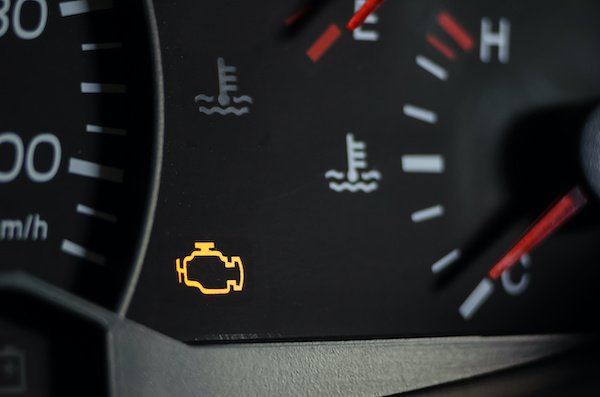
A healthy car battery usually lasts two to four weeks when parked, but conditions can shorten or extend that time.
Knowing how long a car battery lasts when parked can save you from a stressful jump-start. The answer depends on battery age, weather, vehicle electronics, charge level, and hidden power drains. This guide explains what really happens while your car sits, how to spot trouble early, and how to keep the battery ready to start.

How Long Does a Car Battery Last When Parked?
For most modern cars, a healthy battery can sit for about two to four weeks and still start the engine. Some batteries may last six to eight weeks, especially when fully charged and connected to a vehicle with very low electrical drain.
However, there is no single answer for how long a car battery lasts when parked. A five-year-old battery in cold weather may fail after only a few days. A new battery in a warm garage may last for two months or more.
Most parked vehicles still use a small amount of power. This power runs systems such as:
• The alarm system
• The keyless entry receiver
• The vehicle computer
• The clock and memory settings
• Remote-start and connected-car features
This slow drain is called parasitic draw. It is normal in small amounts, but it slowly reduces the battery’s charge.
A typical parked vehicle may draw around 20 to 50 milliamps after its systems go to sleep. That sounds tiny, but the drain continues day and night. A weak battery may not have enough power left to crank the engine even when the lights still work.
)
What Affects How Long a Car Battery Lasts When Parked?
Several factors control how long a car battery lasts when parked. Think of the battery like a water tank. The more water it holds and the smaller the leak, the longer it lasts.
Battery age and condition
A new, fully charged battery usually performs much better than an old one. Lead-acid batteries often last three to five years, although heat, vibration, poor charging, and deep discharges can shorten that life.
As a battery ages, its usable capacity drops. It may show 12 volts with no load but still fail when the starter demands hundreds of amps.
Temperature
Cold weather makes engine oil thicker and reduces battery output. This creates a double problem because the starter needs more power while the battery can provide less.
Extreme heat also damages batteries. High temperatures speed up internal corrosion and water loss. A battery that survives a cold night may already be weakened by months of summer heat.
Vehicle electronics
Newer cars often use more electronic systems than older models. Features such as keyless entry, security alarms, GPS tracking, wireless updates, and remote-start systems can increase standby drain.
A car that sits for a long time may also need to wake its computers when someone approaches with a smart key. Repeated activity can reduce how long a car battery lasts when parked.
Battery charge level
A battery that was already low may fail quickly. Short trips, long idle periods, and heavy accessory use may prevent the alternator from fully recharging it.
Driving for 10 minutes does not always replace the energy used during starting. A longer drive or a proper battery charger may be needed.
Parasitic drain
A faulty light, aftermarket stereo, dash camera, tracker, or charging device can drain a battery overnight. Common trouble spots include:
• A trunk or glove box light that stays on
• An aftermarket alarm
• A poorly installed remote starter
• A phone charger left connected
• A dash camera without a low-voltage cutoff
• A stuck relay
• A computer module that fails to enter sleep mode

Why Does a Car Battery Die While Parked?
A parked car battery dies because the battery loses more charge than it can safely provide. Normal vehicle systems use a small amount of electricity, and the battery also loses charge naturally over time.
The biggest causes include:
• An aging battery with reduced capacity
• Cold or very hot weather
• A parasitic electrical drain
• Leaving lights or accessories on
• Loose or dirty battery terminals
• A weak alternator that did not recharge the battery
• Repeated short trips
• A battery that was deeply discharged in the past
A battery can also fail because of sulfation. This happens when lead sulfate crystals build up on the plates after the battery stays partly discharged. Sulfation reduces the battery’s ability to accept and hold a charge.
In practical terms, how long a car battery lasts when parked often depends on what happened before parking. A battery that completed a long highway drive may last much longer than one used for several short school or grocery trips.
How Long Can a Car Sit Before the Battery Dies?
A car may sit for a few days, several weeks, or a few months before the battery dies. The time varies widely.
Here is a useful general guide:
• One to two days: A healthy battery should normally have no trouble.
• One to two weeks: Most healthy vehicles should still start.
• Three to four weeks: Risk increases, especially with an older battery.
• One to two months: A battery maintainer is wise for many modern cars.
• Three months or longer: The battery may discharge deeply and suffer damage.
These time frames are estimates, not guarantees. A car with a 100-milliamp drain can lose charge much faster than one with a 25-milliamp drain.
For example, a 50 amp-hour battery with a 50-milliamp drain has a simple theoretical runtime of about 1,000 hours. That equals about 42 days. In real life, you cannot use every amp-hour because the starter needs a strong reserve, and battery capacity changes with temperature and age.
This explains why a battery may fail after three or four weeks even though the math suggests it should last longer.

Does Starting a Car Charge the Battery?
Starting the engine uses a large amount of battery energy. The alternator replaces that energy while the engine runs, but idling for a few minutes may not be enough.
A drive of 20 to 30 minutes can help recharge a healthy battery, but the result depends on:
• Battery condition
• Alternator output
• Driving speed
• Electrical accessories in use
• Outside temperature
• How deeply the battery was discharged
If the battery is very low, driving may not restore it fully. A smart battery charger is often safer and more effective.
Avoid starting the car once a week and letting it idle for five minutes. This may add moisture to the exhaust system, waste fuel, and fail to replace the starting energy. It can also create more wear than a proper drive.

How to Check a Car Battery Before Parking
A few simple checks can improve how long a car battery lasts when parked.
Inspect the battery
Look for swelling, cracks, leaks, or heavy corrosion. A swollen battery needs replacement, not a recharge.
Make sure the terminals are tight. White, blue, or green buildup can block current flow and cause starting trouble.
Test the voltage
After the car has been off for several hours, a basic voltage reading can offer a rough guide:
• About 12.6 volts: Fully charged
• About 12.4 volts: Partly charged
• About 12.2 volts: Around half charged
• Below 12.0 volts: Very low or discharged
Voltage alone does not prove that a battery is healthy. A load test or conductance test gives a better picture of starting ability.
Check the charging system
With the engine running, many vehicles show about 13.7 to 14.7 volts at the battery. The exact range varies by vehicle, smart charging system, and temperature.
If the voltage remains low, the alternator, wiring, belt, or battery may need inspection. Modern charging systems can change voltage on purpose, so use the vehicle manufacturer’s specifications when possible.
Check for electrical drain
A repair shop can measure parasitic draw with a multimeter or professional battery tester. The vehicle must first enter sleep mode, which can take several minutes.
Do not disconnect cables or pull fuses at random on a newer car. You may erase settings or create new warning lights.

Best Ways to Keep a Car Battery Charged While Parked
The best solution depends on how long the vehicle will sit.
Use a smart battery maintainer
A smart maintainer provides a small, controlled charge. It monitors the battery and adjusts the current as needed. This is useful for cars stored in a garage, classic vehicles, motorcycles, and seasonal cars.
Choose a charger made for your battery type. Common types include flooded lead-acid, AGM, and gel batteries.
Drive the car properly
If you drive the vehicle, take it on a steady 20- to 30-minute trip when safe and practical. A longer drive is usually more helpful than repeated short starts.
Do not drive only to charge a battery if the car has another problem. A weak alternator or parasitic drain will continue to cause trouble.
Disconnect the negative cable
Disconnecting the negative cable can reduce battery drain during long storage. Yet it may reset clocks, radio settings, window functions, and security systems.
Some vehicles may also require special procedures after power is restored. Check the owner’s manual first.
Use a solar maintainer
A small solar battery maintainer can help when the car is parked outdoors. It must receive enough sunlight and should include proper protection for the battery.
A solar panel placed behind a windshield may produce less power than expected. Shade, tinted glass, and cloudy weather can reduce its output.
How to Store a Car for Several Months
Long-term storage requires more care than leaving a car parked for a weekend.
Follow these steps:
- Fully charge the battery with a smart charger.
- Clean and tighten the battery terminals.
- Connect a battery maintainer if power is available.
- Keep the vehicle dry and protected from extreme heat.
- Confirm that all lights and accessories are off.
- Inflate the tires to the recommended pressure.
- Follow the owner’s manual for fuel and storage steps.
- Avoid starting the engine briefly unless you can drive it long enough to warm fully.
For storage longer than a few months, removing the battery may help. Store it in a cool, dry place and connect it to a suitable maintainer. Do not place a lead-acid battery directly on a damp concrete floor.
The key lesson about how long a car battery lasts when parked is simple: storage preparation matters more than luck.
Warning Signs of a Weak Battery
A weak battery often gives clues before it fails completely.
Watch for:
• Slow or uneven engine cranking
• A clicking sound when turning the key
• Headlights that dim during starting
• Interior lights that look weak
• Battery warning messages
• Repeated need for jump-starts
• Electrical settings that reset
• A battery case that looks swollen
A jump-start can get you moving, but it does not fix the cause. If the battery dies again soon after a jump, have the battery and charging system tested.
Replacing a battery before a long trip is often cheaper than arranging roadside assistance. This is especially true when the battery is more than three years old and the vehicle will face extreme temperatures.
Common Mistakes That Drain a Parked Car Battery
Small habits can create large problems over time.
Avoid these mistakes:
• Leaving a dash camera powered all night
• Keeping a phone charger plugged in
• Storing a second smart key inside the car
• Leaving the trunk slightly open
• Using the alarm repeatedly without fixing its cause
• Assuming a recent jump-start means the battery is healthy
• Relying on short engine starts to recharge the battery
• Ignoring corrosion around the terminals
• Parking for weeks without checking battery voltage
One mistake I often see in battery checks is replacing the battery without testing the vehicle for a drain. If a faulty module or accessory caused the problem, the new battery may also go flat.
The better approach is to test both parts: the battery and the car’s electrical system.
Battery Life Expectancy and Replacement Tips
Most automotive batteries last about three to five years. Climate and use can move that range in either direction.
Hot climates often shorten battery life because heat speeds up internal damage. Cold climates reveal weak batteries because low temperatures reduce available starting power.
When buying a replacement, match the vehicle’s required:
• Battery group size
• Cold cranking amps
• Reserve capacity
• Terminal layout
• Battery technology
• Venting design
A higher cold cranking rating is not always better if the battery does not fit correctly or match the vehicle’s charging system. AGM batteries, for example, may be required in vehicles with start-stop technology.
Dispose of the old battery through a retailer or recycling center. Automotive lead-acid batteries are widely recyclable, and many stores accept them with a refundable core charge.
Frequently Asked Questions About How Long Does a Car Battery Last When Parked
How long does a car battery last when parked in winter?
A healthy battery may last two to four weeks, but cold weather can reduce that time. An older battery may fail after only a few days because cold temperatures lower its starting power.
How long does a car battery last when parked with the alarm on?
A normal alarm usually uses a small amount of power, so a healthy battery may still last several weeks. If the alarm has a fault or keeps activating, it can drain the battery much faster.
Will a car battery die if the car sits for two weeks?
It may, but most healthy batteries should start the car after two weeks. Failure is more likely when the battery is old, partly charged, exposed to extreme temperatures, or affected by an electrical drain.
Should I disconnect my car battery when parked for a long time?
Disconnecting the negative cable can reduce electrical drain during long storage. However, it may erase settings or affect electronic systems, so check the owner’s manual before doing it.
Does idling recharge a car battery?
Idling may replace some starting power, but it is often slow and incomplete. A proper battery charger or a longer drive is usually more effective.
How can I tell if my car battery is too weak?
Slow cranking, clicking, dim lights, and repeated jump-starts are common signs. A voltage test plus a professional load or conductance test gives a more reliable answer.
Conclusion
How long a car battery lasts when parked depends on its age, charge level, temperature, electrical demand, and overall health. Most healthy batteries manage two to four weeks, while long storage calls for a smart maintainer or another charging plan.
Check the battery before parking, remove possible power drains, and test an older battery before trusting it on a long trip. A few minutes of prevention can save time, money, and a frustrating morning beside a silent car. For more practical vehicle care tips, explore related maintenance guides and share your own battery experience in the comments.