Most drivers pay $120 to $300 for a car battery and installation, though luxury and hybrid models can cost more.
The cost of car battery and installation depends on your vehicle, battery type, location, and whether the new battery needs computer registration. A small sedan may need a simple replacement, while a modern SUV, luxury car, or vehicle with a start-stop system may need an AGM battery and extra setup. This guide explains each cost, how to avoid surprise fees, and when professional installation is worth the money.

Average Cost of a Car Battery and Installation
The average cost of a car battery and installation in the United States is about $120 to $300. Many drivers pay close to $200 for a standard battery, basic labor, and disposal of the old unit.
Your final bill may fall outside this range. The vehicle may need a larger battery, special tools, or battery registration. Taxes, shop rates, and the battery warranty also affect the price.
Here is a simple breakdown:
| Service or part | Typical cost |
|---|---|
| Standard lead-acid battery | $60 to $180 |
| AGM battery | $150 to $350 |
| Battery installation | $20 to $100 |
| Battery testing or diagnosis | $0 to $75 |
| Battery registration | $50 to $150 |
| Old battery disposal or core fee | $0 to $25 |
| Typical total | $120 to $300 |
The cost of car battery and installation is often lower at an auto parts store than at a dealership. However, some stores install batteries only when the battery is easy to reach. A shop may charge more, but it can handle coding, testing, and difficult access.
What You Pay for the Battery
The battery itself usually makes up the largest part of the cost of car battery and installation. Most gas-powered cars use a 12-volt battery that stores power for starting the engine and running electrical systems when the engine is off.
Battery prices vary because batteries differ in size, power, design, and warranty length.
Standard lead-acid batteries
A standard flooded lead-acid battery is common in older cars and many everyday vehicles. It often costs $60 to $180.
These batteries are usually the most affordable option. They work well for many drivers who use a normal starter system and do not have heavy electrical demands.
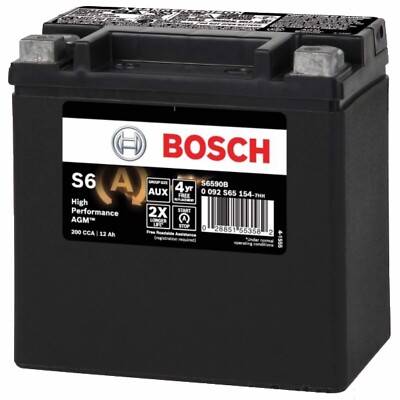
AGM batteries
Absorbent glass mat, or AGM, batteries are stronger and more resistant to vibration. They are common in cars with start-stop systems, heated seats, advanced safety tools, and many electronic features.
An AGM battery may cost $150 to $350. Replacing an AGM battery with a cheaper standard battery may cause poor performance or early failure. Always match the battery type listed in the owner’s manual.
Premium and long-warranty batteries
A battery with a longer replacement warranty often costs more at the start. It may provide better value if you plan to keep the vehicle for several years.
Still, a higher price does not always mean a better fit. The correct group size, cold cranking amps, terminal layout, and battery type matter more than the brand name alone.
The cost of car battery and installation rises when the vehicle needs an AGM or premium battery. A good technician should explain why that battery fits your car instead of simply recommending the most expensive option.

Labor and Installation Fees
Labor for a basic battery replacement usually costs $20 to $100. Some parts stores install a battery at no labor charge when you buy the battery there, but this service may have limits.
Installation is simple when the battery sits in the engine bay and the terminals are easy to reach. It can take 10 to 20 minutes. Some vehicles place the battery under a seat, inside a trunk, or near other parts that must be removed first.
A shop may charge more for:
• Battery access under a seat or trunk panel
• Corroded battery terminals
• Broken hold-down brackets
• Battery cables that need repair
• Battery registration or computer programming
• A battery located near sensitive electronic parts
The cost of car battery and installation may also include a mobile service fee. Mobile battery services are helpful when your car will not start, but convenience can add $30 to $100 or more.
Before approving the work, ask for the full installed price. This should include labor, taxes, disposal, and any required programming.

Why Some Cars Cost More
Two cars parked side by side may need very different batteries. Engine size, electrical demand, battery location, and vehicle technology all affect the cost of car battery and installation.
Start-stop vehicles
Start-stop systems turn the engine off at traffic lights and restart it when you release the brake. This places more demand on the battery.
Many start-stop vehicles need an AGM or enhanced flooded battery. They may also need battery registration after installation so the charging system knows the battery is new.
Luxury vehicles
Luxury cars often have more electronics and tighter spaces. The battery may be in the trunk, under the floor, or behind interior panels.
Some models require a scan tool to reset battery data. This can make the cost of car battery and installation $250 to $500.
Hybrid vehicles
Hybrid cars often have a normal 12-volt battery plus a much larger high-voltage battery pack. Replacing the 12-volt battery may cost $150 to $400, depending on the model.
The high-voltage hybrid battery is a separate repair. It can cost several thousand dollars and should only be handled by a trained hybrid technician.
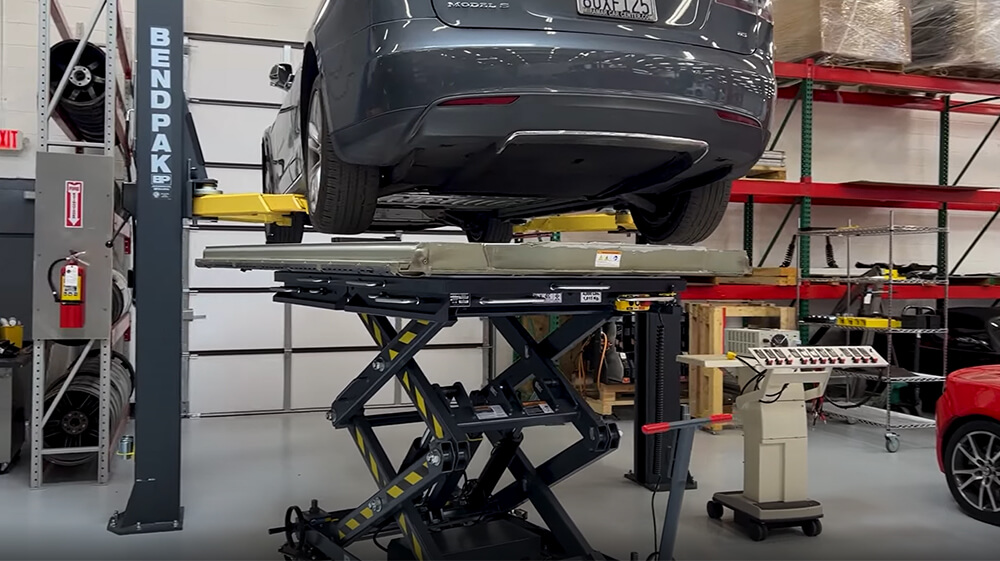
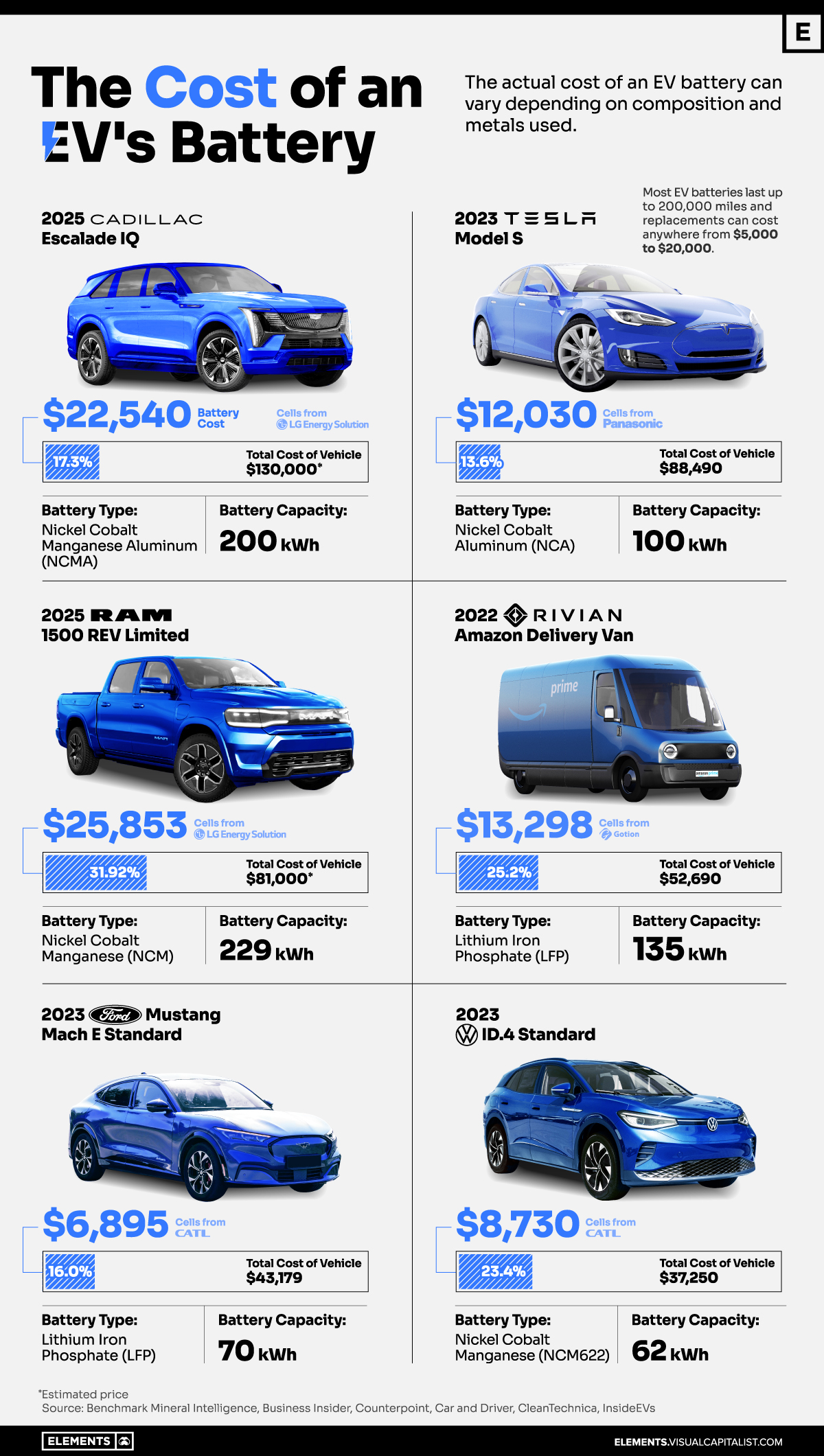
Electric vehicles
Electric vehicles also use a 12-volt battery for many low-voltage systems. Replacing that small battery may cost $150 to $400.
This service is not the same as replacing the main traction battery. The traction battery powers the electric motor and is a major component with a very different cost.
Battery Installation at Different Locations
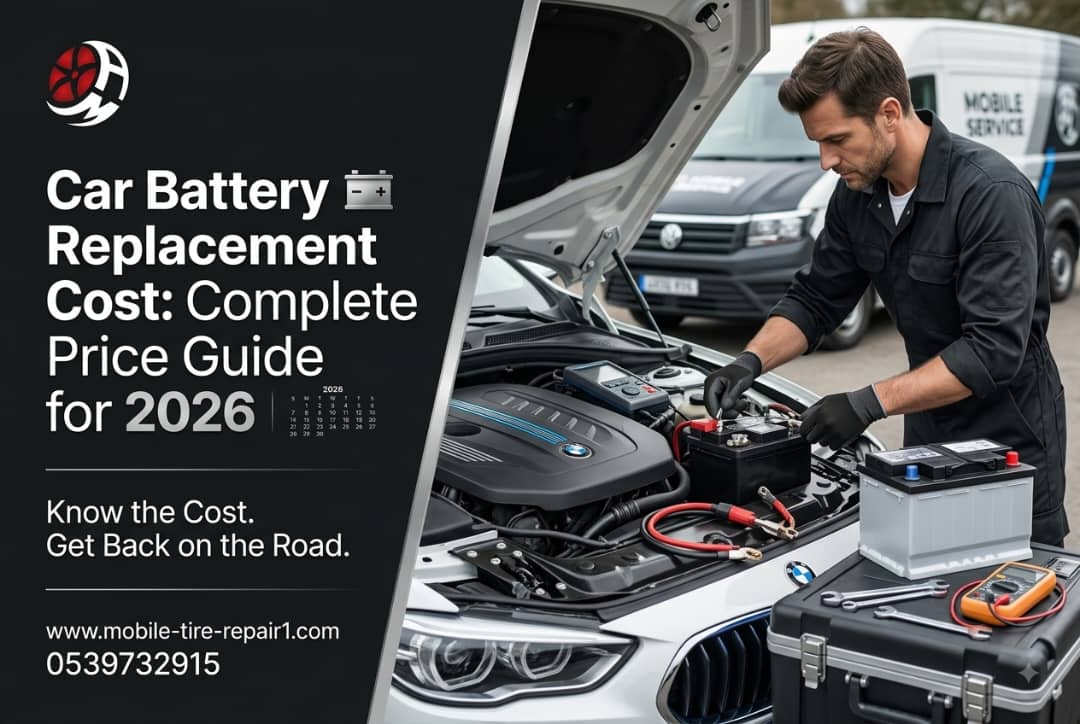
Where you buy service can change the cost of car battery and installation. Each option has benefits and limits.
Auto parts stores
Auto parts stores often offer competitive battery prices. Some provide free installation, battery testing, or recycling when you buy the battery there.
Free installation may not be available for every vehicle. The store may refuse service if the battery is hard to access or if the replacement requires computer registration.
Independent repair shops
An independent repair shop may charge $40 to $100 for installation. The shop can also test the alternator, starter, charging system, and battery cables.
This is a useful choice when your car has repeated starting problems. A new battery will not solve an alternator problem or a parasitic drain.
Dealerships
Dealership labor rates are often higher, but dealership technicians have direct access to model-specific tools and service information.
The cost of car battery and installation at a dealership may reach $250 to $500 for newer vehicles. The extra cost may be reasonable when the battery requires registration or the car has complex electronics.
Mobile battery services
Mobile services can come to your home, office, or roadside location. They are convenient when the car will not start.
Expect to pay more for the travel and emergency service. Ask whether the quoted price includes testing and whether the company uses the correct battery for your exact vehicle.
Extra Charges to Watch For
The advertised battery price is not always the final cost of car battery and installation. Ask about these possible charges before work begins:
• Diagnostic fee: A shop may charge $30 to $75 to test the battery and charging system.
• Installation fee: Basic labor may be free, but complex installation can cost $50 to $150.
• Battery registration: Some modern vehicles need a scan tool reset after replacement.
• Terminal cleaning: Heavy corrosion may require extra labor or replacement parts.
• Battery cables: Damaged cables can add $50 to several hundred dollars.
• Hold-down hardware: Missing or broken hardware must be replaced to keep the battery secure.
• Core charge: A refundable fee may apply if you do not return the old battery.
• Emergency service: Mobile or after-hours calls may include a travel fee.
A trustworthy shop should explain each fee. If the estimate only says “battery service” with no details, request an itemized quote.

How to Know You Need a New Battery
A slow engine crank is one of the clearest signs of a weak battery. You may also hear a click when turning the key or see the headlights dim during startup.
Other warning signs include:
• Battery warning light on the dashboard
• Swollen or cracked battery case
• White, blue, or green corrosion near the terminals
• Electrical features that reset or act strangely
• Needing frequent jump-starts
• A battery that is more than three to five years old
Age is only a guide. Heat, cold, short trips, vibration, and poor charging can shorten battery life. A battery tester can measure starting power more accurately than age alone.
The cost of car battery and installation is wasted if the real problem is elsewhere. A weak alternator, loose cable, or electrical drain can damage a new battery. Ask for a charging-system test if the battery keeps going flat.
)
How to Save Money Safely
You can lower the cost of car battery and installation without choosing the cheapest battery available.
-
Check the owner’s manual for the correct battery group and type.
-
Compare the total installed price from two or three local providers.
-
Ask about free battery testing before buying a replacement.
-
Check the warranty and free-replacement period.
-
Return the old battery to avoid a core charge.
-
Confirm whether your car needs battery registration.
-
Avoid replacing an AGM battery with a standard battery unless the manufacturer allows it.
-
Keep the receipt and warranty paperwork in the vehicle.
Online prices may look lower, but shipping, taxes, installation, and core fees can change the final amount. Local pickup is often easier because batteries are heavy and may have shipping restrictions.
Do not choose a battery based only on cold cranking amps. More power is not always better if the case size or terminal position does not fit.
Can You Install a Car Battery Yourself?
Many drivers can install a standard 12-volt battery with basic tools. You usually need gloves, eye protection, and a wrench that fits the terminal clamps.
The usual process is:
-
Turn off the engine and remove the key.
-
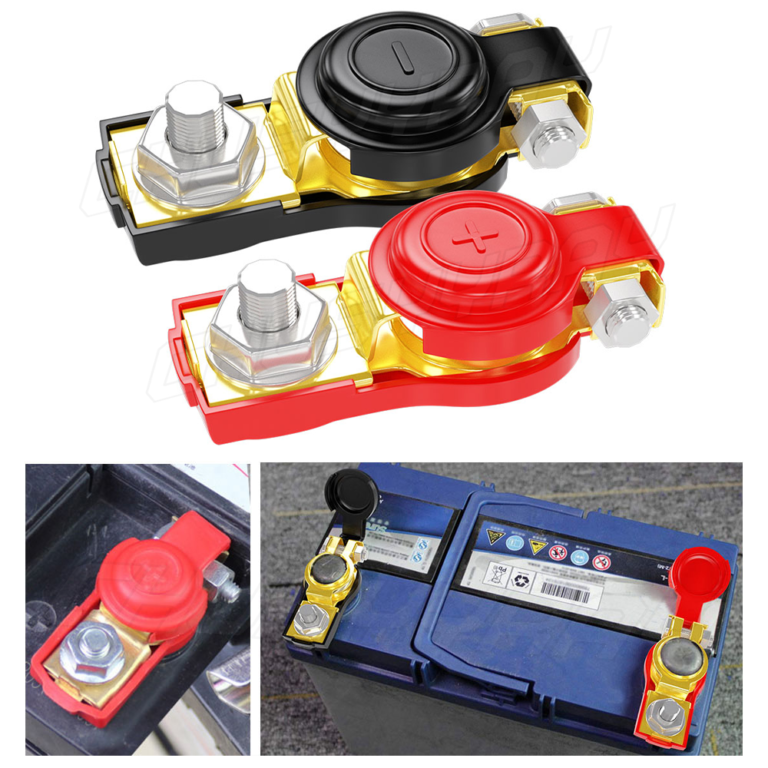
Locate the battery and identify the positive and negative terminals.
-
Disconnect the negative cable first.
-
Disconnect the positive cable.
-
Remove the battery hold-down bracket.
-
Lift out the old battery carefully.
-
Clean the terminals if needed.
-
Install the new battery and secure it.
-
Connect the positive cable first.
-
Connect the negative cable last.
The negative cable is removed first because it reduces the risk of a short circuit. Never allow a metal tool to touch the positive terminal and a metal part of the vehicle at the same time.
DIY replacement may reduce the cost of car battery and installation, but it is not right for every car. Avoid the job if the battery is difficult to reach, the vehicle needs registration, or you are unsure about the wiring.
Some modern vehicles can lose radio codes, window settings, steering data, or other stored settings when power is removed. A memory saver may help, but it must be used correctly. When in doubt, use a qualified technician.
Battery Warranty and Long-Term Value
A battery warranty often includes a free replacement period followed by a limited prorated period. For example, a battery may offer free replacement for three years and partial credit after that.
Read the warranty terms before buying. Some warranties require proof of purchase and may not cover improper installation, freezing, physical damage, or commercial use.
The cheapest battery may not offer the lowest long-term cost. A reliable battery with a useful warranty can be a better choice, especially if you drive in very hot or cold weather.
Industry guidance commonly recommends testing the battery and charging system during regular service. This simple check can find a weak alternator or poor connection before it leaves you stranded.
Practical Lessons From Battery Replacement
One common mistake is replacing the battery after a jump-start without testing anything else. A jump-start only gives temporary power. It does not prove the battery is the cause of the problem.
Another mistake is ignoring a loose terminal. A poor connection can look like a dead battery and may cause intermittent starting trouble. Before paying for a replacement, check for corrosion, loose clamps, and damaged cables.
A final lesson is to confirm the battery type before leaving the shop. The correct battery should fit tightly, have the right terminal layout, and match the vehicle’s charging system. Taking a photo of the old label can help prevent a costly mismatch.
These checks can keep the cost of car battery and installation under control while protecting your vehicle’s electrical system.
Frequently Asked Questions About the Cost of Car Battery and Installation
How much does it cost to install a car battery?
Basic installation usually costs $20 to $100, not including the battery. The total cost of car battery and installation is often $120 to $300 for a standard vehicle.
Is it cheaper to replace a car battery yourself?
Yes, DIY installation can remove the labor charge. However, professional service may be safer for vehicles with hidden batteries, complex electronics, or battery registration needs.
How long does car battery installation take?
A simple replacement often takes 10 to 30 minutes. Difficult access, corrosion, cable repairs, or computer registration can extend the service time.
Does every new car battery need to be registered?
No. Many older vehicles do not need registration, but some newer cars do. Battery registration tells the charging system that a new battery has been installed and helps it manage charging correctly.
How often should a car battery be replaced?
Many car batteries last about three to five years. Climate, driving habits, vibration, and charging-system health can make the service life shorter or longer.
Why is my new car battery losing power?
A new battery may lose power because of a weak alternator, loose connection, parasitic drain, extreme temperatures, or a defective battery. Have the full charging and electrical system tested before replacing it again.
Is an AGM battery worth the extra cost?
An AGM battery is worth the extra cost when the vehicle requires it or has heavy electrical demand. Installing one in a vehicle designed for a standard battery may not provide a meaningful benefit.
Conclusion
The cost of car battery and installation usually falls between $120 and $300, but modern, luxury, hybrid, and hard-to-access vehicles can cost more. Battery type, labor, registration, testing, warranty, and local rates all shape the final bill.
Start by checking your owner’s manual and asking for an itemized estimate. Confirm the battery type, warranty, installation fee, and need for registration before approving the work. Compare trusted local providers, and share your battery replacement experience or questions in the comments.