Replacing a car battery usually takes 15 to 30 minutes, though some vehicles may need an hour.
Knowing how long does it take to replace a car battery helps you plan your day and avoid paying for work you can do safely. Most battery changes are simple, but the exact time depends on your vehicle, battery location, corrosion, and whether the car needs computer settings reset. This guide explains the process, cost, warning signs, and ways to make the job smoother.

How Long Does It Take to Replace a Car Battery?
For most cars, how long does it take to replace a car battery? The average time is about 15 to 30 minutes when the battery sits in an easy-to-reach spot and the hardware is in good shape.
A professional technician may finish faster because the tools and steps are familiar. A first-time DIY repair may take 30 to 60 minutes. This extra time is normal, especially if you need to find the battery, read the owner’s manual, or clean corrosion.
Some vehicles take longer because the battery is under the rear seat, inside the trunk, or near the wheel well. Luxury cars and newer models may also need battery registration after installation.
Here is a general time guide:
• Easy-to-reach battery: 10 to 20 minutes
• Typical car battery replacement: 15 to 30 minutes
• First-time DIY replacement: 30 to 60 minutes
• Battery under a seat or in the trunk: 30 to 90 minutes
• Replacement with battery registration: 30 to 60 minutes
• Replacement with heavy corrosion or damaged parts: 45 minutes or longer
These are estimates, not promises. A technician should inspect the charging system before or after replacing the battery. A new battery will not solve a bad alternator or a damaged cable.
What Affects Car Battery Replacement Time?
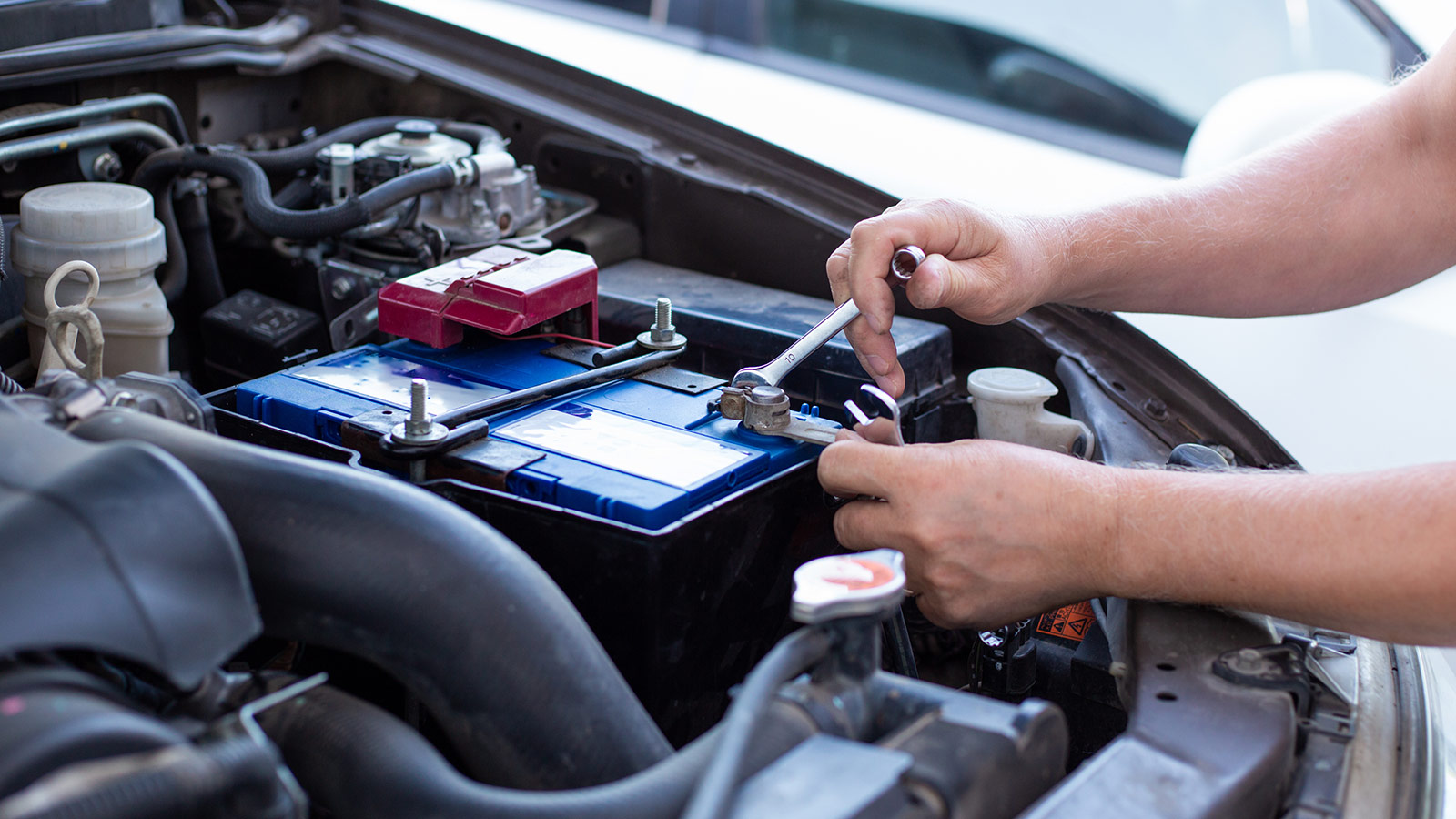
Several factors affect how long does it take to replace a car battery. The battery itself is often the easy part. Access, corrosion, and vehicle design usually create the delay.
Battery location
Many vehicles place the battery under the hood. This design allows quick access and simple removal. Other vehicles hide the battery in less convenient places.
A battery may sit:
• Under the hood
• Under the rear seat
• In the trunk
• Behind a side panel
• Near the front wheel
A hidden battery does not always mean a difficult repair. However, removing covers, trim, or seat panels can add several steps.
Corrosion
White, blue, or green buildup around the terminals can slow the job. Corrosion may make the cable clamp stick to the battery post. It can also damage the terminal, cable, or hold-down bracket.
Never force a corroded connection with excessive power. Too much force can break the terminal or damage the cable. A technician may need a terminal cleaner, penetrating fluid, or a replacement cable.
Battery hold-down hardware
The battery must stay firmly in place. A hold-down bracket, strap, or clamp usually secures it. If the hardware is rusty or hidden, removal can take longer.
Driving without a secure hold-down is risky. The battery can move, damage its cables, or leak acid.
Vehicle electronics
Modern vehicles depend on electronic control modules. Disconnecting the battery may erase clock settings, radio presets, window memory, or adaptive settings.
Some vehicles use a battery management system. After installing a new battery, the system may need to learn the battery’s size, type, and age. This process is often called battery registration or battery programming.
Technician skill and tools
A trained technician with the correct battery and tools can work quickly. A DIY repair may take longer, but careful work is more important than speed.
From working through common battery problems, one lesson stands out: rushing the cable order causes more trouble than the battery swap itself. Take a moment to identify the positive and negative terminals before touching a wrench.
How to Replace a Car Battery Safely
If you are asking how long does it take to replace a car battery, the physical steps are fairly simple. Safety matters because a car battery can deliver a large amount of electrical current.
Before starting, park on a level surface. Turn off the engine, remove the key, and switch off lights and accessories. Wear eye protection and gloves, and keep metal tools away from both battery terminals.
Basic replacement steps
-
Find the battery and read the owner’s manual.
-
Confirm that the replacement battery matches the required size, terminal layout, and specifications.
-
Remove the negative cable first. It is usually marked with a minus sign or black insulation.
-
Remove the positive cable next. It is usually marked with a plus sign or red insulation.
-
Remove the battery hold-down bracket.
-
Lift the old battery out with both hands. Car batteries are heavy, often weighing 30 to 50 pounds.
-
Check the tray, cables, and terminals for rust, cracks, or damage.
-
Place the new battery in the correct position.
-
Reinstall and tighten the hold-down bracket.
-
Connect the positive cable first.
-
Connect the negative cable second.
-
Start the engine and check for warning lights or electrical problems.
The order matters. Removing the negative cable first reduces the chance of a short circuit. If a metal tool touches the vehicle body while connected to the positive terminal, it can create sparks and heat.
Do not place a new battery on the ground for long periods if it could be exposed to dirt or moisture. Also, do not carry a battery by its terminal posts. Use the built-in handle when available.
How Long Does It Take to Replace a Car Battery at a Shop?
At a repair shop, how long does it take to replace a car battery? Many shops complete the work in 15 to 30 minutes. The full visit may take longer if the shop tests the old battery, checks the alternator, or installs a battery management system.
Some parts stores offer battery testing and installation for selected vehicles. Service rules vary. A store may decline installation if the battery is in a difficult location or if special programming is required.
A professional battery service may include:
• Testing the old battery
• Checking charging voltage
• Inspecting battery cables
• Cleaning terminal corrosion
• Installing the new battery
• Testing the starting system
• Registering the battery when needed
• Resetting certain vehicle settings
A good technician should not replace the battery based only on a slow start. A weak alternator can drain a new battery. A parasitic electrical drain can also cause repeated battery failure.
Ask these questions before approving the work:
• Is the battery the correct type and size?
• Does this vehicle need battery registration?
• Will you test the alternator?
• Is the replacement battery covered by a warranty?
• Are the cables and terminals in good condition?
These questions can prevent a low-cost battery change from becoming a repeat repair.

How Long Does It Take to Replace a Car Battery Yourself?
For a beginner, how long does it take to replace a car battery at home? Plan for 30 to 60 minutes. An experienced person with the right tools may finish in 15 to 30 minutes.
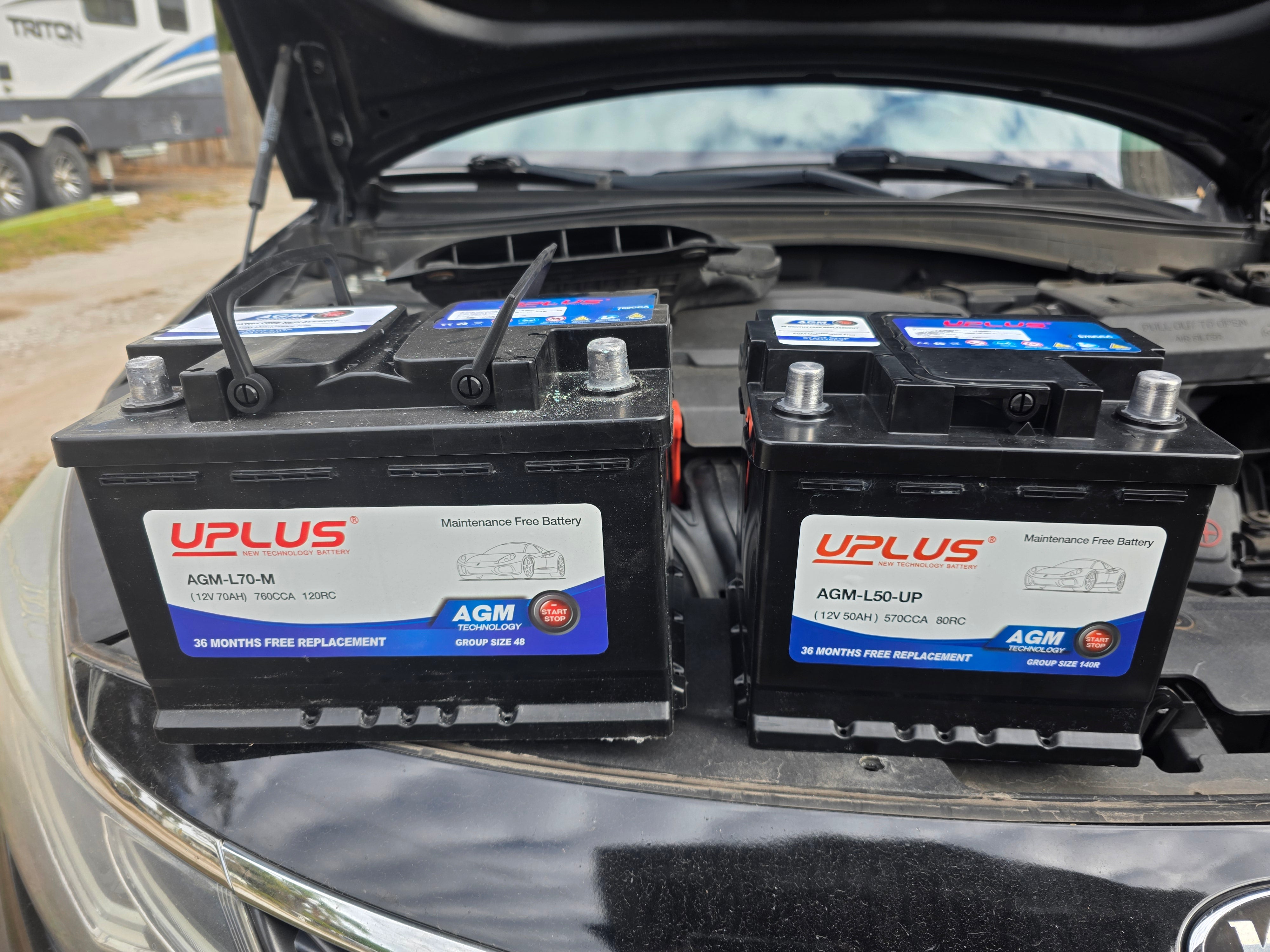
Before buying a battery, check the vehicle manual or use a trusted parts catalog. Battery fit depends on more than physical size. You also need the correct group number, cold-cranking rating, terminal position, and battery technology.
For example, a vehicle designed for an AGM battery should not always receive a standard flooded battery. Start-stop vehicles often require a battery made for frequent engine restarts.
Useful tools may include:
• Safety glasses
• Work gloves
• A socket wrench
• A terminal cleaning brush
• A memory saver, when appropriate
• A battery hold-down tool
• A multimeter or battery tester
Do not use a memory saver unless you understand how it connects and whether it suits your vehicle. Some systems can be damaged by incorrect voltage or poor connections.
A practical tip is to take a photo of the old battery before removing it. The image can show cable routing and terminal placement. This small step can save time when the new battery is ready to install.
Signs You May Need a New Car Battery
Knowing the warning signs can help you replace the battery before the vehicle leaves you stranded. A car battery often gives clues before it completely fails.
Common signs include:
• Slow engine cranking
• A clicking sound when starting
• Dim headlights during startup
• Needing a jump-start more than once
• Battery warning or charging warning lights
• Corrosion around the terminals
• A swollen or cracked battery case
• An unpleasant sulfur-like smell
A slow start does not prove that the battery is bad. Cold weather can reduce battery performance, while a failing starter can also create slow cranking. A proper test is the best way to confirm the cause.
Most automotive batteries last about three to five years, but climate and driving habits affect their life. Extreme heat can speed internal battery damage. Very cold weather makes a weak battery show its limits more clearly.
Short trips can also reduce battery life. The starter uses a large amount of energy, and a short drive may not give the alternator enough time to replace it. Long periods without driving can cause discharge as well.
Battery Replacement Cost and Extra Services
The cost of replacing a car battery depends on the vehicle and battery type. In the United States, many standard replacement batteries cost roughly $100 to $250. Premium AGM batteries and batteries for luxury vehicles can cost more.
Labor may be free with a battery purchase, included in a service package, or charged separately. A difficult battery location can increase labor time and cost.
Possible extra charges include:
• Battery registration
• Terminal replacement
• Cable repair
• Battery tray repair
• Corrosion cleanup
• Alternator testing
• Disposal or recycling fees
Do not choose a battery based only on the lowest price. Compare the warranty, cold-cranking rating, reserve capacity, and expected use. A quality battery with the correct specifications can offer better value over time.
Old automotive batteries should be recycled. They contain lead and acid, but most of their materials can be recovered. Many retailers accept old batteries when you buy a replacement.
What to Do After Installing a New Battery
After replacing the battery, start the engine and let it run for a few minutes. Check that the battery or charging warning light turns off. Look for flickering lights, strange electrical behavior, or warning messages.
You may need to reset:
• The clock
• Radio presets
• Power windows
• Automatic climate settings
• Steering angle memory
• Idle or transmission learning settings
Some cars relearn these settings while you drive. Others require a scan tool or a short procedure in the owner’s manual.
Drive carefully for the first few minutes. If the engine stalls, the warning light stays on, or the vehicle struggles to start, turn it off and have the charging system checked.
A new battery should not need repeated jump-starts. If it does, the problem may be the alternator, starter, wiring, or an electrical drain.
Mistakes to Avoid During Battery Replacement
Battery replacement is simple, but small mistakes can create costly damage. The safest approach is slow and methodical.
Avoid these common errors:
• Connecting the cables backward
• Removing the positive cable first
• Leaving the hold-down bracket loose
• Choosing the wrong battery type
• Ignoring damaged cables
• Touching both terminals with a metal tool
• Installing a battery without checking the charging system
• Throwing the old battery in household trash
Reverse polarity can damage fuses, electronic modules, and other electrical parts. If you connect the cables incorrectly, do not keep trying to start the vehicle. Disconnect them safely and arrange an inspection.
Also, do not ignore a swollen, cracked, or leaking battery. Wear protection and avoid contact with the fluid. A damaged battery should be handled by a qualified professional or a proper recycling center.
How to Make Battery Replacement Faster
If you want to reduce how long does it take to replace a car battery, prepare before the repair begins. Preparation prevents most delays.
Use this checklist:
• Confirm the battery group size
• Check whether the car needs AGM or another battery type
• Read the owner’s manual
• Gather the correct tools
• Photograph the cable layout
• Clean the work area
• Wear safety gear
• Plan for battery registration if required
• Keep the vehicle off during the replacement
Call ahead if a shop is doing the work. Give the technician the vehicle year, make, model, engine size, and battery location. This information helps the shop confirm the right battery and estimate the service time.
If the battery is under a seat or inside the trunk, ask whether trim removal is included. Clear expectations make the process easier and help prevent surprise charges.
Frequently Asked Questions About How Long Does It Take to Replace a Car Battery
How long does it take to replace a car battery at home?
A first-time DIY replacement usually takes 30 to 60 minutes. Someone familiar with the vehicle may finish in about 15 to 30 minutes.
Can a mechanic replace a car battery in 10 minutes?
Yes, some easy-to-reach batteries can be replaced in about 10 minutes. The mechanic still needs time to test the battery, inspect the charging system, and confirm the installation.
Does every new battery need to be programmed?
No, not every vehicle needs programming. Many newer cars with battery management systems need battery registration so the charging system can recognize the new battery.
How long should I wait after installing a new battery?
You can usually start the vehicle immediately after the battery is connected. Let it run briefly, check warning lights, and reset any settings listed in the owner’s manual.
Can a dead battery be replaced without testing it?
It can, but testing is better. A dead battery may result from a bad alternator, loose cable, or electrical drain, so replacing it without testing may not fix the real problem.
How often should a car battery be replaced?
Many car batteries last three to five years. Heat, cold, short trips, vibration, and poor charging can shorten that range.
Is replacing a car battery safe for beginners?
It can be safe when you follow the correct cable order and use eye protection. Anyone who feels unsure about battery location, corrosion, or electrical damage should use a qualified technician.
Conclusion
For most vehicles, how long does it take to replace a car battery? Expect 15 to 30 minutes at a shop and 30 to 60 minutes for a careful DIY job. Battery location, corrosion, hold-down hardware, and electronic registration can change the estimate.
Choose the correct battery, disconnect the negative cable first, inspect the charging system, and recycle the old battery properly. If you are unsure, ask a trusted technician to test the battery and alternator before replacing anything. Share your vehicle details or battery experience in the comments, and explore more maintenance guides to keep your car reliable.